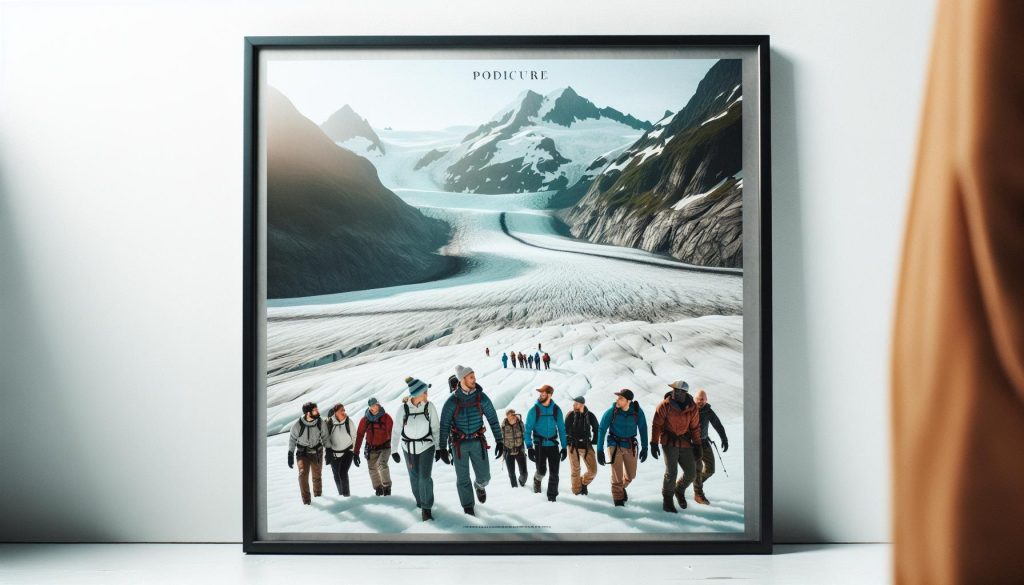
Alaska Alpine Adventures Anchorage AK: Glacier Hiking Tours
Discover breathtaking Glacier Hiking Tours with Alaska Alpine Adventures in Anchorage! Experience stunning views and unforgettable adventures-book your tour today!

Hiking & Backpacking is the self-supported wilderness navigation and foot travel through backcountry trails, requiring hikers to carry all necessary shelter, sustenance, navigation, and water filtration equipment in a backpack.
Comprehensive breakdown covering logistics, actionable itineraries, and verified field insights.
Comprehensive breakdown covering logistics, actionable itineraries, and verified field insights.
Comprehensive breakdown covering logistics, actionable itineraries, and verified field insights.
Backpacking transforms day hiking into true wilderness immersion. Success hinges on mastering the classic ‘Ten Essentials’ (navigation, headlamp, sun protection, first aid, knife/repair kit, fire starter, emergency shelter, extra food, extra water, extra clothing). Carrying these items ensures survival in the event of sudden injury or unexpected overnight stranding.
Pack weight management directly impacts joint health and trail stamina. Aiming for a ‘base weight’ (total pack weight excluding food, water, and fuel) under 15 to 20 pounds by investing in an ultralight tent, down sleeping quilt, and lightweight sleeping pad dramatically reduces fatigue over multi-day ascents.
| Backpacking Tier | Target Base Weight | Shelter & Sleep System | Daily Mileage Capacity |
|---|---|---|---|
| Traditional Backcountry | 20 – 30 lbs | Double-wall freestanding tent, synthetic sleeping bag | 6 – 10 miles / day |
| Ultralight (UL) Explorer | 10 – 15 lbs | Semi-freestanding trekking-pole tent, 850-fill down quilt | 12 – 18 miles / day |
| Fastpacking / Alpine Sprint | 6 – 10 lbs | Ultralight tarp/bivy, minimalist torso pad | 20 – 30+ miles / day |
Hollow-fiber membrane squeeze filters (such as the Sawyer Squeeze or Platypus QuickDraw) provide rapid, reliable filtration against bacteria and protozoa without chemical aftertastes.
Wear well-tested footwear, use merino wool socks, keep your feet dry, and apply preventative kinesiology tape (Leukotape) to friction ‘hot spots’ the moment you feel discomfort.
The 7 principles: Plan ahead, travel/camp on durable surfaces, dispose of waste properly (catholes 6-8 inches deep, 200 ft from water), leave what you find, minimize campfire impacts, respect wildlife, and be considerate of other visitors.
Discover breathtaking Glacier Hiking Tours with Alaska Alpine Adventures in Anchorage! Experience stunning views and unforgettable adventures-book your tour today!

Embark on eco-friendly hiking adventures! Discover sustainable trail planning tips, essential gear, and the best destinations to explore nature responsibly.
Embark on a Nepal trekking trip! Discover breathtaking Himalayan adventures for all levels. Uncover insider tips and essential itineraries today!

Unleash your inner explorer with the Grand Teton Adventure Guide! Discover breathtaking hiking trails, hidden gems, and insider tips for an unforgettable trip.

Discover the best adventure backpacks for multi-day hikes! Gear up for your next trip with our top picks and essential tips to conquer the trails.
Explore Japan’s majestic peak with our Fuji Mountain Day Trip! Get insider tips, essential gear, and perfect itineraries for an unforgettable adventure. Don’t miss out!
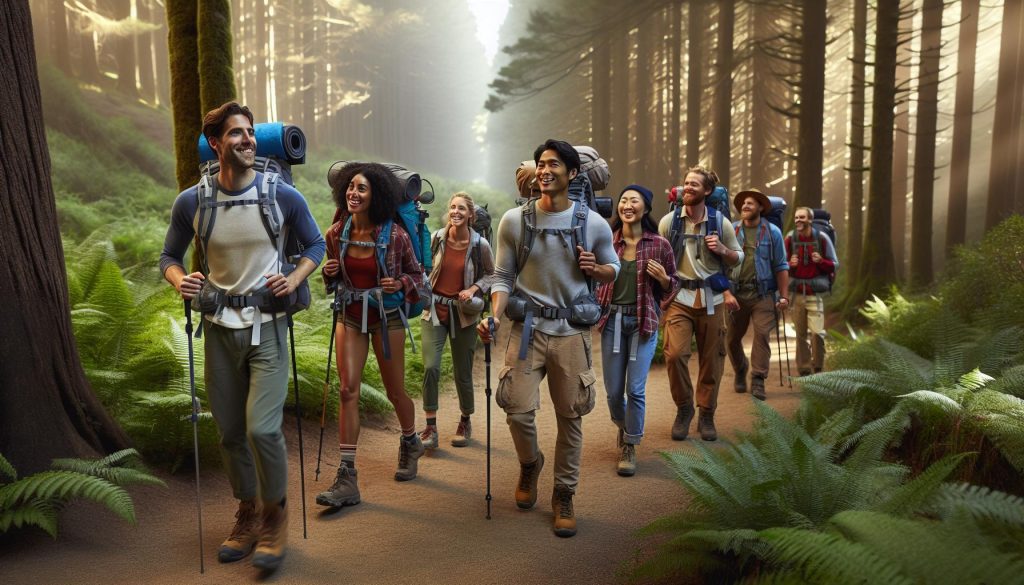
Discover perfect beginner backpacking trips that kickstart your adventure! Learn essential tips, must-see spots, and how to pack wisely. Start exploring now!
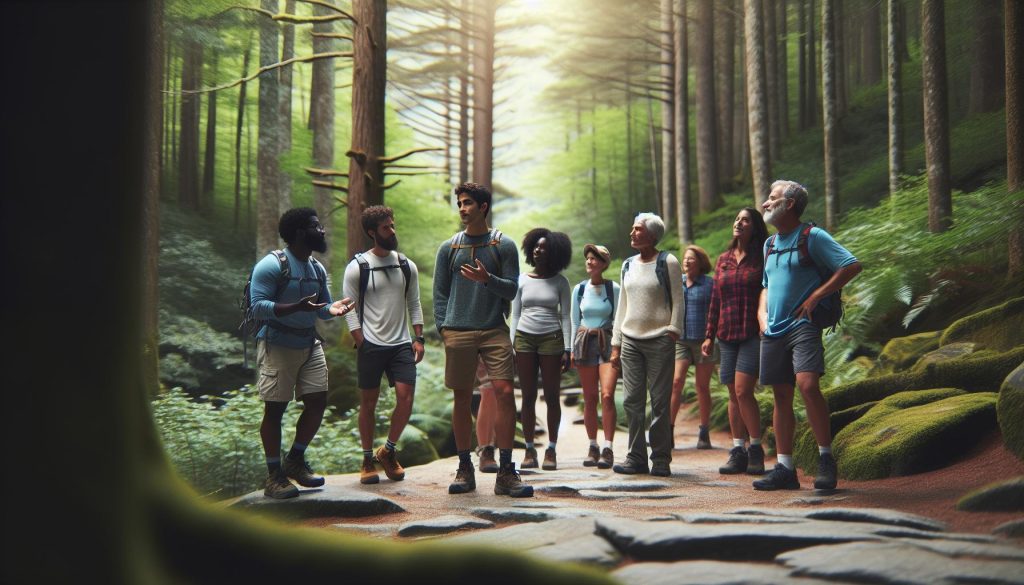
Experience the best of Luxury Resorts North Carolina with guided hikes and outdoor fun. Discover breathtaking trails and indulge in serene amenities today!