

When planning a multi-day hiking trip, having the right adventure backpack is crucial for your comfort and enjoyment. Did you know that an 8- to 10-pound pack can make a significant difference in your energy levels on the trail? Selecting the perfect backpack not only enhances your hiking experience but also keeps your essentials organized and easily accessible. Whether you’re a seasoned trekker or a weekend explorer, finding gear that balances weight, durability, and function will elevate your adventures. In this guide, we’ll explore our top picks for backpacks suited for long hikes, ensuring that you’re equipped to tackle any terrain with confidence. Get ready to discover the perfect companion for your next journey into the great outdoors!
Adventure Backpack Essentials for Multi-Day Hiking
Embarking on a multi-day hiking adventure can be one of the most exhilarating experiences in the great outdoors. Yet, having the right adventure backpack can make all the difference between an enjoyable trek and a burdensome ordeal. When selecting your ideal pack, consider the essentials that will meet your needs for comfort, organization, and total functionality over the days ahead.
A crucial aspect of any long-distance hike is ensuring you have the right size and fit for your backpack. Look for a pack that fits snugly but allows for enough mobility; too tight, and it becomes uncomfortable, too loose, and you risk instability while hiking. Features like adjustable straps, lumbar support, and hip belts can greatly enhance your experience by distributing weight evenly and helping you tackle rugged terrain more easily.
When packing for extended journeys, think about must-have gear that caters to varying climates and conditions. Lightweight cooking gear, compact sleeping systems, and quality rain gear should be top of your shopping list. Additionally, incorporating hydration solutions is essential-whether it’s a water reservoir system for easy sipping on the trail or durable water bottles that can withstand the elements. Don’t forget simple organization strategies to keep your items accessible, such as packing cubes or compression sacks that help you maximize every inch of space in your pack.
Ultimately, a successful multi-day hike hinges on being prepared while enjoying the breathtaking scenery. Invest time in researching different brands, reading user reviews, and perhaps trying on various backpacks at an outdoor retailer. By carefully considering the essentials outlined above, you can select a backpack that not only meets your needs but also inspires a sense of wanderlust for upcoming adventures.
Choosing the Right Size and Fit for Your Backpack
Finding the perfect size and fit for your adventure backpack can make or break your multi-day hiking experience. A well-fitted backpack allows you to traverse rugged terrain comfortably, while a poor fit can lead to discomfort or even injury. It’s essential to measure your torso length, as most backpacks are designed to fit specific ranges. To find your torso length, measure from the base of your neck (where the shoulder meets the spine) down to the top of your hip bone. This key measurement will guide you in selecting a pack that suits your body shape.
When trying on a backpack, make sure to load it with weight to emulate what you’d carry during your hike. This real-world test will help you assess how the backpack feels when fully packed. Look for features such as adjustable shoulder straps, a padded hip belt, and a sternum strap. Adjustable straps can accommodate different body shapes and sizes, ensuring that the weight is distributed evenly across your back and hips, significantly enhancing comfort during long hauls.
Additionally, consider the backpack’s volume. Packs generally range from 40 to 70 liters for multi-day hiking, with larger sizes being better for extended trips where extra gear is necessary. However, a bigger pack can lead to packing unnecessary items, so choose a size that fits your gear needs without excess space. Make note of how the pack balances when filled-standing upright while loaded ensures it won’t pull you backward on inclines, and testing it out while walking is crucial for determining its stability.
Lastly, don’t underestimate the importance of personal preference. Different brands have unique fits and styles, so spend some time trying out various options at outdoor retailers. Ideally, you should leave with a pack that not only fits well but feels like an extension of yourself, ready to accompany you on countless adventures ahead.
Top Features to Look for in Adventure Backpacks
When venturing into the wild for multi-day hikes, the features of your backpack can make all the difference. The right backpack not only carries your essentials but also enhances your overall experience by ensuring comfort, organization, and accessibility throughout your adventure. Here are the top features worth considering when selecting your adventure backpack, ensuring you’re fully equipped for those long trails ahead.
Weight and Suspension System
A quality backpack should feature a well-engineered suspension system. This system is crucial for weight distribution, allowing the weight of your gear to rest comfortably on your hips rather than your shoulders. Look for padded hip belts and adjustable shoulder straps that can be tailored to your body type. A ventilated back panel can also help keep you cool during strenuous ascents, allowing for airflow and reducing sweat buildup.
Pockets and Compartments
Organization is essential when you’re out in the wilderness for several days. Choose a backpack that offers multiple compartments and pockets, including exterior mesh pockets for quick-access items and a designated hydration reservoir sleeve. This setup allows you to store snacks, water bottles, and gear in an organized manner, making it easier to grab what you need without digging through your main compartment.
Durability and Weather Resistance
The materials used in your backpack heavily influence its longevity and functionality. Look for high-denier nylon or polyester fabrics that are both lightweight and tough enough to withstand rugged terrain. Water-resistant coatings or built-in rain covers are also critical features that safeguard your gear from unexpected weather changes, keeping your belongings dry and secure.
Adjustability
Flexibility in fit can significantly enhance comfort and performance on the trail. Many brands offer adjustable torso lengths, allowing you to customize your pack’s height to match your torso measurement. Additionally, backpacks with load-lifters and compression straps can further stabilize the pack’s load, reducing stress on your back and enhancing balance while navigating uneven ground.
Investing time in understanding these key features will enhance not only your comfort but also your overall hiking experience. A thoughtfully chosen backpack that aligns with your specific needs can transform your multi-day excursions into memorable adventures filled with wonder, exploration, and excitement.
Best Materials for Durability and Comfort
When it comes to multi-day hiking trips, the choice of backpack material can make a significant difference in your adventure experience. The right fabric not only enhances durability but also maximizes comfort during those long stretches on the trails. Generally, you’ll want to look for materials that can withstand wear and tear while also being lightweight to reduce your overall load.
Popular Materials for Backpacks
Some of the best materials for adventure backpacks include:
- Nylon: Renowned for its high tensile strength, nylon is a common choice for backpack construction. Options like ripstop nylon provide added durability without bulk, making it ideal for rugged conditions.
- Polyester: This fabric is often lighter than nylon and offers a good balance of affordability and durability. It’s also resistant to fading, hence great for sun-exposed hikes.
- Cordura: Known for its exceptional durability, Cordura fabric is resistant to abrasion and water, ensuring longevity no matter the elements you encounter.
- Ballistic Nylon: Originally designed for military use, ballistic nylon offers rugged performance and is incredibly resistant to wear, making it perfect for intense hiking.
- Eco-friendly Materials: If you’re a conscious traveler, look for backpacks made from recycled materials that maintain the same durability and comfort as conventional fabrics.
Comfort Features
Beyond durability, look for comfort features integrated into your backpack’s design. Many high-quality backpacks include a moisture-wicking back panel that promotes airflow, reducing sweat accumulation on your back. Padding under the shoulder straps and hip belts made of breathable foam can also significantly enhance comfort by distributing weight evenly and relieving pressure points.
Investing in the right backpack material isn’t just about durability; it’s about ensuring you have an enjoyable and hassle-free experience when navigating the wilderness. Remember, the right choice can lead to greater performance on the trail and enhance your overall hiking pleasure. With a carefully selected material that prioritizes both durability and comfort, you’ll be ready to take on any adventure that comes your way.
Must-Have Gear for Long-Distance Hiking
When embarking on a long-distance hiking journey, having the right gear can make all the difference between a rewarding experience and a grueling task. Excellent preparation is essential, and certain items can significantly enhance your efficacy and comfort on the trail.
First and foremost, investing in sturdy yet comfortable hiking boots is crucial. Choose a pair that offers good ankle support and traction suitable for the terrain you’ll encounter. Additionally, moisture-wicking socks are a must to help prevent blisters and keep your feet dry. Don’t overlook the importance of a high-quality tent or hammock; a reliable shelter will protect you from the elements and provide a cozy haven for rest after a day of adventure. Lightweight, compact, and weather-resistant options are best for multi-day hiking.
Another vital piece of gear is a reliable, lightweight sleeping bag suited to the temperature ranges of your hike. Opt for one that packs small but provides sufficient insulation, which can easily be stored in your backpack. Furthermore, include a portable stove and fuel for cooking easy, hot meals on the go. This can be as simple as a small backpacking stove paired with dehydrated meals, making meal preparation efficient and straightforward.
Finally, never underestimate the significance of a good multi-tool or knife and a first-aid kit – these can resolve a multitude of unexpected situations. Pair these with a reliable map and compass or a GPS device for navigation to ensure you stay on course. With the right equipment, not only will you be prepared for your hiking adventure, but your journey will also be more enjoyable and enriching.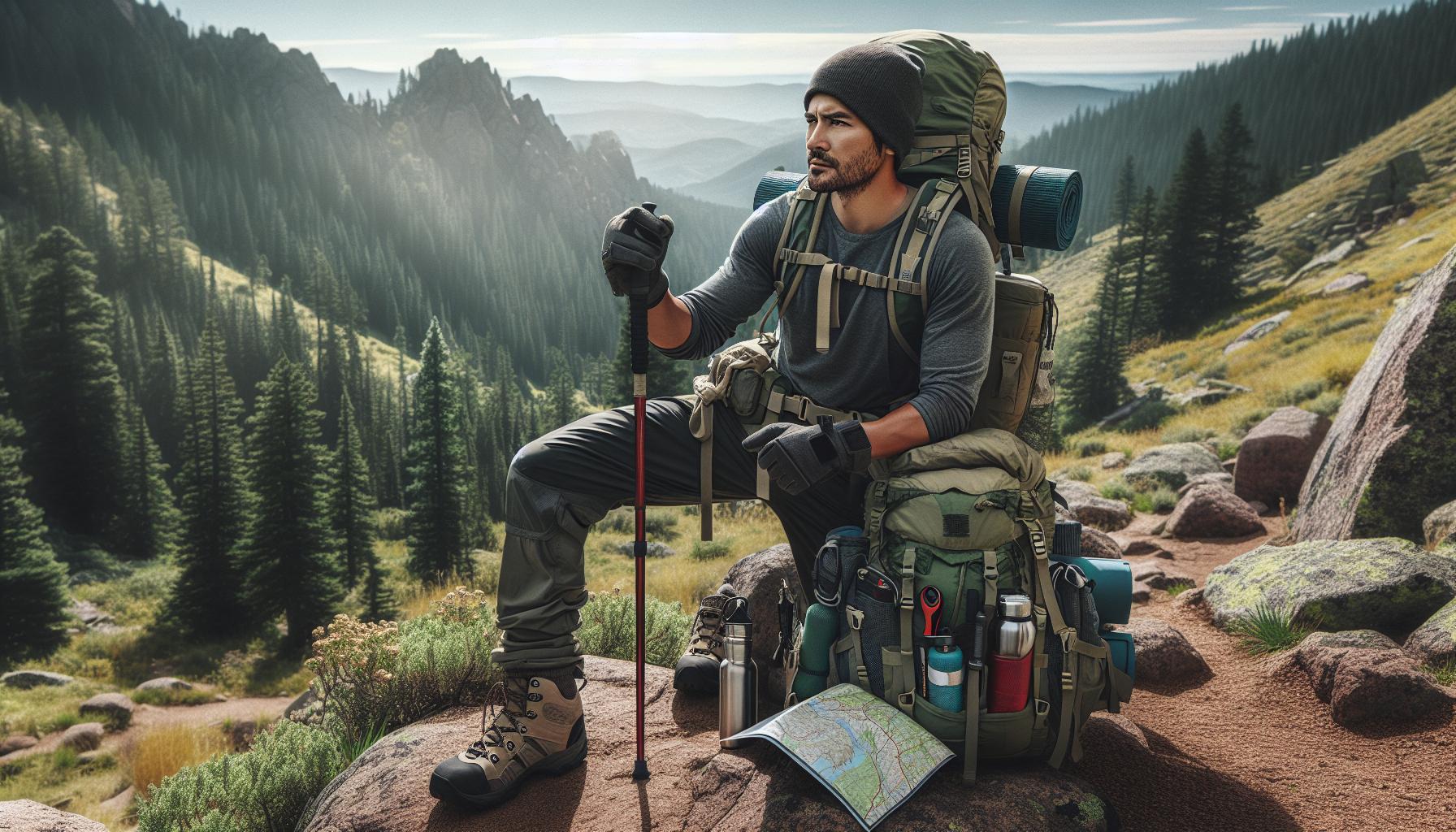
Weight Distribution: Packing Techniques for Balance
When it comes to long-distance hiking, the way you pack your backpack can make a world of difference. Imagine traversing a stunning trail, taking in breathtaking views, only to be hindered by back pain or an awkwardly swinging pack. Achieving optimal weight distribution not only enhances comfort but also boosts your overall hiking efficiency. Here’s how to master the art of packing to ensure your backpack feels like an extension of yourself rather than a cumbersome burden.
Packing Strategies for Balance
The key to effective weight distribution lies in the placement of your gear inside the backpack. Follow these practical packing techniques to maintain balance:
- Heavy Items First: Start by placing heavier items close to your back and towards the bottom of your backpack. This helps center the weight over your hips, reducing strain on your shoulders and back.
- Medium Weight in the Middle: Pack medium-weight items, such as cooking gear or extra clothing, in the middle section of your backpack. This balances the center of gravity and provides stability.
- Light and Small Items Last: Pack lighter items like sleeping bags or clothing at the top. These items are less critical for balance but can easily shift if not secured properly.
- Utilize Pockets Wisely: Use outer pockets for items you need frequently, such as snacks, maps, or first-aid supplies. This keeps them readily accessible without disturbing the balance of your packed gear.
Adjusting for Comfort
Even after you’ve packed your backpack with intention, it’s essential to adjust the straps properly to further enhance comfort. Tighten the hip belt so that it supports more of the load, taking pressure off your shoulders. The shoulder straps should be snug but not overly tight, allowing freedom of movement without adding strain. Don’t forget to also adjust the sternum strap-it can help stabilize the load by pulling the shoulder straps closer together.
Another helpful tip is to test your pack before hitting the trail. Walk around your home or take a short hike with your fully loaded backpack. This will give you a sense of its balance and allow you to make any necessary adjustments before you head out on your adventure. By packing effectively and making small adjustments, you can ensure that your backpack feels comfortable and balanced, allowing you to enjoy every moment of your hike.
Hydration Solutions: Water Bottles and Reservoirs
Staying hydrated on a multi-day hiking trip is crucial for maintaining energy and performance, yet many hikers overlook the importance of their water-carrying solutions until they’re on the trail. Having reliable hydration solutions can mean the difference between an enjoyable adventure and a grueling experience. When it comes to choosing between water bottles and reservoirs, each option has its benefits that cater to different hiking styles and preferences.
Using a hydration reservoir allows you to sip water without stopping, which can keep your momentum up on long ascents. Most modern backpacks come with a dedicated compartment for reservoirs, making it easier to carry and access your water. These bladders typically have a tube that extends to your shoulder straps, allowing for quick sips while on the move. Look for reservoirs with wide openings for easy filling and cleaning, and consider those with built-in filters for emergency situations, especially when you’re traveling in areas with questionable water sources.
On the other hand, traditional water bottles remain a popular choice for many hikers, especially those who prefer the versatility and familiarity they offer. They can be conveniently stowed in exterior pockets for easy access and can be used to carry a variety of liquids, not just water. When selecting bottles, opt for ones that are lightweight, durable, and insulated if you enjoy cold drinks. Brands often feature a variety of shapes and sizes, which can be helpful for fitting into specific pockets in your pack or accommodating larger quantities for extended hikes.
Combination Approaches
Some hikers find success with a hybrid approach, utilizing both reservoirs and water bottles. For instance, use a reservoir for easy hydration on the go and carry a bottle for additional water to last longer stretches or to fill with any on-the-spot refillable sources. This combination can also ensure you have backup options in case one fails.
Ultimately, your hydration solution should reflect your hiking style, the demands of the trail, and your personal preferences. Whichever method you choose, always remember to pack sufficient water or the means to source it along the way. Staying hydrated is a fundamental key to enjoying and successfully completing your multi-day hiking expedition.
Storage Solutions: Organizing Your Backpack Efficiently
When it comes to ensuring a successful multi-day hiking expedition, efficient organization of your backpack can make all the difference. Think of your backpack as a carefully curated mini-adventure hub. The way you pack not only impacts accessibility but also your overall comfort and performance on the trail. By applying a few strategic techniques, you can optimize your storage and ease cumbersome tasks while hiking.
To start, utilize all available compartments. Most adventure backpacks come with a variety of pockets, both internal and external. Place frequently used items-like snacks, maps, or your headlamp-in easily accessible spots like outer pockets or the top flap. Reserve deeper internal compartments for bulkier items such as your sleeping bag or clothes. Consider organizing smaller items in zippered pouches, which can be categorized by purpose-such as a “first aid” pouch, a “cooking” pouch, or a “tech” pouch.
Next, master the art of packing efficiently. Begin by laying out all your gear before you pack it away. This method allows you to visualize what’s necessary and assess how to best position each item for weight distribution. For instance, heavier items like your water reservoir or cooking gear should be packed low and close to your back for better balance, while lighter items can be stowed further out. This strategic placement helps prevent discomfort while hiking, reducing strain and fatigue.
Maximize Vertical Space
When packing your backpack, don’t forget the vertical space! Use compression sacks for clothing to reduce bulk and create more room for other essentials. These sacks can be tightly packed, allowing you to fill gaps and prevent items from jostling around during your hike. Additionally, if your backpack has straps or external loops, utilize them to attach trekking poles or sleeping pads without taking up valuable internal space.
Finally, consider a modular organization approach. If your backpack allows, use modular storage systems that let you customize your setup based on the trek you’re undertaking. For instance, a detachable daypack can be perfect for short excursions off the main trail, managing essential items without needing to unpack your entire load. This versatility significantly enhances your hiking experience, ensuring that you have the items you need exactly when you need them without the hassle of rummaging through a cluttered pack.
By keeping these organization strategies in mind, you’ll not only simplify your hiking experience but also ensure that every item is readily accessible when you need it. Embracing the art of backpack organization can truly enhance your adventures, allowing you to focus on the stunning landscapes and fulfilling experiences that lie ahead.
Top-Rated Backpacks for Every Budget
Investing in a quality backpack is crucial for multi-day hiking adventures, but that doesn’t mean you have to break the bank. There’s a fantastic range of options across price points, ensuring that you can find the right gear for your adventures without compromising on quality or comfort. Let’s explore some top-rated backpacks tailored for every budget, so you can hit the trails prepared.
Budget-Friendly Picks
For those just starting out or looking to save, options like the REI Ruckpack 30 are fantastic. Priced around $200, this backpack offers great organization and a convertible design, allowing you to switch from a backpack to a side-carry bag with ease. You don’t sacrifice function for price here, as it still features a durable build and essential compartments for organizing your essentials.
- REI Ruckpack 30: Versatile, well-organized, and budget-friendly.
- Six Moon Designs All Day Carry: Ideal for light rain, waterproof features at a reasonable price.
Mid-Range Marvels
If you’re willing to spend a little more, the $300-$400 range opens a treasure trove of alternatives. Pack like the NEMO Vantage 30 offers a breathable back panel and excellent ergonomic design, perfect for those longer hikes where comfort is key. Additionally, the lightweight materials used enhance durability, making them reliable companions for years to come.
- NEMO Vantage 30: Comfortable and durable, designed to fit every curve of your body.
- Marmot Cobras: Outstanding for multi-day trips with ample storage and weather resistance.
High-End Choices
For serious adventurers willing to invest in their gear, high-end packs like the Peak Design Travel Backpack stand out, typically priced at $400 and above. With its super comfortable shoulder straps and highly adjustable compartments, it’s perfect for those who demand the best. This backpack combines style with function, making it a great choice for both outdoor and travel use.
- Peak Design Travel Backpack: Ergonomically designed, with premium features for the avid traveler.
- Osprey Atmos AG: Offers unparalleled support and ventilation, ideal for extended hikes.
In summary, there’s a perfect adventure backpack waiting for everyone, regardless of budget. Choosing the right one can greatly enhance your multi-day hiking experience, allowing you to focus on the breathtaking scenery and the thrill of exploration. By investing wisely and considering your unique needs, you can hit the trails confident, prepared, and ready for adventure!
Comparing Popular Brands: Which to Choose?
Choosing the right backpack can feel like navigating a labyrinth, especially with so many reputable brands competing for your attention. It’s essential to weigh your options carefully, as each brand has its unique selling points, features, and price points that cater to different hiking styles and preferences. For instance, Osprey has built a solid reputation for its high-quality, feature-rich packs designed with an emphasis on comfort and support, such as the Osprey Atmos AG, renowned for its exceptional ventilation and weight distribution. This model is favored by hardcore hikers who value ergonomic design that supports longer treks.
On the other side, Deuter is celebrated for its robust construction and practicality, ideal for families and beginner hikers. Their backpacks often come with kid-friendly features and ample storage capacity, ensuring that all gear is organized and easily accessible during outings. Models like the Deuter Futura Vario provide a great balance between functionality and comfort, making them perfect for day trips or multi-day adventures.
For those on a budget, REI Co-op not only offers reliable options like the REI Ruckpack 30 but also stands out for its commitment to sustainability and its community-centric approach. Their gear often provides the best bang for your buck without compromising on quality. This makes them an excellent choice for novice hikers or those looking to explore without investing heavily.
Additionally, Gregory packs are well-known for their fit and comfort, with tailored options for various body types. Their Baltoro and Deva series are particularly praised for their adjustable sizing and load-carrying capabilities, making them suitable for both casual hikers and seasoned enthusiasts.
When deciding which brand to choose, consider your specific needs-do you require exceptional storage capacity, additional comfort features, or a design that accommodates technical gear? Understanding your priorities will simplify the decision-making process and ensure that your backpack becomes a reliable companion on your multi-day hiking journeys.
Real User Reviews: What Hikers Are Saying
Hikers know that choosing the right backpack can make or break a multi-day adventure. Real user feedback reveals not just preferences but also what features matter most in the heat of trail excitement and fatigue. “The Osprey Atmos AG saved my back during a week-long trek in the Rockies,” shares one satisfied user. They rave about its Anti-Gravity suspension system, which provides exceptional weight distribution, allowing them to cover miles without the usual aches associated with long hikes.
However, not every user finds their ideal match in popular brands. A reviewer of the REI Ruckpack 30 commented, “For a budget option, it surprised me with how comfortable it was, even when loaded down for three days.” The ability to convert it from a backpack to a side-carry bag added versatility, making it suitable for both travel and hiking.
On the other hand, families appreciate the Deuter Futura Vario for its thoughtful features aimed at multi-day outings. One user writes, “The kid-friendly compartments made it so much easier to keep everyone organized on our hike. Even my little ones could reach their snacks!” It’s this kind of practical utility that often sways parents toward a pack that balances functionality and comfort.
When looking at lesser-known brands, the Atlas Adventure camera backpack caught attention for its modular design. As one photographer noted, “It held all my gear snugly without feeling bulky, which was essential when navigating narrow paths.” Their feedback highlights how specialized packs can cater to niche needs without compromising on comfort during longer hikes.
In summary, whether it’s the ergonomics of a well-reviewed Osprey or the family-friendly features of the Deuter, user reviews consistently underscore that comfort, functionality, and adaptability are key in making a backpack a cherished companion on the trails. Choosing wisely based on these insights can lead to unforgettable hiking experiences, free from the burdens of poorly designed gear.
Tips for Maintaining Your Adventure Backpack
Your adventure backpack is not just a storage solution; it’s your reliable companion on countless journeys. Maintaining it properly ensures durability, comfort, and overall performance on those rugged trails. Here are some essential tips to keep your backpack in pristine condition, ready for every trek.
Start by regularly cleaning your backpack after each major trip. Depending on the material, most backpacks can be spot cleaned with mild soap and water. For deeper cleans, it’s advisable to empty the pack, remove any detachable components, and follow the manufacturer’s guidelines-many allow hand washing or gentle machine cycles. Avoid harsh detergents and fabric softeners, which can compromise water-resistant coatings. Be sure to dry your backpack completely to prevent mildew build-up.
Additionally, check the zippers, straps, and buckles periodically. Ensure they operate smoothly and are free from dirt or debris. Applying a small amount of lubricant to the zipper tracks can keep them functioning well. If you notice any fraying on straps or stitching, address these repairs quickly with appropriate sewing, or consider patch kits designed for outdoor gear.
Utilizing proper storage techniques is equally crucial. When not in use, store your backpack in a cool, dry place away from direct sunlight to prevent any fading or material degradation. Packing it loosely (not stuffed) will help maintain its shape. For longer-term storage, consider placing it in a breathable cloth bag instead of plastic, which can trap moisture.
Lastly, be mindful of how you load your pack. Distributing weight evenly helps maintain the structure, minimizing strain on the material and seams. Invest in packing cubes or compression sacks to keep your gear organized and reduce the risk of shifting during transit, enhancing overall backpack longevity and comfort.
By following these maintenance tips, you’re investing not only in the lifespan of your backpack but also ensuring that it remains a supportive and functional partner for all your multi-day adventures.
Frequently Asked Questions
Q: What size backpack do I need for a multi-day hiking trip?
A: For a multi-day hiking trip, choose a backpack between 50-70 liters. This size balances the need for space to carry essentials while minimizing weight. Consider your personal packing style; if you pack light, a smaller pack may suffice. Refer to our section on Choosing the Right Size and Fit for more details.
Q: How do I pack my adventure backpack for multi-day hikes?
A: When packing your backpack, use a top-down approach: heavier items at the bottom for stability and lighter gear on top. Distribute weight evenly and utilize every pocket for organization. Check out our section on Weight Distribution: Packing Techniques for Balance for expert tips.
Q: What features should I look for in a multi-day hiking backpack?
A: Look for essential features like adjustable straps, a hip belt, ventilation, and a rain cover. Pockets for quick access to gear and a hydration bladder sleeve are also beneficial. Our article’s section on Top Features to Look for in Adventure Backpacks delves deeper.
Q: What are the best materials for adventure backpacks?
A: Durable nylon or polyester are the best materials, offering lightweight characteristics and water resistance. Look for ripstop fabrics for added durability. Do refer to the section on Best Materials for Durability and Comfort for material comparisons.
Q: How can I ensure my backpack is comfortable during long hikes?
A: To ensure comfort, adjust the straps and hip belt properly and use a backpack with adequate padding. Test the fit with weight before your trip. Our Tips for Maintaining Your Adventure Backpack section provides further advice on ensuring lasting comfort.
Q: When is the best time to buy an adventure backpack?
A: The best time to buy is during end-of-season sales or during major sales events like Black Friday. This timing can help you snag higher-quality bags at discounted prices. For tips on budget-friendly gear, check our section Top-Rated Backpacks for Every Budget.
Q: How do I clean and maintain my adventure backpack?
A: Clean your backpack by hand washing with mild soap and air drying it. Avoid machine washing, as it can damage straps and zippers. For in-depth maintenance, refer to our Tips for Maintaining Your Adventure Backpack for expert guidelines.
Q: What should I consider when comparing backpack brands?
A: When comparing brands, consider warranty, customer reviews, and the specific features they offer. Look for brands known for durability and comfort. Our section on Comparing Popular Brands: Which to Choose? can guide you through this process.
Future Outlook
As you prepare for your next adventure, remember that the right backpack is crucial for your multi-day hiking success. With our top picks, you’re equipped with options that balance comfort, durability, and functionality-all tailored for your unique hiking needs. Don’t let indecision hold you back; dive in now and elevate your outdoor experience.
If you’re curious about how to choose the best gear for different terrains or would like tips on planning your trips, check out our articles on Essential Hiking Gear and Top Hikes for Every Explorer. Don’t forget to sign up for our newsletter for more expert advice and exclusive product recommendations straight to your inbox. Join our community of adventure seekers and share your own experiences in the comments below. Remember, the trail awaits-let’s make the most of it together!
Get our latest guides, news, and insights highlighted in your Google Search & AI Overviews.


