
Nepal is a mesmerizing tapestry of towering peaks, lush valleys, and rich cultural heritage, making it one of the world’s premier trekking destinations. Whether you’re a seasoned mountaineer or a casual hiker eager for new experiences, the Himalayas offer trails that cater to all levels of adventurers. Imagine standing at the foot of Everest, absorbing the awe-inspiring landscapes while navigating the vibrant local cultures. As you embark on your Nepal trekking trip, you’ll find both challenges and rewards, from breathtaking vistas to the warmth of welcoming communities. This journey isn’t just about conquering mountains; it’s about connecting with the spirit of adventure, discovering hidden gems, and creating unforgettable memories. Ready to lace up your boots and explore the majestic trails of Nepal? Let’s dive into the essential planning tips, recommended routes, and insider advice that will turn your Himalayan dreams into reality.
Best Trekking Routes in Nepal for Every Skill Level
The magnificent landscapes of Nepal offer an array of trekking routes suitable for every skill level, ensuring that adventurers of all backgrounds can experience the stunning beauty of the Himalayas. For beginners, the picturesque Ghorepani Poon Hill trek is ideal, with its well-marked trails, moderate elevation gain, and breathtaking sunrise views over the Annapurna range. This trek typically takes around 4 to 5 days and is perfect for those looking to ease into the trekking experience.
Intermediate trekkers can challenge themselves on the Langtang Valley trek, which combines stunning mountain vistas with vibrant local culture. Spanning about 7 to 10 days, this route leads you through ancient forests and charming villages, culminating in breathtaking views of Langtang Lirung. Along the way, trekkers can enjoy the warmth of local hospitality and taste the rich flavors of traditional Nepali cuisine.
For those seeking advanced trails, the Everest Base Camp trek represents a formidable yet rewarding adventure. Taking around 12 to 14 days, this trek requires a good level of fitness and stamina, as it ascends to elevations above 5,364 meters (17,598 feet). Trekkers will traverse through iconic landscapes dotted with Sherpa villages and majestic glaciers, obtaining an up-close experience with towering peaks, including the world-renowned Mount Everest.
Regardless of the route you choose, make sure to prepare adequately for your trek. The key to a successful Himalayan adventure lies not only in selecting the right path but also in understanding its demands. Here’s a quick overview of the trekking routes based on skill level:
| Route | Skill Level | Duration |
|---|---|---|
| Ghorepani Poon Hill | Beginner | 4-5 days |
| Langtang Valley | Intermediate | 7-10 days |
| Everest Base Camp | Advanced | 12-14 days |
Each trekking route in Nepal offers a unique perspective of the towering Himalayas and the rich culture of its people, making it an unforgettable adventure regardless of your trekking experience.
Essential Gear for a Successful Trekking Adventure
To truly enjoy the breathtaking landscapes and cultural richness of Nepal, having the right gear for your trekking adventure is essential. Proper equipment not only enhances your comfort but also ensures your safety as you navigate the diverse terrains of the Himalayas.
Start with footwear as your foundation. A good pair of trekking boots can make a world of difference. Look for waterproof and breathable options with excellent grip-this will help you tackle rocky and muddy paths with ease. Don’t forget to break them in before your trip to avoid blisters on the trail.
Clothing is just as crucial, especially considering the varied weather conditions. Pack layers made from moisture-wicking materials to keep you dry. A reliable rain jacket, thermal base layers, and a warm fleece will equip you to handle both sunny days and sudden downpours or chilly evenings. It’s wise to invest in a good quality backpack with adequate support and plenty of compartments for organization. Choosing one with a hydration system can keep you well-hydrated during your trek without needing to stop frequently to access your water bottles.
Don’t overlook the importance of accessories that can enhance your trekking experience. A hat and sunglasses can protect you from the intense sun, while a buff or neck gaiter can provide warmth or sun protection. Trekking poles can also be beneficial, helping to stabilize your movements and reduce strain on your joints, especially when tackling steep climbs or descents.
Lastly, pack essential items for health and safety, including a first-aid kit, headlamp, sunscreen, and insect repellent. Having these supplies on hand can prepare you for unforeseen circumstances, ensuring your focus remains on the spectacular views and unique experiences that Nepal has to offer.
In summary, when preparing for your adventure, think carefully about the gear you’ll need based on the trekking routes you plan to tackle. Quality items crafted for trekking will elevate your experience and allow you to immerse yourself fully in the stunning beauty of Nepal.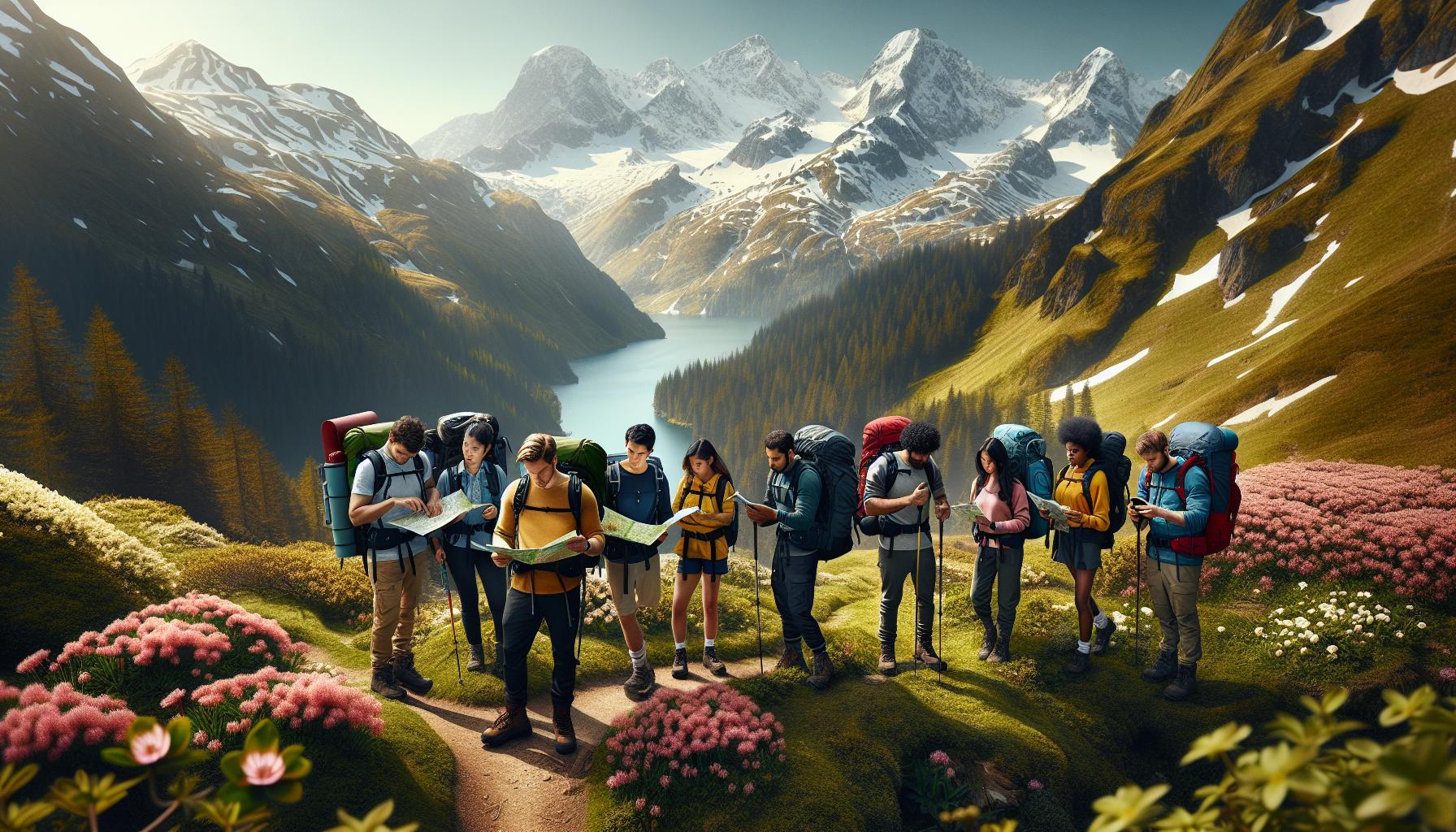
Choosing the Right Trekking Season for Your Trip
Planning your trekking adventure in Nepal? Choosing the right season is crucial for experiencing the majestic mountains at their best. The trekking seasons typically break down into two main windows: pre-monsoon (spring) and post-monsoon (autumn), each offering distinct advantages depending on your preferences.
Best Times for Trekking
Spring (March to May): This season bursts with life as flowers bloom, particularly the bright rhododendrons that paint the hillsides. Temperatures are generally mild, with daytime highs between 15°C to 20°C (59°F to 68°F) in many popular trekking areas. The skies are usually clear, providing excellent visibility of the Himalayas. However, as you move into late spring, the weather can heat up, and the trail might get busier leading into the peak tourist season.
Autumn (September to November): After the monsoon rains have cleared, autumn presents some of the best conditions for trekking. The air is crisp, and the weather is stable, making it ideal for high-altitude treks. Expect temperatures to hover around 10°C to 15°C (50°F to 59°F) during the day but cool at night. This period attracts many trekkers, meaning the trails can get crowded, especially in renowned areas like Everest Base Camp and Annapurna Circuit.
Lesser-Known Seasons
While spring and autumn are the mainstream choices, don’t overlook winter (December to February) if you’re looking for solitude and dramatic, snow-covered landscapes. While trekking during winter is challenging due to cold temperatures and snow, certain lower-altitude treks can be incredibly rewarding and quiet. Just be prepared with the right gear, as temperatures can plunge.
Conversely, monsoon season (June to August) usually guarantees rain, which can lead to slippery trails and potential landslides. However, for the adventurous spirit, this season also brings lush, green landscapes and fewer tourists. Treks like the Ghorepani Poon Hill trek can be a great option for those willing to brave the rains, offering spectacular sunrise views when the clouds clear.
Conclusion
Ultimately, the best season for trekking in Nepal depends on what you want from your adventure. Are you seeking vibrant flora, fewer crowds, or are you ready to tackle the elements for extraordinary landscapes? Whatever your choice, preparing ahead of time will ensure you have an unforgettable trekking experience in the majestic Himalayas.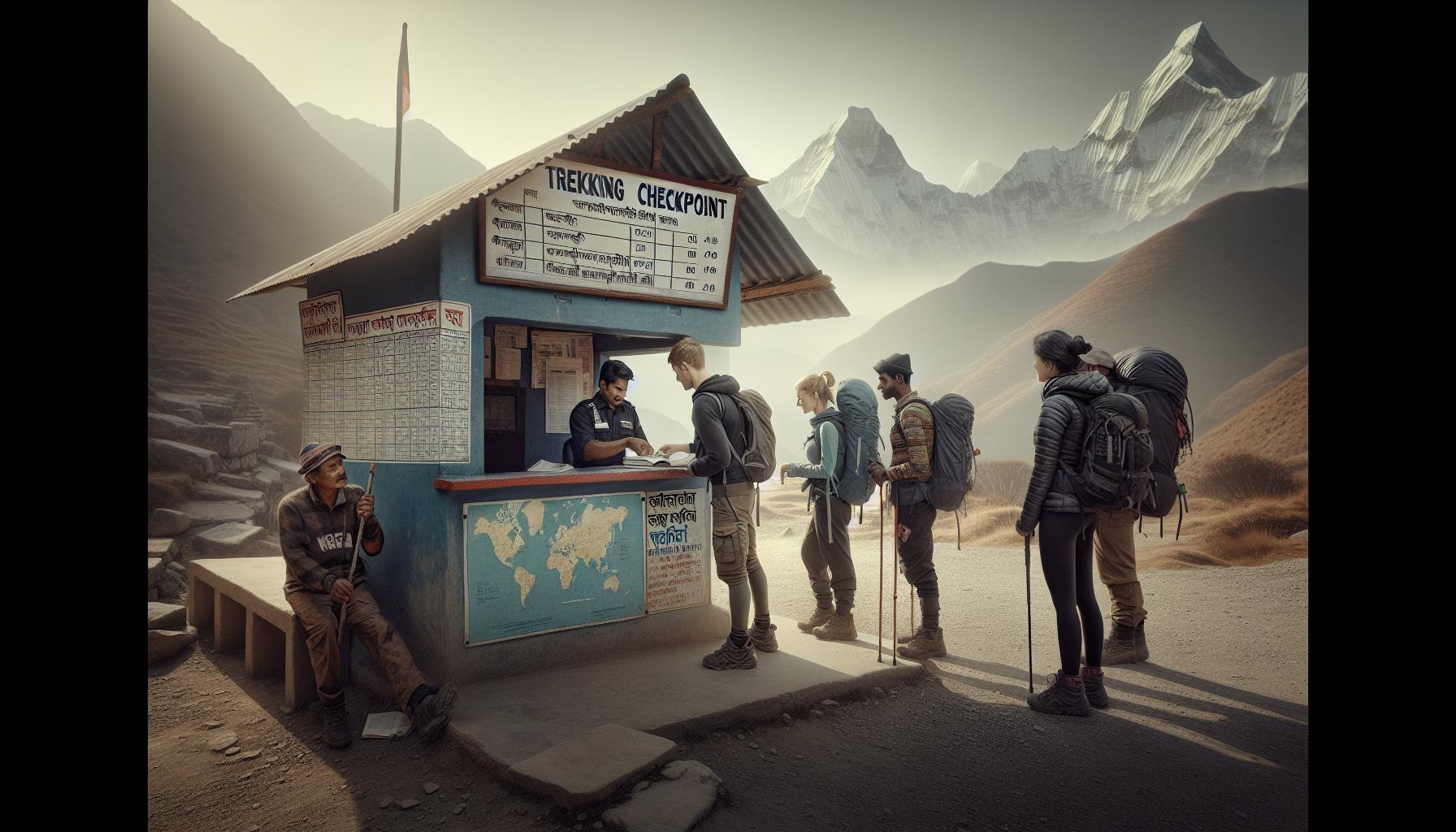
A Guide to Trekking Permits and Fees in Nepal
To trek in Nepal’s magnificent landscapes, traversing valleys and climbing majestic mountains, you’ll need to get familiar with the permit system. Navigating the various permits required can feel daunting at first, but understanding the essentials will enhance your trekking experience. Secure your permits in advance to ensure a smooth journey.
The first step is the TIMS Card (Trekkers’ Information Management System), required for most trekking regions. The TIMS Card costs approximately NPR 2,000 (around USD 20) for independent trekkers and NPR 1,000 (approximately USD 10) for those trekking with a guide or through an agency. It helps the authorities keep track of trekkers, ensuring safety and environmental protection.
For popular treks like Everest Base Camp and the Annapurna Circuit, additional area-specific permits are necessary. Here’s a quick overview:
| Region | Permit Type | Cost (NPR) |
|---|---|---|
| Everest | Sagarmatha National Park Permit | 3,000 |
| Annapurna | ACAP (Annapurna Conservation Area Permit) | 3,000 |
| Langtang | Langtang National Park Permit | 3,000 |
| Manaslu | Manaslu Conservation Area Permit | 2,000 |
In addition to these costs, it’s wise to have a contingency budget, as prices for food, accommodation, and additional services can vary significantly once you’re on the trails. Accommodations like tea houses often charge fees per night but may include meals, so check before committing.
It’s crucial to handle your permits ahead of time, especially during peak seasons like spring and autumn when the trails are busiest. Some agencies offer comprehensive packages that include permits and accommodations, making your life easier if that’s your style. Alternatively, if you prefer independence, you can acquire these permits at designated offices in Kathmandu or Pokhara.
Being well-prepared with your permits not only aligns with local regulations but also allows you to immerse yourself in the breathtaking natural beauty and rich cultural experiences that make trekking in Nepal unparalleled. Travel with awareness, enjoy the trails, and respect the local traditions as you embark on your Himalayan adventure!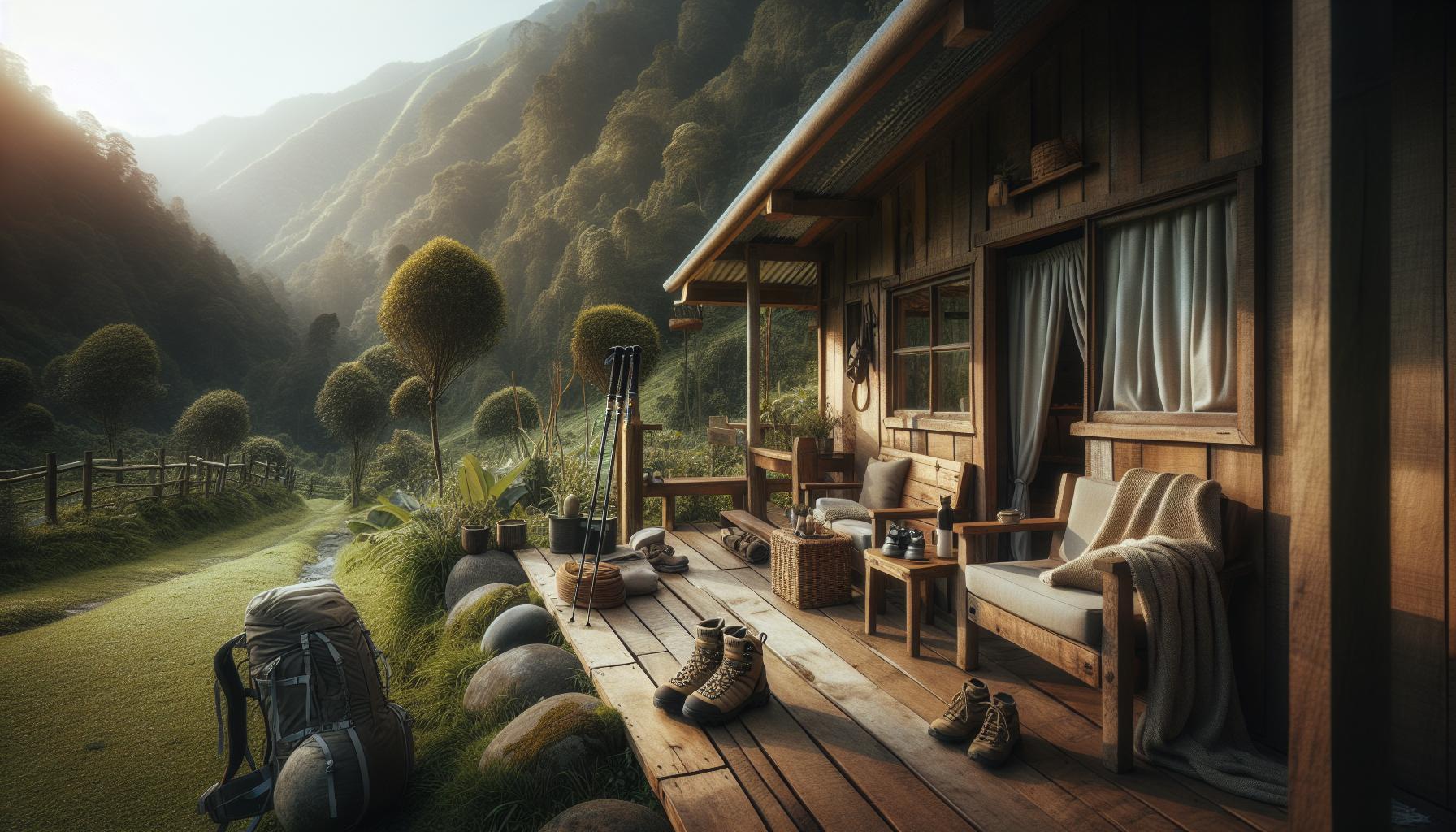
Top Accommodations for Comfort on Your Trek
Imagine finishing a long day of trekking in the stunning Himalayas, the sun setting behind the peaks, and stepping into a welcoming lodge where comfort awaits you. Finding the right accommodation can transform your trekking experience in Nepal from good to extraordinary. Whether you’re seeking the warmth of traditional tea houses or the luxury of upscale lodges, Nepal offers a range of cozy and inviting places to rest your head after a day of adventure.
Types of Accommodations
Most popular trekking routes, like the Everest Base Camp and Annapurna Circuit, have a mix of accommodations that cater to various budgets and preferences. Tea houses are the backbone of trekking hospitality in Nepal. These simple lodges provide basic amenities, often with the chance to share stories and meals with fellow trekkers. Prices can range from NPR 500 to NPR 1,500 (approximately USD 5 to 15) per night, depending on location and season.
For those seeking a notch up in comfort, look for guesthouses or lodges. These establishments often offer private rooms, hot showers, and even Wifi. Expect to pay between NPR 1,500 and NPR 4,000 (USD 15 to 40) per night. If you’re willing to splurge, check out luxury lodges in places like Namche Bazaar or Ghorepani, where amenities can include en-suite facilities, gourmet dining, and stunning views of the Himalayas. Prices here can soar up to NPR 10,000 (USD 100) or more per night, but the experience is unparalleled.
Essential Considerations
When choosing accommodations, consider factors like location, amenities, and reviews. If you’re trekking during peak seasons (spring and autumn), booking ahead can save you from the hustle of finding a place when everything is full. Many trekkers prefer to stay at lodges that offer meal services, which can significantly ease the logistical burden of finding food after a long day on the trails. Most tea houses provide hearty, local cuisine like dal bhat (rice and lentil soup), which not only nourishes but also fuels your adventures.
Check for hygiene and sanitation practices, especially when it comes to shared bathrooms. It can also be helpful to learn a few basic Nepali phrases to connect with the locals who run these accommodations. Building rapport can lead to better experiences and even special insights into the culture and traditions of the region.
By planning your stay thoughtfully, you can ensure that your nights in Nepal match the epic days spent wandering through some of the most breathtaking landscapes on Earth. Whether you go rustic or indulge, the right accommodations will enhance your trekking experience, allowing you to recharge and reflect on the incredible journeys you’ve undertaken in the heart of the Himalayas.
Cultural Insights: Meet the Locals on Your Journey
Experiencing Nepal’s trekking routes offers more than just breathtaking views; it opens a door to immerse yourself in the vibrant and diverse cultures of the local communities. As you trek through villages nestled in the Himalayas, you have the opportunity to meet the resilient Sherpas, who have adapted to the demanding mountain lifestyle while retaining their rich cultural heritage. Engage with the locals, share a meal of traditional dishes like momos (dumplings) and dal bhat, and gain insights into their daily lives, which revolve around agriculture, animal husbandry, and tourism.
The power of local connections cannot be overstated. Building rapport with community members can lead to unique experiences, whether it’s participating in a local festival, learning traditional handicrafts, or even joining in a family gathering. Many villages offer opportunities for homestays; this is a fantastic way to experience authentic Nepali hospitality while supporting the local economy. Staying with a family not only enriches your journey but also helps you forge deeper connections with the land and its people.
It’s important to approach these interactions with respect and sensitivity. Learning a few basic Nepali phrases can go a long way in showing your appreciation and willingness to engage, and it often puts a smile on the faces of your hosts. Asking questions about local customs or stories behind certain landmarks demonstrates your genuine interest and can lead to enriching conversations. Understanding cultural practices, such as visiting monasteries and respecting local religious symbols, further deepens your cultural experience during the trek.
In addition, be mindful of the environmental and cultural impact of your presence. Support local artisans by purchasing handmade crafts rather than mass-produced items, and follow the principle of leaving no trace as you hike through these stunning landscapes. By embracing local customs and engaging with the community, your trek in Nepal can transform from a simple adventure into a journey of shared human experiences, all while creating lasting memories that highlight the warmth and hospitality of the Nepali people.
Safety Tips for Trekking in the Himalayas
Trekking in the majestic Himalayas is an experience like no other, offering breathtaking landscapes and intimate encounters with Nepal’s rich cultural tapestry. However, the mountains can be both awe-inspiring and challenging. Prioritizing safety during your trek is crucial, not just for your well-being but also for a memorable adventure. Here are essential tips to enhance your safety and enjoyment on the trails.
Acclimatization Is Key
One of the most critical factors to consider when trekking in high altitudes is acclimatization. The Himalayas, with peaks soaring over 8,000 meters, can bring on altitude sickness if you ascend too quickly. Make sure to plan your route with gradual ascent in mind. A common recommendation is to ascend no more than 300-500 meters (1,000-1,600 feet) per day above 3,000 meters (9,800 feet) and spend extra days at key elevations to allow your body to adjust. Stay alert for symptoms of altitude sickness, such as headaches, nausea, and dizziness; if you experience these, descend immediately.
Stay Hydrated and Nourished
Dehydration is a hidden enemy that can sneak up on trekkers in the dry Himalayan air. Carry adequate water with you, and aim to drink at least 3-4 liters a day, especially when ascending. Using a water purification method-such as tablets or a filter-is essential for safe drinking water. Alongside hydration, maintaining a balanced diet will provide the energy you need. Pack high-energy snacks like nuts, trail mix, or energy bars, and indulge in hearty meals at teahouses, which often serve delicious local fare.
Know Your Limits
Understanding your physical limits is crucial while trekking, whether you’re a seasoned hiker or a novice. Each trekker has their unique pace and endurance level. Don’t hesitate to take breaks, and don’t feel pressured to keep up with others. Listen to your body. If you’re feeling fatigued or unwell, it’s always better to turn back than to push on at the expense of your health.
Travel Insurance and Emergency Plans
Before you set off, invest in travel insurance that covers trekking at high altitudes. Look for policies that provide emergency evacuation, as you may need assistance in case of an injury or severe altitude sickness. Pack essential items like a first aid kit equipped with blister treatment, pain relievers, and altitude sickness medications. Also, familiarize yourself with local emergency contacts and know the locations of medical facilities along your route.
Follow Local Guidelines
Respecting local guidelines not only enhances your safety but also enriches your cultural experiences. Always adhere to local regulations regarding trekking permits and national park rules. When trekking in remote areas, consider hiring a local guide who knows the trail well and can navigate challenges effectively. Guides also share insights that enhance your understanding of the region and its people, making your adventure even more rewarding.
By keeping these vital safety tips in mind, you can focus on the stunning beauty around you, ensuring that your journey through the Himalayas is both safe and unforgettable. Remember, the mountains are a place to explore and enjoy, so you want to experience every moment fully and safely!
Family-Friendly Treks: Adventures for All Ages
The breathtaking landscapes of Nepal invite adventurers of all ages, making it an ideal destination for family-friendly trekking experiences. Imagine walking through lush green hills, crossing charming stone bridges, and encountering friendly locals, all while soaking in the majestic views of the Himalayas. With numerous treks suitable for families, everyone from toddlers to grandparents can find a route that fits their pace and comfort level.
Top Family-Friendly Treks
When planning a trek with kids or elderly family members, it’s essential to select routes that are manageable and enjoyable. Here are a few popular options:
- Ghorepani Poon Hill Trek: This trek is one of the most accessible and rewards hikers with stunning sunrise views over Annapurna. The journey usually takes 4-5 days, making it manageable for families, with plenty of opportunities to stop at teahouses along the way.
- Langtang Valley Trek: A bit longer at around 7-9 days, this route offers a diverse range of landscapes and cultural encounters with Tamang communities, making it a great educational experience for children.
- Shivapuri Heights Trek: Perfect for short excursions, this day trek can be completed in just a few hours and provides a refreshing escape from Kathmandu with easy trails and beautiful scenery.
Planning Essentials
While the adventure awaits, thorough preparation is key to ensuring a fun-filled trek for the whole family. Here are some tips to keep in mind:
- Start Early: Beginning your trek early not only helps avoid crowds but also allows for cooler temperatures, making your hike more comfortable.
- Pace Yourself: Kids and older adults may not have the same endurance as seasoned trekkers, so plan for plenty of breaks to hydrate, snack, and simply enjoy the surroundings.
- Pack Smart: Carry essential items such as extra layers for warmth, snacks, and a first aid kit. Walkie-talkies can also be helpful for maintaining communication, especially if the group splits up for a short while.
Engaging Activities Along the Trail
Enhance the trekking experience by incorporating activities that are engaging for younger family members:
- Wildlife Spotting: Keep an eye out for the unique flora and fauna of the Himalayas. Kids love spotting different birds or even the occasional monkey.
- Cultural Interactions: Take the opportunity to meet local families, try authentic Nepali dishes, and learn about their lifestyles, creating memorable stories to share.
- Photography Challenges: Hand kids a camera or smartphone and encourage them to document the journey, cultivating their creativity and making them more involved in the adventure.
By choosing the right trek, preparing strategically, and fostering engaging experiences, families can create lasting memories against the stunning backdrop of Nepal’s diverse terrain. Each step promises an adventure that inspires curiosity and a love for nature in travelers of all ages.
Solo Trekking: Empowering Your Journey
Imagine standing on a mountain pass, with the snow-capped peaks of the Himalayas piercing the sky around you, and the only sound is the soft whisper of the wind. Solo trekking in Nepal allows you to embrace this moment of solitude and connect deeply with nature while discovering your own limits and strengths. It’s a transformative experience, empowering you to navigate the beautiful landscapes and cultural richness of this extraordinary country on your terms.
Before you embark on your solo adventure, there are some key preparations to consider. Packing light yet effectively is essential. Here’s a quick checklist of what to bring:
- Portable Power Banks: Keep your devices charged for navigation and photos.
- Multi-Tool: A handy gadget for unexpected situations.
- Warm Clothing: Layering is vital given the variable climates in the mountains.
- First Aid Kit: Always good to have for minor emergencies.
Make sure to familiarize yourself with essential trekking permits and fees as you plan your route. For instance, the Annapurna Conservation Area Permit (ACAP) and the Trekkers’ Information Management Systems (TIMS) are crucial for many popular trails. They not only ensure your safety but also help preserve the natural beauty of these regions.
Safety is paramount when trekking solo, and keeping a few travel hacks in mind can help. Always share your itinerary with a trusted friend or family member, and consider using GPS tracking apps like Maps.me and AllTrails for real-time navigation. Staying in local lodges or guesthouses not only supports the economy but also provides opportunities to connect with fellow travelers and locals. Many of them have rich stories and insights that can enhance your journey.
Finally, each trek offers unique highlights to discover; from the ancient monasteries of the Langtang Valley to the vibrant culture of the Ghorepani Poon Hill region, the options are endless. Take time to immerse yourself and reflect on your journey. Solo trekking in Nepal isn’t just about reaching the destination; it’s about the journey, the lessons learned, and the stories you will carry back home.
Luxury vs. Budget Trekking: Making The Right Choice
In the breathtaking landscapes of Nepal, your trekking experience can vary dramatically based on your budget and preferences. Whether you’re a budget-conscious adventurer or someone seeking luxury and comfort, understanding the nuances of your choices can greatly enhance your journey through the Himalayas. Imagine waking up to the sounds of nature and stepping out of your cozy lodge to view the majestic peaks, or, instead, roughing it out in dorm-style accommodations surrounded by fellow trekkers sharing stories and tips. Both experiences offer distinct yet fulfilling viewpoints of this beautiful region.
For those leaning towards a budget trekking adventure, the key is to embrace simplicity and camaraderie. Hostels and tea houses offer affordable lodging and meals, allowing you to connect with fellow travelers while relishing authentic local cuisine. You might spend as little as $20 to $35 per day, which covers accommodation, basic meals, and necessary permits. Popular trails like the Ghorepani Poon Hill and Langtang Valley are ideal choices, offering well-trodden paths with adequate support and affordable lodging. However, be prepared for shared facilities and basic amenities, which, while cozy, might not provide the same level of privacy.
On the other hand, if you opt for a luxury trekking experience, expect to enjoy the stunning landscapes with a touch of elegance. Luxurious lodges and resorts are available along popular routes, such as the Annapurna Base Camp and Everest Base Camp treks, where you can savor gourmet meals and enjoy private rooms with stunning views. Costs can rise significantly, often ranging from $150 to $500 per day, depending on your comfort level and the services included, such as guided tours and transport. Luxury trekking can provide perks like hot showers, sumptuous meals, and even spa treatments post-trek, creating an unforgettable experience that merges adventure with comfort.
Ultimately, your choice between luxury and budget trekking should align with your travel style, interests, and expectations. Consider what aspects of the trek are most important to you: is it the journey and experiences shared with fellow trekkers or the charming luxury that awaits after a long day on the trail? Both paths teach you about the rich culture and heritage of Nepal, offering unique experiences that will shape your adventure and create lasting memories. Choose wisely, and let the mountains guide you!
Must-See Highlights Along Popular Trekking Trails
There’s a reason why Nepal is often referred to as the trekking capital of the world; its trails weave through some of the most breathtaking scenery on the planet. From soaring mountain peaks to lush valleys, the landscapes you’ll traverse are as varied as they are awe-inspiring. Here are the must-see highlights along popular trekking routes in Nepal, each promising unforgettable experiences.
1. Annapurna Circuit
The Annapurna Circuit is a classic trekking route that offers a stunning range of landscapes, from lush subtropical forests to high-altitude deserts. Key highlights include:
- Manang Valley: Marvel at the pristine beauty of this alpine oasis and learn about local culture. The village is ensconced by towering peaks, yet offers the comfort of tea houses and local shops.
- Thorong La Pass: At 5,416 meters, this is one of the highest trekking passes in the world. The view from here is nothing short of spectacular, a panoramic panorama of the Annapurna range.
2. Everest Base Camp Trek
This trek is not just a journey to a base camp; it’s a pilgrimage for adventure seekers. Key spots to note are:
- Kala Patthar: This peak offers the best vantage point to see Everest in all its glory at sunrise. The sight is breathtaking, with the mountain bathed in golden light.
- Namche Bazaar: Often referred to as the gateway to Everest, this bustling Sherpa town is a hub of culture and trade, where you can rest, acclimatize, and enjoy local delicacies.
3. Langtang Valley Trek
Less crowded than the aforementioned trails, the Langtang Valley trek presents serene natural beauty alongside fascinating cultural encounters:
- Kyanjin Gompa: This ancient monastery sits at the foot of majestic peaks and serves as a spiritual gateway. The area is perfect for soaking in the tranquility and indulging in some local yogurt, known as “dahi.”
- Ganja La Pass: For the adventurous spirit, this high pass presents a thrilling challenge and stunning views of the surrounding snow-capped mountains.
4. Ghorepani Poon Hill Trek
Ideal for beginners and families, this trek is short yet packed with incredible scenery:
- Poon Hill Viewpoint: Renowned for its sunrise views, the early morning hike to Poon Hill is rewarded with a breathtaking horizon of the Annapurna and Dhaulagiri ranges.
- Ghorepani Village: A picturesque village where you can get a glimpse of the local Gurung culture and taste traditional dishes.
Your trekking adventure through Nepal will undoubtedly be filled with memorable highlights, each offering insights into the rich culture and natural wonders of this remarkable region. Whether you’re climbing high passes, resting in vibrant villages, or drinking in breathtaking views, each step will deepen your appreciation for the enchanting beauty of the Himalayas.
Mapping Your Adventure: Essential Apps and Resources
In the age of smartphones and apps, mapping your trek across the breathtaking landscapes of Nepal has never been easier. With various resources at your fingertips, you can ensure a smooth and enriching trekking experience. Before you set off on your Himalayan adventure, consider downloading a few essential apps that cater to navigation, language, and local culture, enhancing your overall journey.
Navigation and Mapping Apps
When it comes to exploring the vast trekking routes, reliable maps are crucial. Here are a few apps that can significantly aid in your navigation:
- Maps.me: This offline map application provides accurate, detailed maps specifically tailored for trekking routes. You can download entire areas before your trip, ensuring you won’t get lost even in remote regions with limited internet connectivity.
- AllTrails: With curated trail maps and user reviews, AllTrails helps you discover new routes along with trail conditions and difficulty levels. You can also track your progress using GPS while you hike.
- Komoot: Known for its user-friendly interface, Komoot offers personalized route planning for trekking. It includes essential information about terrain types and elevation changes, which can be particularly beneficial when preparing for high-altitude hikes.
Language and Culture Apps
Cultural encounters are a highlight of any trek in Nepal. To help bridge the language gap and enhance your interactions with locals, try these apps:
- Google Translate: While you may already be familiar with it, Google Translate can facilitate conversations with locals. Its offline feature allows you to use it without internet access-a lifesaver in remote areas.
- Duolingo: If you’re keen to learn a few phrases in Nepali before embarking on your trip, Duolingo makes language learning fun and engaging. A bit of local language can go a long way in connecting with the people you meet.
Planning and Information Resources
For comprehensive trip planning, consider these resources:
- Trekking in Nepal (Guidebooks): While not an app, investing in a good trekking guidebook is invaluable. Books like those from Lonely Planet or Trekking the Annapurna Circuit offer insights into routes, accommodations, and cultural etiquette.
- Local Tourism Websites: Familiarize yourself with local tourism boards and websites, as they provide essential updates on trekking permits, safety advisories, and seasonal tips. Information from these sources can prove incredibly useful for your journey.
With these tools in hand, you’ll not only navigate Nepal’s stunning trails with confidence but also immerse yourself in its rich culture, making your trekking adventure truly unforgettable. Embrace the journey, connect with nature and locals alike, and deport as not just a traveler but a cherished guest of the Himalayas.
Faq
Q: What is the best time to trek in Nepal for beginners?
A: The best time for beginners to trek in Nepal is during pre-monsoon (March to May) and post-monsoon (September to November). These months offer stable weather, moderate temperatures, and stunning mountain views. Plan around these seasons for a comfortable trekking experience.
Q: How should I choose a trekking route in Nepal?
A: To choose a trekking route in Nepal, consider your fitness level, time availability, and interests. Popular routes like the Annapurna Circuit and Langtang Valley cater to various skill levels. Research trails and consult trekking experts to find the best fit for you.
Q: Are there guided trekking options available in Nepal?
A: Yes, guided trekking options are widely available in Nepal. Hiring a local guide can enhance your experience with valuable insights into the culture, terrain, and safety. Explore different trekking companies that offer packages tailored to your adventure level.
Q: What essential permits do I need for trekking in Nepal?
A: Trekking in Nepal requires specific permits, such as the Trekkers’ Information Management System (TIMS) card and National Park permits, depending on the region. Ensure you secure the necessary paperwork in advance for a hassle-free experience.
Q: What should I pack for a trekking adventure in Nepal?
A: Pack essential gear such as sturdy hiking boots, layered clothing, and a good sleeping bag. Also, include a first-aid kit, water purification tablets, and snacks. Refer to the essential gear section in your article for a detailed checklist.
Q: How much does a trekking trip in Nepal typically cost?
A: A trekking trip in Nepal varies in cost based on duration and accommodations, generally ranging from $20 to $100 per day. Budget treks may cost less, while luxury options can be significantly higher. Consider your preferences and research thoroughly.
Q: Is it safe to trek solo in Nepal?
A: Trekking solo in Nepal can be safe, especially on popular routes, but it’s essential to plan ahead. Stay aware of your surroundings, keep emergency contacts, and ensure you’ve acquired the necessary permits. Consider our solo trekking section for tips on empowering your journey.
Q: What are some health tips for trekking in the Himalayas?
A: To maintain health while trekking in the Himalayas, stay hydrated, acclimatize gradually, and consume nutritious food. Be aware of signs of altitude sickness, and don’t hesitate to descend if you feel unwell. Follow safety tips outlined in your article for a smoother experience.
Final Thoughts
Ready to embark on your unforgettable Nepal trekking adventure? With trails that cater to all levels, from breathtaking views of the Himalayas to cultural experiences that immerse you in local traditions, there’s something for everyone. Don’t miss the idyllic seasons of spring and autumn for the best trekking conditions-plan now for a journey that promises to be both exhilarating and transformative!
Explore our detailed guides on essential trekking gear and must-see Nepali attractions to ensure you’re fully prepared. Whether you’re looking for family-friendly routes or more challenging treks, we have resources tailored just for you. Join our newsletter for insider tips, travel deals, and updates to enrich your adventure and keep you connected.
Your Himalayan trek awaits! Click through to learn about the best accommodation options, and start planning your dream trip today. Share your thoughts and experiences in the comments below, and let’s inspire each other to wander further into the stunning landscapes of Nepal!
Get our latest guides, news, and insights highlighted in your Google Search & AI Overviews.


