
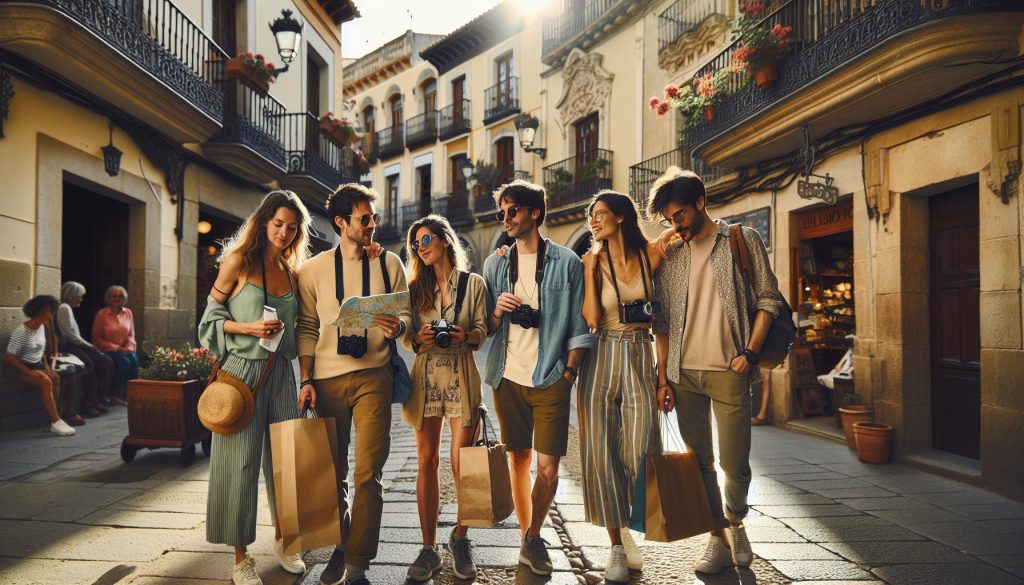
Dreaming of the perfect getaway? Spain offers a mosaic of rich history, vibrant culture, and breathtaking landscapes, making it a top destination for adventurers and leisure travelers alike. Our “Spain Trip Itinerary: 10 Days of Unforgettable Adventures” is designed to guide you through a carefully curated journey across this enchanting country-whether you’re a first-time visitor or a seasoned traveler looking to uncover hidden gems.
From the sun-drenched beaches of Costa del Sol to the artistic streets of Barcelona, this itinerary not only highlights must-see spots but also provides practical tips to navigate each destination with ease. You’ll discover vibrant marketplaces, indulge in world-renowned cuisine, and immerse yourself in the passionate rhythm of Spanish life. So pack your bags and get ready-you’re about to embark on an extraordinary adventure filled with unforgettable memories. Let’s dive into the wonders of Spain together!
Essential Tips for Planning Your Spain Trip
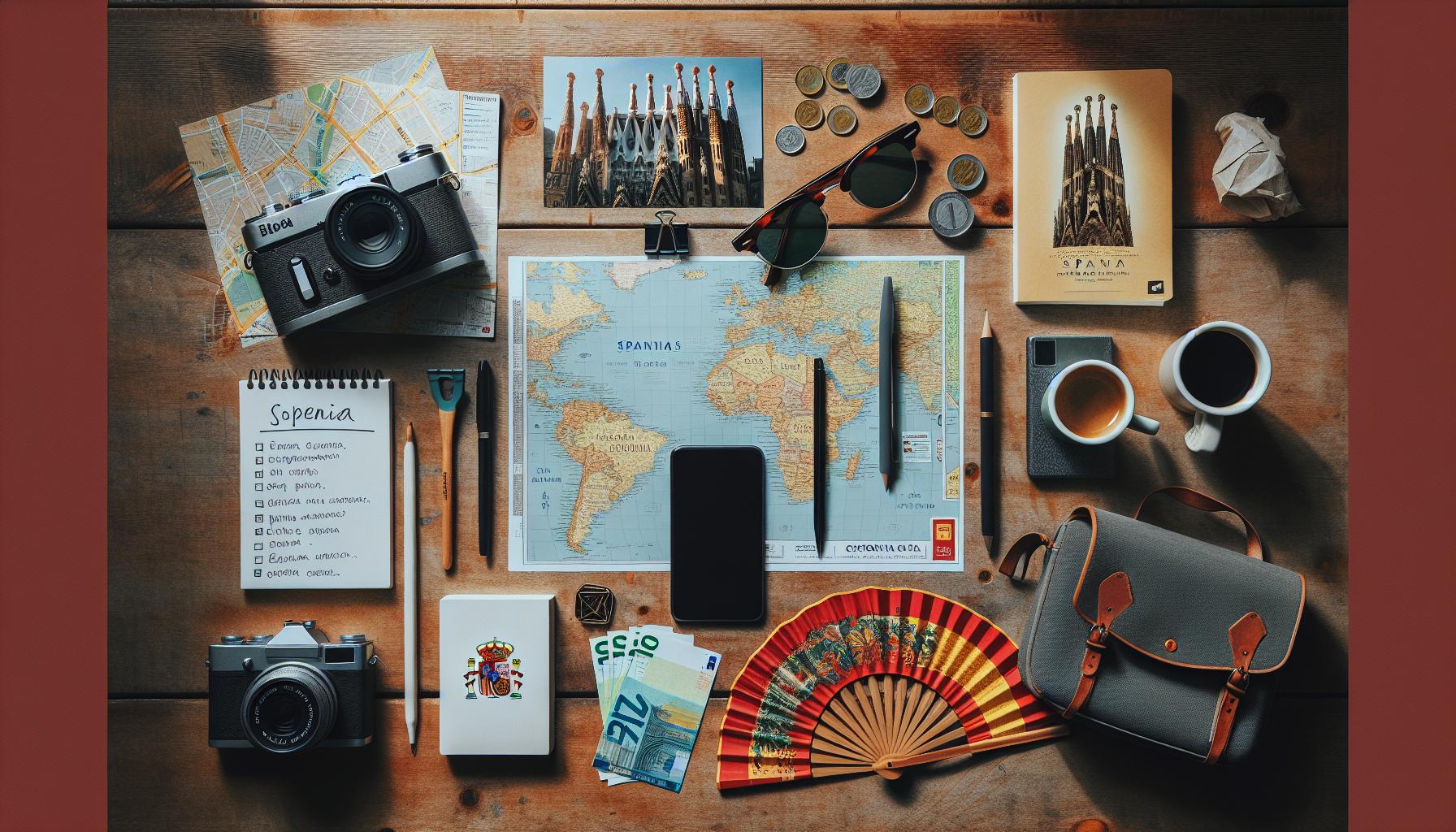
Planning a trip to Spain can feel as exciting as it is daunting. With its rich tapestry of culture, stunning landscapes, and mouth-watering cuisine, you’ll want every detail to be just right. To navigate through this enchanting country without hassle, arm yourself with these essential tips that can turn your adventure into an unforgettable experience.
One key tip is to time your visit wisely. Spain’s peak tourist seasons generally fall in the summer months of June to August and during major festivals. Consider traveling in the shoulder seasons of spring (March to May) or fall (September to October) for milder weather and fewer crowds. This also means better accommodation rates, allowing you to stretch your budget further.
Understanding Transportation
Getting around Spain is efficient yet can be a bit overwhelming at first. The country boasts an extensive train network, making intercity travel a breeze. Opt for high-speed trains (Renfe) to save time-Madrid to Barcelona can be reached in under three hours. For local exploration, use public transportation options such as buses and metros, particularly in larger cities like Barcelona and Madrid. It’s a cost-effective and authentic way to experience daily life.
Accommodations: Where to Stay
Spain offers diverse accommodation options, ranging from luxury hotels to charming hostels and vacation rentals. Consider staying in centrally located neighborhoods for easy access to attractions. In Barcelona, the Gothic Quarter is packed with character, while in Madrid, the Malasaña district provides a trendy vibe. Use reputable platforms for reviews and bookings, ensuring you choose places that fit your travel style and budget.
Local Customs and Etiquette
Understanding cultural nuances can enhance your travel experience. Spaniards typically have dinner late, often not until 9 PM or even later. Adjust your meal times accordingly! It’s also polite to greet with a friendly “hola” and thank your hosts with a “gracias”. Lastly, when dining in restaurants, tipping is appreciated but not mandatory-around 5-10% is a generous gesture.
By preparing with these tips, you can dive headfirst into your Spanish adventure, making the most of every moment. Enjoy the journey, from the culinary delights to breathtaking sites, ensuring each day is nothing short of memorable.
Top Destinations to Explore in 10 Days
Spain is a treasure trove of vibrant cities, rich history, and stunning scenery, making it a perfect destination for an unforgettable 10-day adventure. Imagine soaking in the sun on the sandy beaches of Barcelona, exploring the regal palaces of Madrid, and tasting the culinary delights of Seville. Each corner of this beautiful country offers unique experiences that will capture your heart and enhance your journey.
Start your exploration in Barcelona, where the architectural genius of Antoni Gaudí will dazzle you. Don’t miss the iconic Sagrada Familia and take a leisurely stroll through Park Güell for panoramic views of the city. The trendy El Born neighborhood is perfect for sampling tapas and enjoying the local atmosphere. Spend at least three days here to truly soak it all in.
Next, hop on a high-speed train to Madrid, the bustling capital city. Explore the magnificent Royal Palace, visit the world-renowned Prado Museum, and unwind in the Retiro Park. Madrid’s vibrant nightlife is another highlight; head to La Latina for tapas or Malasaña for a more eclectic vibe. A two to three-day stay will give you a good rhythm of this energetic city.
From Madrid, take a day trip to Toledo, known for its medieval architecture and stunning views. Spend time wandering its narrow streets and visiting the impressive Toledo Cathedral. Alternatively, journey south to Seville, famous for flamenco dancing and the stunning Alcázar Palace, a UNESCO World Heritage site. Three days in Seville allows for exploration of its beautiful plazas and the opportunity to experience a genuine flamenco show.
As you wrap up your trip, consider visiting the Andalusian countryside or the serene beaches of the Costa del Sol. Places like Ronda offer breathtaking landscapes and charming village life, while the beach bars of Marbella are perfect for unwinding after a busy itinerary.
In just 10 days, you can traverse an exquisite array of sites, activities, and flavors while diving deep into the heart of Spain’s culture. Whether you prefer art, adventure, or gastronomy, this itinerary embraces all aspects of this enchanting country, ensuring your journey will be nothing less than remarkable.
A Day-by-Day Guide to Your Itinerary
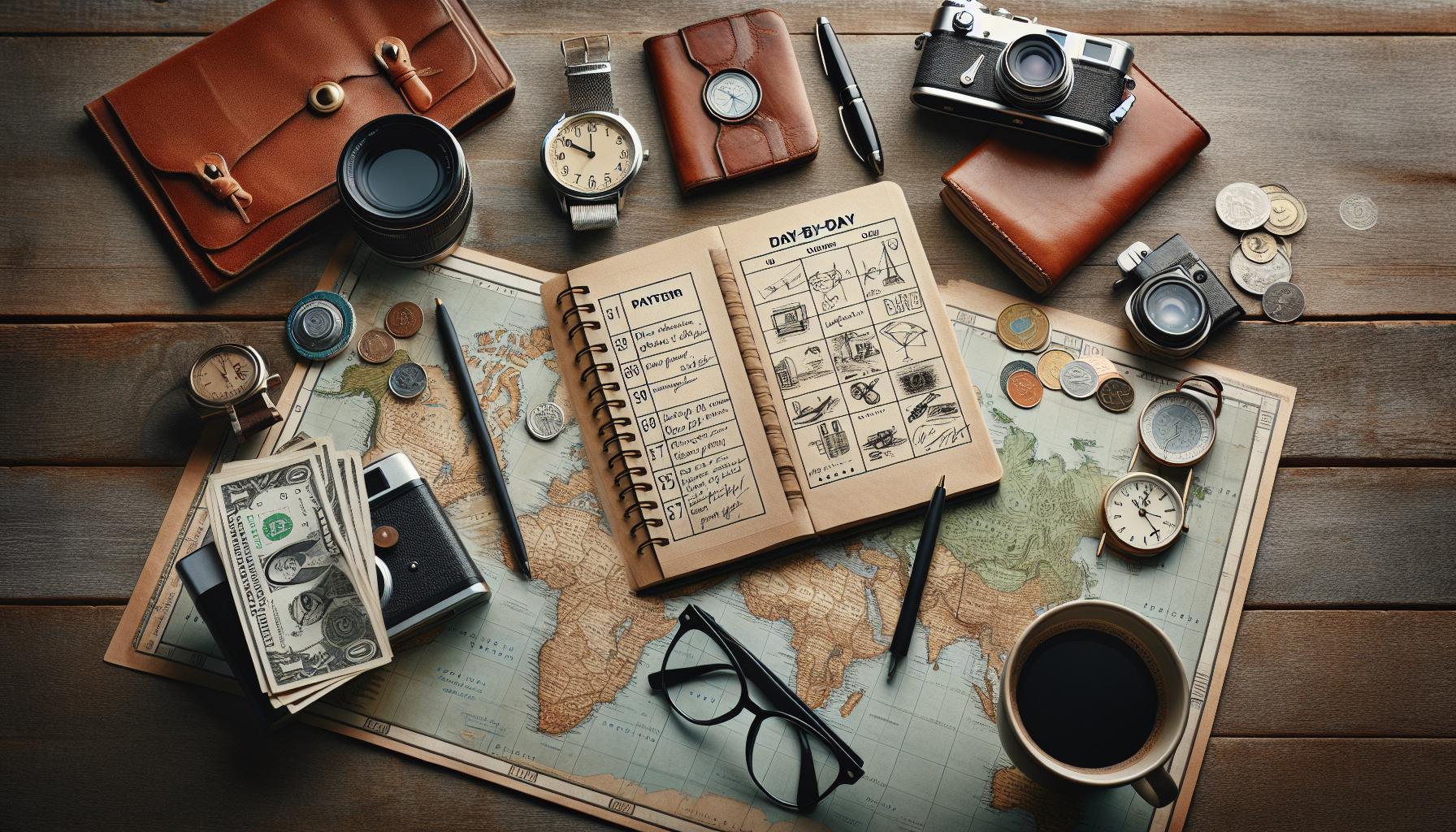
Imagine waking up in a city alive with energy, history, and culture each day for ten days. Spain’s vibrant spirit welcomes you as you embark on an adventure that takes you through stunning cities filled with art, architecture, and culinary experiences. Here’s your day-by-day breakdown to make the most of your exciting journey through Spain.
Days 1-3: Barcelona
Start your trip in Barcelona, dedicating three days to explore this captivating city. On Day 1, settle into your accommodation and then head to La Sagrada Familia for an awe-inspiring view of Gaudí’s masterwork. Follow this with a stroll through Park Güell, soaking in the colorful mosaics and panoramic views. In the evening, indulge in tapas at a local bar in the El Born district.
On Day 2, dive deeper into Barcelona’s culture. Visit the Picasso Museum to appreciate early works of the iconic artist, then wander through Gothic Quarter‘s narrow streets for hidden gems. In the afternoon, consider a visit to Casa Batlló and Casa Milà to see more of Gaudí’s architectural brilliance. Wrap up the day with a sunset walk along La Barceloneta, the beachside promenade.
On your final day, take a morning trip to Montjuïc Hill. Explore the Montjuïc Castle and relax at the Magic Fountain. For a leisurely afternoon, consider shopping at La Rambla. In the evening, feast on seafood paella or try some of the local vermouth at a cozy bodega.
Days 4-6: Madrid
On Day 4, travel from Barcelona to Madrid via a high-speed train-an easy journey that will have you in the capital in about 3 hours. Check into your hotel before heading to the Royal Palace for a peek into royal history. Spend your evening enjoying a culinary adventure in La Latina district known for its vibrant tapas bars.
Day 5 has you immersing yourself in Madrid’s artistic treasures. Start at the Prado Museum, where you’ll find classic masterpieces by Velázquez and Goya. After lunch, visit Retiro Park for a relaxing walk or a paddleboat ride. As dusk falls, explore Malasaña, a district famous for its eclectic vibe and nightlife, with bars and cafes bursting with character.
Your third day in Madrid, Day 6, is perfect for a day trip to Toledo. Just a short train ride away, this medieval city offers stunning architecture and rich history. Don’t miss the Toledo Cathedral and the Alcázar. Return to Madrid for dinner, perhaps trying the city’s famous churros with chocolate at San Ginés.
Days 7-10: Seville and Andalusia
On Day 7, pack up and board a train to sunny Seville, about two and a half hours away. Spend your first day visiting the stunning Alcázar Palace and the iconic Seville Cathedral. Climb the Giralda bell tower for spectacular city views, then relax at your accommodation before enjoying your evening at a flamenco show in Triana, known for its flamenco heritage.
Your second day in Seville, Day 8, is an opportunity to dive into the charming Santa Cruz neighborhood, with its labyrinthine streets and vibrant flowers. Don’t miss a stop at Metropol Parasol for a unique architectural experience and some local snacks at nearby markets.
On Day 9, consider a day trip to Ronda or the quaint white villages of Andalusia like Mijas or Grazalema. This region boasts breathtaking landscapes, perfect for a scenic hike or simply enjoying the small-town serenity.
Finally, on Day 10, wrap up your Spanish adventure back in Seville or head to Costa del Sol for some relaxation time by the beach. Enjoy your last day soaking in the sun, reflecting on your unforgettable journey through Spain and indulging in some last-minute shopping or dining before heading to the airport.
This itinerary not only balances culture, history, and leisure but also provides ample opportunities for unforgettable experiences, whether you are an art enthusiast, a foodie, or simply a lover of beautiful sights!
Must-See Attractions in Barcelona
Barcelona is a city pulsating with creativity, history, and striking beauty, making it an unmissable stop on your Spanish adventure. As you wander through this vibrant metropolis, you’ll encounter an array of magnificent attractions that showcase its rich cultural tapestry and architectural marvels. Here’s a guide to the must-see spots that will make your visit unforgettable.
La Sagrada Familia
No trip to Barcelona is complete without marveling at Gaudí’s iconic La Sagrada Familia. This basilica, with its intricate facades and towering spires, is a UNESCO World Heritage site and a testament to the architect’s imagination. To avoid long lines, consider buying your tickets online in advance, and aim for a morning visit to enjoy the magical light filtering through its colorful stained glass windows. The best time to go is during weekdays, especially outside of peak summer.
Park Güell
Next, immerse yourself in the enchanting landscape of Park Güell, another of Gaudí’s masterpieces. This public park is famed for its colorful mosaics and whimsical designs, offering stunning views of the city. Enter the monumental zone early in the day to explore its captivating structures, like the dragon staircase, before the crowds arrive. It’s an excellent spot for photography, so bring your camera to capture the colorful tiles and sprawling vistas.
Gothic Quarter
Strolling through the Gothic Quarter (Barri Gòtic) is like stepping back in time. Wander the narrow, winding streets where medieval buildings whisper tales of centuries past. Be sure to visit the awe-inspiring Barcelona Cathedral and the Plaça del Rei. Enjoy a coffee at a local café, and don’t miss the chance to explore the hidden squares that offer a glimpse of local life. This area is perfect for those looking to indulge in leisurely exploration, blending history with modern-day charm.
Casa Batlló and Casa Milà
To experience Gaudí’s residential architecture, visit Casa Batlló and Casa Milà (La Pedrera), both masterpieces that showcase his unique style. Casa Batlló, with its dragon-like roof and bone-like balconies, tells the story of human evolution in its design. Meanwhile, Casa Milà’s undulating stone facade is just as captivating. Both buildings offer guided tours, which provide deeper insights into Gaudí’s vision and methodologies.
Montjuïc
For breathtaking views of Barcelona, turn your attention to Montjuïc. This hill is home to several attractions, including the Montjuïc Castle, a fortress that offers panoramic views of the city and the sea. Take the funicular up and explore the beautiful gardens and museums, like the National Art Museum of Catalonia (MNAC). If you can, catch the Magic Fountain show in the evening for a spectacular display of light and music-a perfect way to end a day of exploration.
Tips for Your Visit
- Timing: Visit popular attractions in the early morning or late afternoon to beat the crowds.
- Transportation: Use the efficient Metro system or walk to soak up the local atmosphere.
- Local Eats: Don’t forget to try local delicacies like churros with chocolate and tapas as you explore the city.
Each of these attractions opens a window into Barcelona’s rich culture and history, ensuring that your adventures in the Catalan capital are as enlightening as they are enjoyable. Whether you are an art lover, history buff, or simply a curious traveler, Barcelona has something that will captivate your heart and spark your imagination.
Discover the Rich History of Madrid
Madrid stands as a living history book, each neighborhood echoing tales from centuries past. As Spain’s capital, it melds the remnants of its royal heritage with vibrant contemporary culture, making it a must-visit for history enthusiasts. Begin your journey at the Royal Palace of Madrid, one of the largest palaces in Europe. With over 3,000 rooms, this grand structure encapsulates the splendor of the Spanish monarchy. Don’t miss the Changing of the Guard ceremony, held on Wednesdays and Saturdays, which adds a traditional flair to your visit.
Stroll through the Plaza Mayor, a central square that has served as the heart of Madrid for centuries. Its stunning uniform architecture and lively atmosphere make for perfect people-watching. Indulge in a bocadillo de calamares (fried calamari sandwich) from one of the nearby eateries while soaking in the vibrant energy. Another historical gem is the Old Market of San Miguel, which has transformed from an old market into a gastronomic paradise, showcasing the culinary evolution of Madrid.
Museums and Monuments
The Prado Museum is not only a pinnacle of art but also a gateway to understanding Spain’s rich historical canvas. Home to masterpieces by Velázquez, Goya, and Bosch, it offers a deep dive into Spain’s artistic heritage. To avoid the crowds, visit on weekdays, especially during the early hours or late afternoons. Afterward, consider a peaceful afternoon at Retiro Park, where you can relax beside the grand lake or explore the Crystal Palace designed for the 1887 Exposition.
If time allows, a visit to the Thyssen-Bornemisza Museum is highly recommended. It complements the Prado’s offerings with works spanning various European art movements, offering a broader context to Madrid’s cultural narrative. Invest in a combo ticket for all three major museums, saving both time and money while boosting your cultural IQ.
Practical Tips for Exploring
- Timing: The best months to visit Madrid are late spring (April to June) or early autumn (September to October), when the weather is pleasant and outdoor events abound.
- Budgeting: Allocate around €15-20 for museum entries, but look for free entry times, especially for the Prado (Monday to Saturday from 6 PM to 8 PM).
- Transport: The metro system is reliable and an easy way to get around. Look into the Tourist Travel Pass for unlimited journeys within the city.
- Dress Code: Madrid is stylish, and while there’s no formal dress code, wearing smart-casual attire can help you blend in with locals.
With every street corner rich in narrative, Madrid promises an immersion into history that will enrich your travel experience in Spain. Embrace both the grand and the intimate stories of this dynamic city, and you’ll find that history in Madrid isn’t just something you observe; it’s something you feel.
Breathtaking Landscapes in Andalusia
Andalusia, the southernmost region of Spain, is a natural wonderland that boasts some of the most breathtaking landscapes in Europe. From rugged mountains and rolling hills to idyllic beaches and sprawling olive groves, the variety here is stunning. One of the best ways to experience this diverse topography is by embarking on a road trip through the region, allowing you to soak in its rich vistas and picturesque villages.
Start your adventure in the Sierra Nevada mountains, where the peaks often dusted with snow create a dramatic backdrop. If you’re visiting during the warmer months, hiking trails abound, such as the famous path to Mulhacén, the highest peak in mainland Spain. The cooler months bring opportunities for skiing and snowboarding, making Sierra Nevada a year-round playground for nature enthusiasts.
Move down to the lush countryside of Granada, where the Alhambra stands majestically against a backdrop of the Sierra Nevada. The Generalife gardens provide a tranquil spot to admire not just the historical architecture but also the surrounding landscapes of vibrant flora, offering breathtaking views at every turn. Don’t forget to explore local wineries and olive oil mills in this region for an authentic taste of Andalusian agriculture.
The coast of Costa del Sol is another gem characterized by its sunny beaches and charming fishing villages. Visit Nerja, known for its stunning Balcon de Europa viewpoint, overlooking the Mediterranean Sea. This area is perfect for sunbathers and water sports enthusiasts alike. You might even want to venture to the nearby natural parks, such as the Sierras de Tejeda, Almijara, and Alhama Natural Park, which provide hiking trails boasting stunning coastal and mountain views.
After a week of exploring Andalusia’s myriad landscapes, consider wrapping up your adventure in the golden hills of the Alentejo region, just across the border in Portugal, for a beautiful contrast of experiences. Whether you’re trekking through mountains or lounging on sandy shores, the landscapes of Andalusia will leave you enchanted as you create lasting memories on your 10-day Spanish adventure.
Culinary Delights: Eating Your Way Through Spain
Spain is a gastronomic paradise bursting with flavors, colors, and traditions that will leave your taste buds dancing. From the bustling tapas bars of Barcelona to the exquisite dining experiences in San Sebastián, the culinary adventure is as varied as the landscape itself. You’ll find yourself savoring each bite while soaking in the vibrant atmosphere, making meals an essential part of your travel experience.
Must-Try Dishes
When exploring Spain, it’s crucial to indulge in the local specialties. In Barcelona, don’t miss out on paella, the iconic saffron-infused rice dish that can feature seafood, chicken, or vegetarian options. Pair it with a glass of cava, a sparkling wine that hails from Catalonia. In Madrid, tapas are a way of life; sample a variety at local bars-look for patatas bravas (fried potatoes with spicy sauce) and jamón ibérico (cured ham). And heading down south to Andalusia, make sure to try salmorejo, a chilled tomato soup perfect for warm days, best enjoyed with a sprinkle of hard-boiled eggs and crispy jamón.
Exploring Culinary Regions
Every region in Spain boasts unique ingredients and dishes influenced by local culture and geography. For a true culinary journey, consider a road trip through the Basque Country, where pintxos (small snacks) reign supreme. Enjoy the fresh seafood along the coast and venture into San Sebastián for its Michelin-starred restaurants. Meanwhile, tapas in Seville and Granada reflect the Moorish heritage with flavors like cumin, saffron, and sweet honey, offering a rich tapestry of influences.
Dining Experiences
Dining in Spain isn’t just about food; it’s an experience. Many restaurants embrace a communal atmosphere, encouraging sharing and socializing over meals. You might find yourself dining late into the night-restaurants typically don’t get busy until after 9 PM. To immerse yourself fully, seek out food markets like La Boqueria in Barcelona or Mercado de San Miguel in Madrid, where you can sample local delicacies and enjoy a vibrant ambiance.
Budget Considerations
While Spain offers high-end dining options, indulging in local cuisine doesn’t have to break the bank. Tapas bars allow you to eat well on a budget, with many offering raciones-larger servings to share. Explore daily specials or set menus for lunch, which provide excellent value, reflecting the local flavors without the hefty price tag. Remember, balance your gourmet experiences with casual eats for an authentic taste of Spain that fits your budget.
Diving into Spain’s culinary landscape not only satisfies your palate but also connects you with the culture and history of each region. As you embark on your 10-day adventure, let food guide your explorations and add richness to your journey.
Experience Spain’s Vibrant Festivals and Events
Imagine being swept away by the rhythmic beats of flamenco in Seville or watching the dazzling fireworks light up the sky during Las Fallas in Valencia. Spain is a country where festivals aren’t just events; they are an immersive dive into its rich culture, history, and communal spirit. Each region boasts its own unique celebrations, ensuring that regardless of when you visit, there’s likely a vibrant festival or event happening nearby.
Top Festivals to Experience
Planning your trip around these festivals can provide unforgettable insights into Spanish life. Here are some must-see events:
- La Tomatina (Buñol, August): This famous tomato-throwing festival is a riotous good time filled with laughter and, of course, tomatoes. It’s more than just a food fight; it’s an exhilarating experience where participants engage in a friendly battle of fruit.
- Semana Santa (Holy Week, April): Experience the profound religious processions in Seville and Malaga, where breathtaking floats adorned with religious icons are paraded through the streets, accompanied by solemn music and passionate devotees.
- Las Fallas (Valencia, March): Witness the spectacular burning of giant papier-mâché figures and indulge in fireworks and parades. The week-long festivities culminate in an awe-inspiring bonfire, symbolizing the arrival of spring.
- Feria de Abril (Seville, April): After Semana Santa, join the lively week of dancing, flamenco, food, and fun in beautiful casetas (tents), where locals showcase their vibrant Andalusian culture.
- Pilgrimage to El Rocío (Huelva, May): Immerse yourself in one of the most unique pilgrimages in Spain, with thousands of people journeying to the village of El Rocío in a colorful procession that blends spirituality and celebration.
Participating in Festivals
Joining in on these festivals provides a unique connection to local traditions and customs. Don’t hesitate to dress up for the occasion-traditional costumes and regional attire add to the experience and help you blend in with the crowd. Be prepared for large crowds, especially during popular festivities like La Tomatina or San Fermín in Pamplona. Booking accommodations well in advance and arriving early to events can help ensure a smoother experience.
Whether you’re dancing the night away at a music festival or enjoying traditional dances and cuisine at a harvest celebration, Spain’s festivals allow you to engage fully with its cultural heartbeat. Make some plans, check festival dates in advance, and get ready to create memories that will last a lifetime as you dive into the fervor and festivities that define this vibrant country.
Traveling Between Cities: Best Transportation Options
Spain’s diverse landscapes and vibrant cities are interconnected by an efficient transportation network, making traveling between them a breeze. Whether you’re hopping from the architectural wonders of Barcelona to the historical streets of Madrid, or basking in the sun along the Costa del Sol, there are several excellent options to consider that cater to all budgets and preferences.
The high-speed train system, known as AVE (Alta Velocidad Española), is perhaps the most popular and convenient way to travel between major cities. These trains are fast, reliable, and comfortable, whisking you from Madrid to Barcelona in about 2.5 hours. It’s advisable to book your tickets in advance through the Renfe website or at train stations, especially during peak tourist seasons, to secure the best rates. Keep an eye out for discounts if you’re traveling in groups or during off-peak hours.
For those who prefer the road, buses provide a cost-effective alternative. Companies like ALSA operate extensive routes across the country, connecting both major cities and smaller towns. Buses are generally less expensive than trains, though they may take longer. A bus from Madrid to Barcelona typically takes about 7-8 hours, so bring along a book or download some shows for the journey.
Renting a car is another exciting option, particularly if you want the freedom to explore Spain’s stunning countryside. Roads are well-maintained, and driving from city to city allows you to stop at picturesque towns like Toledo, Granada, or Marbella. Just remember that parking can be a challenge in larger cities, and tolls on highways can add up.
Lastly, consider domestic flights if you’re venturing to farther destinations like the Canary Islands or Balearic Islands. Airlines such as Iberia and Vueling offer frequent flights, and prices are often reasonable when booked in advance. This option saves you time and allows you to experience Spain’s beautiful islands, each with its own unique charm.
In summary, whether you choose the speed of trains, the affordability of buses, the flexibility of a rental car, or the convenience of flights, the options for navigating Spain’s impressive landscape are abundant. Make your choice based on time, budget, and what adventures you wish to uncover along the way!
Budgeting for Your 10-Day Spanish Adventure
Navigating the financial landscape of a 10-day adventure in Spain can be both exciting and daunting. Each corner of this vibrant country offers unique experiences and flavors, but it’s important to manage your budget smartly to make the most out of your journey. Understanding potential costs associated with accommodation, food, transportation, and activities is essential for crafting a memorable trip without breaking the bank.
Accommodation Costs
Finding the right place to stay can set the tone for your trip. Depending on your travel style, accommodations can range from budget hostels and guesthouses to mid-range hotels and luxury resorts.
- Hostels: €15-€40 per night
- Budget Hotels: €50-€100 per night
- Mid-Range Hotels: €100-€200 per night
- Luxury Hotels: €200 and up per night
For the best rates, consider booking in advance and checking for deals on popular travel sites. Staying slightly outside city centers, such as in transit-friendly neighborhoods, can also reduce costs while offering a local feel.
Food and Dining
Spain’s culinary scene is one of its most delightful attractions, and you don’t have to spend a fortune to savor it. Enjoying tapas and local fare is both a cultural experience and a budget-friendly option.
- Street Food/Tapas: €3-€10 per dish
- Casual Restaurants: €10-€20 for a meal
- Mid-Range Dining: €20-€40 per person
- Fine Dining: €50 and up
To save further, opt for fixed-price menus available at many restaurants during lunchtime, offering a hearty meal at a fraction of the cost.
Transportation
Effective transportation is the backbone of exploring Spain’s cities and regions without hassle. Depending on your choice between trains, buses, or rental cars, costs can vary.
- Train (AVE): €40-€120 for major routes
- Bus: €10-€30 for intercity travel
- Car Rental: €30-€60 per day
For added value, look into multi-city train passes or bus tickets that offer unlimited travel within specific time frames, allowing for spontaneous stopovers along your journey.
Activities and Attractions
Spain boasts countless attractions ranging from world-famous museums to breathtaking national parks, with associated costs that can fit any budget.
- Museum Entry: €5-€20 depending on the venue
- Outdoor Activities (hiking, tours): Free to €50
- Special Events or Festivals: Varies, sometimes entry is free
Purchasing a city tourist card can be a great way to save on both entry fees and public transport, as many cards offer discounts and bundle entry to major attractions.
The key to budgeting for your Spanish adventure is combining exciting experiences with practical expenditure. This way, you can immerse yourself in the rich cultures of Spain without the financial stress, ensuring that your unforgettable journey is filled with marvelous memories and delicious discoveries.
Packing Essentials for All Spanish Climates
Packing for Spain requires a thoughtful approach to cater to its diverse climates, especially when you’re planning a 10-day adventure that spans various regions. From the sun-soaked beaches of the Costa del Sol to the cooler temperatures of northern Spain, versatility is key. To ensure you’re prepared for every scenario, consider a layered packing strategy that incorporates both lightweight and warmer clothing.
Essential Clothing
When exploring Spanish cities like Barcelona and Madrid, you’ll want to pack comfortable yet stylish outfits. Daytime temperatures can vary widely, so here are some essentials:
- Lightweight Layering Pieces: Include short-sleeve shirts and a light jacket or cardigan for cooler evenings.
- Comfortable Jeans or Trousers: Versatile options that can be dressed up or down.
- Sundresses or Casual Skirts: Ideal for warmer days and easy to pair with a jacket for cooler nights.
- Swimwear: If your itinerary includes beaches, don’t forget your swimsuit and a cover-up.
- Sensible Footwear: A pair of sturdy walking shoes is a must for city explorations, along with sandals for the beach.
Accessories and Essentials
Packing the right accessories can enhance your travel experience significantly. Here’s what to include:
- Sun Protection: A high-SPF sunscreen and a wide-brimmed hat to shield against the sun, particularly in southern regions.
- Reusable Water Bottle: Stay hydrated while reducing plastic waste; many cities have public fountains with potable water.
- Compact Backpack: Perfect for day trips and carrying essentials while you explore towns and attractions.
- Portable Charger: Keep your devices powered as you navigate through the vibrant streets or capture moments on the go.
Seasonal Considerations
Understanding the seasonal climate can further refine your packing list.
- Spring (March – May): Pack layers, as temperatures can be mild during the day but chilly at night.
- Summer (June – August): Lightweight, breathable fabrics and a good pair of sunglasses are crucial; it can get very hot.
- Autumn (September – November): Similar to spring, include layers for fluctuating temperatures and occasional rain.
- Winter (December – February): In the north, a warm coat and scarf are essential, whereas southern regions are milder but can still require a light jacket.
By packing a mix of versatile clothing, comfortable footwear, and handy accessories, you’ll be ready to tackle any adventure that comes your way in Spain, ensuring a memorable experience across its stunning landscapes and cities. Whether wandering through the historic streets of Toledo or basking in the sun on the beaches of Valencia, your thoughtfully curated wardrobe will allow you to embrace all the adventure Spain offers.
Exciting Outdoor Activities for Adventurous Travelers
Spain is a treasure trove for adventure seekers, providing an incredible range of outdoor activities that cater to every type of explorer. From the rugged mountains of the Pyrenees to the sun-kissed beaches of the Costa Brava, there is an adventure waiting at every turn. Thrill-seekers can dive into white-water rafting, while hiking enthusiasts will find endless trails leading to breathtaking vistas. Here’s how to fill your 10-day itinerary with exciting outdoor activities that promise unforgettable moments.
Hiking in the Spanish Wilderness
One of the best ways to experience Spain’s stunning landscapes is through its abundant hiking trails. The Sierra Nevada in southern Spain is home to the highest peaks in mainland Spain, offering diverse trails ranging from leisurely walks to challenging routes. A must-try is the trek to Mulhacén, the highest summit, where panoramic views reward your efforts.
In the north, the Picos de Europa national park presents another opportunity for adventure with its dramatic limestone mountains. Try the famous Cares Gorge route, a stunning hike that takes you along a riverbed through sheer cliffs and breathtaking scenery. Remember to pack sturdy footwear and plenty of water!
Water Sports on the Coast
For water enthusiasts, Spain’s coastlines offer thrilling opportunities. The Costa del Sol is famous for its clear waters ideal for a variety of water sports, including paddleboarding, jet skiing, and snorkeling. Head to Tarifa, known as the wind capital of Europe, for an unforgettable kite surfing experience. If you’re a novice, local schools provide lessons tailored to all skill levels.
Don’t miss a chance to try scuba diving along the Canary Islands. The rich underwater biodiversity, including vibrant corals and marine life, makes for a captivating dive. Tours typically cater to both beginners and experienced divers, ensuring a safe and enjoyable trip.
Mountain Biking Adventures
For those who prefer to explore on two wheels, Spain boasts numerous mountain biking trails suitable for different skill levels. Andalusia offers some of the most picturesque routes, with trails meandering through olive groves and whitewashed villages. The Via Verde de la Sierra is a converted railway line perfect for biking, providing stunning views and a smooth ride.
In Catalonia, the BTT Montserrat trail combines history and breathtaking views as it takes you around the iconic Montserrat mountain range. Be mindful of your biking gear and consider renting bikes from local shops for convenience.
Thrilling Climbing Experiences
For climbers, Spain is a haven with its extraordinary rock formations. The Granitic cliffs of El Chorro in Málaga are renowned among climbers worldwide for their sheer faces and established routes. This area is perfect for both beginners and experienced climbers, with guided tours available.
In addition, Siurana in Catalonia offers a climbing experience among stunning scenery, once featuring a medieval castle. Seasons vary in difficulty, so ensure you’re aware of your skill level when selecting routes or consider a guided climb for safety.
With this assortment of thrilling outdoor activities, your adventure in Spain is guaranteed to be both exhilarating and memorable. Whether you’re hiking in the mountains, riding waves on the coast, or conquering rock faces, the diverse landscapes and cultures of Spain create the backdrop for an unforgettable journey.
Frequently Asked Questions
Q: What are the best cities to include in a 10-day Spain itinerary?
A: The best cities to include are Barcelona, Madrid, Seville, Granada, and Valencia. Each city offers unique attractions, from Barcelona’s architecture to Granada’s Alhambra. Ensure your itinerary balances cultural exploration and relaxation, making the most of your time in Spain.
Q: How can I travel between cities efficiently during my 10-day trip in Spain?
A: Traveling by high-speed trains (AVE) is the most efficient option between major cities like Madrid, Seville, and Barcelona. For shorter distances, consider regional trains or buses for a budget-friendly alternative. Pre-booking tickets can save time and guarantee seats, especially during peak seasons.
Q: When is the best time to visit Spain for a 10-day trip?
A: The best time to visit Spain is during the spring (April to June) and fall (September to October) months. These seasons provide pleasant weather, fewer crowds, and vibrant local festivals. This timing allows for a more enjoyable and authentic experience.
Q: What cultural experiences should I prioritize in Spain?
A: Prioritize experiences such as flamenco shows in Seville, tapas tours in Barcelona, and local markets in Madrid. Additionally, immerse yourself in traditional festivals like La Tomatina or Semana Santa if your trip coincides. These activities will enhance your cultural understanding.
Q: How should I budget for activities during my trip to Spain?
A: Budgeting around €50-€100 per day for activities is ideal, depending on your interests. Consider costs for entry to museums, local tours, and meals. Many attractions offer combined tickets for savings. Be sure to check the Budgeting for Your 10-Day Spanish Adventure section of your itinerary for detailed options.
Q: Is it necessary to learn some Spanish phrases for my trip?
A: While not necessary, learning basic Spanish phrases can enhance your experience and interactions with locals. Simple greetings, ordering food, and asking for directions in Spanish show respect for the culture and can lead to more enriching exchanges during your travels.
Q: What should I pack for different climates in Spain?
A: Pack light layers for daytime and warmer clothing for the evenings, as temperatures can vary significantly. Include comfortable walking shoes, a refillable water bottle, and a lightweight rain jacket. For detailed packing suggestions, refer to the Packing Essentials for All Spanish Climates section of your article.
Q: Are there any unique outdoor activities to experience in Spain?
A: Yes, consider hiking in Sierra Nevada, cycling in Barcelona, or exploring the Camino de Santiago for unique outdoor experiences. These activities cater to various fitness levels and provide stunning views of Spain’s diverse landscapes, making your trip memorable and adventurous.
Insights and Conclusions
As you prepare for your unforgettable 10-day adventure in Spain, remember that this itinerary is designed to help you experience the best the country has to offer-from the vibrant streets of Barcelona to the historical wonders of Granada and the lively atmosphere of Seville. Don’t forget to check out our guides on budget-friendly travel tips and top spots in Madrid to enhance your journey.[[2]] Whether you’re a family looking for fun activities or a couple seeking romantic locales, there’s something for everyone in this stunning nation.
Are you ready to make incredible memories? Dive deeper into our travel resources for packing essentials, insider tips, and more to optimize your trip. Don’t hesitate to leave us a comment below about your favorite Spanish experiences or any questions you have! The adventure awaits-start planning today, and explore additional itineraries like our 9-day journey through Spain to inspire your travels even further.[[1]] Trust us; your Spanish getaway will be filled with unforgettable moments!
Get our latest guides, news, and insights highlighted in your Google Search & AI Overviews.


