

Embarking on your first trip to Europe is like opening a door to a treasure trove of culture, history, and breathtaking scenery. Did you know that Europe is home to 44 countries, each with its unique charm and experiences to offer? As a first-time traveler, you might feel overwhelmed by choices, from ancient ruins to vibrant cities and stunning landscapes. This guide is designed to be your trusted companion, providing you with insider tips, budget-friendly advice, and essential planning information to navigate your adventure with confidence. Whether you’re looking to savor local delicacies in Italy, wander through the art-filled streets of Paris, or relax on the sun-soaked beaches of Spain, we’ll cover everything you need to know. So pack your bags, keep your camera ready, and let’s set off on this incredible journey together!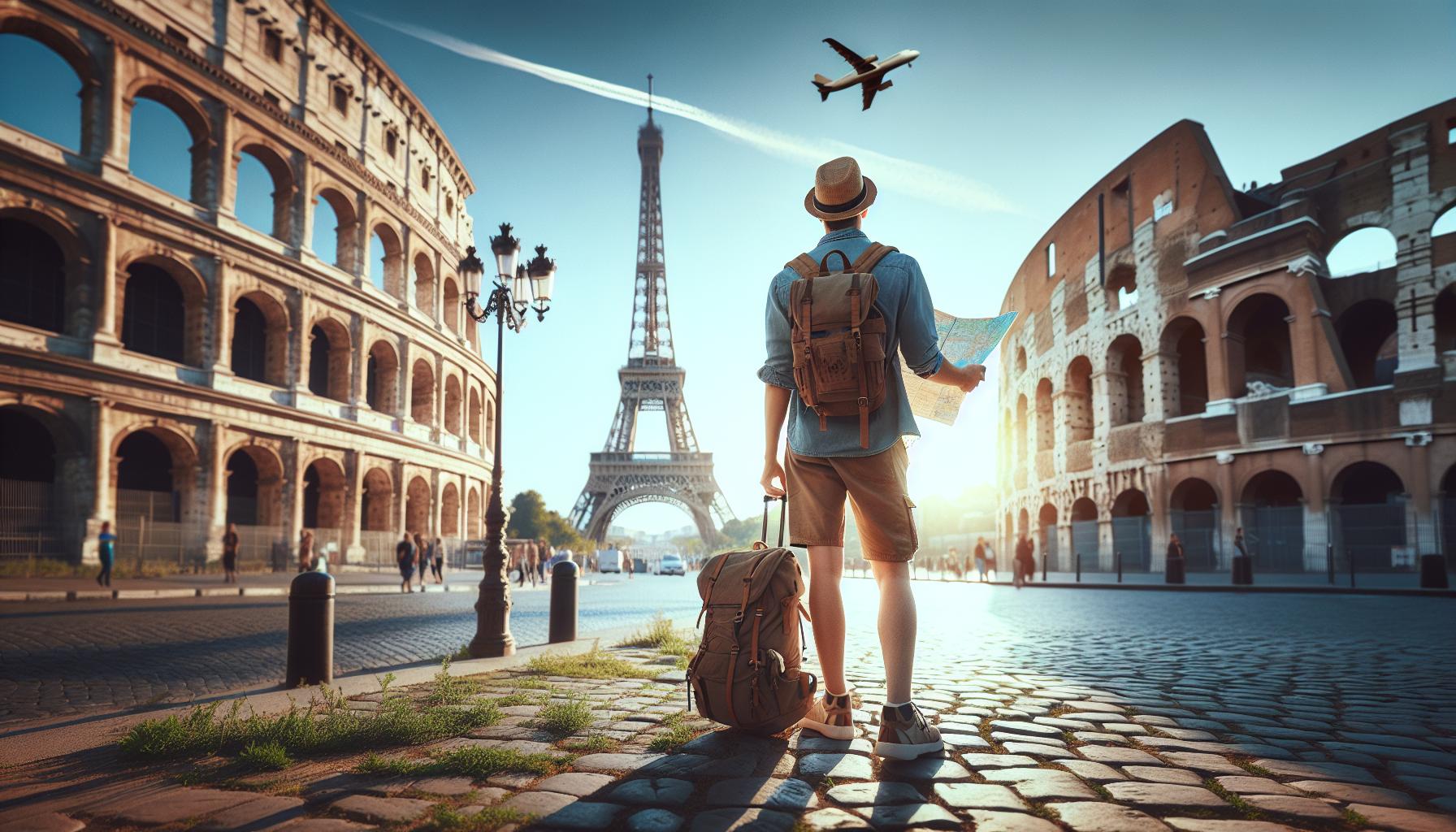
Essential Preparation: What to Know Before You Go
Before embarking on your European adventure, it’s essential to lay a solid foundation that will enhance your travel experience. With a myriad of cultures, languages, and landscapes across the continent, a little preparation can turn what could be a stressful trip into a smooth and exhilarating journey. Firstly, understand that Europe is not a monolith; each country has its unique requirements and customs. For instance, while the Schengen Area allows free movement across many countries, some nations like the UK or Ireland have different visa rules. Check entry requirements well in advance, especially in light of evolving regulations.
It’s also vital to familiarize yourself with the local currencies and payment methods. While many countries have adopted the Euro, others still use their national currencies. It’s a good idea to have a mix of cash and cards-credit cards are widely accepted, but having cash on hand can be useful for small purchases in markets or rural areas. Additionally, ensure your bank is aware of your travel plans to prevent any issues with your cards while abroad.
Communication barriers can also be a concern for first-time travelers. Learning a few basic phrases in the local language can go a long way, not just for practical communication but also in establishing rapport with locals. Most Europeans appreciate when visitors make an effort to speak their language, even if it’s just a friendly “hello” or “thank you.” Consider downloading translation apps to help bridge gaps when necessary.
Lastly, packing smart is crucial. Research the climate of the regions you’ll be visiting, as it can vary greatly. Layering is key-you may experience cooler evenings even in warmer months. And don’t forget comfortable walking shoes; many European cities are walkable and quite welcoming to pedestrians. Look into lightweight backpacks for day trips, ensuring you’re well-prepared for spontaneous adventures. Planning ahead not only saves time but also makes room for memorable experiences on the road.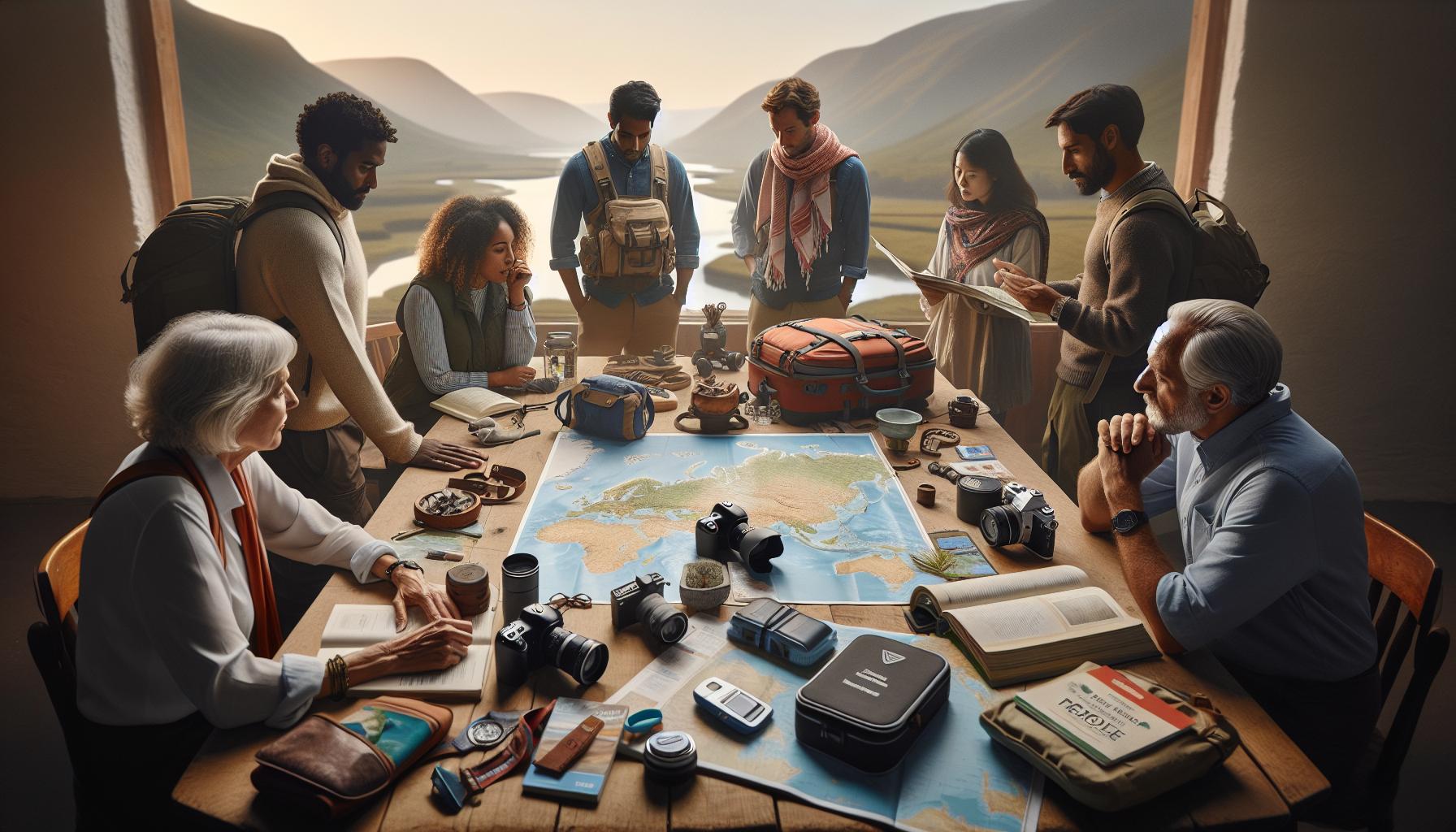
Best Times to Visit: Seasonal Highlights for Europe
Timing your visit to Europe can make all the difference in your travel experience. Each season offers its unique charm, from vibrant festivals to stunning natural beauty, so understanding the seasonal highlights is key to crafting your perfect itinerary.
In spring (March to May), Europe awakens from winter’s slumber, marked by blooming gardens and mild weather. Famous destinations like Amsterdam burst into color during the tulip season in April, while cities like Paris experience fewer crowds, allowing for leisurely strolls along the Seine. If you venture to Southern Europe, such as Spain and Italy, you can enjoy pleasant temperatures ideal for sightseeing without the summer tourist rush.
Summer (June to August) transforms Europe into a bustling hive of activity. Coastal cities like Barcelona and Dubrovnik are alive with beachgoers, while major festivals-a must-see like Munich’s Oktoberfest preparation or the Edinburgh Festival Fringe-bring culture and excitement to the fore. However, be prepared for peak prices and crowds; early bookings for accommodation and attractions can alleviate some of the summer tourism pressure.
Autumn (September to November) is arguably one of the best times to explore Europe. The summer crowds dissipate, making way for comfortable travel experiences and spectacular foliage. Wine lovers can revel in the grape harvest festivals throughout France and Italy, and cities like Prague and Budapest offer a captivating atmosphere with their picturesque streets enveloped in golden leaves.
Finally, winter (December to February) transforms Europe into a festive wonderland. Cities such as Vienna and Strasbourg boast enchanting Christmas markets, where you can indulge in mulled wine and handmade crafts. For snow enthusiasts, the Alps present exhilarating ski opportunities, while cities like Copenhagen and Oslo become mystical as snow blankets their charming architecture. Remember to dress warmly and plan for limited daylight hours when venturing out in the winter months.
In summary, the best time to visit Europe really depends on your interests and preferences. Each season showcases the continent’s diverse offerings, from cultural festivities to breathtaking landscapes, ensuring there’s something for every traveler at any time of the year.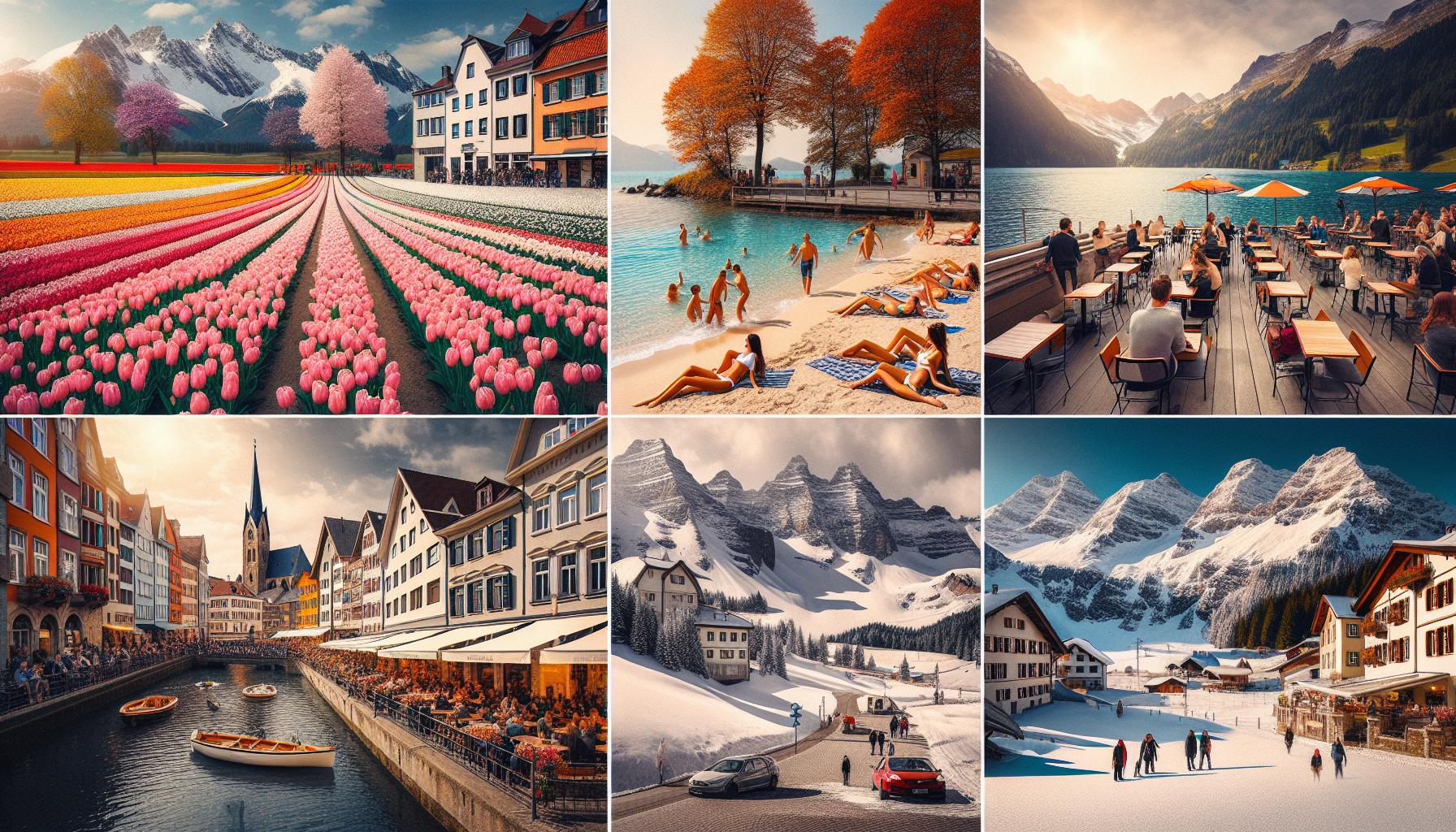
Budgeting Your Trip: Costs of Travel in Europe
Traveling through Europe can be as affordable or luxurious as you want it to be, but understanding the costs involved is fundamental to crafting a memorable adventure. From cozy hostels to fine dining and everything in between, the expenses in Europe can vary significantly based on the destinations and your travel style.
Accommodation Costs
Finding the right place to stay can be key to managing your budget. Hostels typically range from €15 to €30 per night for a bed in a shared room, ideal for budget travelers or solo backpackers. In contrast, mid-range hotels cost approximately €70 to €150 per night, offering more privacy and amenities. If you’re looking for something indulgent, boutique hotels or luxury accommodations can set you back anywhere from €200 onwards. Consider platforms like Airbnb for budget-friendly options or traditional B&Bs in quaint towns for a more local experience.
Transportation Expenses
Getting around Europe can also vary widely in cost. Trains are a common choice, with prices ranging from €20 to €100 depending on the distance and how far in advance you book. Budget airlines like Ryanair and EasyJet can offer fares as low as €20 for short flights between major cities-though be wary of extra fees for luggage. Additionally, many cities have excellent public transportation systems; a single metro or bus ticket often costs around €2 to €3, making it easy and affordable to explore urban areas.
Food and Drink
Culinary experiences in Europe are delightfully diverse and can fit all budgets. Street food, such as a classic French crepe or Belgian frites, can be enjoyed for €5 to €10. If you prefer dining in, expect to pay about €15 to €30 for a meal at a mid-range restaurant. For a more upscale experience, dining in a renowned establishment could cost €50 or more, especially in cities known for their gastronomy like Paris or Barcelona. Don’t forget about the wonder and value of local markets, where you can gather fresh ingredients or grab a ready-made meal for under €10.
Daily Budgeting Tips
Ultimately, an average backpacker might spend between €50 and €75 per day, while mid-range travelers typically budget around €100 to €200. To stretch your euros, consider the following tips:
- Plan and book in advance: Early train and flight bookings can save you a bundle.
- Explore free attractions: Many cities offer free museums or walking tours.
- Travel off-peak: If possible, avoid the major tourist seasons in summer.
- Use city passes: These often include transportation and entry to multiple attractions.
By properly budgeting your trip, you can ensure you experience the richness of Europe without breaking the bank, allowing for more spontaneous adventures and cherished memories along the way.
Packing Essentials: What to Bring for Your European Adventure
Your backpack is your best friend during your European adventure. What you carry not only affects your comfort but also influences how you experience each destination. Imagine strolling through a vibrant local market or navigating cobblestone streets-all made easier with a well-packed bag! Here’s a guide to ensuring you’re perfectly prepared.
Clothing Essentials
Think versatile layers when choosing your wardrobe. The weather can be unpredictable across Europe, varying dramatically from sunny plazas in Barcelona to misty mornings in London. Pack items like:
- Lightweight layers: T-shirts, long-sleeve shirts, and a light sweater or hoodie for transitional temperatures.
- Waterproof jacket: A stylish yet functional raincoat can be a lifesaver in the unpredictable European climate.
- Comfortable walking shoes: Opt for sturdy yet comfortable sneakers or sandals since you’ll be doing a lot of exploring.
- Packing cubes: These help organize clothing and maximize space, making it easier to find what you need without rummaging.
Travel Accessories
Don’t overlook the importance of a few key accessories:
- Portable charger: Keep your devices powered up for those endless photo ops and navigation assistance.
- Reusable water bottle: Stay hydrated on the go; many European cities have clean water fountains.
- Guidebook or app: Whether it’s a digital app or a well-thumbed book, a good guide can enhance your understanding of each location.
- Universal adapter: European outlets vary; a travel adapter ensures your devices stay charged no matter where you are.
Toiletries and Personal Care
Keep it simple but effective. While many toiletries can be found abroad, having your favorites can prevent any travel hiccups:
- Travel-sized products: Consider bringing small shampoo, conditioner, and body wash to save space.
- First aid kit: Bring along basics like pain relievers, band-aids, and any personal medications.
- Sunscreen and lip balm: Ideal for those outdoor adventures you’ll want to immerse yourself in!
Packing smartly will allow you to enjoy your European journey fully, from city explorations to countryside escapes. Equip yourself with the right essentials, and you’re set to embrace every magic moment that Europe has to offer!
Navigating Europe: Transportation Options Explained
In Europe, the way you choose to get around can greatly enhance your travel experience. With an extensive network of transport options, navigating through different countries and cities is both accessible and enjoyable. Whether you prefer the speed of high-speed trains, the flexibility of car rentals, or the charm of local buses, each mode of transport offers unique benefits and perspectives on the European landscape.
Public Transportation
One of the most efficient ways to move through Europe’s bustling cities is via public transportation. Most major cities feature well-developed metro systems, extensive bus networks, and reliable trams. For example, Paris boasts an efficient Metro that can whisk you to iconic sites in minutes, while Berlin‘s U-Bahn and S-Bahn trains connect you seamlessly across the city. It’s advisable to invest in a multi-day pass, which can save you money and provides unlimited travel on most public transit options.
Trains Across Borders
When it comes to intercity travel, trains are the backbone of European transportation. The continent is interconnected by a vast rail network, making journeys not just convenient but scenic. High-speed trains like the Eurostar (linking London to Paris) and TGV (connecting Paris to southern France) allow you to traverse large distances in just a few hours. Regular trains are available for less frantic travelers, offering the chance to relax and enjoy the changing landscape. Booking in advance often leads to significant savings, particularly for popular routes.
Driving in Europe
For those seeking adventure on their own terms, renting a car can provide freedom and flexibility. Driving allows you to explore off-the-beaten-path destinations and the breathtaking countryside, such as the wine regions of Tuscany or the dramatic coasts of Croatia. Familiarize yourself with local driving laws and don’t be surprised by varying speed limits and road types. Keep in mind that parking can be challenging in city centers, so consider leaving your car in a designated area and using public transport for inner-city travels.
Budget Travel Options
If you’re traveling on a tighter budget, consider alternative modes like ridesharing services (Uber, BlaBlaCar) or long-distance buses (like FlixBus or OuiBus), which can be significantly cheaper than trains. These services operate across many countries and cities, providing a cost-effective way to explore without breaking the bank.
Whether you’re zipping through city streets or taking in scenic vistas on a train, Europe’s transportation options cater to a range of preferences and budgets. Embrace these choices to maximize your time and experiences as you explore diverse cultures and breathtaking landscapes across the continent.
Must-See Destinations: Top Cities for First-Time Travelers
There’s a certain magic to stepping foot in a new city, and Europe offers a treasure trove of unforgettable destinations for first-time travelers. From ancient ruins to modern art scenes, each city boasts its own unique character and charm. Consider including these must-see cities on your itinerary to capture the diverse essence of the continent.
Paris, France
No trip to Europe is complete without experiencing the romance of Paris, a city that’s both iconic and bustling. Stroll along the Seine, visit the Louvre to see the Mona Lisa, and climb to the top of the Eiffel Tower for panoramic views. The best time to visit is during spring (March to May) when the parks bloom, or in the fall (September to November) for milder weather and fewer crowds. Budget around €100-150 per day for accommodation, food, and attractions. Consider staying in central neighborhoods like Le Marais for vibrant culture and accessible sites.
Rome, Italy
Rome is a timeless destination that effortlessly melds history with a vibrant street life. Visit the Colosseum, wander through the Roman Forum, and toss a coin into the Trevi Fountain to ensure your return. The off-season (late fall and winter) offers cheaper prices and shorter lines, with a daily budget of about €80-120. When in Rome, try local specialties like pasta carbonara and visit the vibrant Trastevere neighborhood for authentic dining experiences.
Barcelona, Spain
With its stunning architecture, rich culture, and lively tapas scene, Barcelona is a feast for the senses. Don’t miss Gaudí’s masterpieces, including the Sagrada Familia and Park Güell. The best time to visit is during the spring or fall when the weather is pleasant, and the city buzzes with festivals. Aim for around €90-130 per day, and consider staying in the Gothic Quarter to be at the heart of the action while enjoying intimate local eateries.
Amsterdam, Netherlands
Known for its picturesque canals and cycle-friendly streets, Amsterdam offers a mix of history and youthful energy. Explore the Anne Frank House, the Van Gogh Museum, and take a leisurely bike ride through the city’s parks. Spring (April and May) is especially beautiful with blooming tulips, whereas summer is vibrant yet crowded. Daily expenses can range from €80-120. For accommodation, consider a canal house for a unique experience.
Prague, Czech Republic
For travelers looking for great value, Prague is both enchanting and affordable. Wander across the Charles Bridge, visit the stunning Prague Castle, and enjoy a performance at the National Theatre. The best time to visit is during the spring and fall, avoiding high tourist season in summer. Expect to budget around €50-90 per day, making it one of the more wallet-friendly European capitals.
With each city offering its distinct vibe and attractions, your European adventure promises to be an enriching journey. Embrace the local culture, savor the culinary delights, and immerse yourself in each city’s unique stories and histories. As you traverse these must-see destinations, don’t forget to take plenty of photos and, most importantly, enjoy every moment of your big adventure in Europe!
Cultural Insights: Understanding Local Customs and Etiquette
When you embark on your European adventure, understanding local customs and etiquette can enhance your travel experience significantly. Each country and even regions within those countries come with their own unique set of social norms, and being aware of these can help you connect with locals and avoid unintentional faux pas.
In many European cultures, greetings are not just polite but crucial. For example, in France, it’s customary to say “Bonjour” when entering shops, while in Italy, a simple “Ciao” can open doors to friendly conversations. Keep in mind that in some countries, physical contact is a common way to greet someone. In Spain, for instance, a light kiss on both cheeks is typical, while in Northern Europe, a firm handshake might be the norm. Familiarizing yourself with these practices can make your interactions feel more genuine.
Dining etiquette is another area where you’ll want to brush up. In most European countries, it’s polite to keep your hands on the table (but not your elbows) during meals. In countries like Germany and Austria, waiting for the host to indicate when you can start eating is important, while in Southern Europe, such as in Italy, meals are often a leisurely affair where conversation flows freely. Tipping practices also vary; while rounding up the bill is appreciated in countries like France, in others, such as in Scandinavia, service is typically included in the bill.
To navigate public spaces, a little knowledge goes a long way. For instance, in cities like Amsterdam, it’s essential to be aware of bike lanes-pedestrians should stay clear to avoid accidents. In many bustling European metropolises, queueing is a matter of respect; whether at a bus stop or an attraction, be sure to join the back of the line. Lastly, dress codes can vary, especially in religious sites. For instance, in places like the Vatican, modest attire is expected, so plan accordingly to show respect.
Understanding these cultural nuances not only elevates your travel experience but also shows respect for the places you visit. This awareness transforms you from a mere tourist into a gracious guest, ready to explore and enjoy Europe’s rich tapestry of traditions and lifestyles.
Accommodation Tips: Where to Stay for Every Budget
When planning your European getaway, choosing the right place to stay can dramatically shape your experience. With a spectrum of options from budget hostels to luxury hotels, Europe caters to every traveler’s taste and wallet. Research indicates that more than 70% of first-time travelers consider location, cost, and amenities as key factors in their accommodation choice. With the right guidance, you can find the perfect base for your adventure, no matter what your budget might be.
Budget-Friendly Options
For the thrifty traveler, hostels are your best friend. Offering shared dormitories and private rooms, they provide an opportunity to meet fellow adventurers while keeping costs low. In cities like Barcelona and Budapest, you can find vibrant, trendy hostels that start at about €15 per night. Websites like Hostelworld or Booking.com can help you filter by price and ratings to ensure a good stay without breaking the bank.
Additionally, consider staying in guesthouses or budget hotels. They often offer a more homely feel compared to larger establishments. Airbnb is also a popular choice, giving you the chance to stay in a local’s home, often at competitive prices. Just be sure to read reviews and look for properties in safe neighborhoods.
Mid-Range Comforts
If you have a bit more to spend, mid-range hotels strike a balance between comfort and cost. Chains like Ibis or Premier Inn are reliable options that provide decent amenities and breakfast options. In major cities, rates range from €70 to €150 per night, depending on the season and location. Always check for package deals or low-season discounts; booking in advance can also yield significant savings.
For a more unique experience, boutique hotels offer personality and charm often lacking in larger chains. Look for accommodations that highlight local culture and art, especially in cities known for their history or design, like Florence or Lisbon. Websites like Hotels.com and Kayak can help you discover hidden gems within your budget.
Luxury Experiences
If your budget allows for a splurge, Europe boasts a plethora of high-end hotels that deliver unparalleled service and amenities. Think iconic places like The Savoy in London or Hotel Ritz in Paris. Prices can exceed €250 per night, especially during peak tourist seasons. However, the experience of waking up in such historic and lavish surroundings can be a trip highlight.
To get the most out of luxury travel, consider looking for packages that include spa treatments or dining credits. Websites like Luxury Escapes often host flash sales, providing significant discounts on premium stays. Reward programs through chains like Marriott or Hilton can unlock benefits like free breakfast or room upgrades, giving you that extra layer of comfort without a hefty cost.
Essential Tips for All Budgets
– Always read recent reviews; they can provide insight into cleanliness, noise levels, and service quality.
– Location is vital: aim to stay close to public transport and major attractions to minimize travel time and expenses.
– Don’t forget to compare prices across multiple booking platforms-some hidden fees may apply on certain websites, changing the overall cost significantly.
– Look for flexible cancellation policies, providing peace of mind in case travel plans change.
By taking time to consider your accommodation options and aligning them with your travel style and budget, you’re setting the stage for a memorable European adventure. Whether you’re lounging in a chic boutique hotel or mingling with fellow globetrotters in a lively hostel, the right base can enhance your whole experience in Europe.
Delicious Delights: Culinary Highlights You Can’t Miss
Traveling through Europe is a feast for the senses, and one of the most delightful aspects of your adventure will undoubtedly be the food. Each country boasts its own culinary heritage, making every meal a new experience to savor. Did you know that food lovers can find regional specialties that range from hearty peasant dishes to artisanal pastries? Embrace this culinary journey as a vital part of your European exploration, and your taste buds will thank you.
The Rich Tapestry of Flavors
Europe is a mosaic of flavors, with every region offering its unique concoctions. For instance, if you find yourself in Italy, don’t miss out on the authentic Neapolitan pizza; its thin crust and fresh mozzarella are the building blocks of this classic dish. In Spain, indulge in tapas-small plates perfect for sharing-and don’t forget to try the patatas bravas, crispy potatoes paired with a spicy sauce. Whether you’re nibbling on French croissants in a Parisian café or enjoying a traditional fish and chips in London, each country tells its culinary story through its iconic dishes.
- Italy: Try risotto in Venice or gelato in Florence for a truly Italian experience.
- France: Delight in crêpes in Brittany or coq au vin in Burgundy.
- Germany: Don’t miss out on bratwurst and sauerkraut, especially at traditional beer gardens.
- Greece: Savor fresh moussaka and baklava on the islands.
Planning Your Culinary Adventure
Timing and location are crucial for enjoying the best culinary experiences. Visiting during a local food festival can enhance your journey; for example, the Venice Carnival often features regional delicacies you can only find during this time. Also, seek out local markets where you can sample fresh produce, cheeses, and charcuterie. These vibrant hubs not only offer great food but also allow you to mingle with locals and discover authentic regional ingredients.
Must-Try Experiences
Participate in cooking classes or food tours that are frequently available in major cities. These experiences provide insiders’ perspectives on local dishes and cooking techniques. In a city like Barcelona, a market tour followed by a paella cooking lesson can be the highlight of your trip. If you’re short on time, consider trying street food; items such as Italian arancini or Turkish kebabs give you the essence of local cuisine without a formal dining setting.
As you navigate through Europe, allow your culinary curiosity to lead the way. The dishes you taste and the meals you share will not only fill your stomach but also create lasting memories of your adventure. With every bite, you’ll get a deeper insight into the cultures and traditions that make each destination unique.
Safety First: Staying Secure While Traveling
Traveling through Europe is a remarkable experience, but keeping your safety in mind can elevate your adventure from great to unforgettable. As a first-time traveler, being aware of your surroundings and understanding the local customs can make your journey enjoyable and secure. Every city has its charm, but it can also present unique challenges-knowing how to navigate them is key.
One of the first things to consider is securing your belongings. Pickpocketing can be common in crowded tourist areas, so use bags that you can easily access but are hard for others to reach. Consider wearing a money belt under your clothes for your passport and extra cash. Additionally, avoiding flashy jewelry and expensive electronics in public will help you stay under the radar.
Understanding local emergency protocols can also be a lifesaver. Each country has different emergency numbers-while 112 is common across the EU, it’s wise to note local numbers for police, fire, and medical emergencies. Always know the location of the nearest hospital or police station, particularly when exploring unfamiliar neighborhoods.
Lastly, don’t overlook the importance of having travel insurance. This can cover everything from lost luggage to medical emergencies, giving you peace of mind while discovering Europe’s many wonders. Engaging with locals can provide invaluable insights into safe practices and hidden gems, making your travels smoother and more enjoyable. Embrace the journey with confidence, knowing that a little preparation goes a long way in ensuring your safety and enhancing your adventure.
Creating Your Itinerary: Sample Plans for Different Travelers
Crafting the perfect itinerary for your European adventure can transform an ordinary trip into an unforgettable journey filled with memorable experiences. To help tailor your plans to your personal travel style, here are sample itineraries designed for different types of travelers. Whether you’re a solo explorer, a couple seeking romance, or a family on an adventure, Europe has something special waiting just for you.
Solo Travelers
For those traveling alone, consider a four-day itinerary that maximizes your time in a vibrant city like Barcelona. Start your adventure at the iconic Sagrada Familia, then stroll through the Gothic Quarter and end your day on La Rambla sampling tapas at local bars. Day two could involve day-tripping to Montserat, where you can hike and enjoy breathtaking views. Don’t miss the Park Güell on day three, and cap off your trip with a sunset at El Born. Budget approximately €80-€120 per day, including accommodation, meals, and entrance fees.
Couples’ Getaway
If romance is in the air, try a classic route through Paris and Venice over six days. Your adventure might start with a visit to the Eiffel Tower-be sure to book a ticket for the sunset lighting. Take a leisurely stroll along the Seine and indulge in dinner at a quaint bistro in Montmartre. On day three, hop on a train to Venice; lose yourselves in its enchanting canals and visit St. Mark’s Basilica. Plan for intimate gondola rides and finish your trip with a dinner overlooking the Grand Canal. Budget around €150-€200 a day to enjoy the finer things in life.
Family Adventure
Traveling with family can be a rewarding experience, especially in London and Edinburgh. A week-long itinerary could start with a visit to the British Museum on day one, followed by fun-filled days at Harry Potter Studios and London Zoo. Then, catch a train to Edinburgh for a week of exploration. Summon your inner adventurer by hiking up Arthur’s Seat for panoramic views, then visit the Edinburgh Castle. Daily costs may vary from €120-€180 depending on activities and where you eat, so consider picnicking in the parks to save money.
General Insider Tips
- Always check train schedules between cities on websites like Eurail or Trainline for the best deals.
- Consider staying in apartments or hostels with kitchens to prepare some meals and save on dining costs.
- Allocate time for spontaneous explorations; some of the best travel memories come from unplanned experiences!
Taking into account your interests, pace of travel, and budget will help you build a rich and engaging itinerary for your European adventure, ensuring that you create lasting memories tailored just for you.
Insider Tips: Avoiding Common Travel Mistakes in Europe
Traveling to Europe for the first time is exciting, but it can also be filled with potential pitfalls. Many travelers make the same mistakes, often out of enthusiasm or lack of preparation. To ensure your adventure is smooth, let’s explore some insider tips that can help you avoid common travel missteps and enhance your experience.
Firstly, planning your itinerary is crucial. Many first-time visitors overpack their schedules, cramming too many destinations into too little time. Instead, prioritize your must-see sites and allow yourself ample time to enjoy each location. For instance, instead of rushing through Florence to see the Uffizi Gallery, the Duomo, and Ponte Vecchio in one day, extend your stay to soak in the art and gelato at a leisurely pace. This way, you not only see the sights but truly experience the local culture.
Accommodations can also be a source of stress if not approached wisely. While hotels might offer convenience, consider exploring alternatives like vacation rentals or hostels. They often provide unique local experiences and can save you money. Moreover, don’t forget to read reviews before booking; a well-rated local inn can sometimes turn out to be a hidden gem compared to a more touted hotel chain.
One of the biggest travel blunders is neglecting local customs and etiquette. Understanding basic etiquette can significantly enhance your interactions. For example, in places like France, it’s customary to greet shopkeepers with a friendly “Bonjour” before making inquiries. A small effort goes a long way and opens doors to friendlier exchanges.
Lastly, don’t forget to embrace flexibility. While it’s good to plan, some of the best memories come when you allow for spontaneous adventures, whether it’s stumbling upon a charming café or an unplanned side trip to an enchanting village. Leave some gaps in your itinerary, and let the journey unfold organically. This balance will help you appreciate Europe’s charm without feeling overwhelmed.
With these insights, your first European adventure can become a wonderful tapestry of experiences rather than a series of hurried checklists. Enjoy your travels, embrace the journey, and remember that sometimes the best experiences come from the unexpected!
Frequently asked questions
Q: What are the best travel apps for first-time travelers in Europe?
A: The best travel apps for first-time travelers in Europe include Google Maps for navigation, Skyscanner for flight comparisons, and TripIt for itinerary management. Additionally, consider using Uber or local public transport apps for easy transportation and Duolingo for language assistance. These tools enhance your travel experience and reduce stress.
Q: How can first-time travelers save money while traveling in Europe?
A: To save money, first-time travelers should book flights and accommodations in advance, use budget airlines, and consider staying in hostels or vacation rentals. Also, utilize local cuisines over tourist restaurants and explore free attractions like parks and museums on free admission days. Increased planning leads to reduced costs.
Q: What travel insurance should I consider for my Europe trip?
A: Consider a comprehensive travel insurance policy that covers medical emergencies, trip cancellations, and lost belongings. Look for plans that include 24/7 assistance, especially when traveling to multiple countries. Websites like InsureMyTrip can help compare options tailored for European travel.
Q: How do I access healthcare while traveling in Europe?
A: To access healthcare in Europe, familiarise yourself with your health insurance options; EU citizens can use the European Health Insurance Card (EHIC). Non-EU travelers should carry travel insurance that includes medical coverage. Always locate nearby hospitals or clinics and keep emergency contact numbers handy.
Q: What should first-time travelers know about European customs and etiquette?
A: It’s essential to respect local customs, such as greeting with a handshake or using basic phrases in the local language. Dining etiquette varies; for example, leaving tips of about 10% is customary in many countries. Research each destination’s cultural norms to enhance your experience.
Q: What are the common misunderstandings about using public transport in Europe?
A: One common misunderstanding is assuming all public transport systems work the same way; however, each country has unique systems and pricing. Familiarize yourself with purchasing tickets, validation systems, and the types of passes available that can offer savings over single trips.
Q: How can I avoid pickpockets while traveling in Europe?
A: To avoid pickpockets, keep your belongings secure by using anti-theft bags and being mindful of your surroundings. Avoid carrying large amounts of cash and use wallets that can be concealed under clothing. Stay vigilant in crowded areas and travel in smaller, less conspicuous groups.
Q: What are the major cultural differences to expect in European countries?
A: Major cultural differences include dining customs, punctuality, and social interactions. For instance, Southern Europeans may dine later and are more relaxed with time, while Northern Europeans value punctuality. Research each destination’s culture to prepare for a respectful and enjoyable experience.
Each answer connects to essential aspects of travel planning and can direct readers to the relevant sections of the main article for more in-depth information.
Key Takeaways
As you embark on your incredible journey through Europe, remember that every destination holds its unique charm and adventure waiting to be discovered. Whether you’re wandering through the cobblestone streets of Rome, soaking in the art of Paris, or indulging in the cuisine of Barcelona, your first trip can set the tone for countless lifelong memories. Don’t hesitate-start planning now!
For more tailored tips, check out our articles on the best times to visit Europe and budgeting for your trip. Also, don’t forget to subscribe to our newsletter for the latest travel insights and exclusive resources to help you navigate your adventures. Your European escapade awaits-explore our site further and let the excitement begin! We’d love to hear about your travels, so feel free to share your experiences in the comments below!


