

Imagine transforming your living room into the vibrant savannah of Africa, where lions roam and elephants graze-now that’s a family adventure! The “3D Projector African Safari Adventure” delivers an immersive experience right at home, offering stunning visuals and captivating audio that bring the wonders of the wild to life. This innovative projector isn’t just about entertainment; it’s an educational journey that sparks curiosity about wildlife and conservation. Perfect for families seeking engaging activities, it fosters a deeper understanding of our planet’s biodiversity while making learning fun. So, gather the kids, dim the lights, and embark on a thrilling safari without ever leaving your home. Dive in to explore how this unique experience can enrich your family’s educational pursuits while creating unforgettable memories!
Choosing the Right 3D Projector for Your Safari Experience
Selecting the ideal 3D projector for your home safari adventure can transform an ordinary movie night into an immersive experience that captivates young explorers and adult wildlife enthusiasts alike. The right projector will not only enhance the visual quality of your presentations but also enrich the educational aspects of viewing African wildlife documentaries. With advancements in technology, several factors must be considered when making your choice.
Start by evaluating the resolution and brightness of the projectors. For a vivid safari experience, aim for a projector with at least 1080p resolution. A higher brightness rating (measured in lumens) is also crucial, especially if you’ll be using the projector in a room with ambient light. For daytime showings, a projector with 3000 lumens or more will ensure that the images are bright and clear.
Additionally, consider the connectivity options of the projector. Ensure it supports HDMI and wireless connections, allowing you to easily link to streaming devices or computers loaded with your favorite safari documentaries. Lastly, pay attention to size and portability-if you plan on moving the projector around for outdoor screenings or family gatherings, a lightweight model might be ideal.
To summarize, when choosing a 3D projector for your safari experience, prioritize these features:
- Resolution: Aim for at least 1080p for clarity.
- Brightness: Look for a minimum of 3000 lumens for daylight screenings.
- Connectivity: Ensure it has HDMI and wireless capabilities.
- Portability: Choose a lightweight model for ease of movement.
With the right projector, each journey into the African wilderness-whether you’re exploring the savannah or the depths of a tropical rainforest-will feel rich and entertaining, allowing you to gather the family and create lasting memories from the comfort of your home.
Exploring African Safari Destinations from Home
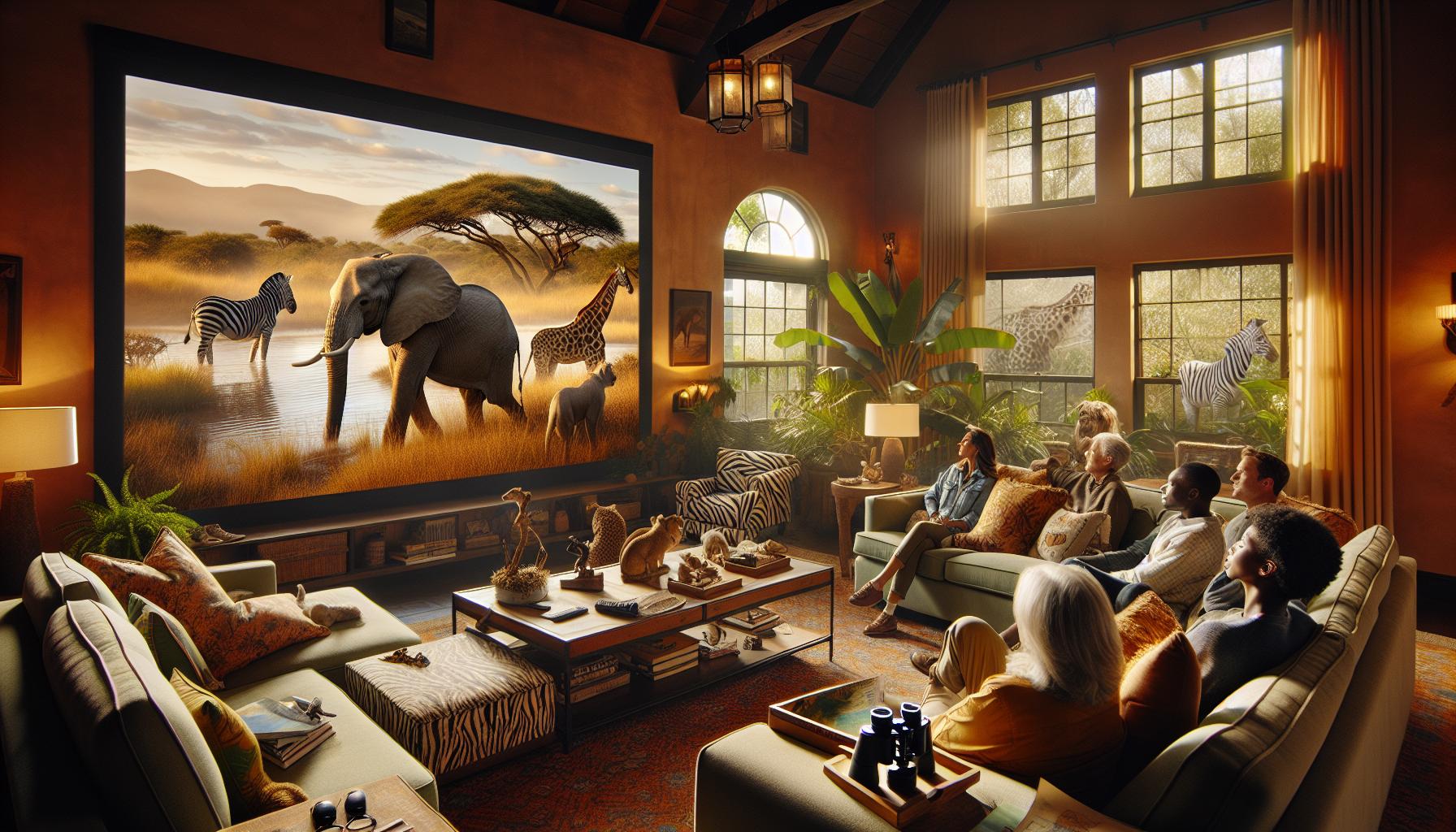
Imagine experiencing the thrill of an African safari from the comfort of your living room, surrounded by family and friends. With a 3D projector, you can transcend screens and immerse yourself in the sights and sounds of iconic safaris. Picture soaring over the Serengeti or trekking through the lush Okavango Delta; these memorable experiences can be brought to life right at home.
To start your virtual journey, choose documentaries or 3D safari images that showcase the diverse landscapes and wildlife of Africa. Projects like the “Uncle Milton 3D Adventure Projector” bring to life the detail and vibrancy of the African environment, featuring rich visuals and accompanying audio that transports viewers to the heart of nature (source). Each image captured in 3D provides a portal to real-life destinations, allowing families to explore habitats of elephants, lions, zebras, and other fascinating creatures.
For a more interactive experience, involve everyone in the planning process by discussing different safari locations and what wildlife can be seen in each area. Leverage resources that highlight various reserves, such as Kruger National Park, Maasai Mara, and Chobe National Park. Use your projector to showcase stunning visuals of these destinations, accompanied by educational insights about the flora and fauna, best times to visit, and the cultural richness of each region. Consider creating themed “safari nights,” where each week, a different location is explored, complete with relevant snacks and decorations to enhance the atmosphere.
Remember to pair your home exploration with engaging activities, such as wildlife trivia games or art projects where kids can create their own wildlife images based on what they’ve seen. By blending education with fun, your family can go beyond traditional viewing and make lasting memories while deepening their understanding of Africa’s enchanting natural world.
Engaging Educational Activities for Kids

Transform your living room into an exciting safari adventure that educates and entertains your kids! With a 3D projector bringing the African wilderness to life, you can engage their curiosity while fostering a deeper understanding of nature. Here are some fun and educational activities that will enrich their experience and spark their interest in wildlife.
Wildlife Observation Journals
Encourage your kids to create a wildlife observation journal. As they watch the 3D safari images, ask them to jot down notes about the animals they see, their behaviors, and the environments they inhabit. This not only enhances observation skills but also allows children to express their creativity through writing and drawing. You can provide prompts related to each safari stop, such as “What do you think this animal eats?” or “How does this creature protect itself?”
Interactive Trivia Games
Playing trivia games is a fantastic way to reinforce learning while having fun. Prepare questions based on the wildlife they view through the projector. For example: “Which animal is known as the ‘King of the Jungle’?” or “What is a group of lions called?” You can use resources like educational websites or books about Africa’s wildlife to gather interesting facts. Consider forming teams to create a friendly competition, rewarding correct answers with small prizes or treats.
Craft Projects: Animal Masks and Habitats
Let your kids’ creativity shine by conducting craft sessions where they can make animal masks or dioramas of different habitats. Use materials like cardboard, paint, and fabric to create realistic representations of the animals they’ve seen. While crafting, discuss the characteristics of each species and the importance of their ecosystems. This hands-on activity reinforces learning and allows the little ones to showcase their artistic talents.
Cooking Up Safari Snacks
Make your virtual safari even more immersive by preparing themed snacks inspired by African cuisine. Simple recipes such as “zebra-striped” sandwiches (using black and white spreads) or “lion paw” cookies (paw-print-shaped biscuits) can make for delightful treats that complement the experience. While cooking, share stories about the cultural aspects of the different regions in Africa, introducing kids to the diverse culinary traditions that exist alongside the wildlife.
By combining the engaging visuals from your 3D projector with these educational activities, you create a rich learning environment that encourages exploration and curiosity about the natural world. Your home safari adventure can be both fun and informative, making for lasting memories for the entire family!
Creating the Ultimate Safari Atmosphere at Home
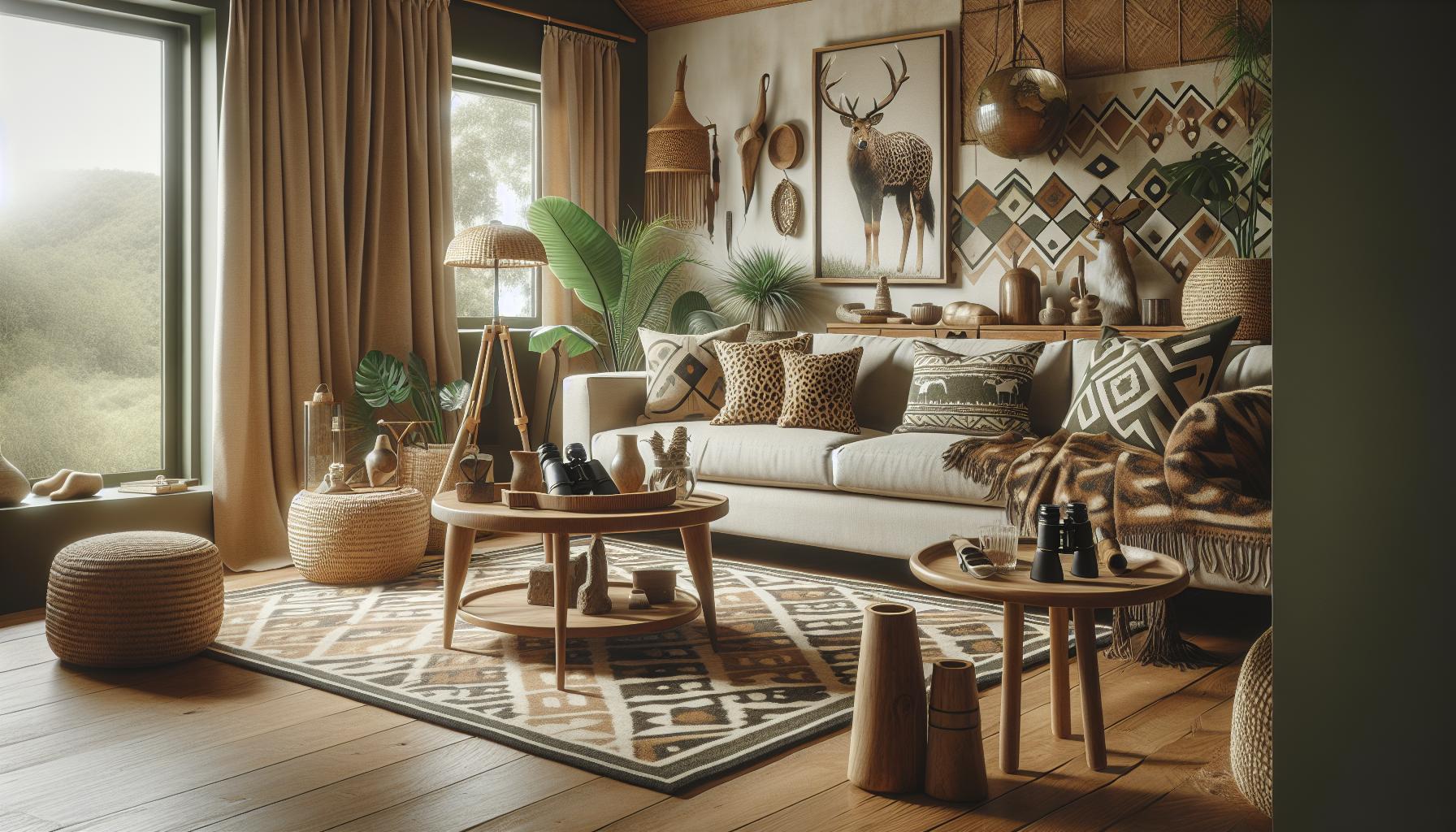
Transforming your home into a captivating safari atmosphere can elevate your adventure and spark imagination, making it feel like you’re right in the heart of the African wilderness. Begin by creating an immersive sensory experience that draws in all Five Senses: sight, sound, smell, touch, and taste. With the right decorations, sounds, and scents, your living room can resemble an authentic safari lodge.
Decorative Inspirations
To set the scene, use earthy tones-think greens, browns, and golds-throughout your space. Incorporate items such as animal figurines, African art, and botanical illustrations to enhance authenticity. Wall hangings or posters featuring iconic African landscapes can also help transport you to the savanna. Consider using foliage, such as potted plants or artificial greenery, to mimic the lush habitats of the region. Lighting is key as well; warm, soft lighting can replicate sunset vibes often experienced during real safaris, perfect for your viewing of 3D projections.
Engaging Sounds of the Wild
The sounds of the savanna can deeply enhance your home safari experience. Create a playlist that includes the calls of African wildlife-lions roaring, elephants trumpeting, and birds chirping. You can find many nature sound apps or online resources to bring the rich audio landscape of Africa into your home. Playing these sounds softly in the background while watching your 3D projected safari will cultivate an environment that feels alive and dynamic, ensuring an unforgettable adventure.
Scents from the Safari
Enhance your sensory experience with scents reminiscent of nature. Use essential oils or candles that emulate earthy aromas-think sandalwood, cedar, or even scents representing African flora like jasmine or baobab. These can subtly waft through the air, providing a fragrant backdrop to your activities, enhancing immersion in the safari world. Engaging your sense of smell can evoke memories of real-life experiences or inspire conversations about what wildlife might experience in their environments.
Interactive Touch and Taste Elements
Create tactile experiences by incorporating materials like burlap or woven mats reminiscent of traditional African textiles. Additionally, enrich your virtual safari with safari-themed snacks and drinks. As mentioned before, preparing dishes that mimic or are inspired by African cuisine can physically connect the experience. Think of using unusual ingredients or presentations that reflect the colors and textures of the environment-such as colorful fruit skewers representing the variety of the savanna.
By layering these elements, you’ll not only bring the digital safari experience to life but also create lasting memories for your family. Testing how the decor, sounds, and scents all interact can transform a simple viewing into an engaging educational experience that fires up the imagination and curiosity about wildlife and habitats from Africa.
Top 3D Projection Movies for Virtual Safaris
Imagine the thrill of witnessing a majestic lion pride or a herd of elephants roaming freely in their native habitats, all from the comfort of your living room. With the rise of 3D projection technology, creating that breathtaking safari experience at home is now possible through captivating films that transport viewers into the heart of African wildlife. Here are some must-watch 3D projection movies that will make your virtual safari adventure unforgettable.
1. African Safari 3D
This immersive documentary takes you on a breathtaking journey through some of Africa’s most stunning landscapes. Combining live-action footage with informative narration, it showcases the rich biodiversity of the continent. Witness the behaviors of iconic animals like zebras, hippos, and cheetahs in intricate detail. The 3D visuals enhance the sense of depth, making it feel as though you are right there among the animals.
2. The Last Lions
Narrated by renowned actor Jeremy Irons, this poignant film follows the life of a lioness named Ma di Tau as she fights to protect her cubs against poachers and rival prides. The narrative is compelling, and the stunning cinematography captures the raw beauty of the African savanna. The 3D experience elevates the film, allowing you to feel the power and emotion of each scene.
3. The Wild Safari 3D
An adventure-filled film that combines breathtaking visuals with educational content, this movie is perfect for families. It explores various iconic African landscapes, introducing viewers to unique wildlife while offering insights into their habitats and behaviors. The use of 3D adds an extra layer of excitement, as you’ll feel closely connected to the action on screen.
4. National Geographic: Africa 3D
This mesmerizing documentary takes viewers on a detailed exploration of Africa’s wildlife and ecosystems. With stunning visuals and an engaging narrative, the film covers diverse regions from deserts to rainforests. Not only will you enjoy watching animals in their natural habitats, but you’ll also learn about the environmental challenges they face. The 3D aspect immerses you in the scenery, making it a fantastic educational tool for kids.
5. IMAX: Animals of the African Savanna
This educational film provides a captivating overview of the African savanna’s complex ecosystem. With its stunning visuals and immersive storytelling, it highlights the interdependency of species and the challenges they face. The 3D projection creates a strong sense of presence, making you feel as if you are walking through the savanna itself, observing animals interact in real-time.
Creating a memorable virtual safari experience hinges on your ability to choose films that not only entertain but also educate and inspire curiosity about wildlife. These 3D projection movies will surely enhance your home adventure, allowing you to explore the wonders of Africa right from your couch.
Cultural Insights: Learn About African Wildlife and Habitats
Delving into the vibrant world of African wildlife offers an enriching cultural experience that goes beyond breathtaking visuals. By learning about native species and their habitats, you not only enhance your home safari adventure but also cultivate a deeper appreciation for biodiversity and conservation. The intricate relationships between animals and their ecosystems reveal fascinating narratives about survival, adaptation, and the crucial balance of nature.
To truly understand these magnificent creatures, one must appreciate the complexities of their habitats. For instance, the savanna is home to diverse species like the majestic lion, graceful giraffe, and rapid cheetah, each adapted to thrive in open grasslands. In contrast, the dense jungles of the Congo are dominated by primates, elephants, and countless bird species, highlighting the need for varied conservation approaches tailored to these distinct environments. These ecosystems teeter on the edge of change, facing threats from human activity, climate change, and poaching. Engaging with documentaries or virtual tours can provide context, shedding light on such challenges while emphasizing the global responsibility we all share in protecting these areas.
Educating children about African wildlife can be a fun and impactful experience, transforming passive viewing into interactive learning. For example, after watching a film showcasing elephants, families can create crafts or games based on elephant behavior, fostering creativity while reinforcing key concepts about their social structures and habitats. Implementing storytelling, inspired by real-life documentaries, allows younger audiences to connect with the material on an emotional level, generating interest in conservation.
Incorporating cultural elements into your virtual experience can further enhance understanding. Share stories of indigenous communities and their historical relationship with the land and wildlife, showcasing traditional practices that promote conservation. This not only enriches the viewing experience but also reinforces the importance of diverse perspectives in safeguarding wildlife. With a thoughtful blend of visual storytelling, engaging activities, and cultural context, your home safari can serve as a springboard for broader discussions on wildlife conservation and the rich tapestry of life in Africa.
Tips for Hosting a Family Safari Night
Transforming your living room into a vibrant safari camp can create unforgettable family memories! To kick off your family safari night, start with a thematic setup. Arrange cushions or blankets on the floor for seating, reminiscent of an African plain. Dim the lights and set up your 3D projector to showcase stunning wildlife documentaries or virtual safari tours. Consider selecting films that highlight various ecosystems, from the savanna to the rainforest, to maintain interest and expand educational value.
Engage the senses by incorporating sounds and aromas associated with Africa. Play ambient sounds like animal calls or rustling leaves in the background, while perhaps simmering a pot of aromatic spices to emulate a traditional African stew. This multisensory approach will draw your family deeper into the adventure, ensuring everyone feels like they’re part of a genuine safari experience.
To further enhance participation, prepare interactive activities that tie into the films you watch. For instance, after a segment on lions, engage your family in a storytelling session where each person can create their own narrative involving the majestic big cats. Or, have everyone partake in a craft project, such as building a model of an African savanna, allowing kids to cut out animals and habitats from paper crafts. These activities not only reinforce learning but also promote creativity and teamwork.
Finally, set up a survival quiz based on the documentary content, rewarding participants with fun safari-themed prizes, such as stickers or small animal figurines. This interactive element keeps the educational experience lively and ensures that knowledge gained during the safari night lingers long after the projector is turned off. With a little creativity and engagement, your family safari night can be both educational and incredibly fun!
Maximizing Your 3D Projector Setup
Transforming your space into a vibrant safari experience is not just about a flashy projector; it’s about maximizing every element of your setup to create an immersive adventure. To begin, positioning your 3D projector correctly is crucial. Place it at an optimal distance from the wall or screen to ensure clear, bright projections. Typically, a projection distance of around 8-12 feet works well for most home setups, depending on your projector model. Consider a focus on creating the best image quality-use a flat, white surface to mimic the clarity of an authentic cinema projection.
Enhancing Your Visual Experience
To replicate the feeling of being amidst nature, invest in a high-resolution projector with at least 1080p capabilities. Many contemporary 3D projectors come equipped with various settings that enhance color vibrancy and contrast, which is essential for showcasing the rich tones of African landscapes and wildlife. Ensure your projector is in a darkened room to minimize any light interference, further enhancing the overall viewing experience.
Sound quality is another critical factor in creating an authentic safari atmosphere. Instead of relying solely on the built-in speaker of the projector, consider utilizing external speakers or a soundbar that can produce surround sound. This will enrich the viewing experience with crisp, echoing animal calls and the rustle of the savannah, enveloping your audience in the ambiance of the African wilderness.
Interactive Features and Engagement
Utilizing your 3D projector’s capabilities to incorporate interactive features can significantly amplify the educational aspect of your safari night. If your projector allows for screen mirroring or casting from tablets or smartphones, use this to share educational apps or interactive wildlife games that can engage everyone in the room during breaks between films. Apps related to animal facts or ecosystems can assist in further immersing viewers in the topic at hand and create a multifaceted learning experience.
Moreover, consider thematic decorations that resonate with the imagery projected. You might hang photos from past trips or print out maps of the African continent to hang behind the viewing area. This not only enhances the visual decor but also stimulates discussion about the animals and habitats featured, creating a richer learning environment.
With a carefully optimized projector setup, you’ll elevate your family safari night beyond mere entertainment-turning it into an educational journey that’s both fun and unforgettable.
Combining Virtual Tours with Interactive Learning
Incorporating virtual tours into your home safari experience is a fantastic way to enrich learning while having fun. Imagine transforming your living room into the vast landscapes of the African savannah-complete with the sights and sounds of wildlife-through immersive 3D projections. By combining stunning visuals with interactive learning activities, you can create an engaging and educational environment that captivates both children and adults alike.
One effective way to fuse virtual tours with interactive elements is to use a 3D projector that allows for screen mirroring or casting. This functionality can enable you to share real-time virtual tours from reputable platforms, such as National Geographic or Explore.org, directly on your wall. To enhance the experience, encourage participants to keep tablets or smartphones handy for accessing additional educational resources or wildlife apps that provide facts and quizzes about the animals and ecosystems being showcased. For example, while viewing a spectacular lion pride, have the group take short quizzes about lion behavior or conservation status, making the experience more interactive and enjoyable.
Create a “Safari Learning Station” in your home setup where viewers can pause the virtual tour to discuss intriguing facts about African wildlife or explore topics like endangered species, habitat preservation, and traditional African cultures. This could be as simple as a corner table with books about African wildlife, maps of the continent, or DIY activities-like creating animal masks or coloring pages inspired by safari themes. These activities provide tactile experiences that complement the visual ones, grounding the information learned while enjoying the projections.
Additionally, implementing a theme night can further unify the virtual and interactive components. For instance, have an “animal of the week” focus where participants learn about a specific species beforehand, culminating in a viewing of related documentaries or 3D projections featuring that animal. Following the movie, host discussions or debate sessions around themes like habitat conservation or the impact of tourism on wildlife. This not only makes learning fun but also sparks curiosity and critical thinking among participants, enriching their overall understanding of African wildlife and ecosystems.
Must-Visit African Safari Reserves in Real Life
From the sprawling savannahs of East Africa to the lush wetlands of Botswana, Africa is home to some of the most astonishing safari reserves on the planet, each offering its unique blend of wildlife encounters and natural beauty. Visiting these reserves provides a real-life complement to the immersive experiences you can create at home with your 3D projector, making it easier to appreciate the sights and sounds of nature beyond the screen.
Top Must-Visit Reserves
- Maasai Mara National Reserve, Kenya: Famous for the Great Migration and its stunning scenery, Maasai Mara is a dream for wildlife enthusiasts. Visit from July to October to witness thousands of wildebeests and zebras crossing the plains. Accommodations range from luxury lodges to budget camps, suitable for every type of traveler.
- Serengeti National Park, Tanzania: Neighboring the Maasai Mara, the Serengeti is an iconic destination known for its massive annual migrations and diverse wildlife. Vistas filled with acacia trees and sprawling savannahs make for unparalleled photography opportunities. Stay at tented camps to immerse yourself in the natural surroundings.
- Okavango Delta, Botswana: This unique inland delta is a UNESCO World Heritage site filled with lush waterways and rich biodiversity. Opt for a mokoro (traditional canoe) safari for a truly immersive experience. The best time to visit is during the dry season (May to September) when wildlife congregates around the water sources.
- Kruger National Park, South Africa: One of Africa’s largest game reserves, Kruger offers a variety of ecosystems and wildlife viewing opportunities. With a well-established network of roads, it’s accessible for self-drive safaris. Visit during the dry winter months for the best wildlife sightings.
Planning Your Visit
When planning a real-life safari, consider key factors such as timing, cost, and accommodations. Traveling during off-peak seasons can lead to lower prices and less crowded parks. Look into combination packages that include both lodging and guided tours for a seamless experience. For instance, many lodges offer all-inclusive packages that cover meals, game drives, and guided walking safaris.
It’s also essential to come prepared. Pack essential items like binoculars, a good camera, sunscreen, and insect repellent for an enjoyable experience. Each reserve has unique landscapes and wildlife, so do a bit of research to target specific interests-whether you’re keen on spotting big cats, birdwatching, or immersing yourself in local cultures.
As you explore these breathtaking landscapes, remember to take notes and photographs for your home safari nights. The stories and visuals you collect will enrich the educational experiences you create with your 3D projector, ensuring that every virtual tour is lively and informative.
Budgeting for Your Home Safari Adventure
Creating a home safari adventure can be a thrilling experience, rich with educational opportunities, without breaking the bank. Start by investing in a quality 3D projector, which can range from budget-friendly options around $100 to high-end models costing $1,500 or more. Opting for a reliable mid-range projector around $300 to $600 often balances cost and performance, making it easier to enjoy an immersive experience without hefty expenses.
Consider additional costs such as movies and educational materials. Subscription services like Netflix or specialized nature documentaries can provide an array of content focused on wildlife and habitats, often available for under $15 a month. For those who want to dive deeper, many documentaries are also available for digital rental or purchase through platforms like YouTube or Amazon. Dynamic educational resources, like virtual safari tours, may come with a fee but often offer a unique experience that can be shared with family or friends.
Don’t overlook preparatory materials to enrich your home safari. Books on African wildlife, local cultures, and conservation efforts can often be found at libraries or used bookstores, helping to build a deeper context for the viewing experience. Incorporating interactive activities like animal trivia, art projects, or wildlife-themed cooking sessions can create an engaging and budget-friendly family night. You can even create homemade snacks inspired by African cuisine, setting the stage for an adventure filled with discovery and flavor.
Lastly, to elevate the atmosphere, consider DIY décor or enhancing your viewing space with natural elements-like plants or animal plushies-obtained affordably from local shops or online marketplaces. Overall, budgeting for this educational journey requires creativity and adaptability, ensuring that each family member can participate and learn while enjoying the wonders of nature right from home.
Potential Challenges and Solutions for Virtual Experiences
Creating a thrilling virtual safari experience at home can come with its own unique set of challenges, yet overcoming these obstacles can lead to an unforgettable educational adventure for the whole family. One of the most common difficulties with 3D projectors is ensuring the quality of the image and audio. Poor projector performance can diminish the immersive experience, leading to frustration. To mitigate this, investing time in researching and selecting the right projector is crucial. Reading reviews and consulting with other users can guide you toward reliable models, especially those with good brightness and resolution ratings that suit a home viewing environment. Additionally, setting up the projector in a dedicated dark room can enhance image quality and depth, making your virtual wildlife exploration far more captivating.
The content you access is another crucial aspect that can impact your virtual safari experience. Not all documentaries or virtual tours offer high-quality visuals or accurate representations of wildlife behaviors and habitats. To tackle this challenge, curate your viewing list ahead of time. Look for resources that are acclaimed or recommended by educational institutions. Platforms like Netflix, Amazon Prime, or specialized wildlife channels can provide a plethora of documentaries, but staggering releases could lead to stumbling upon less engaging material. Consider creating a playlist of your top-rated documentaries and interactive educational resources to keep the adventure fresh and exciting.
Technical glitches can also arise during your virtual expedition, ranging from connectivity issues to compatibility problems between devices and projectors. A proactive approach can prevent a lot of these challenges. Make sure your internet connection is robust, especially if you’re streaming content. It might also be worthwhile to run a test projection before your official safari night to catch any compatibility issues early on. If possible, have an alternative method of viewing the planned movies or content ready, such as downloading them in advance or having a secondary device at hand.
Lastly, fostering engagement during the experience can be tricky, especially with younger viewers. If children lose interest, the immersive feel of the safari can be compromised. A solution lies in pre-show discussions or interactive questions that keep everyone engaged. Prepare a trivia game or fun facts about the animals you will see, enhancing their excitement and drawing them into the experience. Incorporate hands-on activities, such as drawing the animals you encounter or creating a mock safari in your backyard, to enrich their understanding and connection to the material. With these strategies, you can elevate your virtual safari adventure, making it educational and thrilling for everyone involved.
Frequently asked questions
Q: What equipment do I need for a 3D projector African safari experience at home?
A: To create an immersive 3D projector African safari experience, you’ll need a high-quality 3D projector, a compatible screen or wall surface, and 3D glasses. Consider connecting a sound system for the full effect and live-streams or videos showcasing African wildlife to enhance engagement.
Q: How can I make the safari experience educational for kids at home?
A: To ensure an educational safari experience, incorporate interactive quizzes about wildlife and habitats during the showing. Use educational documentaries paired with the 3D projector, and encourage kids to draw or create crafts related to the animals they see. Refer to the Engaging Educational Activities for Kids section for more ideas.
Q: What are the best 3D projection movies for a virtual African safari?
A: Ideal 3D projection movies include nature documentaries focusing on African wildlife, such as “Jean-Michel Cousteau’s Secret Ocean” and “Planet Earth II.” These visuals offer excitement and education about the stunning landscapes and animals. For specifics, check the Top 3D Projection Movies for Virtual Safaris section in your resources.
Q: How do I create the ultimate safari atmosphere at home?
A: To set the ultimate safari atmosphere, dim the lights, use savanna-themed decor, and play ambient wildlife sounds (like animal calls or nature sounds) in the background. This can enhance the overall experience, making it feel more authentic and engaging for viewers.
Q: What should I include in a family safari night plan?
A: For a family safari night, include a themed dinner featuring African cuisine, safari-themed games like animal charades, and a scheduled viewing of relevant documentaries. Refer to the Tips for Hosting a Family Safari Night section for detailed planning ideas and timings.
Q: How can I incorporate interactive learning during the safari experience?
A: Incorporate interactive learning by asking viewer questions during the movie, using apps or websites with live tracking of animal movements, or facilitating discussions post-viewing. This active participation keeps everyone engaged and helps reinforce learning outcomes.
Q: Are there specific cultural insights I can share during the home safari?
A: Yes! Share local stories and legends related to African wildlife and habitats, presenting interesting facts about different cultures in Africa. This will enhance cultural appreciation and understanding, making the experience richer for all participants. Check the Cultural Insights section for more details.
Q: What common challenges might I face with a home safari adventure?
A: Common challenges include technical issues with equipment, distractions at home, and maintaining children’s interest. To overcome these, test the equipment beforehand, establish a quiet viewing space, and use engaging content that captivates attention. Explore the Potential Challenges and Solutions for Virtual Experiences for more tips.
The Way Forward
Experience the thrill of the African safari from the comfort of your home with our “3D Projector African Safari Adventure.” This immersive journey offers an entertaining and educational experience for families, sparking curiosity about wildlife and conservation. Don’t miss out-make your next family night unforgettable by bringing the wild to your living room today!
Ready to dive deeper? Explore our additional resources on family-friendly travel tips or discover the best time to engage kids with educational fun. If you loved this adventure, share your thoughts in the comments or sign up for our newsletter to stay updated on more exciting adventures and tools for home learning. The wild is calling; let’s embark on this journey together!
Get our latest guides, news, and insights highlighted in your Google Search & AI Overviews.


