
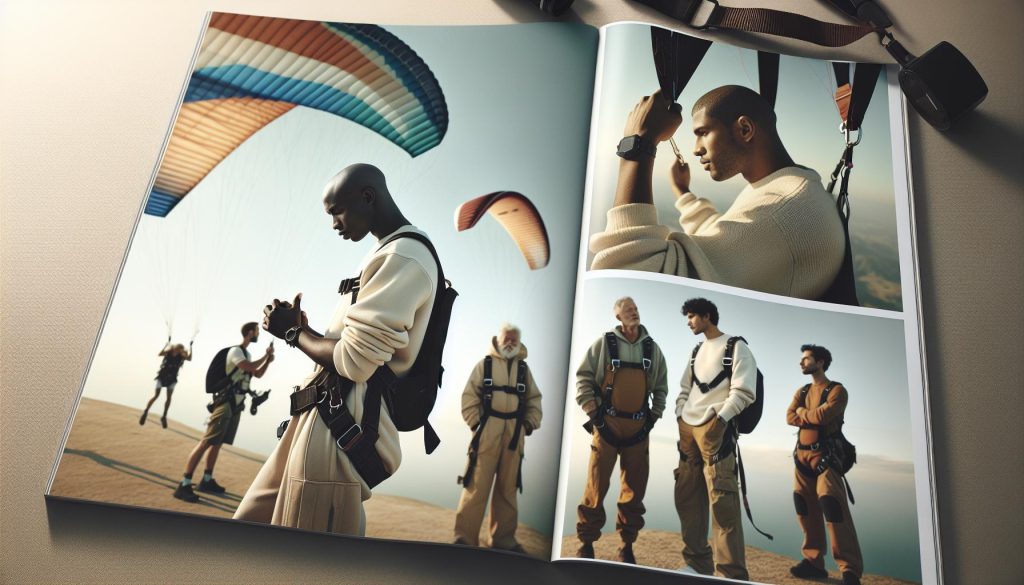
Imagine soaring through the skies, the world unfolding beneath you as you embrace the exhilarating thrill of paragliding and skydiving. These sky adventures offer not just breathtaking views but also a profound sense of freedom that many seek. In this Ultimate Guide to Sky Adventures, we’ll equip you with essential tips and insights to make your journey safe, enjoyable, and unforgettable. Whether you’re a first-time flyer or looking to hone your skills, understanding the nuances of these sports can turn a good experience into a great one. You’ll discover practical advice on what to wear, how to prepare, and key safety considerations, allowing you to focus on the adventure ahead. So, buckle up and prepare to unlock the secrets to your sky-high dreams-adventure awaits!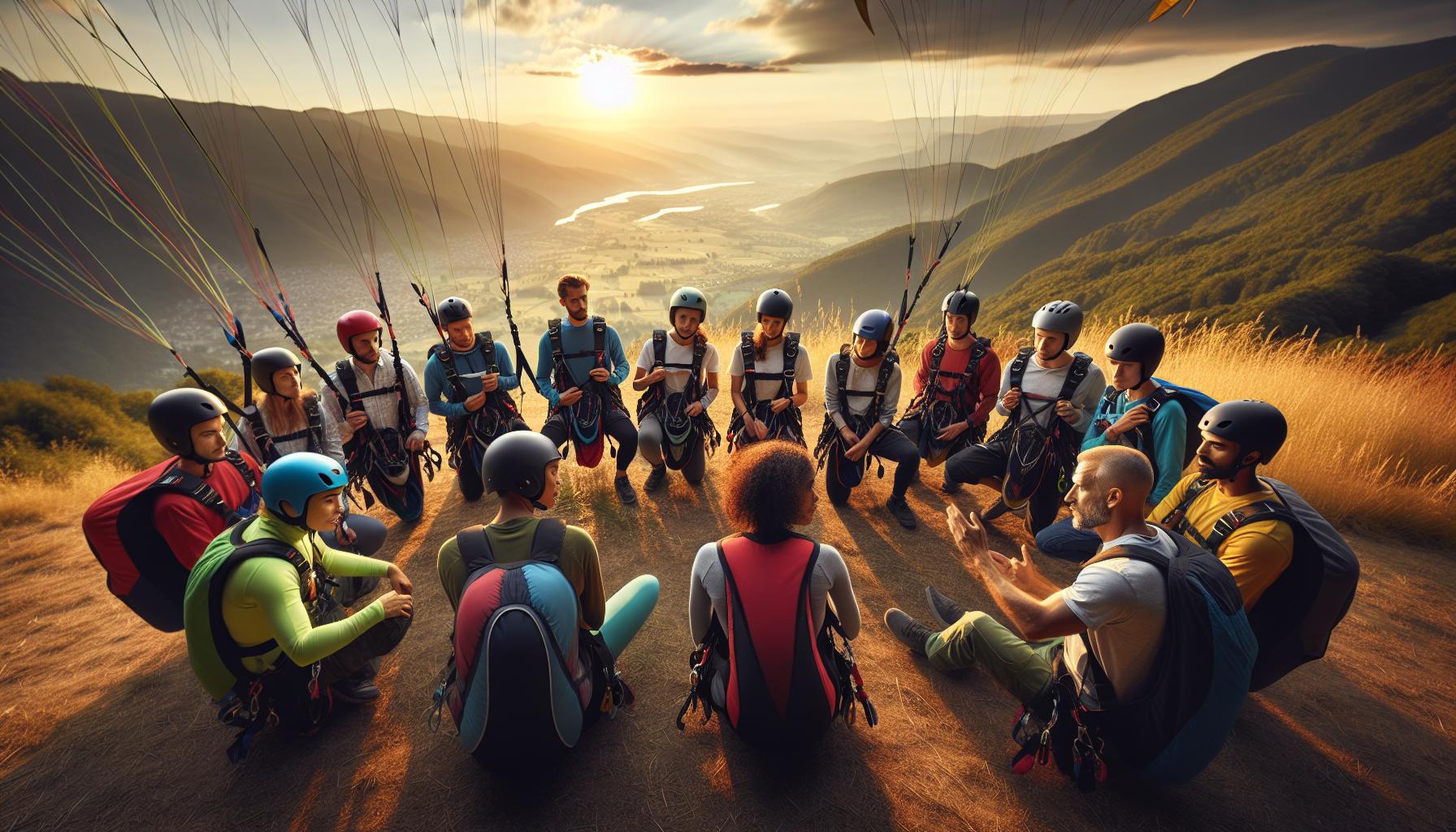
Ultimate Paragliding Tips for Beginners
To embark on your paragliding journey, preparation is key. Did you know that paragliding allows you to glide gracefully above stunning landscapes, unlocking a perspective you can’t achieve from the ground? However, as a beginner, there are essential tips to ensure each flight is not only fun but safe and exhilarating.
First, invest time in understanding the equipment. Familiarize yourself with the wing, harness, and reserve parachute. The right gear is crucial-not just for safety but for maximizing your comfort as well. Ensure your paraglider is suitable for your weight and skill level; this information is typically available from your instructor or retailer. Additionally, practice packing your glider properly-many beginners overlook this critical skill that can save you time and effort at the launch site.
Next, choose the right weather conditions for your first few flights. Ideal days have light winds and clear skies, allowing you to gain confidence without overwhelming challenges. Keep an eye on local meteorological reports, as situations can change rapidly. Also, understand lift-thermal currents can make a significant difference in your flight duration and altitude. Familiarize yourself with local spots where thermals are commonly found.
Finally, connect with a supportive community. Joining a local paragliding club can enhance your experience tremendously. You’ll meet seasoned pilots who can share valuable insights, tips, and maybe even arrange mentorship. Many beginners find the camaraderie and shared excitement of learning together to be incredibly rewarding. Remember, every pilot was once a beginner-embrace the journey, seek out learning opportunities, and soon you’ll be soaring high above the world, fully embracing the freedom of flight.
Skydiving Essentials for First-Time Jumpers
The thrill of jumping from thousands of feet in the air can be exhilarating, but understanding the essentials of skydiving is vital for a first-time jumper. You’ll find that taking the plunge is not just about the leap itself; it’s about preparation, understanding your gear, and embracing the experience to make your jump safe and enjoyable.
Before you take off, familiarize yourself with your gear. Here’s a closer look at what you’ll typically encounter:
Essential Skydiving Gear
- Parachute System: This includes the main parachute and a reserve parachute, both of which should be regularly inspected and properly packed.
- Harness and Container: This system secures you during the jump and ensures that your parachute deploys correctly. Make sure it’s fitted properly by a professional.
- Helmet: Essential for protecting your head during both the jump and the landing.
- Jump Suit: Wear a jumpsuit that fits well; it helps in aerodynamics and keeps you warm at high altitudes.
- Altimeter: This device measures your altitude, allowing you to know when to deploy your parachute. Both audible and visual altimeters are commonly used.
Knowing how to use this gear is paramount. Make sure to attend the pre-jump briefing offered by your instructor, as they will walk you through the functionality and importance of each piece of equipment. A clear understanding helps in reacting calmly during the jump.
Choosing the Right Skydiving Experience
When deciding on your first jump, consider whether you want to go solo or tandem. Tandem skydiving is an excellent choice for beginners as you’ll be attached to an experienced instructor who will manage the jump, leaving you to enjoy the rush. If you choose to go solo, be prepared to undergo an Accelerated Freefall (AFF) program, which involves ground school and multiple supervised jumps.
Timing is also crucial. Aim for clear days with minimal wind to enhance your jumping experience. If you’re nervous about the leap, remembering that even seasoned jumpers face their fears can help put things in perspective. Embrace the adrenaline rush, and focus on the breathtaking views as you soar through the sky-it’s a moment you’ll treasure for a lifetime.
In summary, coming prepared with knowledge about your gear, choosing the right jump type, and aligning your jump day with favorable weather can transform your skydiving adventure into an unforgettable experience. So gear up, trust your instructor, and savor the thrill of your first jump!
Preparing for Your Sky Adventure: Gear and Packing
Before embarking on a sky adventure, whether it’s paragliding or skydiving, the right gear and meticulous packing can make a world of difference. Imagine soaring through the clouds, confidence surging as you’re fully equipped and prepared for the experience ahead. This section will guide you through the essentials of what you need and how to pack efficiently for your adventure in the sky.
Essential Gear for Your Sky Adventure
Choosing the right gear not only ensures safety but also enhances your overall experience. Here’s a list of key items you should consider:
- Parachute System: The backbone of your adventure, comprising a main parachute and a reserve parachute. Regular inspection and proper packing are critical.
- Helmet: Protect your head during the jump and landing, ensuring it fits snugly and comfortably.
- Harness: This secure system attaches you to your parachute and should be tailored to fit your body perfectly.
- Jump Suit: Wear a well-fitting jumpsuit to maintain aerodynamics; it also keeps you warm at altitude.
- Altimeter: Essential for monitoring your altitude-both audible and visual types are useful for jumpers.
- Gloves: A good pair of gloves can protect your hands against cold winds and improve grip.
- Footwear: Opt for sturdy, comfortable shoes that provide good traction on the ground.
Packing Tips for Your Gear
When packing, organization is key. A well-packed bag can save time and reduce stress before your jump:
- Use a dedicated gear bag: Invest in a bag specifically designed for sky adventures to keep everything in one place.
- Layer your items: Place heavier items like shoes at the bottom and lighter items on top to prevent crushing delicate gear.
- Checklists: Create a checklist to ensure you don’t forget essential items. Ticking items off as you pack builds your confidence.
- Essentials pouch: Keep necessary items like your altimeter and goggles in an easily accessible pouch for quick access.
Final Preparation Steps
Before you head out, perform a final gear check. Ensure that each piece of equipment is functioning correctly and that your bag is secure. Remember to dress appropriately for the weather, factoring in temperature changes during altitude shifts. As you prepare, take a moment to visualize your jump and relish the excitement of your sky adventure-this mental preparation is just as crucial as the physical gear you bring.
With your gear packed and ready, you’re one step closer to an unforgettable experience in the sky. Whether you choose to paraglide or skydive, being well-prepared sets the stage for an exhilarating adventure that you will cherish forever.
Understanding Weather Conditions for Sky Activities
Weather can be a make-or-break factor for your sky adventure, influencing both safety and enjoyment. Understanding the local weather patterns is crucial before you leap into the blue. Wind speed, temperature, and cloud coverage can change rapidly at high altitudes, and each of these elements can significantly impact your experience in the air. For instance, jumping with strong winds can lead to drift, making landings more complex, while low clouds might obscure visibility, turning your thrilling dive into a daunting experience.
Wind Considerations
Wind plays a pivotal role in both paragliding and skydiving. For paragliders, consistent wind speeds between 15 to 20 mph are optimal for smooth flights as they rely on updrafts for longer glides. However, gusty winds or sudden changes in direction can destabilize the paraglider. Skydivers, on the other hand, aim for calm conditions, as higher wind speeds can affect freefall orientation and landing accuracy. Always stay attuned to the local wind forecasts, ideally checking updates from reliable weather apps or local aviation resources before your jump.
Temperature and Its Effects
Temperature variations can also greatly affect your sky activity. As altitude increases, temperatures tend to drop drastically; layers are key! Early mornings might offer perfect conditions for paragliding, but temperatures can fluctuate once the sun rises, creating turbulence. Dress in layers that can be added or removed as needed – warmth will keep you comfortable while reducing the risks associated with flying in cooler climates.
Cloud Cover and Visibility
Cloud cover impacts both activities, particularly paragliding which requires clear skies for safe and enjoyable flights. Ideally, look for days with few clouds and ample visibility. Skydivers train to operate under various cloud conditions, but low visibility often calls for experienced jumpers rather than first-timers. Keep an eye on the weather forecast and look for dense cloud cover or impending storms that can turn a beautiful day into a perilous situation.
As you gear up for your sky adventure, always check localized and real-time weather updates to ensure your trip is safe and enjoyable. Connecting with local schools or guides can also provide invaluable insight and expertise about the best conditions for your sky experience. Embrace the thrill of flying, but never underestimate the importance of understanding and respecting the weather!
Budgeting for Paragliding and Skydiving Trips
Sky adventures like paragliding and skydiving are not just about the thrill; they require thoughtful budgeting to ensure you can enjoy the experience without breaking the bank. Factors such as location, type of jump, and additional services can significantly influence your total costs. Understanding these elements will help you plan a memorable trip that aligns with your financial comfort zone.
When considering skydiving, first-time jumpers can expect to pay between $200 and $400 for a tandem skydive, which is the most common option for beginners. This price often covers essential training, gear rentals, and the jump itself. If you want to capture the thrill on camera, consider budgeting for added costs like video or photo packages, which can range from $100 to $150 extra [2[2].
For paragliding, costs can vary widely depending on your destination and whether you’re opting for a tandem flight or lessons. Typically, you might spend $150 to $300 for a tandem pilot-led flight, while certified training courses run from $800 to $2,500, depending on the length and depth of the program. Packages that include accommodation or multiple flights can also offer you savings in the long run.
To manage your budget effectively, consider the following tips:
- Research numerous locations: Prices can vary greatly. Popular sites might charge more due to demand, while lesser-known spots could offer more affordable options.
- Look for package deals: Some companies offer discounts for group bookings or combination packages that can save you money on lessons and jumps.
- Plan during off-peak times: Avoiding peak seasons can lead to lower prices, and you may enjoy a less crowded experience.
- Check for local deals: Websites and social media pages often have promotions or discounts for specific days or events.
By examining your options and planning ahead, you can enjoy exhilarating sky adventures that won’t leave your wallet in free fall!
Choosing the Best Locations for Your Sky Adventure
Choosing the right location for your sky adventure can significantly enhance your experience, ensuring unforgettable views, thrilling conditions, and convenient logistics. Whether you’re diving headfirst into skydiving or gliding gracefully through the air while paragliding, the perfect spot can make all the difference. Picture yourself soaring above breathtaking landscapes, from lush valleys to stunning coastlines; the right destination will not only provide the excitement of freefalling or floating but also create cherished memories.
When selecting a location, consider these key factors:
Scenic Beauty
Some of the most sought-after locations around the globe double as visual spectacles that will leave you in awe. For skydivers, places like Interlaken in Switzerland and Cape Town in South Africa offer dramatic drops alongside stunning moments of tranquility over iconic landscapes. Meanwhile, paragliders often flock to the French Alps for breathtaking mountain scenery or the coastal cliffs of Brazil, perfect for gliding on thermals while absorbing spectacular ocean views.
Weather Conditions
The best weather for sky activities typically features clear skies, mild winds, and stable conditions. Researching the ideal seasons for your chosen destination can drastically affect your experience. For example, summer in the European Alps is popular for paragliding, while spring and early fall are often the best seasons for skydiving in coastal areas like Southern California, where conditions are generally more predictable.
Accessibility and Infrastructure
Choose locations that are not only beautiful but also accessible and equipped with the necessary safety infrastructure. Regions with established skydiving or paragliding schools ensure that you’ll have access to qualified instructors, top-notch equipment, and a community of fellow enthusiasts. Locations such as Queenstown in New Zealand are famous for adventure sports; they provide all the necessary support for first-timers and experienced adventurers alike, making logistics smooth and stress-free.
- Research Popular Sites: Popular locations might cost more, but they usually provide more reliable services and facilities.
- Look for Off-Peak Opportunities: Selecting less busy times can save you money and provide a more personalized experience.
- Factor in Travel Costs: Consider the expense of getting to your destination, especially if it requires flights and accommodations.
In summary, the right location can transform your sky adventure from just another thrill into a once-in-a-lifetime experience. Whether you’re flying high over azure seas or diving into vibrant cityscapes, choosing the right destination will ensure that your sky experience is as unforgettable as the view.
Safety Tips: What Every Sky Adventurer Should Know
When it comes to sky adventures, safety should always be your top priority. Both paragliding and skydiving expose participants to unique challenges, so understanding the potential risks and how to mitigate them is crucial for a memorable and secure experience. From pre-flight checks to post-landing protocols, being well-prepared can enhance not just your safety but also your enjoyment of the experience.
Start with the basics: always choose a reputable school or company for your sky adventure. Look for establishments that provide thorough training, experienced instructors, and positive reviews from past participants. In paragliding, for instance, ensure your instructor has the necessary certifications and that the equipment meets safety standards. Similarly, skydiving centers should follow stringent safety regulations and have a solid track record. The right operator will not only provide you with the best gear but also instill confidence through their safety protocols.
Before embarking on your flight or jump, familiarize yourself with the specific safety measures for your chosen activity. For paragliding, this might include learning how to control your wing and understanding how to respond to changing wind conditions. Practice proper takeoff and landing techniques under the guidance of your instructor. In skydiving, ensure you’re well acquainted with the equipment, including the parachute deployment system and emergency procedures. A great deal of safety is about preparation, and knowing your equipment and procedures helps reduce anxiety and boosts confidence.
Stay Aware of Environmental Conditions
Weather plays a significant role in the safety of your adventure. Check the forecast before you go, and avoid flying or jumping in adverse conditions, such as high winds, thunderstorms, or low visibility. Each location has its own ideal weather conditions for sky activities. For instance, many paragliders prefer the summer months in the European Alps for optimal thermal lift, while skydivers might find spring and fall more suitable for coastal jumps. Being aware of local weather patterns not only enhances your safety but also improves your overall experience.
Lastly, trust your instincts and communicate openly with your instructor. If something feels off, whether it’s the weather, equipment, or your own comfort level, don’t hesitate to speak up. The best adventures are those where you feel fully empowered and in control. Remind yourself that safety is not just about following rules-it’s about making informed decisions that prioritize your wellbeing. With the right knowledge, preparation, and mindset, you can ensure your sky adventure is thrilling and safe, leaving you with nothing but exhilaration and unforgettable memories.
Overcoming Fears: Mental Prep for Your Sky Experience
Approaching the edge of a towering cliff or standing at the open door of an aircraft can inspire awe but also fear. It’s natural to feel a rush of adrenaline or even panic before a paragliding or skydiving experience. However, with proper mental preparation, you can transform those initial nerves into exhilaration and empowerment.
A powerful technique to overcome fear is visualization. Before your adventure, spend some time imagining yourself in the sky, feeling the wind on your face and absorbing the breathtaking views. Picture every detail: the smooth takeoff, the peaceful descent, and the joy of landing safely. This method not only helps familiarize your mind with the process but also reinforces positive outcomes. Pair this with deep breathing exercises to calm your nerves. Inhale deeply, hold for a few seconds, then exhale slowly. This practice can significantly reduce anxiety and prepare your body for the physical experience ahead.
Talking to experienced adventurers can also ease your worries. Hearing firsthand stories from those who have taken the plunge can offer priceless insights and help normalize your fears. Most people who have faced similar challenges will share how their fears faded once they were in the air, replaced by a sense of freedom and achievement. Additionally, you might find that joining a community or online forum dedicated to paragliding or skydiving can provide support and encouragement.
Lastly, remind yourself that instructors are there to guide you through every step of the experience. They are skilled professionals who thrive on helping people conquer their fears. Don’t hesitate to ask them questions or express any concerns. Understanding the safety measures in place, the gear you’re using, and your instructor’s expertise can assure you that you are making a safe choice. Embrace your fears as part of the adventure, and remember that the thrill of soaring above the landscape will make every moment you spend confronting them worthwhile.
Maximize Your Experience: Photography Tips While Skydiving
Imagine free-falling through the sky, the wind rushing past you, and the stunning landscape below serving as your momentary backdrop. Capturing these breathtaking moments while skydiving is an art in itself, and with the right tricks, you can immortalize your ascent and descent in stunning photographs that will leave you and your friends in awe.
To get the best shots, choose your camera wisely. A lightweight action camera, like a GoPro, is perfect as it can easily be mounted on your helmet or wrist, providing a dynamic perspective. Ensure it’s securely attached to prevent any drops during your jump. If you prefer a more traditional DSLR or mirrorless camera, you’ll need a sturdy harness that allows you to shoot without compromising your safety. Set your camera to a fast shutter speed to capture crisp images during the rapid descent and consider using burst mode to shoot multiple frames. This way, you’ll have plenty of options to choose from after your adventure.
Before you jump out of the plane, take your time to frame your shot. Consider the horizon and the views around you, and if you’re jumping with friends, coordination is key. Plan to create a fun composition by positioning everyone in a way that captures both action and expressions. Don’t forget to be mindful of the light conditions; early morning or late afternoon jumps often produce softer, more flattering light.
After capturing your airborne moments, the excitement doesn’t stop once you land. Edit and share your photos to keep the adrenaline going among your friends and family. Use simple editing apps to enhance colors and contrast without overdoing it, maintaining the authenticity of the experience. Creating a stunning photo album or slideshow can also be a great way to relive the adventure and inspire others to take the plunge into their sky adventure!
Ultimately, the key to maximizing your photographic experience while skydiving is preparation and creativity. With the right gear and a bit of planning, your sky-high shots can be as memorable as the thrill of the jump itself.
Adapting Your Sky Adventure for Families and Kids
Planning a sky adventure with the family is an incredible way to create lasting memories, but it requires a bit of thoughtful preparation to ensure everyone has a fantastic experience. Involving kids in the planning process is not only engaging but also helps them feel more excited and eager to participate. Whether you’re considering paragliding or skydiving, understanding age and weight restrictions, as well as safety guidelines, is crucial.
Safety First
When planning a family sky adventure, safety should be at the forefront. If your kids are eager to join in, check the age and weight requirements for each activity. For example, many tandem skydiving companies accept kids as young as 12, provided they have parental consent and meet weight criteria. In paragliding, age restrictions can vary more widely based on the operator. It’s best to contact local operators beforehand to discuss your family’s specific situation.
Choose the Right Adventure
Consider the specific preferences and comfort levels of each family member. While paragliding can provide a peaceful and scenic experience that may be more suitable for younger children, skydiving offers a thrilling free-fall that may excite older kids. Briefing the family on what to expect and allowing them to voice their preferences can help avoid any pre-jump jitters.
Gear and Packing
Don’t forget to pack appropriately for your sky adventure! Emphasize comfort and safety by ensuring that everyone has suitable clothing. This includes:
- Windbreakers or jackets to protect against chill at altitude
- Comfortable clothing that allows for movement
- Closed-toed shoes with good support
- Any personal items that kids might need like snacks or a favorite toy for comfort
Familiarizing Them With the Experience
Before the jump, introduce your kids to the basics of paragliding or skydiving to help alleviate any fears. Watching instructional videos together or visiting the facility for a tour can help them feel more at ease. If possible, consider starting with a flight simulation or indoor skydiving experience, which provides the thrill of flying in a safe environment and is a fantastic way to get the family excited about the real thing.
Post-Adventure Debrief
After your sky adventure, take some time to sit down as a family and relive the experiences. Discuss what everyone enjoyed and what they found surprising or challenging. Sharing photos and perhaps even comparing aerial footage from GoPros can be a fun way to extend the excitement and encourage conversations about future adventures.
By taking these steps, you’ll not only enhance the overall enjoyment of your family’s sky adventure but also provide a supportive environment for each member to embrace the thrill of the experience!
Comparing Paragliding and Skydiving: Which is Right for You?
When it comes to soaring the skies, choosing between paragliding and skydiving is a thrilling dilemma! Each offers a unique experience, catering to different tastes and thrill-seeking levels, making it essential to understand what each adventure entails before making your choice.
Paragliding is often considered the gentler of the two activities. It provides a serene, graceful flight, where pilots take off from a slope and enjoy the view as they glide through the air. This method allows you to feel the air currents and can often last longer than a free-fall experience, giving you the chance to appreciate breathtaking landscapes from above. If you enjoy a blend of adventure and tranquility, paragliding could be the perfect fit. It’s particularly suitable for those who may feel apprehensive about the sensation of falling, as the ascent is gradual, allowing for a more laid-back approach to flying.
In contrast, skydiving is all about adrenaline and excitement. Jumping out of an airplane at thousands of feet elevates your heart rate, offering a thrilling free-fall experience before the parachute deploys for a gentle descent. Skydiving tends to attract those who crave intense adventure and the rush of being in free-fall. If your group leans towards seeking thrills and enjoying rapid descents, skydiving is likely the adventure you’re looking for.
When deciding, consider a few factors that may enhance your experience:
- Physical Fitness: Both activities require a degree of physical health, but paragliding can be more accessible for those with mobility issues.
- Duration: Paragliding flights can last 20-30 minutes or more, while skydiving typically features a shorter experience due to the free-fall phase.
- Social Experience: Tandem skydiving is often a popular choice for first-timers and can be a communal experience, while paragliding offers a quieter, solitary encounter with nature.
Ultimately, your personal preferences-whether they lean toward tranquility or exhilaration-will guide your choice between paragliding and skydiving. Both offer unique ways to experience the thrill of flying, ensuring that whichever you choose, you’re set for an unforgettable adventure in the skies!
Finding the Right School: Certification and Training Options
Choosing the right school for your paragliding or skydiving journey is a pivotal step in ensuring a safe and memorable experience. It can directly influence your skills, confidence, and enjoyment as you take to the skies. A well-selected training program not only equips you with essential skills but also immerses you in a community of fellow enthusiasts who share your passion for adventure.
Start by researching schools that have a solid reputation and are certified by national or international organizations, such as the United States Parachute Association (USPA) for skydiving and the Fédération Aéronautique Internationale (FAI) for paragliding. Look for schools with experienced instructors, positive reviews from former students, and a strong safety record. Consider schools that offer introductory courses or tandem jumps as a way to sample the experience before fully committing.
When it comes to training methods, consider your learning preferences. Some schools may offer a traditional approach with more classroom instruction, while others might provide a more hands-on experience from the beginning. Look for schools that offer well-structured courses, such as:
- Basic Tandem Course: Ideal for first-time skydivers, this involves jumping in tandem with a certified instructor.
- Accelerated Freefall (AFF): A more intensive skydiving course that allows students to jump solo after a minimal amount of ground training.
- Paragliding Tandem Flights: Perfect for beginners, providing a taste of paragliding with an experienced pilot.
- Beginner Paragliding Courses: These usually involve ground school and supervised flights, gradually increasing your skills.
Training duration varies, with basic courses typically lasting a few days, while more advanced certifications may require several weeks or more extensive flying hours. Keep in mind that costs can vary widely depending on location, the prestige of the school, and the equipment provided. Consult multiple schools to compare not just prices but what’s included in each package-some may supply gear, while others may charge additional rental fees.
Lastly, don’t underestimate the value of visiting schools in person. This will give you a feel for the facilities, the staff, and the overall atmosphere. Engaging with instructors and other students can also provide insights that you won’t find online, helping you make a well-informed decision on where to start your sky adventure journey. So, gear up, choose wisely, and get ready to take flight!
Faq
Q: What is the best time of year for paragliding and skydiving?
A: The best time for paragliding and skydiving largely depends on your location. Generally, spring and fall offer ideal weather conditions with stable winds and clear skies. Always check local forecasts and temperatures to ensure a safe adventure. Explore the weather insights in our section on Understanding Weather Conditions for more details.
Q: How do I choose the right paragliding or skydiving school?
A: When selecting a paragliding or skydiving school, consider factors like instructor certifications, safety records, and student reviews. Visit schools to ask about their training methods and gear quality. For a comprehensive guide, refer to our section on Finding the Right School for certified options.
Q: What should I wear for paragliding and skydiving?
A: Wear comfortable, weather-appropriate clothing when paragliding or skydiving. Opt for a fitted long-sleeve shirt, pants, and sturdy shoes. Avoid loose items that might interfere during the jump. Check our Preparing for Your Sky Adventure section for additional packing tips.
Q: Are there age limits for paragliding and skydiving?
A: Many schools have age limits; typically, participants must be at least 18 years old for solo jumps, while tandem options may begin at age 12 with parent consent. Always check with your chosen school’s policies and refer to our Finding the Right School section for specific info.
Q: How do I manage my fear before skydiving or paragliding?
A: To manage fear, practice deep breathing and visualization techniques to maintain calm. Understanding the safety measures and training can also boost confidence. For more strategies, check out our guide on Overcoming Fears for mental preparation tips.
Q: What makes a location the best for skydiving or paragliding?
A: Factors that contribute to a great skydiving or paragliding location include scenic views, reliable weather, and established schools. Popular spots often provide additional amenities and community. For more insights on selecting locations, see our section on Choosing the Best Locations.
Q: Can families participate in sky adventures together?
A: Yes, many skydiving and paragliding schools offer tandem jumps suitable for families. Kids as young as 12 can jump with experience. Always confirm age policies in advance. You can find family-friendly tips in our section on Adapting Your Sky Adventure for Families and Kids.
Q: What equipment is essential for paragliding and skydiving?
A: Essential equipment for both paragliding and skydiving includes a harness, helmet, parachute, and altimeter. Schools typically provide gear, but it’s vital to check for quality and maintenance. Refer to our section on Preparing for Your Sky Adventure to learn more about gear specifics.
The Way Forward
Thank you for joining us on this thrilling journey through the “Ultimate Guide to Sky Adventures: Paragliding & Skydiving Tips.” Remember, the skies are calling! As you prepare for your next adventure, consider exploring our detailed guides on the best paragliding locations and essential safety tips. Don’t miss out on the handpicked gear recommendations that can elevate your experience-your safety and enjoyment are our top priorities!
Feeling inspired? Subscribe to our newsletter for exclusive tips straight to your inbox, so you never miss a new adventure. If you still have questions or need further insights, feel free to drop a comment below or reach out! Don’t forget to check out our related articles on budgeting for sky adventures and comparing the thrill of skydiving versus paragliding. Your next great adventure is just a click away, and we’re here to help you navigate it all. Happy flying!
Get our latest guides, news, and insights highlighted in your Google Search & AI Overviews.


