

Nestled in the remote reaches of the Pacific Ocean, Easter Island is a captivating destination known for its enigmatic moai statues and rich Polynesian culture. Planning a trip to this unique locale requires insider knowledge to navigate its unexpected challenges and unforgettable experiences. Whether you’re a family seeking adventures, a couple on a romantic getaway, or a solo traveler craving inspiration, your journey to Easter Island promises both wonder and fulfillment. With the right planning, you can explore its striking landscapes, dive into its history, and connect with the local culture without overwhelming costs or logistics. This essential guide will equip you with practical tips on the best times to visit, must-see sites, and crucial logistics, ensuring that your adventure to this distant paradise is as seamless and rewarding as possible. Read on to discover how to make the most of your trip to this remote island treasure!
Best Times to Visit Easter Island for Milder Weather

The enchanting Easter Island, known for its moai statues and rich culture, experiences mild weather that draws travelers all year round. However, if you’re aiming for the most enjoyable climate, planning your visit between late March to early April or between September and November is your best bet. During these months, temperatures hover around a comfortable 60-75°F (15-24°C) with less humidity and fewer rain showers, making it ideal for exploring the island’s outdoor wonders.
Optimal Weather Conditions
Visiting during these shoulder seasons not only guarantees mild weather but also presents an opportunity to experience less crowded attractions. For instance, hiking up to the Rano Raraku quarry-the birthplace of the moai-offers stunning views without the hustle and bustle of peak tourist season. Here are some key highlights of the different times to visit:
- Late March to Early April: This period marks the end of the summer months, and the weather is pleasantly warm, associated with the Tapati Rapa Nui Festival. Although the island can be busier, the vibrant celebrations and festivities make it a truly unique experience.
- September to November: As spring settles in, the island blooms with wildflowers. Travelers often find this to be a peaceful time to visit, with mild temperatures perfect for beach outings and hikes.
In contrast, the high tourist season from December to February can bring about warmer, more humid conditions along with larger crowds. If you’re okay with slightly warmer temperatures but want to avoid the peak rush, consider late spring or early fall. Ultimately, the most balanced combination of pleasant weather and fewer crowds can turn your trip to Easter Island into an unforgettable adventure.
Essential Packing List for Your Easter Island Adventure
When preparing for your adventure to Easter Island, packing wisely can significantly enhance your experience on this remote and fascinating island. With its stunning landscapes, rich cultural heritage, and variable weather, having the right gear is essential. Here’s a comprehensive list to ensure you have everything you need.
Clothing Essentials
Start by considering the climate. Temperatures can fluctuate, so layering is key:
- T-shirts and Light Long Sleeves: Bring breathable tops to keep you comfortable during the day.
- Lightweight Jacket or Sweater: Evenings can get cool, so a light jacket will come in handy.
- Swimwear: Don’t forget your swimsuit for those beautiful beaches!
- Comfortable Walking Shoes: Essential for exploring the island’s rugged terrain and hiking to the moai sites.
- Sandals or Flip-Flops: Ideal for beach relaxation and casual outings.
Outdoor Gear
Easter Island boasts breathtaking views and trails, so be prepared for adventures:
- Hiking Gear: A sturdy pair of boots will protect your feet when hiking, especially to Rano Raraku and along the coast.
- Hat and Sunglasses: Protect yourself from the sun while exploring.
- Reusable Water Bottle: Staying hydrated is crucial, especially during warm days.
Tech and Photography
Capture your memories with the right tech:
- Camera: A good camera or smartphone with a decent lens for capturing the moai and picturesque landscapes.
- Portable Charger: You’ll be out exploring for long periods, so keep your devices charged.
- Travel Adapter: If you’re coming from abroad, ensure you have the proper adapters for your electronics.
Health and Comfort
Considering the unique location and activities on Easter Island, here are a few additional items to pack:
- First Aid Kit: A small kit with basic necessities can be helpful.
- Anti-Sunburn Cream: Protect your skin from the sun’s harsh rays, especially if you’re not used to tropical climates.
- Motion Sickness Pills: If you plan on boat tours, these can help ease any discomfort.
Remember, packing light is advantageous, and many items can be reused and combined for various activities. With this packing list, you’re well-equipped to enjoy all that Easter Island has to offer, from its majestic moai to the vibrant culture of Rapa Nui. Safe travels!
How to Get to Easter Island: Flights and Options
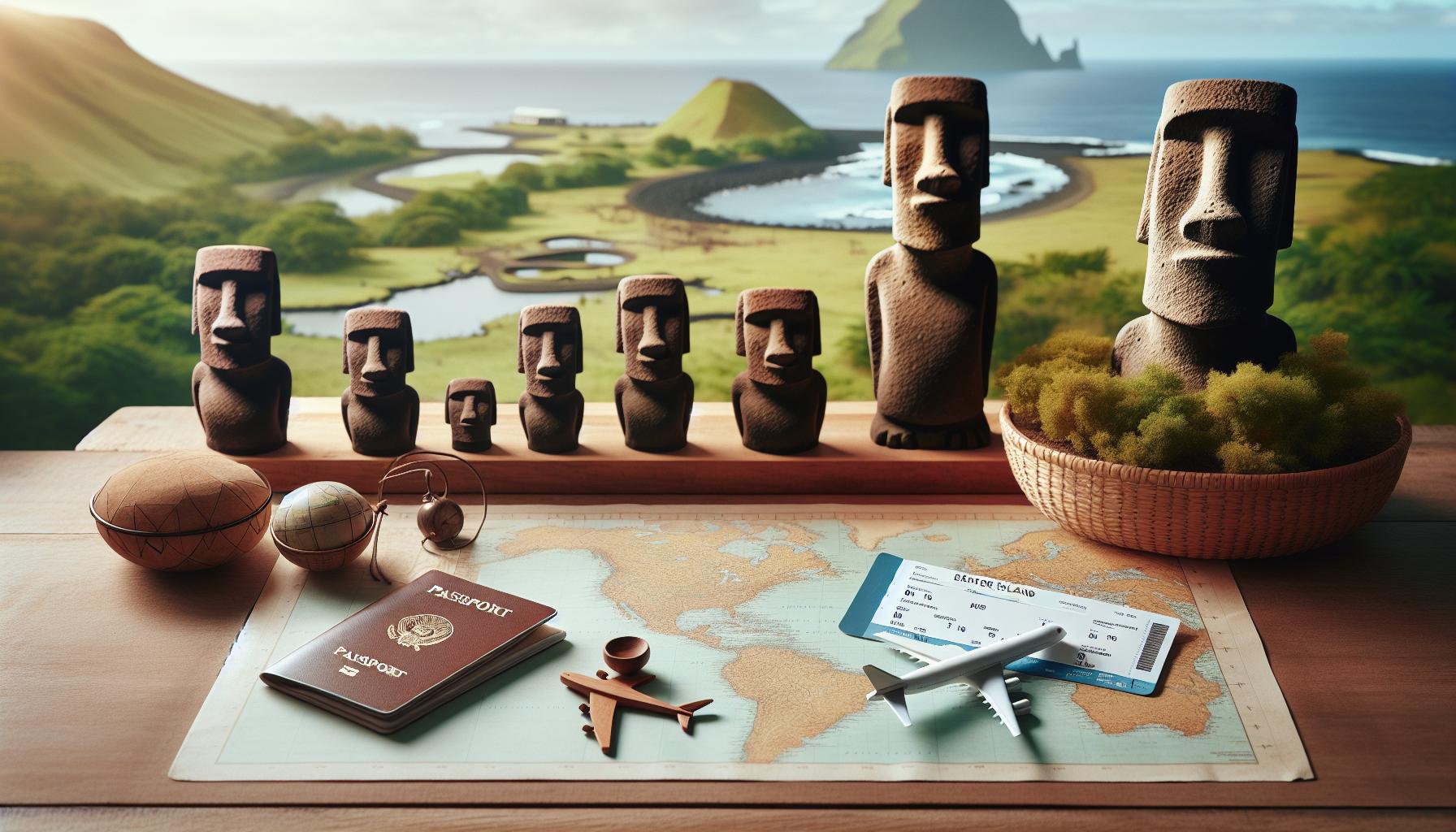
Getting to Easter Island, one of the most remote inhabited islands in the world, is an adventure in itself, but the journey is well worth it for the breathtaking landscapes and rich culture awaiting you. The island, known as Rapa Nui, can be easily accessed via flights from Santiago, Chile, making it an essential stop on your travel itinerary.
Flight Options
Most travelers will begin their journey from Santiago, where several airlines offer direct flights to Mataveri International Airport on Easter Island. The flight duration is approximately 5 hours, so ensure you have your camera ready as you’ll catch stunning views of the Pacific Ocean during your travels. LATAM Airlines frequently operates this route, and it’s advisable to book your tickets in advance, especially if you plan to visit during peak tourist seasons (December to February) when flights can fill up quickly.
Getting There from Other Locations
If you’re starting your journey in another part of Chile, such as Punta Arenas or Puerto Montt, bear in mind that you will need to fly to Santiago first, as there are no direct flights to Easter Island from these locations. Alternatively, you could combine your trip with other South American destinations, but always plan to return to Santiago for your flight to Easter Island.
Travel Considerations
While planning your trip, be prepared for varying ticket prices, which typically range from $400 to $600 round trip, depending on the season and how far in advance you book. Don’t forget to check return flights as well, as Easter Island is a popular destination for travelers to stay for several days to fully experience its wonders.
Lastly, while Easter Island has accommodation options ranging from budget hostels to luxury resorts, make sure to reserve your stay in advance, as they can fill up quickly during peak times. With a bit of planning, your journey to this remote paradise will be an adventure in itself!
Navigating Easter Island: Transportation Tips and Tricks

Getting around Easter Island, one of the world’s most remote destinations, is a unique experience filled with breathtaking views and unforgettable moments. The island’s limited size-just 63 square miles-means you can explore most of its highlights without the need for extensive transportation. Here are some practical tips to navigate and make the most of your venture around Rapa Nui.
Car Rentals
One of the best ways to explore Easter Island is to rent a car. Several local agencies offer competitive rates, making it achievable for the budget-conscious traveler. Renting a car not only gives you the freedom to explore at your own pace but also allows you to visit less accessible sites, such as remote beaches and hidden moai statues. Rates typically range from $50 to $100 per day depending on the model and demand. Just remember that driving is on the right side of the road, and the roads can be a bit rough, so a vehicle with good clearance is recommended.
Alternative Transport Options
If renting a car isn’t in your plans, consider other transportation options. Taxis are available but can be pricey for longer distances. Alternatively, local tour operators offer half-day and full-day excursions that include transportation. These tours can provide valuable context and insight as you explore the island’s rich history and culture, making them an enriching choice for many visitors.
Biking and Walking
For those feeling adventurous, biking is a fantastic option. The island has a few bike rental shops, and cycling allows you to soak in the beautiful landscapes at a leisurely pace. Walking is also a great way to experience the island, especially in popular areas like Hanga Roa. However, always carry water and sunscreen, as the sun can be intense, and some walking trails can be steep and uneven.
Public Transport Considerations
Easter Island’s public transport is limited and may not run on a fixed schedule. Additionally, services may be infrequent, so relying on public buses might not be the best option if you have a packed itinerary. If you do take a bus, be sure to check local times ahead of your trip and plan accordingly.
With these options, navigating Easter Island can be an exciting part of your adventure, allowing you the flexibility and freedom to explore the island’s stunning scenery and fascinating heritage at your own pace.
Top Must-See Attractions on Easter Island

Easter Island, with its striking landscapes and rich cultural history, is home to a variety of stunning attractions that are must-visits for any traveler. From the iconic moai statues to enchanting beaches, each site offers a unique glimpse into the island’s past and its incredible natural beauty.
Iconic Moai Statues
The heart of any visit to Easter Island is undoubtedly the moai statues. These massive stone figures stand as powerful symbols of the Rapa Nui culture. Head to the Rano Raraku Quarry, the birthplace of the moai, where you can witness unfinished statues still embedded in the volcanic rock. The sheer size and scale of these sculptures are awe-inspiring, and the surrounding landscapes create an ethereal experience. For an unforgettable sunset, visit Ahu Tongariki, where 15 restored moai face the rising sun-a spectacle that will leave you breathless.
Historic Ahu Platforms
While the moai are the stars, the ahu platforms that support these statues are equally significant. These ceremonial platforms were constructed for worship and are scattered across the island. Ahu Vai Uri is a prime example, showcasing not only the moai but also the beautifully arranged stonework of the ahu itself. Exploring these sites offers insight into how the Rapa Nui people honored their ancestors and the crucial role these structures played in their culture.
Stunning Beaches
Take a break from historical exploration and unwind at one of Easter Island’s stunning beaches. Anakena, known for its white sands and turquoise waters, is the island’s most famous beach. You can relax under swaying palm trees, swim in the Pacific, and marvel at the moai that overlook the beach. For a more secluded spot, head to Ovahe Beach, which is smaller but equally beautiful, with pinkish sands that create a picturesque setting.
Rano Kau and Orongo Village
For those drawn to natural wonders, Rano Kau is a breathtaking volcanic crater that offers panoramic views of the island. A short hike leads to the Orongo village, a site of great cultural importance where the Birdman competition took place. The petroglyphs carved into the rocks tell stories of the island’s heritage, and the views from the cliffs make the journey worthwhile.
In summary, Easter Island is rich with attractions that cater to diverse interests. Whether you’re a history buff eager to learn about the moai, a beach lover seeking relaxation, or a nature enthusiast drawn to stunning landscapes, the island holds a treasure trove of experiences waiting to be discovered. Be prepared with your camera-each location offers a perfect backdrop for unforgettable memories!
Exploring the Mysterious Moai Statues: What to Know
When you think of Easter Island, the first image that likely springs to mind is the iconic moai, those massive stone figures that have become synonymous with the island’s history and culture. These statues, which number in the thousands, were carved by the Rapa Nui people between 1400 and 1650 AD and serve as powerful symbols representing ancestral worship. But beyond their sheer size and impressive craftsmanship lies a tapestry of stories and cultural significance waiting to be explored.
The moai are not just beautiful sculptures; they embody the social and political hierarchy of the Rapa Nui society. Each statue represented a specific lineage and was often erected on ceremonial platforms called ahu. These platforms were not merely bases; they served as important burial sites for the chiefs of the clans they represented. When visiting places like Ahu Tongariki, where 15 restored moai stand in a line, the experience is more than visual-it’s a profound connection to the ancestors and the community that honored them.
To truly appreciate these statues, it’s essential to understand their context and the artistry behind them. The quarry at Rano Raraku is where the majority of the moai were sculpted, and it’s a must-visit site for anyone interested in the production process. You will find nearly 400 moai still in various stages of completion, offering a glimpse into the techniques of the carvers, who used volcanic tuff to create their work. The sight of these unfinished statues, some of which still remain lodged in the stone, highlights the immense effort and reverence attributed to these figures.
When planning your adventure, aiming for early morning or late afternoon visits can maximize your experience. These times not only offer softer lighting for photography but also enhance the spiritual ambiance of the locations. To deepen your knowledge, consider hiring a local guide who can share stories and insights about the moai and their relationship with the Rapa Nui culture. Engaging with the history and meaning behind these statues transforms a simple visit into an unforgettable journey through time, bringing a rich cultural landscape alive before your eyes.
Cultural Insights: Understanding Rapa Nui Traditions
The rich cultural tapestry of the Rapa Nui people is woven from traditions and beliefs that have thrived on Easter Island for centuries. One of the most striking aspects of Rapa Nui culture is the spiritual connection with their ancestors, encapsulated in the construction of the moai statues. Each moai not only represents a lineage but also serves as a reminder of collective heritage, showcasing the profound respect the Rapa Nui people have for their past. This connection is celebrated in traditional ceremonies, where music, dance, and rituals bring the community together to honor their ancestors.
Understanding Rapa Nui traditions also involves appreciating their unique customs in daily life. The islanders have a strong agricultural and fishing culture that reflects their reliance on the land and sea. Traditional practices, such as the cultivation of sweet potatoes and taro, along with fishing techniques passed down through generations, are still very much a part of life on the island. Visitors should explore local markets and participate in workshops to gain hands-on experience of these vital customs.
Key Traditions to Explore on Easter Island
- Dance and Music: The Rapa Nui people have rich musical traditions that are intertwined with their cultural identity. Traditional dances such as the “Hoko,” performed during festivals and significant occasions, incorporate storytelling and history.
- Tattoo: Tattoos hold deep meaning in Rapa Nui culture, often symbolizing personal experiences, status, and family lineage. Engaging with local tattoo artists can offer insights into the artistic and spiritual significance behind their designs.
- Language: While Spanish is the official language, Rapa Nui remains integral to the island’s identity. Learning a few words or phrases can enhance your connection with the local community and show respect for their heritage.
By immersing yourself in these traditions, you’ll not only enrich your experience but also contribute to the preservation of Rapa Nui culture. Engaging with local community members, attending cultural events, and supporting indigenous-led tours can deepen your understanding while ensuring that your travel has a positive impact. Remember, every interaction you make on the island is an opportunity to honor its history and people.
Where to Stay: Accommodation Options for Every Budget
The charm of Easter Island is matched only by its array of accommodation options, ensuring that every type of traveler can find a place to rest after exploring its iconic landscapes and rich culture. Whether you’re a luxury seeker, a budget traveler, or anything in between, the island caters to diverse preferences and needs.
Luxury Stays
For those looking to indulge, Easter Island offers some beautiful upscale hotels. Properties like the Hotel Hangaroa Eco Village & Spa provide breathtaking views and exquisite amenities, including a spa and gourmet dining. With a focus on sustainability, these hotels are not just comfortable but also environmentally conscious, perfect for those wishing to unwind in style while also respecting the island’s delicate ecosystem.
Mid-Range Options
Travelers seeking moderate pricing can find charming guesthouses and boutique hotels without sacrificing comfort. Taha Tai Hotel is a popular choice, blending affordability with conveniences such as an outdoor pool and a fantastic restaurant that serves delicious local dishes. Many mid-range accommodations are centrally located, making it easy to explore the island on foot.
Budget-Friendly Accommodations
If you’re watching your spending, there are several budget-friendly hostels and lodges ideal for solo adventurers or families. Hostel Rapa Nui offers dormitory-style rooms as well as private options, providing a great way to meet fellow travelers. Basic amenities are complemented by a communal kitchen, allowing you to save on dining costs by preparing some of your own meals.
Unique Stays
Consider stepping away from traditional lodging and opting for unique experiences like staying in local cabins or eco-friendly lodges. Many of these accommodations offer direct access to nature and cultural experiences, giving you a first-hand glimpse into the Rapa Nui lifestyle. Look for places that offer guided tours or local guides, enhancing your experience of this mysterious island.
When choosing where to stay, consider your travel style, budget, and the experiences you wish to have. With a variety of options, Easter Island ensures everyone can enjoy its beauty and culture comfortably.
Dining on Easter Island: Best Local Cuisine and Restaurants
Easter Island offers a culinary experience as rich and diverse as its history. Nestled in the remote South Pacific, the island’s local cuisine is influenced by the fresh seafood available in its surrounding waters and the agricultural practices brought by the Rapa Nui people. This vibrant array of flavors has something for every palate, making dining an adventure in itself.
One cannot visit Easter Island without indulging in a feast of local fish. Dishes featuring mahi-mahi, tuna, and octopus are common; you’ll often find them grilled or served as ceviche, showcasing the island’s connection to the ocean. For a taste of tradition, sample ikan tuna, marinated in lemon juice and paired with sweet potatoes for a true local touch.
When it comes to dining options, you’ll find a wealth of choices:
Top Restaurants to Try
- Te Moana – Known for its fresh seafood menu and beautiful sea views, this restaurant is a favorite among both locals and tourists alike.
- Hanga Roa Eco Village & Spa – Here, you can enjoy a mix of traditional Rapa Nui dishes and international cuisine, all in a stunning, eco-conscious setting.
- Pizzeria Masa – Perfect for a casual night out, offering delicious pizzas that cater to vegetarian and meat-loving diners.
Additionally, don’t miss out on sampling the local drink, terere, a refreshing infusion made from local herbs that will quench your thirst after a day of exploration. For dessert, try tropical fruits like papaya and passion fruit, often served fresh or as sorbets.
As the sun sets over the Pacific, many dining establishments transform into lively cultural spots featuring traditional music and dance, enhancing your experience. Whether you are looking for a casual meal or a more upscale dining adventure, Easter Island’s culinary scene will not disappoint. Enjoy discovering the flavors that make this island unique as much as its iconic moai statues.
Activities for All Travelers: Families, Couples, and Solo Explorers
Easter Island, or Rapa Nui, is not only famed for its enigmatic moai statues but also for the myriad activities that cater to various types of travelers. Whether you’re a family seeking adventure, a couple looking to create romantic memories, or a solo explorer eager for self-discovery, the island has something special for everyone.
For families, the island offers engaging experiences that appeal to both young and old. Head to the Rano Raraku quarry, where the iconic moai were sculpted, to see the historical significance come alive. Guided tours often provide fascinating insights, making this a fun and educational experience for children. Additionally, spending a day at Anakena Beach allows families to relax, build sandcastles, and perhaps even snorkel in the clear waters. Don’t forget to try the local ice cream vendor nearby-a perfect treat for the little ones!
Couples will find the island’s surreal landscapes and tranquil settings an ideal backdrop for intimacy. Enjoy a sunset picnic at Ahu Tongariki, the largest moai platform, where the sight of the sun dipping over the Pacific conjures a picture-perfect moment. Alternatively, consider a horseback riding tour along the scenic coastline; it’s a unique way to bond while appreciating the island’s natural beauty. Look out for special events or cultural performances; they can enrich your visit by allowing you to experience the vibrant Rapa Nui traditions together.
For solo travelers, Easter Island is a haven for introspection and adventure. Nature hikes through volcanic craters like Rano Kau allow for solitude and reflection amidst stunning views. Engaging with locals at small eateries not only provides delicious meals but also opportunities to learn about their culture and daily life. For a dose of adrenaline, try scuba diving to explore the rich marine biodiversity; the feeling of being surrounded by colorful fish and coral reefs is simply unforgettable.
In essence, no matter how you choose to experience Easter Island, each activity resonates with the essence of adventure, history, and culture, ensuring that every traveler leaves with lasting memories.
Safety Tips and Health Precautions for Travelers
Visiting Easter Island offers a unique adventure, but it’s essential to prioritize your safety and health while soaking in its breathtaking landscapes and rich culture. The first key aspect is to ensure you’re adequately prepared for the island’s remote location. While healthcare facilities are available, they may be limited compared to what you’d find on the mainland. It’s advisable to pack a small personal first-aid kit, including staples like adhesive bandages, antiseptic wipes, pain relievers, and any personal medications you might need. This preparation can save you from unnecessary inconvenience or discomfort during your stay.
Health Precautions
To fully enjoy your time on the island and avoid any health hiccups, consider these important health precautions:
- Stay Hydrated: The tropical climate can be deceptively dehydrating. Drink plenty of water, especially if you’re exploring the island’s arid terrain or engaging in physical activities.
- Sun Protection: The sun can be intense, so wear a broad-spectrum sunscreen with high SPF, apply it liberally, and reapply it throughout the day. A wide-brimmed hat and sunglasses are also highly recommended for extra protection.
- Food and Water Safety: Enjoy the local cuisine, but ensure that the food is prepared safely to avoid any stomach issues. Stick to bottled water and be cautious with street food, especially if you’re unfamiliar with local hygiene practices.
Safety Tips
Navigating the island safely is equally crucial. Engaging in outdoor activities is a highlight of the trip, but it’s wise to adhere to a few safety practices:
- Respect Natural Landscapes: The volcanic terrain can be challenging. If you plan to hike or surf, ensure you’re aware of your limits and choose trails appropriate for your skill level. Inform someone of your plans and estimated return time.
- Wildlife Awareness: While the island is not home to dangerous wildlife, it’s always good practice to keep a safe distance from any animals, especially on trails and near the coast.
- Local Laws and Customs: Familiarize yourself with local laws, especially regarding cultural sites. Many of the moai and sacred locations have specific guidelines, and maintaining respect for Rapa Nui traditions is crucial for a fulfilling visit.
With these precautionary measures in mind, you can concentrate on experiencing the island’s wonders without unnecessary worry. Whether marveling at the iconic moai statues or diving into its clear waters, a little preparation goes a long way in ensuring a seamless and unforgettable adventure on Easter Island.
Crafting Your Perfect Itinerary for Easter Island
There’s nothing quite like planning a journey to one of the most isolated places on Earth-Easter Island. With its stunning landscapes and rich cultural heritage, crafting a perfect itinerary can transform your visit into a memorable adventure. Whether you’re indulging in luxury or embarking on a budget-friendly exploration, having a clear plan allows you to make the most of your time on Rapa Nui.
Start with understanding the must-see highlights that define Easter Island. Spend at least a day exploring the awe-inspiring moai statues at Rano Raraku, the quarry where these iconic sculptures were carved. A visit to Ahu Tongariki, the largest ceremonial platform, is also essential; the sight of 15 moai standing against a dramatic sunset is truly breathtaking. Don’t forget to relax at Anakena Beach, where you can unwind on the soft sands and dip in the Pacific.
For the best experience, plan your visit around the weather. The optimal time to travel is during the Southern Hemisphere’s summer months, from December to March, when weather conditions are milder and ideal for outdoor activities. However, if you’re looking to avoid the crowds and still enjoy pleasant temperatures, consider visiting during the shoulder months of late spring and early fall.
When organizing your daily activities, consider a blended approach. For instance, alternate between cultural experiences and outdoor adventures. One day could be devoted to hiking the volcanic craters of Rano Kau, while another could involve cultural immersion through local dance performances or visiting the Ngati Tahu Rapa Nui Cultural Center.
Logistics play a significant role in your itinerary. Renting a car is often the most convenient way to explore the island at your own pace. Alternatively, consider booking guided tours for a more informative experience plus local insights. Aim for a balance between exploration and relaxation-this isn’t just about ticking items off a bucket list.
As you finalize your plans, keep flexibility in mind to fully embrace any unexpected discoveries along the way. Easter Island is as much about the journey as it is the destination, with every moment offering a chance for delightful surprises. Happy travels!
Faq
Q: What is the best way to travel around Easter Island?
A: The best way to travel around Easter Island is by rental car or scooter. This allows you to explore at your own pace. Public transportation is limited, so organized tours can also be a good option to see key attractions without the hassle.
Q: When is the best time to visit Easter Island to avoid crowds?
A: Visiting Easter Island between April and June or September to November can help you avoid crowds. During these months, the weather is generally mild and the number of tourists is lower, allowing for a more peaceful experience at the moai sites and cultural landmarks.
Q: What should I know about local customs when visiting Easter Island?
A: It’s important to respect local customs on Easter Island. For instance, always ask permission before taking photos of locals. Understanding and honoring Rapa Nui traditions, such as dance and language, can enhance your experience while showcasing respect for the heritage of the island.
Q: Is it necessary to learn some Spanish before visiting Easter Island?
A: While many locals speak English, knowing some basic Spanish phrases can be very helpful. It shows respect for the culture, helps with communication, and may enhance your interactions with the Rapa Nui people during your trip.
Q: Are there any unique festivals or events to experience on Easter Island?
A: Yes, the Tapati Festival, held in February, is a must-see. This vibrant festival celebrates Rapa Nui culture with dance, music, traditional sports, and local cuisine. Participating in such events immerses you in the island’s rich traditions.
Q: What are the currency and payment methods commonly used in Easter Island?
A: The official currency is the Chilean peso. While cash is useful, credit and debit cards are widely accepted at hotels, restaurants, and shops in Hanga Roa. It’s advisable to have some cash on hand for smaller purchases and local markets.
Q: How can I make the most of a short visit to Easter Island?
A: To maximize a short visit, prioritize key attractions like the moai at Rano Raraku and Ahu Tongariki. Consider guided tours to cover more ground. Also, plan for sunrise or sunset at these sites for stunning views and fewer crowds.
Q: How physically demanding are the hikes on Easter Island?
A: Most hikes on Easter Island, like those to Rano Kau or the coastal paths, are moderate and accessible for most travelers. However, wear good walking shoes and stay hydrated. Some trails may have steep sections, so be prepared if you’re looking for a challenge.
Future Outlook
As you prepare for your unforgettable trip to Easter Island, remember that planning ahead can truly enhance your experience. Discover the best times to visit, must-see sites like the iconic moai statues, and tips on what to pack for your adventure. Don’t miss out on our detailed itineraries that cater to families, solo travelers, and luxury seekers alike. Dive deeper into our guides on island activities, accommodation options, and cultural insights to make the most of your journey.
Feeling inspired? Stay connected by signing up for our newsletter, where you’ll find more travel tips and exclusive resources tailored to your interests. If you have questions or want to share your experiences, leave a comment below-we’d love to hear from you! Explore beyond Easter Island with our related articles to unlock the full potential of your travel adventures. Your journey awaits; let’s make it a memorable one!
Get our latest guides, news, and insights highlighted in your Google Search & AI Overviews.


