

Have you ever found yourself yearning for a grand Dungeons & Dragons adventure but struggled to gather a group? You’re not alone! Solo D&D play offers a chance to embark on thrilling quests and create memorable stories-all on your own terms. In “Solo Dungeons and Dragons Adventures: Play Without a Group,” you’ll discover that adventuring solo can be just as exhilarating as sharing the experience with friends. We’ll explore unique modules designed specifically for solo play, tips for navigating challenges alone, and how to harness your imagination to bring even the most fantastical worlds to life. Whether you’re a seasoned player or a curious newcomer, this guide will open up a world of possibilities, empowering you to enjoy the ultimate escapism that D&D has to offer. Get ready to unleash your creativity and dive into a solo adventure like never before!
Understanding Solo Dungeons and Dragons Gameplay Techniques
Diving into the realm of solo Dungeons and Dragons can feel like stepping into an exhilarating adventure alone. The beauty of solo gameplay lies in its flexibility; you can tailor your experience without needing to synchronize schedules with a group. Understanding the techniques that make solo D&D enjoyable is crucial for crafting memorable experiences that engage and challenge you.
One of the core techniques involves emphasizing narrative immersion. You are both the player and the game master (GM), which means you have the freedom to craft the story as you see fit, allowing your imagination to flourish. Consider writing a journal from the perspective of your character after each session. This not only helps capture the journey but also deepens your connection to the narrative, making each encounter feel more significant.
Utilizing randomization tools can also enhance your solo experience. Dice rolls and random tables are not just for encounters; they can generate plot twists, character backgrounds, and even relationship dynamics. Using resources like the Dungeon Master’s Guide or online generators can provide inspiration and unpredictability, keeping you on your toes and making every session feel fresh.
Additionally, streamlining your decision-making process is essential. With no one to negotiate with, it’s beneficial to set guidelines for yourself. Create a list of criteria for making critical choices based on your character’s traits or past decisions. This not only speeds up gameplay but ensures consistency in your character’s development.
Lastly, mastering self-motivation is vital. Without a group to rely on for encouragement, setting personal goals for each session-be it completing a quest or exploring a certain area-can drive engagement. Keep a checklist of achievements, and don’t hesitate to reward yourself for milestones reached. Embrace the solo journey; it’s not just a game, but an unfolding story where every decision shapes your world.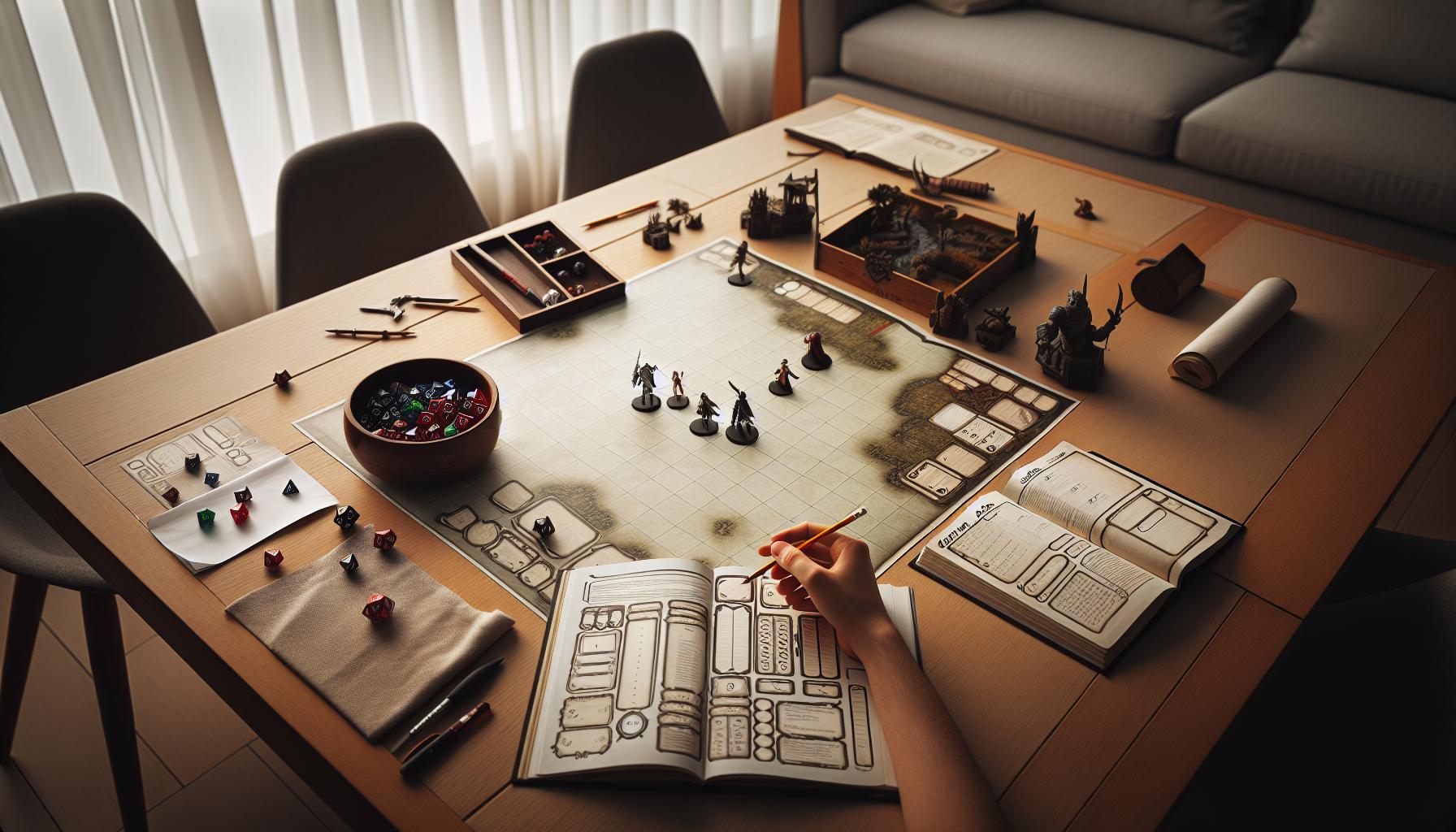
The Essential Tools for Solo Adventure Success
Diving into a solo Dungeons & Dragons adventure requires more than just a set of dice and a character sheet; it’s about having the right tools at your disposal to ensure a successful and immersive experience. Think of it as packing for an exciting journey: you want to bring along all the essentials to navigate the challenges ahead while maximizing your enjoyment.
One of the foundational tools for your solo adventures is a well-structured game journal. This serves as both a notebook and a narrative recorder. Use it to jot down key events, character thoughts, and plot developments. Not only does this help you track your journey, but it also enriches your storytelling, allowing you to reflect on past encounters and decisions. This way, your character’s growth becomes more tangible, and the narrative can evolve organically.
Another vital aspect is various randomization tools, which can add unpredictability and excitement to your game. Having access to a range of dice, random encounter tables, and online generators provides endless possibilities for plot twists and character interactions. For instance, a simple roll can change the course of your adventure in unexpected ways, keeping the experience fresh and engaging. You can find a plethora of resources online, especially tailored for solo gameplay, that can inspire and challenge you at every turn.
Additionally, consider investing in or creating pre-made adventure modules designed for solo play. These can serve as a roadmap, complete with structured encounters and narrative hooks that help guide your storyline while allowing you the freedom to adapt and change details as you see fit. Modules can alleviate the pressure of world-building entirely, giving you more time to focus on enjoying the gameplay and developing your character.
Lastly, don’t underestimate the power of a supportive community. Whether it’s online forums, social media groups, or dedicated websites for solo TTRPG players, connecting with others can provide invaluable insights, encouragement, and inspiration. Sharing your stories, challenges, and victories not only enhances your personal experience but also fosters camaraderie among fellow adventurers engaged in their solo quests.
Equipped with these tools, you’re well on your way to navigating the vast landscapes of your imagination, exploring dungeons and forging epic tales-all without needing a party by your side.
Creating Engaging Storylines for Solo Play
Crafting a captivating storyline for your solo Dungeons & Dragons adventure can feel daunting, yet it’s also a thrilling opportunity to unleash your imagination. When you’re the only active player, the narrative can adapt to your whims and preferences, ensuring a personalized storytelling experience that resonates with you. To embark on this creative journey, consider the elements that intrigue you most; whether it’s epic quests, mysterious encounters, or character-driven narratives, each choice helps to forge a unique tale.
One key approach is to start with a central conflict or premise. This could be a long-lost artifact, an ancient prophecy, or an invading force threatening the realm. To flesh out this idea, ask yourself questions like: Who are the main players in this story? What are their motivations? What obstacles will your character face? By defining these details early on, you create a solid foundation upon which your story can evolve. The more vivid and nuanced your starting point, the richer your experience-consider jotting down these thoughts in your game journal to keep them handy as your adventure unfolds.
Next, let your imagination roam with dynamic plot twists and side quests. Since you alone determine the path, you can introduce unexpected elements that drive your character into new challenges. For example, perhaps your character encounters a mysterious NPC who requests their help in a personal quest, leading to unexpected alliances or betrayals. Randomization tools can contribute here, such as tables for generating plot twists or side quests, giving your story a life of its own and adding layers of unpredictability that enhance engagement.
To further enrich your narrative, draw inspiration from your favorite stories, whether from literature, films, or even other RPGs. Incorporate themes or scenarios from these sources to create something compelling and familiar, yet uniquely yours. If you love heist movies, set the stage for a covert operation involving thieves and cunning traps. For fans of mystery, consider a murder investigation within a noble family. The blend of familiar tropes with your perspective can lead to exciting variations that keep the storytelling fresh and encourage you to explore deeper themes.
Lastly, consider implementing character-driven storytelling. As your character interacts with the world, ensure their motives and desires shape the narrative. This doesn’t just make for a more engaging experience; it also allows for greater emotional investment. Delve into personal backstories, desires, and fears, allowing these traits to influence decisions along the way. When your character faces a dilemma or choice, reflect on how their past impacts their actions, thereby enriching both the narrative and your immersion in the game.
By weaving together a strong central conflict, dynamic plot twists, inspiration from other mediums, and deep character development, you’ll craft a memorable storyline that not only captivates you but also enhances your solo D&D experience. Embrace the creative freedom that solo play offers, and let your imagination soar as you write your own legendary adventure.
Designing Compelling Characters as a Solo Player
Crafting compelling characters in a solo Dungeons & Dragons adventure is essential to creating an engaging and immersive experience. Since you’re the sole player and storyteller, it’s your responsibility to breathe life into the character, making them not only a vessel for the gameplay but also a rich personality that can evolve throughout the journey.
To begin, consider developing a detailed backstory. A captivating origin story sets the tone for your character’s motivations, strengths, and flaws. Ask yourself questions such as:
- What was their life like before the adventure began?
- What pivotal events shaped who they are today?
- Do they have any unresolved issues or goals that drive them forward?
Drawing from various character archetypes in literature or storytelling can also provide a foundation. Perhaps your character is an orphaned rogue seeking vengeance or a noble paladin striving to uphold justice in a world of chaos. The more nuanced and relatable the character, the more invested you will be in their journey.
Next, establish a set of core beliefs and motivations. These principles will guide your character’s actions, making decisions feel authentic and grounded. For instance, a character who values loyalty above all may act differently than one driven by personal glory. As situations arise during gameplay, let these motivations influence choices, fostering deeper connections with the story. Keep a journal or notes to track these aspects, revisiting them as your character faces new challenges; this ensures consistency and adds depth.
Character relationships can also enhance the solo experience. While you won’t have a party to interact with, you can create a rich tapestry of NPCs (non-player characters) that the character can engage with throughout their adventures. These relationships can be allies, mentors, or antagonists, each adding layers to the narrative. Consider how these figures represent the character’s struggles, desires, or moral dilemmas, and let their interactions enrich your storytelling.
Lastly, allow your character to evolve based on their experiences. As your solo journey unfolds, consider incorporating growth arcs where the character changes, learns, or overcomes personal obstacles. This progression is vital not only for maintaining interest but also for crafting a powerful conclusion to the story. When you reach significant events or decisions, reflect on how past experiences shape the character’s current choices, thereby creating a sense of continuity and character depth that resonates throughout your adventure.
By focusing on backstory, motivations, relationships, and character evolution, you can design compelling characters that not only enhance your gameplay but also make for a memorable solo D&D adventure. With each decision and interaction, you’ll find yourself more deeply immersed in this unique storytelling experience.
Exploring Solo Dungeons: Tips for Immersive Adventures
Stepping into the realm of solo Dungeons & Dragons can feel both exhilarating and daunting. Imagine crafting your own dungeons, where each corridor holds a story and every room hums with potential. To truly immerse yourself in these solo adventures, consider a few key techniques that will elevate your experience and transform your gameplay into a vivid, personal journey.
One effective approach is to thoroughly map out your dungeon before diving in. Sketching your layout not only aids in visualizing the space but also helps you manage encounters and plot twists seamlessly. Consider utilizing graph paper or digital tools, allowing you to create intricate designs that enhance exploration. To enrich the atmosphere, populate your dungeon with sensory details-describe the flickering torches, the dank smell of moss, or the eerie silence before a pivotal encounter. This level of detail can create a strong emotional connection to your environment, making every exploration feel significant.
Consider incorporating dynamic storytelling elements during your exploration. For example, introduce timed events that can change the course of your adventure. Perhaps a magical force begins to destabilize a section of the dungeon after a certain amount of time, forcing your character to make quick decisions. Another technique is to create a backstory for the dungeon itself: who built it, what secrets does it hold, and what dangers lie within? This narrative depth adds layers to your exploration that can keep you engaged and excited.
Moreover, engaging with randomized elements can amplify the unpredictability of your adventure. Use dice rolls to determine outcomes of actions or to spawn unexpected events, such as a hidden treasure or a sudden collapse of a passageway. This not only enhances the thrill but also allows for adaptation and creativity in your storytelling. Try implementing tables for random encounters or treasures that will keep your gameplay fresh each time you delve into your dungeon.
Lastly, don’t forget to record your experiences. Whether through a journal, an audio log, or a blog, documenting your adventures allows you to look back at your character’s growth and the story’s evolution. Reflecting on choices made during gameplay can spark new ideas for future sessions and deepen your connection to the narrative. By keeping a record, you transform solitary adventures into a lasting legacy of your solo D&D journey.
With thoughtful planning, vivid details, and dynamic narratives, you can create an unforgettable solo Dungeons & Dragons experience that resonates long after the dice are rolled. Embrace the freedom that solo play offers and let your imagination guide you through the enchanting world of dungeons awaiting your exploration.
Customizing Rules for a Solo D&D Experience
Playing Dungeons & Dragons solo might seem daunting at first, but it allows for a unique and fluid gameplay experience, tailored entirely to your preferences. Customizing the rules for your solo sessions can significantly enhance your enjoyment and creativity. One approach is to adjust existing rules to suit your playstyle, offering a fresh perspective on familiar mechanics. For instance, you might find that rolling for random encounters slows down your pacing. Instead, create a simple list of encounter options that you can easily pick from, drastically speeding up gameplay while still keeping the thrill of unpredictability alive.
- Adapting Combat Mechanics: Consider simplifying combat rules by reducing the number of enemies or allowing your character to take multiple actions in one round. This adjustment can keep the flow moving and allow you to focus more on storytelling than on meticulous counting of turns.
- Creating Your Own Challenges: If you find certain obstacles overly complex, feel free to modify them. Perhaps you could replace a multi-step puzzle with a single challenge that still tests your creativity without the frustration of getting stuck.
Emphasizing narrative depth is also key. You can develop your character’s abilities based on the storyline rather than strict adherence to the class system. For instance, you might grant your rogue the ability to charm NPCs more effectively if they uncover a heartfelt backstory that connects them. This flexibility can enrich your adventure, making it more personal and engaging.
Incorporating Homebrew Rules
Homebrew rules are not only welcome; they are encouraged! You can introduce elements from other gaming systems or create entirely new mechanics that fit seamlessly into your D&D world. For instance, if you’re a fan of narrative-driven games, implement a system where your character’s moral choices and decisions influence their stats or capabilities. This approach mirrors a role-playing aspect often longed for in solo play while allowing you to enjoy greater storytelling freedom.
Remember, the key to customizing your rules is to enhance your experience. Use your creativity to make adjustments that feel right for your adventures, ensuring that every game session resonates with your unique tastes. By breaking from traditional frameworks, you’re not merely playing a game-you’re crafting a personalized odyssey in the vast world of Dungeons & Dragons.
Effective Narrative Techniques for Solo Storytelling
Crafting a compelling narrative for your solo Dungeons & Dragons adventure is essential to keep the experience immersive and engaging. Unlike traditional gameplay with a group, where interactions and dynamics can create organic storytelling, solo play requires you to be both the storyteller and the hero of your tale. This unique challenge invites you to explore innovative narrative techniques that enhance your adventure and keep the excitement alive.
Utilizing stream-of-consciousness techniques can be a powerful way to delve deeper into your character’s psyche. Instead of merely describing actions, immerse yourself in your character’s thoughts and feelings, allowing spontaneity to guide the narrative. For example, if your character is facing a daunting monster, instead of stating they attack, reflect on their internal struggle, past experiences, and motivations. This creates a richer narrative that pulls you into the story more deeply.
Engaging in visual storytelling can also enhance your solo gaming experience. Use visuals, such as maps or artwork related to your adventure, to inspire scenes and encounters. You might sketch out the town you’re exploring, illustrating its unique features and inhabitants. Each time you describe a new location, refer back to this visual reference, allowing it to shape your narrative. Incorporating images can spark creative ideas that keep the momentum flowing, ensuring each session feels fresh and vivid.
Another technique that can elevate your storytelling is the use of narrative prompts. Before you begin your session, write down various scenarios, character motivations, or plot twists on slips of paper. During gameplay, draw one to inspire the next event or decision. This not only helps introduce randomness to your story, maintaining excitement, but also encourages creative problem-solving as you adapt your character’s journey according to these new developments.
Lastly, don’t underestimate the power of reflective journaling about your character’s journey. After each session, take time to document your character’s thoughts, significant events, and emotional responses. This practice helps solidify character development and can provide insights for future sessions. As you read back on your character’s growth, it will enrich your connection to them, enhancing the enjoyment of your ongoing solo D&D experience.
By blending these effective narrative techniques, you’ll create a dynamic storytelling environment that keeps your solo Dungeons & Dragons adventures captivating and evolving, allowing you to truly immerse yourself in a world of your own making.
Using Game Master Resources for Solo Campaigns
In the world of solo Dungeons & Dragons adventures, Game Master (GM) resources can transform your experience from mundane to extraordinary. These tools not only help to facilitate gameplay but also enhance storytelling, character development, and world-building, making you feel like you’re on a grand quest alone, yet equipped with everything you need to succeed.
One of the most valuable resources is the use of solo D&D modules specifically designed for one player and one GM. These often come with pre-generated scenarios, allowing you to dive right into adventures without extensive preparation. Notable examples include gamebooks like The Saint’s Tomb, where the choices you make shape the journey. These modules often include branching paths and decision-based outcomes, ensuring that each session feels fresh and engaging.
In addition to modules, random tables can greatly enhance the unpredictability of your narrative. These tables offer a variety of outcomes for combat, treasure generation, or random encounters. Apps and websites dedicated to D&D resources often feature these tools, making them easily accessible. By rolling dice or selecting random options, you can inject spontaneity into your game, mimicking the dynamic nature of a typical GM’s decisions during a group campaign.
Utilizing digital tools can also streamline your gameplay. Programs like Realm Works or websites such as D&D Beyond offer extensive databases of monsters, items, and rules, making it easier to customize your adventures. These platforms often allow you to track your character’s progress, manage inventory, and even create complex NPCs that can interact with your character in meaningful ways.
Lastly, remember that community resources can be invaluable. Engage with online forums or join social media groups focused on solo D&D adventures. These communities are filled with fellow solo players who share their experiences, tips, and even homebrew content that can enrich your campaigns. By sharing insights and advice, you can continuously improve your solo play experience and draw inspiration from a community that understands your unique journey.
In summary, leveraging GM resources in solo D&D can dramatically elevate your gameplay. By utilizing tailored modules, randomization tools, digital applications, and connecting with the gaming community, you craft a rich, immersive solo adventure that brings the world of Dungeons & Dragons to life, even when you’re playing solo.
Building a Supportive Solo Gaming Community
Building a thriving community for solo Dungeons & Dragons players can transform your gaming experience from a lone adventure into a vibrant tapestry of shared creativity and support. Imagine connecting with fellow enthusiasts who share your passion and challenges, providing encouragement and fresh ideas that can enhance every solo campaign. By leveraging online platforms and social media, you can create a network that feels like a team, even when playing alone.
One of the best places to start is by engaging with dedicated online forums and social media groups. Platforms like Reddit and Facebook often have groups specifically focused on solo RPG adventures where players exchange tips, resources, and personal experiences. Consider participating in discussions about best practices for solo play or sharing your campaign highlights. You’d be surprised at the wealth of knowledge available-ranging from character-building tips to storytelling tactics. Moreover, many of these communities host regular challenges or themed storytelling events that allow you to showcase your creativity while receiving constructive feedback.
Organizing Virtual Meetups
Virtual meetups are another fantastic way to connect. Platforms such as Discord allow for real-time discussions, where you can collaborate with other players on new modules or techniques for solo play. Whether it’s through voice chats or text-based interactions, you can share your adventures, seek advice, or brainstorm ideas-all while enjoying the camaraderie of like-minded gamers. Some groups even host “solo sessions” where members take turns guiding each other through custom adventures, enhancing both your GM skills and narrative flow in solo play.
Sharing Resources and Tools
As you establish connections, be proactive in sharing resources that have helped you along your journey. Create and exchange lists of helpful solo D&D tools, like random generators, solo adventure modules, or even homebrew content. Blogs and video content focused on solo gameplay can also be shared within your community to inspire and educate. Creating a collaborative document where members can add their favorite resources fosters an enriching environment that benefits everyone.
Ultimately, building a supportive community for solo D&D adventures not only provides you with a wealth of resources and friends but also transforms your gaming experience into an ongoing journey of exploration and creativity. Every shared story, helpful tip, and collaborative effort enriches your solo experience, reminding you that you are never truly alone in your adventures.
Solo D&D Adventure Modules: Must-Have Resources
When diving into the world of solo Dungeons & Dragons adventures, having the right resources at your fingertips can make all the difference between a mundane session and an epic journey. With a plethora of solo adventure modules available, you can tailor your quests to suit your play style, whether you’re seeking a quick narrative fix or an elaborate campaign. Here’s a guide to some must-have modules that can transform your solo experience into an unforgettable one.
One standout resource for solo adventurers is the “The Solo Adventurer’s Toolbox”. This is an essential kit that offers a variety of tools and rules specifically designed for solo play. You’ll find adventure generation tables, NPC creation rules, and even unique mechanics to keep gameplay engaging. This toolbox empowers you to craft your adventures dynamically, allowing for rich storytelling and unexpected twists.
Another excellent recommendation is “The Lost Island of the Cursed Pirate”. This module provides a fully fleshed-out solo adventure featuring mystery, treasure, and combat encounters against formidable foes. The narrative is designed to be self-contained, yet it leaves room for endless possibilities, ensuring that no two playthroughs are the same. This is perfect for players looking to experience the highs and lows of a classic pirate tale without needing a group.
If you prefer something more theme-specific, check out “Beyond the Vale of Madness“. This adventure encapsulates intrigue and horror, challenging your decision-making and problem-solving skills as you delve into a realm filled with bizarre monsters and complex puzzles. Ideal for those who enjoy a darker tone, it helps set the mood with atmospheric storytelling while keeping you engaged with rich lore and character interactions [3[3].
Finally, don’t overlook online platforms like DriveThruRPG and Itch.io, which host a variety of indie solo modules tailored for D&D. Many creators publish unique adventures that cater to niche themes and styles, allowing you to discover hidden gems that resonate with your interests. Engaging with these platforms not only provides fresh content but also supports indie developers who are enriching the solo adventure landscape.
In conclusion, stocking up on these solo D&D adventure modules will enhance your gameplay tremendously. By exploring different styles, themes, and gameplay mechanics, you’ll not only enjoy the journeys you embark on but also cultivate your own storytelling prowess.
Incorporating Randomness in Solo Play for Excitement
Integrating elements of randomness into your solo Dungeons & Dragons adventures can not only heighten excitement but also enrich the storytelling experience. Imagine entering a dungeon where every decision holds the potential for unexpected encounters or unique treasures. By embracing randomness, you create a dynamic and replayable experience that mimics the unpredictability of playing with a group.
One effective way to introduce randomness is through the use of random encounter tables. These tables can be tailored to align with the specific environments you explore, such as dark forests, ancient ruins, or treacherous mountains. For instance, if you’re wandering through a misty swamp, you might roll on a table to determine whether you encounter wandering monsters, mysterious travelers, or a hidden treasure. Websites and resources dedicated to solo play often provide templates for creating your customized tables, ensuring that your gameplay remains fresh and engaging.
Additionally, consider using dice rolls to influence story outcomes. Whether rolling to determine the success of a negotiation with a grumpy tavern keeper or the effectiveness of a risky spell during a crucial battle, introducing dice mechanics allows for a sense of tension and uncertainty. You could create a simple system where a roll above a certain number signifies success, while lower rolls lead to setbacks or complications. This approach not only enables spontaneous storytelling but encourages you to think on your feet, enhancing the immersive experience.
To heighten the sense of adventure, utilize randomized loot generation for your explorations. When you discover a hidden stash or defeat an enemy, rolling on a loot table can yield a wide range of outcomes, from mundane gear to magical artifacts. This not only motivates you to explore thoroughly but also instills a child-like excitement when uncovering what treasures await.
In summary, employing randomness in your solo D&D adventures can significantly enhance your engagement and creativity. By creating random encounter tables, using dice rolls to shape narrative outcomes, and introducing diverse loot systems, you pave the way for an adventure that constantly surprises. Embrace the unpredictability, and you’ll find that every session offers a new journey filled with thrilling possibilities.
Transforming Traditional Campaigns for Solo Experiences
Transforming beloved traditional Dungeons & Dragons campaigns into enriching solo experiences is an adventure all on its own. The key lies in understanding that the essence of the game-storytelling, exploration, and character development-remains intact, regardless of the number of players at the table. Embracing the flexibility of solo play allows you to tailor world-building and encounters to fit your personal journey, making it more intimate and detailed.
One effective strategy is to adapt campaign settings to emphasize exploration and personal stakes. For instance, in a classic quest of retrieving a stolen artifact, instead of focusing on a party dynamic, immerse yourself in the motivations of your character. Ask yourself: Why does this artifact matter? What personal history does it hold? This route not only empowers the narrative but creates a deeper investment in each quest. Consider maintaining a journal throughout your adventure, documenting encounters and evolving plotlines, as this can simulate the collaborative storytelling found in group play.
### Emphasizing Character Development
Character creation can also take on new dimensions in a solo campaign. Choose a character backstory that invites personal challenges. Each goal can be aligned with pivotal moments in their past, pushing you to explore comfortable and uncomfortable themes alike. Building a character’s arc through unique dilemmas can enhance emotional engagement, as solo adventures often demand resilience in the face of setbacks. Here are a few ideas to enrich your character’s journey:
- Flashbacks: Integrate flashbacks into encounters, allowing for moments of reflection and backstory revelation during challenges.
- Personal Quests: Create side objectives that mirror your character’s internal struggles, adding layers to your adventure.
- Character Flaws: Embrace flaws that complicate scenarios. Let these imperfections lead to unforeseen consequences that deepen your storytelling.
### Customizing Challenges
When adjusting difficulty and challenges for solo play, consider the pacing. Reducing the size of adversaries or altering encounter mechanics can craft a balanced experience that’s both rewarding and stimulating. Perhaps instead of a massive horde, you face a cunning antagonist who tests your strategic thinking and problem-solving skills. Use environmental features to your advantage, creating dynamic settings that require ingenuity to navigate from traps to hidden pathways.
Ultimately, the joy of transforming traditional campaigns lies in the creative freedom it bestows. Go beyond the limitations often found in group settings-explore personal tales and treasures that resonate with you, ensuring each adventure feels uniquely your own. By embracing solo play, you open the door to limitless possibilities, turning a classic narrative into a fresh, individualized saga filled with unmatched depth and excitement.
Frequently asked questions
Q: What are the best solo Dungeons and Dragons adventure modules?
A: The best solo D&D adventure modules include “The Solo Adventurer’s Toolbox,” which offers tools and guidance, and “Honed,” designed specifically for solo play. Look for modules that emphasize narratives, as they can enhance your gaming experience significantly. Explore sections on Solo D&D Adventure Modules: Must-Have Resources for more insights.
Q: How can I customize D&D rules for solo play?
A: To customize D&D rules for solo play, adjust the game’s mechanics to focus on solo storytelling. Incorporate modified encounter tables and simplified combat rules. Reference the Customizing Rules for a Solo D&D Experience section in your guide for detailed strategies to enhance your solo sessions.
Q: What are effective techniques for solo storytelling in D&D?
A: Effective solo storytelling techniques include using voice acting, writing character journals, and developing dynamic narratives. Engage with different perspectives to create a richer story. Discover more tips in the Effective Narrative Techniques for Solo Storytelling section of your reference material.
Q: How do I create engaging storylines for a solo D&D campaign?
A: To create engaging storylines for a solo D&D campaign, focus on character-driven plots and unique settings. Incorporate elements of mystery and choice, allowing players to shape the narrative. Check the Creating Engaging Storylines for Solo Play section for additional guidance.
Q: What tools do I need for successful solo Dungeons and Dragons gameplay?
A: Essential tools for successful solo D&D gameplay include rulebooks, dice, character sheets, and online resources like adventure modules. Explore the The Essential Tools for Solo Adventure Success section for a complete toolkit suited for solo adventurers.
Q: Can I still experience the thrill of combat in solo D&D games?
A: Yes, combat can still be thrilling in solo D&D games by using dynamic encounter setups, enabling strategic thinking, and utilizing tools like combat maps. For more combat-focused strategies, refer to the Exploring Solo Dungeons: Tips for Immersive Adventures section in your guide.
Q: How do I use Game Master resources for solo campaigns?
A: To effectively use Game Master resources in solo campaigns, consider leveraging online generators for random encounters and narrative prompts. Utilize game aids to enrich your experience, as discussed in the Using Game Master Resources for Solo Campaigns section.
Q: What is the best way to incorporate randomness in solo D&D play?
A: Incorporating randomness can be achieved through dice rolls for events, character actions, and encounter outcomes. This method adds spontaneity to your game. Refer to the Incorporating Randomness in Solo Play for Excitement section for more details on enhancing gameplay with randomness.
Concluding Remarks
Ready to embark on your very own solo Dungeons and Dragons adventure? With the right resources and creative tools, you can create unforgettable stories and experiences, all from the comfort of your home. Don’t let the absence of a group hold you back-dive into imaginative gaming today! Remember, our comprehensive guide provides invaluable tips and strategies to maximize your solo gameplay.
For deeper exploration, check out our articles on solo campaign creation and character development that complement your journey. If you’re still wondering how to get started, be sure to subscribe to our newsletter for regular updates and exclusive content that enhances your solo adventures.
Join a community of fellow adventurers by sharing your experiences and insights in the comments below. Your next legendary quest awaits! Explore related content and uncover more about the world of solo RPGs today.
Get our latest guides, news, and insights highlighted in your Google Search & AI Overviews.


