
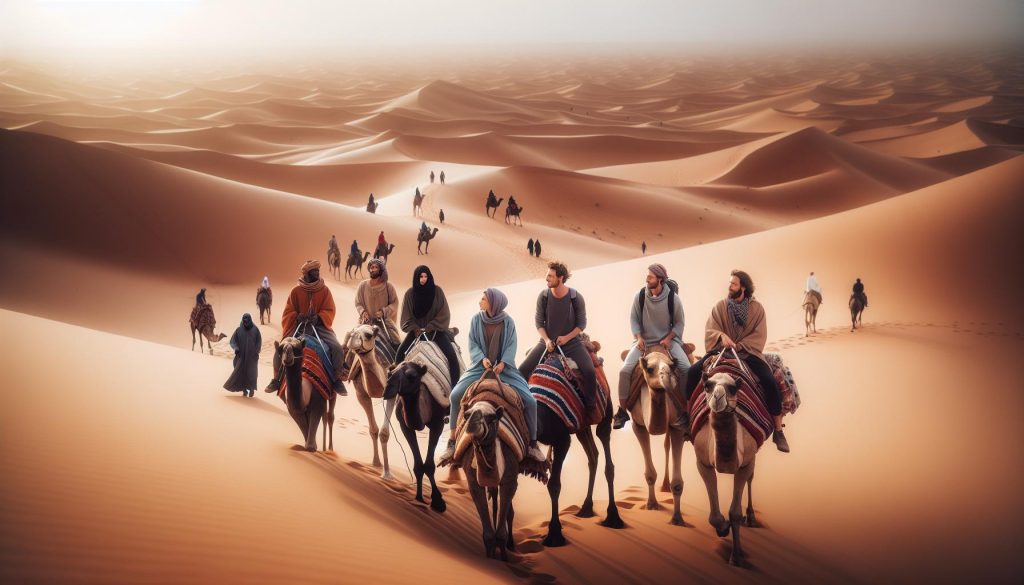
Imagine a vast expanse of golden sands stretching as far as the eye can see, where the sun sets in a blaze of vibrant colors. Camel trekking through the Sahara Desert, just a stone’s throw from Marrakech, is more than just a trip; it’s an unforgettable adventure that immerses you in the rich culture and stunning landscapes of Morocco. Whether you’re dreaming of a luxury glamping experience or a rugged budget expedition, this guide will help you navigate the myriad options available for your journey into the heart of the desert. From planning your itinerary to understanding the best times to visit and how to choose the right tour, we’ll ensure you’re equipped with all the insider tips for a hassle-free experience. Get ready to saddle up and explore the mystical beauty of the Sahara, where every turn offers a new memory waiting to be made.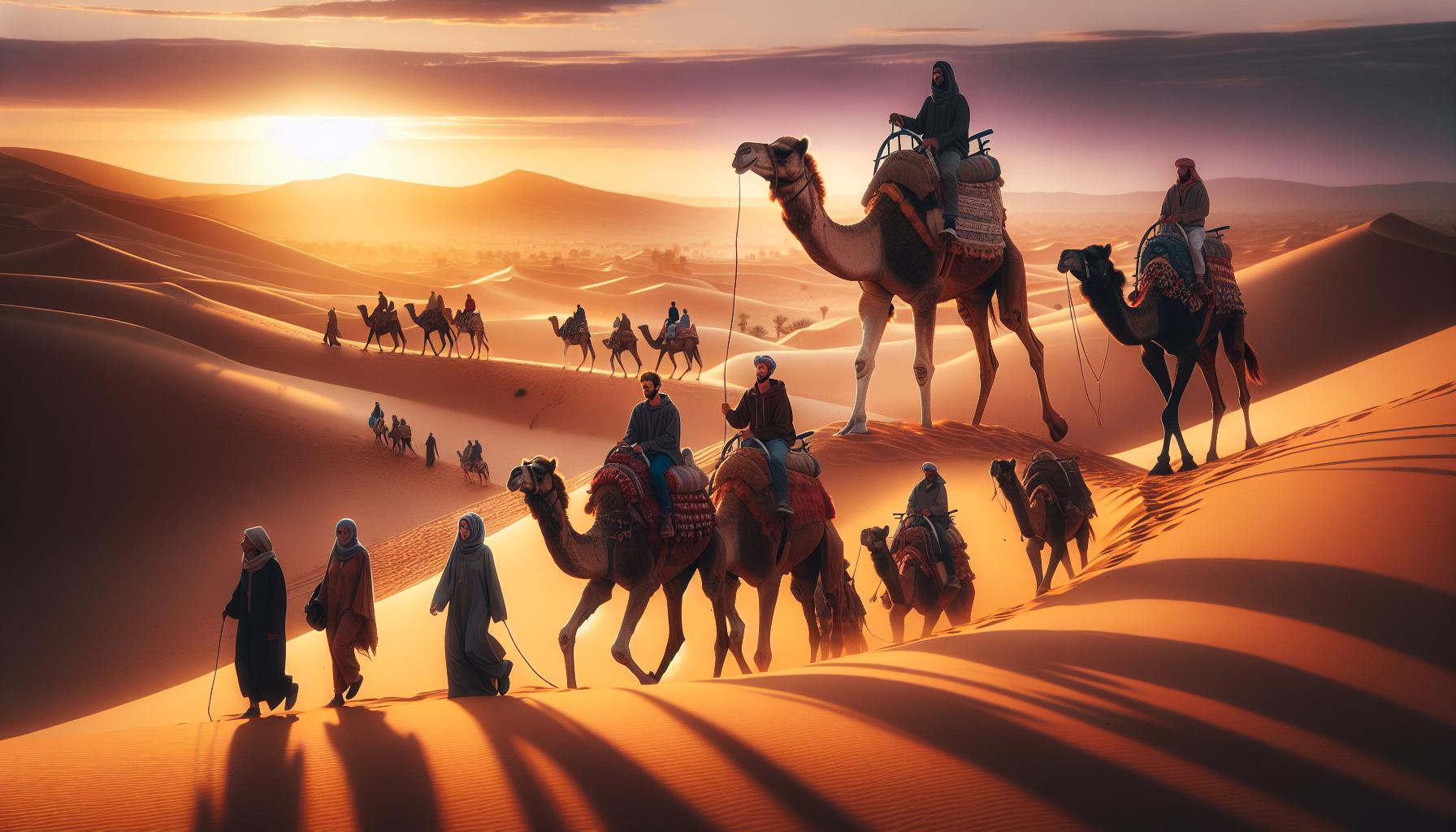
Best Times to Experience the Sahara Desert
The Sahara Desert, with its vast, sweeping dunes and dramatic landscapes, presents a magical yet challenging environment perfect for adventure seekers. To truly maximize your experience, timing your visit is crucial. The best months to embark on camel trekking adventures in the Sahara are from late autumn to early spring-specifically, October to April. During this period, temperatures are significantly cooler, ranging from a mild 60°F (16°C) during the day to freezing at night, making it much more bearable to explore the sandy stretches.
Visiting in the shoulder months, like October and April, can offer an enticing atmosphere, with fewer crowds and some stunning, colorful sunsets over the dunes. However, preparation is key-layering clothing, packing a warm sleeping bag for chilly evenings, and staying hydrated during the day when temperatures begin to rise are essential for comfort and safety.
Moreover, the weather can influence not just your comfort level but the experience itself. From October to March, the mild conditions allow for long, enjoyable treks where you can soak in the breathtaking landscapes, meet local Berber tribes, and partake in nighttime star-gazing events that are simply unparalleled. If you find yourself planning a trip during summer months, be prepared for intense heat, with daytime temperatures soaring above 100°F (38°C), which can lead to exhausting trekking conditions and safety challenges.
By timing your Sahara adventure wisely and coming prepared for the desert’s unique challenges, you’ll ensure a memorable experience among the dunes that evokes the spirit of exploration and adventure that the Sahara promises.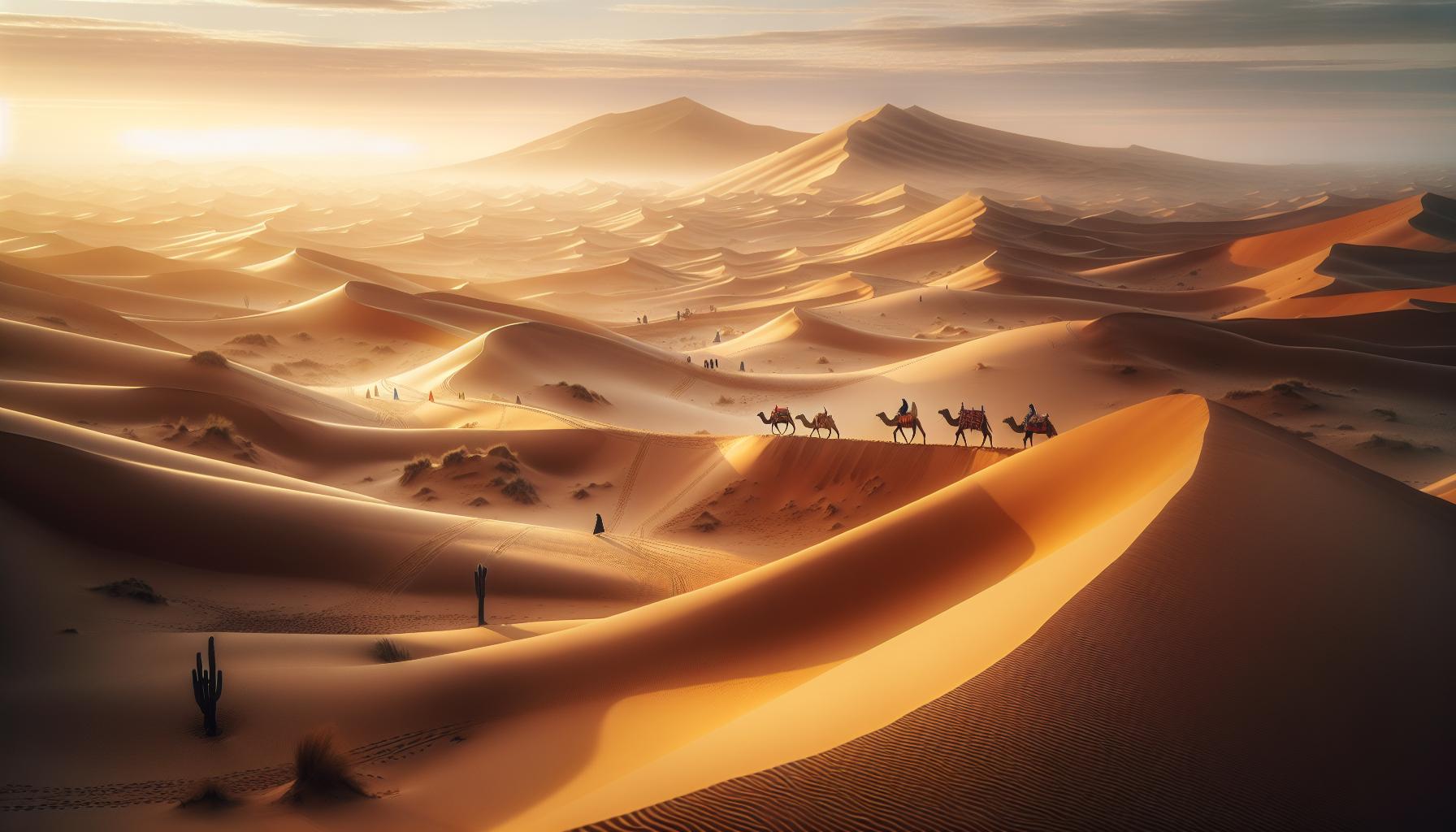
Essential Packing List for Camel Trekking
Embarking on a camel trekking adventure through the Sahara Desert is an exhilarating experience, but to truly enjoy the majesty of this vast landscape, you’ll need to come prepared. The key to a successful trek lies in your packing choices. What you bring can mean the difference between an unforgettable journey and an uncomfortable one under the scorching sun or chilly night skies. It’s essential to pack smartly, balancing essential gear with comfort and convenience.
Clothing Essentials
Layering is crucial for camel treks, as temperatures can vary dramatically from day to night. Consider including the following items in your packing list:
- Lightweight, Breathable Clothing: Choose loose-fitting, long-sleeved shirts and pants to protect yourself from the sun.
- Insulating Layers: A warm fleece or jacket is vital for the nights when temperatures can plummet.
- Hat and Scarf: A wide-brimmed hat and a lightweight scarf will shield you from the sun and sand.
- Comfortable Footwear: Sturdy, breathable hiking boots are ideal for trekking and can navigate the sandy terrain.
- Multiple Pairs of Socks: Bring synthetic or wool socks to keep your feet dry and comfortable.
Camping and Sleeping Gear
Whether you’re staying in an upscale desert camp or just out under the stars, having the right gear is essential for quality rest:
- Sleeping Bag: A warm sleeping bag rated for desert temperatures will ensure you stay cozy at night.
- Sleeping Pad: If you’re camping, a pad adds comfort and insulation from the ground.
- Compact Travel Pillow: This can make a world of difference for a good night’s sleep.
Health and Safety Items
Staying healthy and safe is paramount in the desert’s rugged environment:
- Sunscreen: Opt for high SPF to protect against the intense sun.
- First Aid Kit: Include essentials like band-aids, antiseptic wipes, and any personal medication.
- Reusable Water Bottle: Staying hydrated is crucial-carry a refillable bottle to reduce waste.
- Insect Repellent: Depending on the time of year, you may need protection from bugs.
Additional Items for Comfort
To enhance your overall trek experience, don’t forget these useful items:
- Camera/Smartphone: Capture the breathtaking landscapes and cultural moments.
- Portable Power Bank: Keep your devices charged for the duration of your trek.
- Snacks: Energy bars or nuts are great for quick boosts while on the go.
By packing mindfully and considering the unique challenges of the Sahara, you’ll set the stage for an adventure filled with breathtaking sights, cultural encounters, and unforgettable memories. Your journey through the dunes awaits!
Top Camel Trekking Routes from Marrakech
Exploring the vast expanses of the Sahara Desert on a camel is an adventure tailored for the intrepid traveler, and departing from Marrakech gives you a unique chance to experience multiple routes, each showcasing the desert’s stunning beauty and varied landscapes. The journey typically promises awe-inspiring views of towering dunes, rocky plateaus, and vibrant sunsets, all rich in cultural experiences along the way.
One of the most popular camel trekking routes is the journey to Merzouga, a small village near the famous Erg Chebbi dunes. Here, you can spend a night in a desert camp, appreciating the star-studded sky after a day of riding across golden sands. The best times to embark on this trek are during the spring (March to May) and fall (September to November) when the temperatures are more mild. Most tours take approximately 3 to 4 days, during which you’ll travel about 30 km a day depending on your tolerance and the pace of your guide.
Another incredible route leads to Zagora, often dubbed the “gateway to the Sahara.” This area is known for its dramatic scenery and welcoming Berber culture, providing the opportunity for cultural encounters and local hospitality. The trek can be shorter, usually 2 days, making it suitable for those with limited time but still eager for the desert experience. The rising dunes here may not be as towering as those in Merzouga, but the panoramic views and the local ambiance are just as captivating.
If you want to combine adventure with unique experiences, many camel trekking tours also include visits to Todra Gorge. This dramatically beautiful canyon is a fantastic spot for photographers and offers intriguing contrasts between the rocky cliffs and the soft, sweeping sands of the desert. Trekkers often spend the night here in local guesthouses, gaining insights into the lifestyle of those who inhabit this extraordinary region.
In summary, no matter which route you choose, prepare for an enriching experience filled with stunning landscapes, a taste of local culture, and a glimpse into the nomadic Berber way of life. The right trekking route will ensure that your Sahara adventure from Marrakech is not just a trip, but a memorable journey through one of the world’s most extraordinary deserts.
Unforgettable Desert Camps: Luxury vs. Budget
Experience the magic of the Sahara through its diverse desert camps that cater to every style and budget. Whether you envision a luxurious night under a canvas of stars with all the comforts or a more rustic, budget-friendly option that immerses you in nature, the desert has a camp perfectly suited for you.
Luxury Desert Camps
Indulging in a luxury desert camp means enjoying amenities like plush bedding, gourmet dining, and even solar-powered lighting. Camps such as Camp Merzouga or the Luxury Desert Camp near Erg Chebbi provide a lavish experience with spacious tents featuring en-suite bathrooms and stunning views of the majestic dunes. You can expect personalized service, allowing you to relax completely after a day of camel trekking. In addition to exquisite meals, many luxury camps offer optional activities such as romantic dinners under the stars, guided stargazing, and private excursions.
Budget Desert Camps
For travelers on a tighter budget, there are plenty of budget camps that still offer memorable experiences. Camps like Desert Camp Erg Chigaga or Berber Camp provide basic tent accommodations, often with communal dining experiences that foster camaraderie among guests. Here, you can enjoy traditional Moroccan meals and share stories by the campfire while surrounded by the breathtaking silence of the desert. Don’t let the simplicity fool you; these camps often have exceptional views of the sand dunes at sunrise and sunset, making it a worthwhile experience without breaking the bank.
Comparing Camping Options
When planning your stay, consider what type of experience you desire.
| Type of Camp | Price Range (per night) | Amenities | Atmosphere |
|---|---|---|---|
| Luxury Camp | €150 – €300 | En-suite bathrooms, gourmet meals, private tours | Opulent and serene |
| Budget Camp | €30 – €80 | Shared facilities, local meals, group activities | Rustic and communal |
Regardless of your choice, ensure to book in advance, especially during peak seasons (spring and fall) when demand surges. Pack essentials such as a scarf or hat for sun protection and a good camera to capture the stunning night sky and golden dunes. Whether you seek adventure or relaxation, the contrast between luxury and budget camps offers diverse ways to experience the enchanting Sahara Desert.
Camel Trekking vs. 4×4 Adventuring: Which to Choose?
Imagine the gentle sway of a camel beneath you as you traverse the golden dunes of the Sahara, or the thrill of speeding across the same terrain in a 4×4-both experiences offer unique charms and adventures. Choosing between camel trekking and 4×4 adventuring in the Sahara Desert can define your trip from Marrakech, and it ultimately hinges on what kind of experience you seek.
Camel trekking offers a timeless connection to the desert’s nomadic heritage. As you ride along, you’ll have the chance to fully immerse yourself in the picturesque surroundings, taking in the sweeping vistas and the serene atmosphere that the desert provides. The pace is leisurely, allowing you to engage with the landscape, witness breathtaking sunsets, and have moments of tranquil reflection. This journey often includes stops at various camps, giving a deeper cultural insight and a chance to interact with local Berber tribes. The experience fosters not just an adventure, but a connection with the place that few other activities can match.
On the other hand, 4×4 adventuring introduces a different kind of excitement. It allows you to cover greater distances within a shorter time frame, making it possible to explore remote areas of the Sahara that might be challenging to reach by camel. This option is fantastic for travelers eager to see more of the landscape in a single day, including towering dunes, rugged desert mountains, and hidden oases. The thrill of off-roading through the sands is invigorating, particularly for those who relish speed and a sense of adventure. Additionally, 4×4 tours often include engaging activities like sandboarding or visiting iconic natural sites, providing a more action-packed experience.
When deciding between the two, factor in your travel style and the kind of memories you wish to create. If you dream of connecting with the tranquil beauty of the Sahara and are open to embracing a slower pace, camel trekking will likely be fulfilling. Conversely, if you’re motivated by adventure and the thrill of exploration, a 4×4 excursion will cater to your excitement-seeking spirit. Both options reflect the diverse and enchanting nature of the Sahara, ensuring that no matter your choice, your experiences will be unforgettable.
Cultural Encounters: Meeting Local Berber Tribes
The Sahara Desert is not just a stunning landscape of sand dunes and shifting winds; it is also a vibrant tapestry of cultures deeply rooted in the traditions of the Berber tribes. Meeting local Berber communities during your camel trek provides an enriching opportunity to engage with their way of life, learn about their customs, and share in their hospitality.
As you traverse the desert, many tour operators include visits to traditional Berber camps where you can experience authentic cultural exchanges. These encounters often begin with a warm welcome and a refreshing glass of mint tea – a cherished ritual that signifies hospitality in Berber culture. You might find yourself seated in a grand tent, surrounded by intricate carpets and artisan crafts, while locals narrate their stories and folklore, offering insights into their nomadic traditions.
Embracing Berber Culture
Participating in daily activities allows you to immerse yourself in the rhythms of Berber life. Activities often include:
- Learning traditional crafts: Some community members may show you how to create pottery or colorful textiles, techniques passed down through generations.
- Cooking classes: Join local cooks in preparing traditional dishes like tagine or couscous, using recipes that showcase the flavors of the region.
- Storytelling sessions: Evenings around the campfire can turn into rich storytelling experiences, where you listen to legends that echo the spirit of the Sahara.
These authentic interactions not only enrich your trekking journey but also create lasting memories that connect you to the heart of desert life. Respect and openness during these encounters are key; remember to ask questions and express genuine curiosity about their traditions.
Respectful Engagement
When engaging with the Berber tribes, it’s essential to approach with respect and an awareness of their customs. Here are some helpful tips to ensure positive interactions:
- Dress modestly: Respect the local customs by dressing appropriately, particularly when entering communal spaces.
- Learn a few words of Arabic or Berber: Simple greetings can go a long way in breaking the ice and showing your respect for their culture.
- Ask before taking photos: Always seek permission before photographing individuals or their homes to avoid intruding on their privacy.
Meeting local Berber tribes during your camel trek not only allows you to appreciate their rich culture, but it also helps support their livelihoods. Many tours emphasize responsible tourism practices, ensuring that your presence benefits local communities. By choosing these experiences, you contribute to preserving their heritage while creating unforgettable moments in the awe-inspiring Sahara Desert.
Popular Add-Ons: Quad Biking and Sandboarding
Adventuring through the breathtaking vistas of the Sahara Desert offers countless ways to amplify your experience, and two of the most thrilling add-ons are quad biking and sandboarding. These activities not only double the adrenaline rush but also allow you to explore the undulating landscapes of the desert at a thrilling pace. Imagine cruising across vast dunes under the golden sun, the wind whipping through your hair while you unleash your inner adventurer.
Quad Biking: The Thrill of Speed
Quad biking is a fantastic way to cover more ground and find hidden gems in the desert. Tours typically provide all necessary gear, including helmets and safety equipment, making it accessible even for beginners. The guided trips often include a mix of open terrain and challenging dune climbs, providing a satisfying blend of exhilaration and picturesque scenery. Riders can experience the thrill of maneuvering over steep dunes while learning about the unique ecology and geology of the Sahara.
For families or groups, quad biking can be an engaging way to bond while simultaneously enjoying the stunning landscapes. Many tour operators offer packages that combine quad biking with traditional camel treks, allowing you to switch between the two modes of transport for a varied adventure.
Sandboarding: Surfing the Dunes
If you’ve ever dreamed of surfing the sands, then sandboarding is the perfect addition to your desert itinerary. It’s akin to snowboarding, where you glide down the slopes of towering dunes on a specially designed board. For the best experience, head to the highest dunes around Merzouga or Erg Chebbi; the unique formations create thrilling descents that will make your heart race.
Sandboarding is generally suitable for all skill levels; most operators offer basic instruction and equipment rentals. Whether you’re carving through soft sands or enjoying the rush of racing down the slopes, this exhilarating activity lets you experience the Sahara in a truly unique way.
Combining quad biking and sandboarding to your camel trek not only elevates the excitement of your adventure but also provides an unforgettable exploration of the majestic desert landscape. If you’re looking to infuse your journey with some adrenaline while immersing yourself in the beauty of the Sahara, these popular activities are your ticket to an adventure of a lifetime.
Safety Tips for Camel Trekking Adventures
Embarking on a camel trek through the Sahara Desert is a thrilling adventure, but it comes with unique challenges and safety considerations. The vastness of the desert can create unpredictable conditions, so being well-prepared ensures you have a memorable and safe experience. Here are some essential safety tips to keep in mind as you navigate the extraordinary landscapes of the Sahara.
First and foremost, hydration is crucial. The desert can be extremely hot during the day and cold at night, so always carry ample water with you. Aim for at least 3-4 liters per person daily, especially in peak times of heat. Pair your hydration efforts with necessary sun protection-sunscreen, sunglasses, and hats are must-haves to guard against harsh UV rays.
When it comes to your camel ride, maintaining proper posture and balance is key. Sit up straight and grip the saddle gently while allowing the camel to rise and fall with its natural gait. Climbing off and on safely is also essential; always wait for the camel to be seated before dismounting. This respect for your mount not only ensures your safety but also enhances your bond with these magnificent creatures.
Before heading out on your trek, ensure you’re dressed appropriately. Lightweight, breathable clothing that covers your skin will help protect against sunburn and keep you cool. Sturdy, comfortable footwear is essential too-opt for closed shoes to protect your feet from heat and sand. Don’t forget to pack a light jacket for evenings when temperatures can drop significantly.
Lastly, stay with your group and listen to your guide at all times. Familiarize yourself with the local terrain and potential hazards, such as sudden sandstorms or shifts in weather. Abiding by your guide’s instructions will not only keep you safe but also enrich your desert experience through the shared knowledge and cultural insights they provide.
By being mindful of these safety tips, you can focus on soaking in the mesmerizing beauty of the Sahara and create unforgettable memories of your camel trekking adventure.
Family-Friendly Trekking Options in the Desert
Families looking to experience the enchanting beauty of the Sahara Desert can find various trekking options tailored to suit travelers of all ages. Camel trekking in this vast landscape not only offers an exhilarating adventure but also serves as a unique bonding experience for families. The gentle nature of camels makes them an excellent choice for families with children, allowing all members to immerse themselves in the awe-inspiring desert surroundings.
One of the most popular family-friendly trek options includes shorter rides, which last a few hours to half a day. These shorter treks are ideal for families, especially those traveling with younger children, as they keep the journey manageable while still delivering the mesmerizing views of sweeping sand dunes and stunning sunsets. Many tour operators also ensure that child-sized camel saddles are available, making the ride comfortable for little adventurers. Additionally, families can opt for tours that include interactive experiences such as learning to navigate the desert terrain or basic camel care, enriching the educational aspect of the journey.
Staying in family-friendly desert camps can enhance your Sahara experience further. These camps often provide comfortable accommodations and meals that cater to various dietary preferences, as well as recreational activities such as kite flying and storytelling around the campfire. Many camps focus on creating a welcoming atmosphere for families, complete with safe play areas and arrangements for children’s activities, ensuring a delightful experience for all.
Lastly, don’t overlook the opportunity to engage with local Berber tribes along your trek. Family-friendly excursions often include visits to these tribes, where your children can learn about traditional customs, try on cultural attire, and even participate in local crafts. These immersive experiences not only enrich your family’s understanding of the local culture but also foster special memories that you will cherish for years to come. With thoughtful planning and the right trekking options, your family can discover the magic of the Sahara Desert together.
Solo Traveler Tips for Sahara Adventures
The vast and mesmerizing Sahara Desert is a dream destination for many solo travelers looking to experience its beauty and cultural richness. Venturing into this dramatic landscape not only offers an escape into nature but also presents an opportunity for personal reflection and self-discovery. However, it’s essential to prepare adequately to ensure a fulfilling and safe adventure.
First and foremost, consider joining a guided camel trek. While the allure of exploring the desert alone is tempting, guided groups provide safety, companionship, and local insight. Reputable tour operators offer a range of options, from short day trips to extended excursions. This is especially important in the vast expanse of the Sahara, where navigation can be challenging without local knowledge. Furthermore, group treks foster camaraderie, allowing you to meet fellow travelers, share experiences, and create lasting connections.
When packing for your journey, prioritize essentials that enhance your comfort and safety. Bring adequate layers for the fluctuating desert temperatures, a reliable water purification system, and nutritious snacks to keep your energy up during long treks. Don’t forget sunscreen and a wide-brimmed hat to protect yourself from the relentless sun. Additionally, a journal can be a lovely companion for jotting down thoughts and reflections during those serene moments around the campfire under the starlit sky.
Solo travel in the Sahara can also offer unique cultural encounters. Make an effort to connect with local Berber tribes, as they can provide insights into their ancient customs and ways of life. In many cases, trekking itineraries include visits to traditional settlements, where you can share tea, listen to stories, and perhaps learn some basic phrases in Tamazight. These experiences can enrich your solo journey, providing a deeper understanding of the region’s heritage and fostering memorable interactions.
Finally, keep safety in mind as you explore. Share your itinerary with someone you trust, watch the weather for sudden changes, and always stay hydrated. Awareness of your surroundings is crucial, as wildlife and the desert environment can present unexpected challenges. With thoughtful preparation and an open heart, your solo adventure in the Sahara will undoubtedly become a treasured chapter in your travel story.
Photogenic Spots: Capture the Sahara’s Beauty
The Sahara Desert presents an array of stunning landscapes that beckon travelers to capture its beauty through their lenses. Picture the undulating dunes, vibrant sunsets casting golden hues over the sand, and the stark contrast of life against a backdrop of vast emptiness. Here are some must-visit spots to ensure you don’t miss any of the Sahara’s photogenic highlights during your camel trek from Marrakech.
Must-See Photogenic Locations
- Erg Chebbi Dunes: Renowned for their towering heights and mesmerizing ripples, these dunes are often seen as the crown jewel of the Sahara. Sunrise and sunset are particularly magical, transforming the landscape into a canvas of orange and pink.
- Merzouga: This small village at the foot of the Erg Chebbi is perfect for both scenic shots and cultural encounters with the Berber people. Spend time in the village capturing local life alongside the stunning desert backdrop.
- Rissani: Known for its bustling souks, this town offers a unique opportunity to photograph local culture and livestock markets, all framed by the endless desert terrain.
- Oasis of Tissardmine: A hidden gem, this oasis provides a refreshing contrast to the arid surroundings and an excellent spot for capturing the interplay of light and shadows among palm trees.
- Lake Dayet Srji: During the rainy season, this lake becomes a haven for various bird species, offering pristine reflections of the sky and surrounding mountains.
Tips for Capturing the Best Shots
To make the most of your photography experience, keep these tips in mind:
- Golden Hour: Plan your shoots during sunrise and sunset for the best natural lighting. The soft glow enhances the colors of the sand and surroundings.
- Use a Tripod: Stability is crucial, especially for twilight shots or when capturing the stars at night. A lightweight tripod is easy to carry on camels.
- Lens Selection: A wide-angle lens is perfect for capturing expansive landscapes, while a zoom lens can help capture details in the distance.
- Experiment with Angles: Get creative by shooting from different heights and perspectives. Dunes can appear dramatically different based on your vantage point.
Capturing the Sahara’s beauty isn’t just about the landscapes; it’s also about documenting the unique cultural experiences along the way. As you traverse the desert, be sure to engage with the locals, take portraits, and embrace the stories that unfold in this magnificent part of the world. Your photo journey in the Sahara will not only be a visual record but also a rich narrative of your adventures.
Navigating Marrakech: From City to Desert Retreat
Navigating from the vibrant, bustling streets of Marrakech to the serene expanses of the Sahara Desert is an adventure in itself. Only a few hours away, the stark contrast between the city’s lively souks and the tranquil sands of the desert feels like stepping into another world. Planning your journey early can enhance this experience, allowing for a seamless transition from urban excitement to desert tranquility.
To kick off your adventure, consider hiring a local guide or joining an organized tour. Many travel companies offer packages that include transportation, accommodations, and guided camel treks. These tours typically depart early in the morning, allowing ample time to explore some of the unique desert landscapes and cultural sites along the way. Don’t hesitate to negotiate your transportation options; shared taxis or shuttles can offer a more budget-friendly alternative to private transfers.
While the drive to the desert takes you through stunning scenery, such as the Atlas Mountains, be sure to take breaks to capture the stunning vistas. Plan your journey around significant stops like Ait Ben Haddou, a UNESCO World Heritage site, which is an ancient ksar that showcases Morocco’s stunning earthen clay architecture and has been featured in numerous films.
Once you arrive in the desert town of Merzouga, the gateway to the Sahara, you’ll find a range of accommodation options, from budget-friendly hostels to luxurious desert camps. If your schedule allows, consider spending a night under the stars in a Berber tent after your camel trek, where you can enjoy traditional music and local cuisine. This immersive experience not only complements your adventure but also deepens your understanding of the region’s rich culture.
Lastly, don’t forget to pack essentials like sunscreen, a good camera, and layers of clothing. The desert can be surprisingly cold at night, even if the days are hot. With proper planning and an open mind, the transition from Marrakech’s colorful chaos to the Sahara’s breathtaking calm will become one of the most memorable journeys of your adventure.
Faq
markdown
Q: What is the best time of year for camel trekking in the Sahara from Marrakech?
A: The ideal time for camel trekking in the Sahara is during the spring (March to May) and autumn (September to November). These months offer milder temperatures and less extreme weather conditions compared to the scorching summer months or cooler winter nights, making your trek more enjoyable.

Q: How long do camel trekking trips from Marrakech usually last?
A: Camel trekking trips from Marrakech typically last between 1 to 5 days, depending on the itinerary you choose. Shorter trips focus on immediate desert experiences, while longer tours allow for deeper exploration of the Sahara's unique landscapes and cultural encounters.

Q: What can I expect to see during a camel trek in the Sahara?
A: During your camel trek in the Sahara, expect to see breathtaking dunes, stunning sunrises and sunsets, and experience the serene landscape. Cultural interactions with Berber tribes and glimpses of unique wildlife enrich your adventure, making it memorable.

Q: Are camel trekking adventures in the Sahara suitable for beginners?
A: Yes, camel trekking adventures in the Sahara are suitable for beginners. Camel rides are generally gentle and accommodating, with guides offering support and assistance to ensure a safe and enjoyable experience for all skill levels.

Q: What level of fitness is required for camel trekking in the Sahara?
A: A moderate level of fitness is typically required for camel trekking. Travelers should be able to walk on uneven terrain and ride camels for extended periods, but the trek is generally accessible for most individuals in good health.

Q: Can families participate in camel trekking trips in the Sahara?
A: Yes, families can enjoy camel trekking trips in the Sahara! Many tour operators offer family-friendly options, ensuring that activities cater to various age groups and interests, creating a memorable experience for everyone.

Q: What are some essential items to pack for a camel trek in the Sahara?
A: Essential items to pack for your camel trek include sun protection (hats, sunscreen), sturdy footwear, lightweight clothing, and a refillable water bottle. Don't forget your camera to capture the stunning Sahara landscape!

Q: How do I prepare for the climate while trekking in the Sahara?
A: To prepare for the Sahara's climate, dress in layers, allowing you to adjust to temperature changes from day to night. Stay hydrated by drinking plenty of water and consider bringing a scarf or bandana to protect against sun and sand.
Final Thoughts
Ready to embark on your Saharan adventure? Our Camel Trek Adventures from Marrakech offer an unforgettable experience, from sun-kissed dunes to starry nights under the vast desert sky. Whether you’re a thrill-seeker or seeking a peaceful retreat, there’s something for everyone. Don’t miss this opportunity-book your journey today and discover the magic of the Sahara!
Explore related articles on our site about the best times to visit the Sahara and tips for packing your essentials. If you’re considering the right accommodations or activities to enhance your trip, check out our comprehensive guides for families and solo travelers. Your adventure awaits; join our newsletter for exclusive offers and insights!
Dive deeper into your travel plans by browsing our extensive resources, and feel free to leave a comment below with your thoughts or questions. Let us help you turn your dream trip into a reality-start your journey now!
Get our latest guides, news, and insights highlighted in your Google Search & AI Overviews.


