
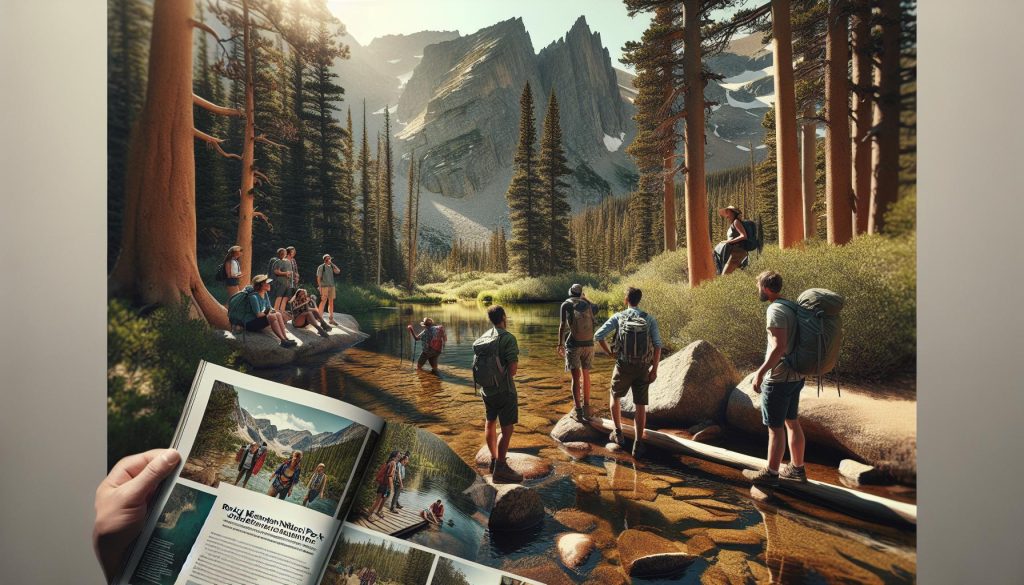
Nestled within the stunning landscapes of Colorado, Rocky Mountain National Park is a gem that invites both adventure seekers and leisurely explorers. Did you know the park spans over 415 square miles of diverse ecosystems, from lush meadows to towering peaks? This day trip guide highlights must-see stops that cater to all traveler types-whether you’re eager for an adrenaline-pumping hike or simply wish to soak in breathtaking views. With tips on the best times to visit, essential packing lists, and insider recommendations, you’ll be well-prepared to make the most of your trip. Get ready to uncover the natural beauty and tranquility of the Rockies, ensuring your adventure is not only memorable but accessible and enjoyable for everyone. Let’s dive in and discover the highlights that await!
Rocky Mountain National Park Overview: Your Ultimate Guide
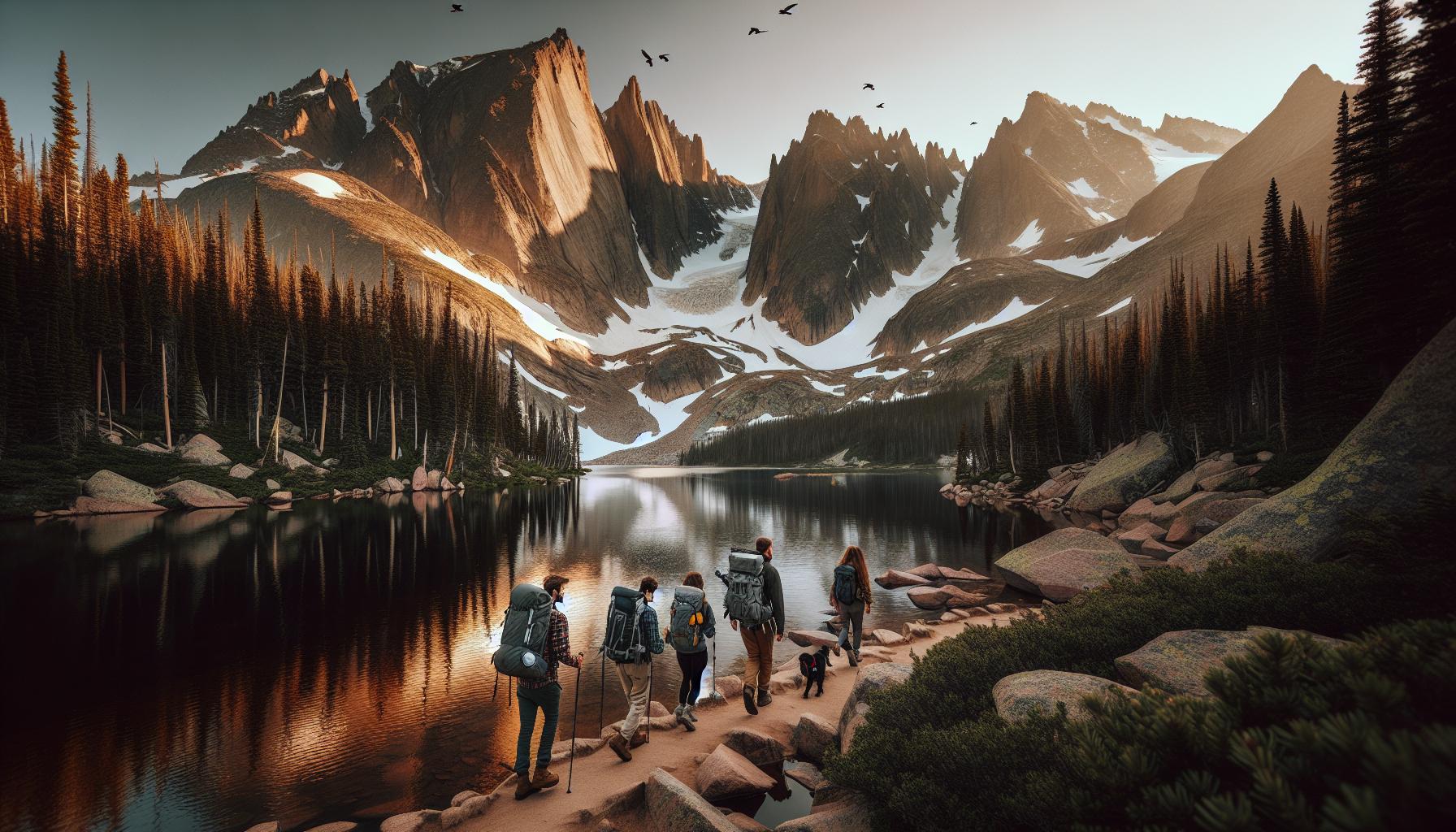
Nestled in Colorado’s stunning Rocky Mountains, Rocky Mountain National Park spans over 415 square miles of breathtaking landscapes, making it a must-visit destination for adventure seekers and nature lovers alike. The park features diverse ecosystems ranging from lush meadows at lower elevations to glistening alpine lakes and towering peaks that soar above 14,000 feet. Each corner of the park offers unique experiences and photo opportunities, turning a day trip into a lifetime of memories.
Parking and entrance can get busy during peak seasons, especially in the summer months, so plan to arrive early or consider visiting during the shoulder seasons of late spring or early fall for a quieter experience. Don’t forget that certain areas, like Bear Lake, are popular for stunning views but can become crowded; it might be wise to hike a bit beyond the main attractions to find serenity and solitude.
When it comes to must-see stops, be sure to include these highlights on your itinerary:
- Trail Ridge Road: This scenic drive takes you to the highest continuously paved road in North America and provides panoramic views that will undoubtedly leave you in awe.
- Bear Lake: A short, easy trail leads you to this picturesque lake surrounded by towering peaks, perfect for those Instagram moments.
- Alpine Visitor Center: Stop here to learn about the park’s unique ecosystems, grab a bite, and enjoy stunning views.
- Moraine Park: Known for its expansive meadows and rich wildlife, this area is great for spotting elk, especially during the fall rut.
Keep in mind the importance of proper planning and preparation when venturing into this wilderness. A solid day trip to Rocky Mountain National Park can be both exhilarating and straightforward when you know what to do and where to go. Whether you’re with family, friends, or flying solo, the park welcomes all types of visitors ready to explore its majestic beauty.
Best Times to Visit Rocky Mountain National Park
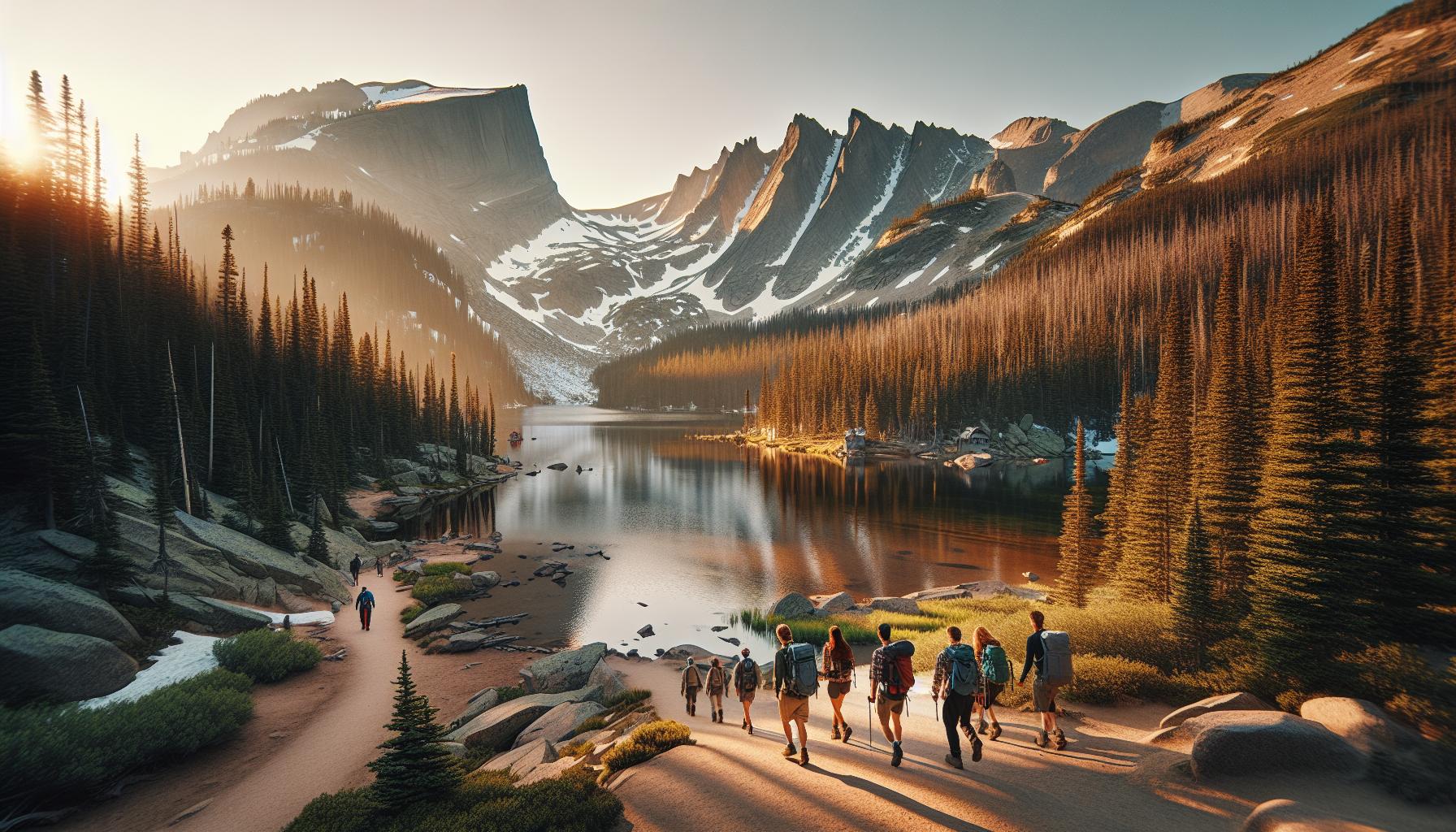
The breathtaking beauty of Rocky Mountain National Park is a year-round draw, but knowing when to visit can transform your experience from ordinary to extraordinary. Spring (late May to early June) beckons with wildflowers bursting into color, making the meadows a painter’s palette of vibrant hues. It’s the perfect time for wildflower enthusiasts and photography lovers alike. Spring also offers fewer crowds compared to the bustling summer months, allowing for a more intimate experience with nature.
Summer (July to early September) is the peak season for visitors, coinciding with warm weather and longer days. This is when the park truly comes alive; however, it can get busy, especially at popular spots like Bear Lake and Trail Ridge Road. If you opt to visit during this time, aim for early morning hikes or late afternoon drives to avoid the crowds. Be prepared for afternoon thunderstorms, which are common in the Rockies.
As the leaves turn and autumn blankets the park (late September to mid-October), prepare for a spectacular display of fall colors. This enchanting season is ideal for hiking and photography; the golden aspen groves nestled against the backdrop of rugged mountains create stunning vistas. Wildlife is also very active during this time, particularly elk, as they prepare for the winter months.
Winter (late November to mid-March) transforms the park into a serene, snow-covered wonderland perfect for cross-country skiing and snowshoeing. While some roads and park facilities may close, the tranquility of the park is unparalleled. Winter visitors can experience a unique kind of beauty and solitude, ideal for adventurers who prefer a slightly less crowded atmosphere.
In summary, no matter the season, Rocky Mountain National Park offers something magical for every traveler. Whether it’s the wildflower bloom of spring, the vibrant energy of summer, the autumn foliage, or the quiet charm of winter, planning your visit around these seasonal highlights can elevate your experience and create lasting memories.
Essential Packing List for Your Day Trip
When preparing for a day trip to Rocky Mountain National Park, packing smartly can make all the difference between a fantastic adventure and a frustrating experience. The park’s dramatic elevation changes and unpredictable weather mean that you’ll want to come equipped for anything. Here’s a practical guide to ensure you have everything you need for an enjoyable day in the great outdoors.
Clothing Essentials
Layering is key in the Rockies, where temperatures can fluctuate throughout the day. Start with a moisture-wicking base layer, followed by an insulating layer like a fleece. Finally, pack a waterproof and breathable outer layer to protect against sudden rain or snow. Don’t forget to wear sturdy hiking boots; they provide the ankle support and grip necessary for rocky trails. It’s also wise to bring a wide-brimmed hat and sunglasses for sun protection at high altitudes.
Daypack Must-Haves
Your daypack should hold various essentials to keep you comfortable and energized during your explorations. Here’s a quick list of items:
- Water: Hydration is crucial, so bring at least two liters per person.
- Snacks: Pack high-energy snacks like trail mix, energy bars, or fruit.
- First Aid Kit: Include basic supplies for minor injuries and any personal medications.
- Navigation Tools: A physical map of the park and a compass or GPS device can be incredibly useful.
- Sun Protection: Sunscreen and lip balm with SPF are must-haves, even on cloudy days.
- Trash Bags: Help keep the park pristine by packing out everything you bring in.
Additional Gear for Activities
If you plan to hike or partake in any specific activities, consider these additional items:
- Cameras: Bring a DSLR or a good smartphone camera for capturing the park’s stunning vistas.
- Binoculars: Great for wildlife watching-look for elk and other animals from a distance.
- Hiking Poles: These can provide stability on uneven terrain and help reduce strain on your knees.
With the right preparations, you’ll be ready to fully immerse yourself in the breathtaking beauty of Rocky Mountain National Park. Each stop along your journey-from alpine lakes to sweeping mountain vistas-will be all the more enjoyable when you’re equipped for the adventure ahead.
Top Must-See Stops in Rocky Mountain National Park
From soaring peaks to tranquil lakes, Rocky Mountain National Park is a treasure trove of must-see stops that are sure to leave you breathless. Whether you’re a first-time visitor or a seasoned adventurer, there are iconic locations you simply cannot miss.
One of the crown jewels of the park is Bear Lake, a picturesque spot that’s easily accessible and perfect for a leisurely stroll or a picnic. This alpine lake is surrounded by stunning mountain vistas and offers various trails, including a short, flat loop that even families with young children can enjoy. The views are particularly magical at sunrise and sunset when the colors reflect off the water.
As you venture deeper into the park, don’t overlook Trail Ridge Road, which is the highest continuous paved road in North America. This scenic drive takes you through multiple ecosystems, from lush forests to windswept alpine tundra. Pull off at Many Parks Curve for jaw-dropping panoramic views, and be sure to have your camera ready-this view alone is worth the trip! Take your time here; stopping frequently will give you the chance to spot wildlife like elk and bighorn sheep.
Another highlight of your visit should be the Alpine Visitor Center, where you can learn about the unique environment and history of the park. The center offers stunning views and has restrooms and a café, making it a great place to refresh before heading back out.
Finally, don’t miss Emerald Lake, a short hike from Bear Lake that takes you past Nymph Lake and Dream Lake. The trail is well-marked and rewards your efforts with breathtaking views and vibrant green waters set against towering peaks. Early morning is the best time to experience this spot, with fewer crowds and crisp mountain air.
With these stunning locations on your agenda, you’ll be sure to catch the essence of Rocky Mountain National Park. Make sure to plan your stops wisely to maximize your day in this beautiful landscape, and remember: the journey is just as important as the destination!
Scenic Drives: Experience the Park’s Breathtaking Views
The scenic drives in Rocky Mountain National Park offer some of the most breathtaking views in the United States, making them an essential part of your visit. Imagine winding your way through high mountain passes and lush valleys, with vistas that evoke awe and wonder at every turn. Among these, Trail Ridge Road stands out as the crown jewel of the park. It is the highest continuous paved road in North America, reaching elevations over 12,000 feet. The drive itself is a journey through distinct ecosystems, transitioning from dense forests to pristine alpine tundra.
As you traverse this iconic road, make sure to stop at Many Parks Curve, where you’ll be treated to sweeping panoramic views that perfectly capture the essence of Colorado’s high country. Early morning or late afternoon can bathe the landscape in magical light, making it a prime time for photographs. Always keep your camera handy; wildlife encounters are common here! Keep an eye out for majestic elk and elusive bighorn sheep often seen grazing along the roadside.
Another delightful drive is Bear Lake Road, perfect for families and those who prefer a shorter excursion. This shorter option leads you right to the picturesque Bear Lake, where you can enjoy a serene picnic or take a brief stroll around the water. The drive itself is beautifully landscaped and offers glimpses of the stunning mountains that surround the area, setting the perfect backdrop for your outdoor adventures.
For a truly immersive experience, try to plan your drive on a weekday in the shoulder seasons of late spring or early fall. This timing allows for a quieter exploring experience, as weekends can become quite busy. Parking can be a challenge during peak times, but strategic planning will help your day go smoothly. As you navigate through these spectacular landscapes, don’t forget to take the time to enjoy the journey as much as the destination-Rocky Mountain National Park is all about the thrill of the ride!
Hiking Trails for Every Skill Level
There’s no better way to immerse yourself in the beauty of Rocky Mountain National Park than by tackling its diverse hiking trails. Whether you’re an experienced mountaineer or just looking for a leisurely stroll with the family, the park offers a variety of trails that showcase its stunning landscapes, from lush valleys to rugged mountaintops.
Start with one of the most accessible gems, the Bear Lake Trail. This relatively flat, one-mile loop is perfect for families and those who may be new to hiking. The trail provides breathtaking views of the surrounding peaks and is well-paved, making it suitable for strollers and wheelchairs. Take a moment at Bear Lake to enjoy a picnic or snap photos of the reflections dancing on the water’s surface.
For a more challenging adventure, consider the Emerald Lake Trail, which spans around 3.6 miles round-trip. The trek offers a moderate ascent and rewards you with stunning views of three shimmering lakes that are fed by glacial melt. Along the way, you’ll enjoy scenic overlooks and wildflower meadows, particularly breathtaking in late spring and early summer when the blooms are in full swing.
If you’re looking for a serious workout, the Keyhole Route on Longs Peak is a must-try for seasoned hikers. This 14-mile round-trip journey is rigorous and demands careful planning, but the sense of accomplishment upon reaching the summit at 14,259 feet is unparalleled. Prepare for varying weather conditions and always check forecasts ahead of time.
No matter your skill level, it’s essential to pack accordingly for your hikes. Always bring plenty of water, snacks, and essential gear like hiking poles and layered clothing to adapt to temperature changes throughout the day. A good pair of hiking boots will also make a notable difference in your comfort level as you navigate rocky paths and elevation changes.
Remember, the beauty of the park’s trails lies not just in their destinations but in the experiences along the way. Take the time to absorb the sights, sounds, and scents of the natural world around you-Rocky Mountain National Park is a haven for outdoor enthusiasts and casual visitors alike.
Wildlife Spotting: What to Expect and Where to Go
The thrill of spotting wildlife in Rocky Mountain National Park is an experience unlike any other. Home to a diverse array of animals, including elk, mule deer, bighorn sheep, and even the rare mountain goat, this park is a treasure trove for nature lovers and wildlife enthusiasts. Whether you are an avid bird watcher or simply a curious visitor, the park offers exhilarating opportunities to witness these majestic creatures in their natural habitats.
To increase your chances of spotting wildlife, visit during the early morning or late afternoon when animals are most active. When exploring the park, keep an eye out in areas like the Moraine Park and Horseshoe Park, which are known for their large elk herds, particularly during the rutting season in the fall. Another excellent spot is along the Bear Lake Road, where you might encounter marmots sunbathing or see deer grazing quietly among the wildflowers.
Best Locations to Encounter Wildlife
Here are some of the prime locations within the park where you can enjoy fantastic wildlife sightings:
- Moraine Park: Look for elk, especially during the spring months when they can be seen calving.
- Rocky Mountain National Park’s Alpine Tundra: This area attracts bighorn sheep. Driving the Trail Ridge Road offers multiple lookout points for viewing them.
- Bear Lake Area: Known for its variety of bird species, including the beautiful mountain bluebird.
- Trail Ridge Road: This high-altitude road provides opportunities to spot unique mountain fauna, including the elusive marmot.
When engaging in wildlife spotting, it’s important to maintain a safe distance. Federal regulations require visitors to keep at least 75 feet away from any wildlife. Using binoculars or a zoom lens can help you observe animals without disturbing their natural behavior. Remember, the goal is to appreciate these remarkable creatures while preserving their habitat.
Additionally, consider visiting during the quieter shoulder seasons of spring and fall when crowds are thinner, making wildlife sightings more probable and enjoyable. With a bit of patience and the right timing, your wildlife adventures in Rocky Mountain National Park will be unforgettable moments you’ll cherish for years to come.
Picnic Spots and Dining Options Inside the Park
Pack your favorite snacks and a cozy blanket because Rocky Mountain National Park offers some of the most picturesque picnic spots you could imagine. With its breathtaking views, diverse landscapes, and refreshing mountain air, enjoying a meal outdoors here is truly a special experience. Nestled among towering pine trees and sprawling meadows, several designated picnic areas make it easy to find the perfect spot to relax and recharge during your visit.
At Moraine Park, you’ll find not just stunning views but also ample picnic tables and facilities. It’s a tranquil setting, perfect for families looking to enjoy a leisurely lunch surrounded by nature. As you enjoy your meal, keep an eye out for elk grazing in the nearby meadows, especially during the late spring when calves are often spotted.
For a different vibe, head to Bear Lake, which is not only a popular hiking trailhead but also offers picnic opportunities with breathtaking vistas right by the water’s edge. Picture this: you’re sitting by the serene alpine lake, with the sounds of nature all around, making every bite of your packed lunch feel like a moment of bliss. Just remember that this area can get busy, particularly in the summer months, so either arrive early or plan your picnic for a weekday to avoid the crowds.
If you’re looking for dining options within the park, the Rocky Mountain Conservancy’s cafeteria offers delicious, seasonal options ranging from hearty soups to freshly made sandwiches. Perfect for a quick refuel after a hike, it’s a great way to enjoy local flavors without having to pack an elaborate meal. For those who prefer to eat on the go, various food trucks can be found in the high season, serving up everything from burritos to gourmet burgers.
Finally, remember to pack out what you pack in! The park maintains its beauty partly through the efforts of visitors respecting the environment. So, after you’ve had your fill of nature and food, take a moment to ensure your picnic spot is just as pristine as you found it. Enjoying a meal in this stunning setting is more than just nourishment; it’s part of the adventure that is Rocky Mountain National Park!
Photography Tips for Stunning Rocky Mountain Shots
Capturing the breathtaking beauty of Rocky Mountain National Park can elevate your visit, turning memories into stunning visual records. As the sun rises over jagged peaks or sets behind tranquil lakes, knowing how to seize that perfect moment is key to your photography success. Whether you’re an amateur with a smartphone or a seasoned pro wielding an SLR, these insightful tips will help you frame the majesty of this natural wonder.
Timing is Everything
Golden hour-just after sunrise and just before sunset-provides the most flattering light for your photos. The soft hues and long shadows highlight the intricate details of the landscape while creating a magical atmosphere. At locations like Bear Lake and Trail Ridge Road, you’ll find prime conditions if you arrive early or stay late. Cloudy days can also offer unique opportunities for moody photography, especially up high in the mountains, where fog and clouds can add drama to your shots.
Consider Your Composition
Utilize the rule of thirds to create balanced and engaging images. This method involves dividing your frame into three equal parts, both horizontally and vertically, and placing the most important elements along these lines or at their intersections. For instance, when photographing the stunning alpine lakes, aim to keep the horizon one-third of the way down the frame, allowing the foreground or reflections to fill the lower two-thirds. Experimenting with different angles can add depth; consider getting low to the ground or finding elevated viewpoints for an entirely new perspective.
Wildlife Wonders
Rocky Mountain National Park is a paradise for wildlife photography, with elk, bighorn sheep, and a variety of bird species roaming the area. For the best chance at a close encounter, visit early in the morning or later in the afternoon when animals are most active. Use a telephoto lens to capture the beauty of wildlife from a respectful distance, ensuring you do not disturb their natural behaviors. Areas like Moraine Park are excellent spots for observing elk, especially during their mating season in the fall.
Protecting Your Lens
Adventure comes with challenges-dust, humidity, and sudden weather changes can all affect your camera gear. Invest in a protective lens filter to guard against scratches and reduce glare, especially when shooting near reflective surfaces like lakes. Additionally, handy microfiber cloths are essential to wipe off water droplets or dust if thunderstorms roll in unexpectedly. Having a small, weather-resistant bag or pouch can be a lifesaver as you transition between hiking and photography.
Editing for Impact
Finally, don’t forget the power of post-processing. Tools such as Adobe Lightroom or even mobile apps can enhance your images tremendously. Experiment with adjustments to contrast, saturation, and cropping to ensure your photos resonate with the beauty you experienced. A little editing can breathe new life into your shots, helping colors pop and details stand out.
Equip yourself with these photography tips, and you’ll not only collect memories but also create stunning visuals reflective of the splendor that is Rocky Mountain National Park. Each snap of your camera will tell a story of adventure, exploration, and nature that you can share long after your trip ends.
Insider Tips for Navigating Crowds Effectively
When the natural wonders of Rocky Mountain National Park beckon, it’s easy to find yourself amidst a bustling crowd, especially at iconic spots like Bear Lake and Trail Ridge Road. However, navigating this popularity doesn’t have to dampen your experience. With a few strategic moves, you can enjoy the park while avoiding its busiest moments.
Timing Your Visit
Consider planning your day around the crowds. Early mornings, particularly just after sunrise, are often the most tranquil times. Not only will you have a front-row seat to the stunning early light reflecting on the mountains, but you’ll also encounter fewer visitors. For those looking to utilize their full day, a late afternoon visit can be equally rewarding; just be sure to have your exit planned well before dark.
Explore Lesser-Known Areas
While the park’s highlights are must-sees, don’t overlook its hidden gems. Places like the Wild Basin Area or the less-traveled trails of the south part of the park provide breathtaking views and a sense of solitude. One popular trail, the Bluebird Lake Trail, is a fantastic option with fewer hikers but equally impressive scenery. This approach not only enriches your experience but also allows for quieter moments with nature.
Utilize Shuttles and Park Services
Take advantage of shuttle services when available. The park offers shuttles that can whisk you to popular trailheads without the hassle of parking. This is particularly beneficial during peak tourist season when parking lots fill quickly. Additionally, keeping an eye on the park’s website or social media can provide real-time updates on traffic conditions and visitor levels, helping you make informed decisions.
Be Flexible
With nature, a little flexibility goes a long way. If you do encounter a crowd, consider adjusting your plans. Instead of heading straight to a popular vista, explore nearby trails or vantage points that may offer similar views without the crowd. Planning for contingencies can help ensure that your visit remains enjoyable, even amidst unexpected crowds.
These tailored tips can transform how you experience Rocky Mountain National Park, turning potential crowd frustrations into opportunities for adventure and discovery, making your day trip both relaxing and memorable.
Family-Friendly Activities in Rocky Mountain National Park
Discovering the stunning landscapes of Rocky Mountain National Park can be a thrilling adventure for families, filled with opportunities to connect with nature and create lasting memories. Whether your children are little adventurers or budding nature enthusiasts, there’s an array of activities that promise fun and educational experiences for all ages.
Families can kick off their visit with the Junior Ranger Program, where kids learn about the park’s diverse ecosystems and wildlife. This program offers engaging activities designed to instill a sense of responsibility and appreciation for nature. Once they complete the required tasks, children earn an official Junior Ranger badge, making it a memorable highlight of the trip.
Nature Trails and Easy Hikes
Exploring easy trails is a fantastic way to immerse your family in the beauty of the park without overwhelming younger hikers. The Bear Lake Trail is a must-see; its short, paved path leads to breathtaking views and is suitable for strollers. Another accessible gem is the Sprague Lake Trail, a flat loop that offers magnificent views of the surrounding mountains, perfect for a leisurely stroll while keeping an eye out for local wildlife.
Wildlife Watching
Wildlife spotting can add an element of excitement to your family outing. Rocky Mountain National Park is home to diverse species like elk, deer, and even the elusive moose. Early mornings or late afternoons are optimal for sightings, especially along the Trail Ridge Road where animals are more active. Be sure to bring binoculars for a closer look!
Educational Programs
The park frequently hosts ranger-led programs designed for families. From star-gazing sessions to talks about the geology of the region, these programs not only entertain but also enrich your family’s understanding of the park’s significance. Check the park’s visitor center for a schedule of activities during your visit.
Picnicking with a View
Don’t forget to pack a picnic! There are numerous scenic spots like Lily Lake where you can enjoy a meal while taking in the stunning backdrop. This is a great way to relax and recharge before exploring more trails or embarking on your next adventure.
With all these family-friendly options, Rocky Mountain National Park becomes an engaging playground for discovery and adventure, ensuring that your day trip is both memorable and fun for every family member. Be sure to take advantage of the rich experiences waiting just around every corner!
Exploring Nearby Attractions for Extended Fun
Exploring the treasures surrounding Rocky Mountain National Park can transform your day trip into an extended adventure full of discovery. Beyond the park’s breathtaking landscapes and diverse wildlife, nearby attractions offer enriching experiences that cater to various interests. Whether you’re seeking family-friendly activities, charming towns, or scenic trails, you won’t be disappointed.
Charming Towns to Visit
Take a break from the park’s wild beauty by exploring the quaint mountain towns that dot the area. Estes Park, known as the gateway to Rocky Mountain National Park, boasts a rich history, vibrant local shops, and delicious eateries. Be sure to stop by the Historic Estes Park Museum to learn about the region’s heritage. For a taste of the local coffee scene, head to Kind Coffee for a freshly brewed cup while soaking in the stunning mountain views.
Another delightful option is Nederland, a picturesque town just a short drive from the park. This artsy community is famous for its vibrant music scene and eccentric shops. Don’t miss the chance to explore the Frozen Dead Guy Days festival if your visit coincides with March, where the town celebrates its quirky history with fun events and local food.
Outdoor Adventure Beyond the Park
If you’re craving more outdoor fun, consider heading to Brainard Lake Recreation Area, located a short drive from the park. Here, you can enjoy hiking, fishing, and even picnicking amidst breathtaking scenery. The Trailhead to Long Lake provides several hiking options, including trails suitable for all skill levels. Remember to pack your cameras for the stunning mountain reflections on the lake’s surface.
For those looking for a unique experience, check out Glen Haven, a small village at the foot of the mountains, known for its historical significance and proximity to natural attractions. It offers peaceful hikes and is perfect for butterfly watching during the summer months.
Unique Attractions
Finally, don’t overlook Lake Dillon, located about an hour’s drive from the park. This scenic lake is perfect for boating, paddleboarding, or simply enjoying a leisurely walk along the shore. In winter, the area transforms into a paradise for ice fishing and snowshoeing.
Take time to explore all that this stunning region has to offer. Whether it’s the charming towns, outdoor adventures, or unique attractions, each stop is an opportunity to create lasting memories, ensuring that your visit to Rocky Mountain National Park is not just a day trip but a journey filled with excitement and discovery.
Faq
Q: What are the best viewpoints in Rocky Mountain National Park?
A: The best viewpoints in Rocky Mountain National Park include Bear Lake, Alpine Visitor Center, and Trail Ridge Road, which offer breathtaking panoramas of the mountains and valleys. Don’t miss Moraine Park for stunning vistas of the peaks, especially at sunrise or sunset for spectacular lighting.
Q: When is the peak season to visit Rocky Mountain National Park?
A: The peak season to visit Rocky Mountain National Park is from late June to early September. During this time, all facilities and trails are open, but be prepared for crowds. For a quieter experience, visit in early June or late September when the fall colors are stunning.
Q: What wildlife can I expect to see on a day trip?
A: On your day trip, you can expect to see elk, deer, bighorn sheep, and various birds like eagles and hawks. Early mornings or late evenings are the best times for wildlife viewing. Keep a respectful distance; never approach animals.
Q: Are there any accessible trails in Rocky Mountain National Park?
A: Yes, Rocky Mountain National Park has several accessible trails including the Bear Lake Trail and Sprague Lake Trail. These paths feature hard surfaces and are relatively flat, making them suitable for visitors with mobility challenges. Check the park’s website for updated accessibility details.
Q: What should I pack for a day trip to Rocky Mountain National Park?
A: For your day trip, pack water, snacks, sunscreen, a map, and appropriate clothing in layers for changing weather. A first aid kit and comfortable hiking shoes are also essential. Refer to our packing list section for a complete guide.
Q: Are there any guided tours available in Rocky Mountain National Park?
A: Yes, several companies offer guided tours in Rocky Mountain National Park, including wildlife tours and ranger-led hikes. These tours provide insights into the park’s ecology and history, enhancing your experience. Check local operators for options and availability.
Q: How do I avoid crowds during my visit?
A: To avoid crowds at Rocky Mountain National Park, plan your visit on weekdays and arrive early in the morning or later in the afternoon. Exploring less popular areas like Wild Basin can also lead to a more peaceful experience.
Q: What are some nearby attractions to consider after visiting the park?
A: After exploring Rocky Mountain National Park, consider visiting Estes Park for charming shops and restaurants or Lyons for scenic drives and waterfalls. The Flatirons in Boulder are also an excellent option for more hiking and stunning views.
Insights and Conclusions
As you wrap up your unforgettable journey through Rocky Mountain National Park, remember the breathtaking vistas, the captivating wildlife, and the exhilarating trails that await. Whether you’re planning to return during peak wildflower season or looking to capture the stunning fall foliage, there’s always something new to discover. Don’t miss our guides on the best family-friendly activities and hidden gems within the park to enhance your next visit.
Ready to explore more? Sign up for our newsletter for insider tips and the latest travel updates, and check out our comprehensive planning resources to make the most of your adventure. Join the community in the comments below-share your experiences, ask questions, and inspire fellow travelers! Your next extraordinary trip starts now; let’s keep the journey going!
Get our latest guides, news, and insights highlighted in your Google Search & AI Overviews.


