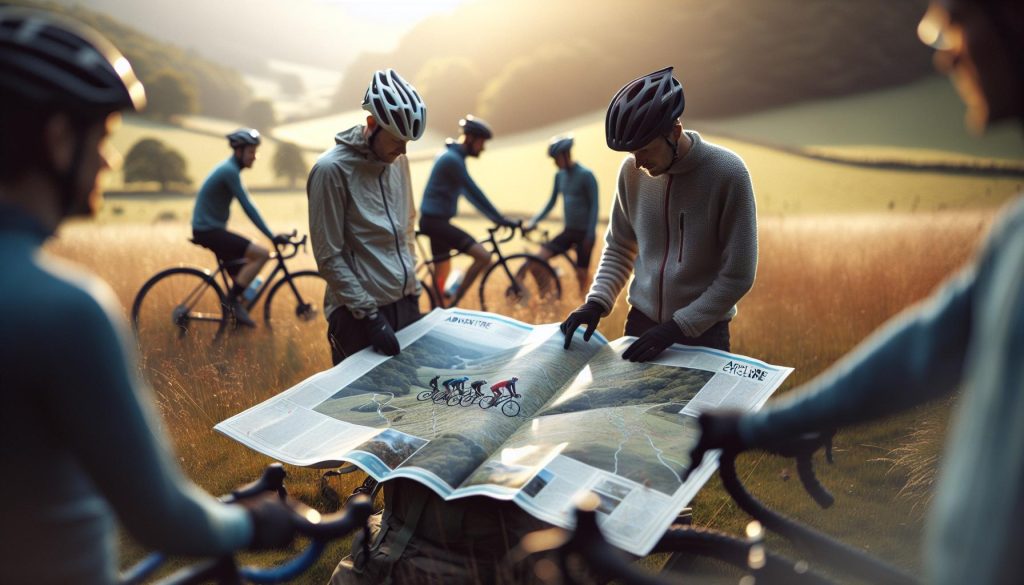
Are you ready to embark on the adventure of a lifetime, exploring winding roads and breathtaking landscapes on two wheels? “Adventure Cycling Maps: Plan Your Perfect Bike Route” is your essential guide to crafting the ultimate cycling journey. With dedicated maps tailored for all experience levels, you can confidently navigate the best routes while uncovering hidden gems along the way.
As you plan your getaway, consider that a well-charted route not only enhances your travel experience but also maximizes your enjoyment, minimizing the stress of last-minute decisions. Whether you’re a seasoned cyclist or just looking to enjoy a leisurely ride with family, this article will equip you with insider tips, must-see highlights, and practical logistics tailored to your unique travel style. Get ready to pedal towards unforgettable experiences, stunning vistas, and the joy of discovery while pursuing your cycling dreams!
Understanding Adventure Cycling: A Beginner’s Guide
Adventure cycling is more than just a mode of transportation; it’s a lifestyle that invites you to explore the world on two wheels. Whether you’re meandering through scenic backroads or tackling challenging mountain trails, understanding the nuances of adventure cycling can transform your experience from good to unforgettable. The journey begins with preparation-specifically, by mastering the art of map reading and route planning.
Start by leveraging both traditional maps and modern technology. While digital maps on smartphones or GPS devices provide real-time navigation and updates, incorporating physical maps offers unique advantages. They can showcase detailed topography, indicate scenic routes, and highlight points of interest that digital maps may overlook. It’s wise to familiarize yourself with the symbols and legends used on these maps, as they can denote everything from campgrounds to challenging climbs.
When planning your route, consider your personal riding style and experience. Are you seeking tranquility through quiet countryside roads, or does the thrill of rugged trails beckon you? Recognizing your comfort zone helps you make informed choices that align with your skill level. Additionally, factor in seasonal considerations-some paths may be closed in winter or impacted by extreme weather. Here’s a quick checklist for planning:
- Assess Your Skills: Choose routes that match your experience level.
- Research Local Weather: Understand the climate you might encounter.
- Check for Amenities: Identify water sources, food stops, and rest areas.
- Plan for Emergencies: Always have a backup route and essential safety gear.
By combining these elements of preparation with passion and curiosity, you can embark on an adventure cycling journey that not only satisfies your adventurous spirit but also enhances your appreciation for the great outdoors. Embrace the challenges and rewards of planning your ultimate bike route!
Essential Gear for Your Cycling Adventure
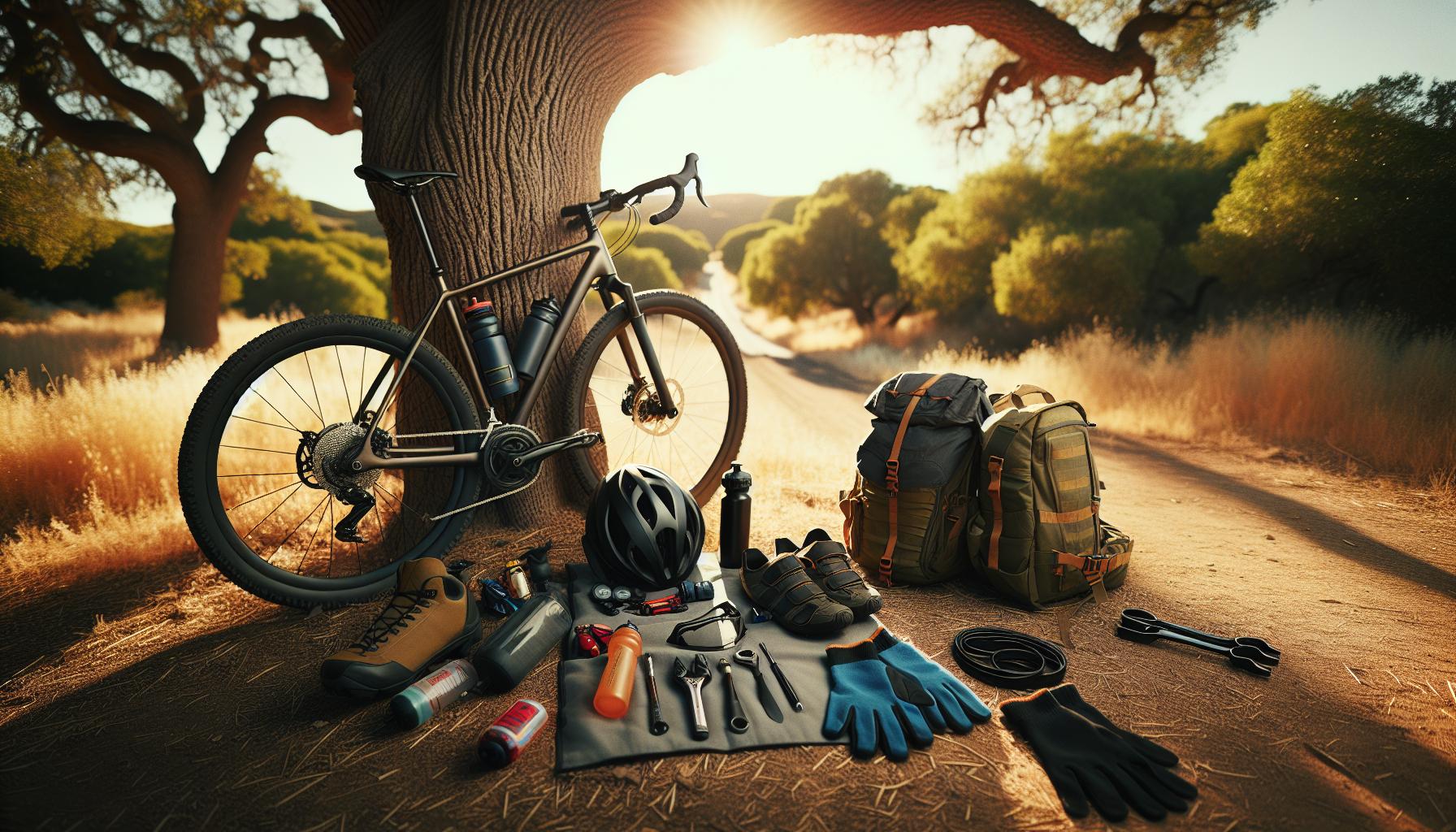
When gearing up for an adventure cycling journey, the right equipment can make all the difference between a mediocre excursion and an unforgettable experience. The essentials range from your bike itself to the accessories that keep you prepared and comfortable on the road. To truly immerse yourself in the adventure, consider investing in gear that complements both your route and personal style of cycling.
Choosing the Right Bike
The foundation of your cycling adventure is your bike. Depending on the terrain you plan to explore, you may need a specific type. Road bikes are ideal for paved paths and long-distance rides, while mountain bikes are designed to tackle rugged trails. If your journey includes a mix of surfaces, a hybrid or gravel bike can be a versatile choice. Ensure your bike is equipped with luggage racks for carrying your essentials, giving you the freedom to focus on the ride rather than worrying about your gear.
Essential Accessories
Beyond the bike itself, having the right accessories is critical. Start with a quality helmet that fits snugly; this is non-negotiable for safety. Next, consider tools such as a multi-tool for on-the-go repairs, tire levers, and a patch kit-these can save you during unexpected situations on remote trails.
Don’t overlook your clothing choices, as they can make or break your comfort. Invest in moisture-wicking cycling shorts and a breathable jersey tailored for long rides. Weather-appropriate outer layers are also necessary; think about windbreakers or waterproof jackets if you’ll be cycling in variable climates.
Navigation Tools
For planning your route, reliable navigation tools are paramount. Traditional paper maps still have their place, as they can show detailed topography and paths that digital maps might miss. However, smartphone apps and GPS devices can offer real-time updates and navigation support. Ensure that your device is water-resistant and has a durable mounting system for easy access while riding.
Miscellaneous Essentials
Finally, don’t forget to pack basic supplies: hydration systems or bottles, lightweight snacks, a first-aid kit, and sunscreen. These will sustain your energy levels and protect against sun exposure during long days in the saddle. If your route includes link-ups with fellow cyclists, consider a way to connect, such as a portable charger that keeps your devices powered while on the go.
By assembling a well-thought-out selection of gear, you not only enhance your comfort and safety during your ride but also empower yourself to embrace the many adventures that await. With the right preparation, any journey can lead to unforgettable explorations on two wheels!
Choosing the Right Route: Top Considerations

Choosing the ideal route for your adventure cycling journey is akin to setting the stage for a grand performance; it can greatly influence the entire experience. It’s essential to consider not only the distance but also the variety of scenery, the type of terrain, and the road conditions. Here are some vital aspects to contemplate when selecting your cycling path.
Begin with your ability and fitness level. If you’re a seasoned cyclist seeking a challenge, opt for routes with varied elevations and rugged terrains. Conversely, beginners or casual cyclists might want to stick to flatter, paved paths that offer scenic vistas without overexertion. Researching trail reviews can provide insights into the terrain difficulty and overall cyclist-friendliness.
Next, think about your interests and preferences. Are you eager to soak in historical landmarks, explore picturesque towns, or merely bask in nature’s beauty? For instance, routes like the Katy Trail in Missouri showcase stunning landscapes, local culture, and plenty of opportunities for breaks at quaint towns-perfect for leisurely exploration. Prioritize what excites you, as this will enhance your cycling adventure.
Additionally, consider safety and accessibility. Check the route’s traffic levels and whether it’s well-maintained. Some trails are specifically designed for cyclists and are separated from vehicles, increasing safety for riders. Searching for cycling maps or apps that detail not just the route, but also potential hazards, rest stops, and local services, can ensure a smoother ride.
Lastly, don’t shy away from consulting local cycling communities or forums. Engaging with fellow cyclists through platforms such as the Adventure Cycling Association can yield invaluable tips on hidden gems and lesser-known routes that might not be showcased in standard cycling guides. Each ride is an opportunity; make sure to connect with those who share the same passion.
By integrating these considerations into your route selection process, you’ll not only map out a path that aligns with your cycling skills and interests, but you’ll also pave the way for unforgettable experiences along the way. Whether you’re cruising along tranquil rivers or tackling challenging mountain passes, the right route is a crucial element of your cycling adventure.
Mapping Out Your Journey: Tools and Techniques
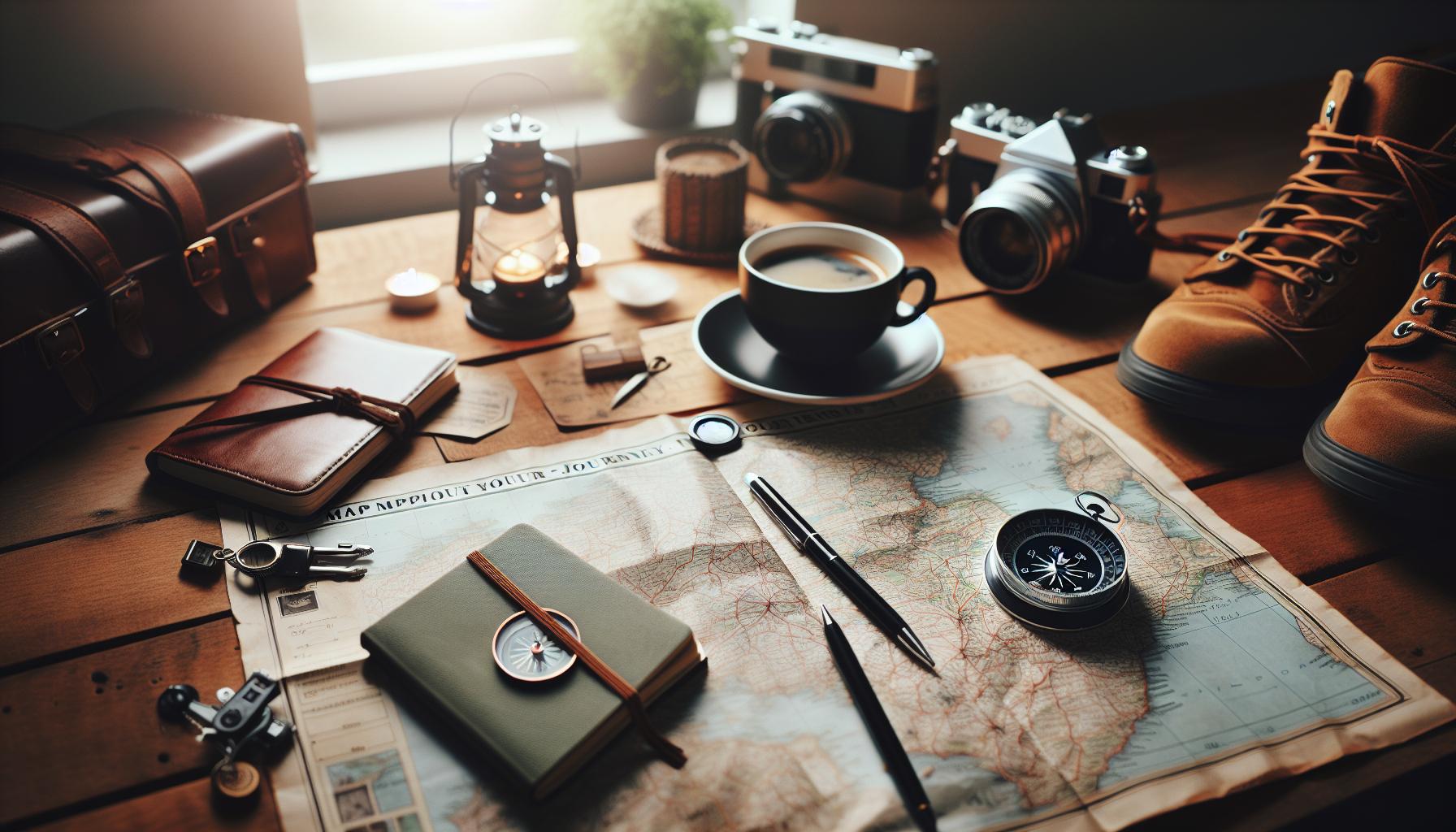
To truly embrace the adventure of cycling, having the right tools and techniques for mapping out your journey is essential. With a plethora of options available today, cyclists can transform the often daunting task of route planning into an exciting part of their journey. Not only does effective mapping ensure you follow a scenic and enjoyable route, but it can also enhance your overall experience by introducing you to hidden gems along the way.
Start with digital maps and applications that cater specifically to cyclists. The likes of Komoot, Ride with GPS, and Strava provide cycling-specific routes with detailed trail information, elevation profiles, and points of interest like cafes and rest stops. These platforms allow users to customize their routes based on difficulty level, distance, and scenery preferences, ensuring your adventure aligns with your capabilities and interests. Utilize the filtering options to tailor your experience-whether you seek winding roads through vineyards or flat paths alongside tranquil lakes.
Another invaluable resource is the Adventure Cycling Association (ACA), which offers a wealth of maps and curated routes across the United States. Their maps not only provide safe cycling paths but also include crucial information on cycling conditions, camping spots, and local attractions. Many of these routes are designed with cyclists’ needs in mind, often avoiding busy roads and prioritizing scenic landscapes, which can elevate your biking experience significantly. Connect with local cycling forums or groups to discover additional insights and recommendations on routes that are off the beaten path.
It’s also wise to have a traditional paper map as a backup. In areas with limited cell signal, a reliable resource like the ACA’s printed maps can be a lifesaver. Familiarize yourself with map reading and navigation skills-they’re essential for any adventure cyclist. Practice identifying landmarks, plotting your course, and estimating distances to gain confidence.
Lastly, make sure to take into account local terrain. Research elevation changes and road conditions, as a route that might seem straightforward on paper can present unexpected challenges in real life. Pay attention to your surroundings and enjoy the journey-mapping your adventure is just as much about the journey itself as it is about reaching your destination. Each twist and turn offers a new surprise, a new story to tell, or a view that takes your breath away.
Exploring Scenic Destinations for Cyclists

There’s nothing quite like discovering a hidden treasure on two wheels, and the world is filled with breathtaking destinations just waiting for you to explore. From coastal paths that hug stunning shorelines to mountain trails that offer exhilarating views, your cycling journey can lead you to some of the most picturesque locales. Here’s a guide to some must-see destinations for cyclists that promise not only scenic beauty but also memorable experiences.
California’s Pacific Coast Highway
Pedal along the iconic Pacific Coast Highway (PCH), where every turn reveals a new vista of the rugged California coastline. This route offers a mix of challenging climbs and leisurely flat stretches along the ocean’s edge, with highlights like Big Sur and the charming town of Carmel. The best time to ride is between April and June when the weather is mild, and the summer crowds haven’t yet arrived. Don’t forget to stop at the local restaurants and enjoy fresh seafood or pack a picnic to savor at one of the scenic overlooks.
Great Allegheny Passage, Pennsylvania
This rail-trail stretches over 150 miles, connecting Pittsburgh to Cumberland, Maryland, and is perfect for cyclists seeking a well-maintained, car-free route. The trail meanders through lush forests, past waterfalls, and over stunning bridges, offering a serene cycling experience. As you ride, the history of the route unfolds, with rail history and local culture evident along the way. Visit charming towns like Ohiopyle, where you can take a break from biking to explore beautiful waterfalls or try your hand at kayaking.
EuroVelo Routes in Europe
For those looking to venture abroad, the EuroVelo network presents a vast array of cycling routes across the continent, each offering unique sights and experiences. For instance, the Danube Cycle Path runs alongside Europe’s second-longest river, winding through vibrant cities like Vienna and Budapest, with ample opportunities to explore castles and vineyards en route. Best ridden from late spring to early autumn, riders can tailor their adventure based on distance, scenery, and cultural encounters, ensuring there’s a path that suits every cyclist’s appetite for adventure.
Tips for Planning Your Scenic Cycling Itinerary
To make the most out of your scenic cycling escapade, consider the following tips:
- Research Local Highlights: Look for points of interest along the route, such as historical sites or local eateries to enhance your experience.
- Check Road Conditions: Certain areas may have construction or detours; check local cycling forums for updates.
- Plan Rest Stops: Factor in breaks for food and hydration, especially on longer routes, to keep your energy levels high.
- Gear Up for Adventure: Ensure your bike is equipped for the terrain and that you’re carrying essential tools and spares for any unexpected situations.
By taking the time to explore these scenic destinations, you’ll not only enjoy the ride but will also create lasting memories that make your cycling journey truly unforgettable. Whether you’re navigating coastline cliffs or charming country lanes, each ride offers its own unique charm and adventure, waiting just for you to discover.
Navigating Terrain: Tips for Different Environments
There’s an adventure awaiting around every bend when navigating various terrains on your bike. Whether you’re transitioning from coastal paths to rugged mountain trails, each environment requires a unique approach to ensure a safe and enjoyable journey. Understanding these differences can transform your cycling experience from ordinary to extraordinary.
Rolling Hills and Roads
When traversing gentle hills and paved roads, it’s all about maintaining speed and efficiency. Use your gears wisely; when ascending a hill, shift to a lower gear to conserve energy and pedal steadily. Consider planning routes that have gradual inclines rather than steep climbs to avoid fatigue, particularly if you’re cycling longer distances. Best times to ride these terrains are early mornings or late afternoons to dodge heavy traffic and the sweltering heat. Always keep an eye on the weather; sudden rain can make roads slippery.
Muddy Trails and Off-Roading
For those seeking thrills on dirt tracks or muddy trails, proper gear and technique are paramount. Invest in mountain bike tires with good tread to maintain grip on soft surfaces. When navigating puddles or mud, try to ride around them rather than through them to prevent getting bogged down. If you do hit mud, keep your weight balanced over the bike and steer cautiously. Keep in mind that off-road cycling is often best in drier conditions-late spring or early fall usually offers the best trail experiences without the accumulation of mud.
Rocky and Steep Terrain
Conquering rocky paths and steep ascents requires a mix of strength and skill. Approach each obstacle with patience; shifting your weight back on inclines can help keep the front wheel grounded. Don’t hesitate to dismount when faced with challenging sections-safety first! Look for riding groups or local enthusiasts through forums; they can provide invaluable insights into the best routes for your skill level. The best times for tackling these terrains are usually early morning in late spring or fall for cooler weather and better trail conditions.
Tips for Terrain-Specific Gear
To optimize your performance across various terrains, consider packing the following items:
- Hydration System: Always bring plenty of water, especially on hot days or longer rides.
- Repair Kit: Essential for off-road adventures-include extra tubes, a multi-tool, and tire levers.
- Appropriate Clothing: Layer for the weather and include moisture-wicking materials to enhance comfort.
- Navigation Tools: GPS devices or apps will keep you on track; always download maps before venturing into areas with limited service.
By understanding the dynamics of different terrains and adapting your approach, you’ll not only improve your cycling skills but also enhance your enjoyment on the road-or trail-less traveled. Each environment presents an opportunity to connect with the beauty of your surroundings, making each ride a memorable chapter in your cycling adventures.
Safety First: Preparing for Wilderness Cycling
When exploring the great outdoors on two wheels, understanding how to prepare for wilderness cycling can mean the difference between an epic adventure and a harrowing experience. The serene beauty of untouched trails and the thrill of off-grid exploration are enticing, yet they come with unique challenges. Navigating remote areas requires meticulous planning and a proactive approach to safety, ensuring you can fully enjoy nature’s wonders without unnecessary risks.
Essential Safety Gear
Before setting off, make sure you have the right gear to protect yourself and your bicycle. A well-fitted helmet is non-negotiable, along with reflective clothing to enhance visibility. A reliable navigation system-a combination of GPS devices and physical maps-should be at the top of your list, especially in areas where cell service can be spotty. If you’re venturing into more isolated locations, consider carrying a satellite communicator for emergency situations. In addition, a first aid kit tailored to your needs, complete with items like bandages, antiseptic wipes, and pain relief medications, is crucial for dealing with any mishaps that may arise.
- Hydration System: Carry an ample supply of water, ideally in a hydration pack or bottles. Make sure to plan for refill points along your route.
- Food Supplies: Pack non-perishable snacks like energy bars or nuts that offer quick nourishment on the go.
- Repair Kit: Prepare for mechanical issues on remote trails with extra tubes, a multi-tool, tire levers, and a mini pump.
- Weather-Appropriate Clothing: Layer your clothing to adapt to variable weather conditions, with moisture-wicking materials to keep you dry.
Planning Your Route
Selecting the right route is essential-not just for enjoyment, but for safety as well. Research trails ahead of time and consult resources like the Adventure Cycling Association for advice on trails suited to your skill level. Look for maps that highlight elevation changes, terrain type, and potential hazards. When plotting your course, consider the expected weather conditions and the time of day; early mornings often provide cooler temperatures, while late afternoons may lead to increased heat and fatigue.
The wilderness can be unpredictable; thus, being aware of local wildlife is crucial. Familiarize yourself with the area’s animal inhabitants, understanding how to react in encounters and what food storage techniques are necessary to keep wildlife at bay. It can be beneficial to connect with local cycling communities or forums for recent reports on trail conditions and personal experiences from others who have cycled the same paths.
By equipping yourself with the knowledge and tools for wilderness cycling, you enhance not just your safety but your overall experience. Plan wisely, gear up, and set forth on your adventure prepared to embrace the beauty and tranquility of nature from the seat of your bike.
Planning Your Stops: Must-See Attractions on Route
When planning your cycling adventure, knowing which attractions to visit along the way can elevate your journey from simply traversing a landscape to truly experiencing it. Picture this: You round a bend, and suddenly, a majestic waterfall comes into view, inviting you to pause and immerse yourself in its beauty. The right stops not only provide rest but also enrich your travel story with unique memories.
One of the key strategies for maximizing your cycling experience is integrating must-see attractions into your route. Start by identifying interests and preferences-are you drawn to historical sites, natural wonders, or vibrant local culture? Research ahead using reliable cycling maps and resources to pinpoint spots that align with your journey. The Adventure Cycling Association offers a wealth of information that can help you find scenic overlooks, charming small towns, and points of interest that cyclists recommend.
Top Stops to Consider
- National Parks and Natural Landmarks: If your route passes by a national park, allocate time to explore its trails or landmarks. Parks such as Yellowstone or Yosemite not only offer breathtaking scenery but also numerous cycling trails within their boundaries.
- Local Eateries and Markets: Seek out local restaurants or farmers’ markets where you can refuel with regional delicacies. This is more than a meal; it’s an opportunity to meet community members and enjoy establishments cherished by locals.
- Cultural Experiences: Look for museums, art galleries, or historical landmarks. Even a brief stop can provide insight into the area’s heritage, such as visiting a local museum dedicated to the region’s history or a historical battle site.
- Scenic Vistas: Incorporate viewpoints or scenic overlooks into your journey. Whether it’s a sweeping valley view or a picturesque mountain range, these spots often make perfect photo opportunities and well-deserved breaks.
Planning for Attractions
Incorporate your chosen stops into a practical timeline. Consider how much time you’d like to spend at each location and factor this into your daily riding distance. Here’s a simple table to help you visualize timing:
| Stop | Type of Attraction | Suggested Duration | Notes |
|---|---|---|---|
| Sunset Viewpoint | Scenic Vista | 30 min | Great for sunset photos! |
| Riverfront Cafe | Local Eatery | 1 hour | Perfect for a lunch break. |
| Historical Museum | Cultural Experience | 1.5 hours | Learn about local history. |
With the right stops planned, your cycling adventure transforms into a rich tapestry of experiences. You can take in the stunning landscapes, enjoy delicious local food, and connect with the culture along your route. Each visit adds a layer of enjoyment, making the journey as rewarding as the destination itself. Remember to be flexible; sometimes unplanned stops can lead to the most memorable experiences. Happy cycling!
Budgeting for Your Cycling Adventure
When setting out on your cycling adventure, understanding the financial aspects can transform what might feel like a daunting undertaking into an exciting journey tailored to your budget. Did you know that the average cyclist can spend anywhere from $50 to $200 per day depending on their choice of accommodation, meals, and activities? A well-thought-out budget not only prevents stress but also enhances your experience by allowing you to prioritize what matters most to you.
Start by determining your travel style. Are you a budget traveler who enjoys camping and cooking your meals? Or perhaps you prefer the comfort of hotels and dining at local eateries? Your choices will significantly influence your budget. Be sure to include:
- Accommodation Costs: From budget hostels to scenic campsites and cozy bed-and-breakfasts, accommodation can significantly vary. Consider booking in advance to secure better rates or look for community recommendations for affordable stays.
- Food Budget: Estimate your daily food expenses. Cooking your meals can save money, while indulging in local cuisine can add a satisfying dimension to your journey. Integrating local markets into your route not only supports the community but also keeps costs manageable.
- Transport and Gear: Factor in the cost of bike maintenance, gear repairs, and any additional transportation (like a train or bus) to get to and from your starting point. Maintaining your bike can help avoid unforeseen expenses down the line.
- Activities and Attractions: Allocate funds for entrance fees to national parks, museums, and other attractions along your route. These enhance your cycling experience and provide unique insights into the local culture.
Creating Your Budget: A Simple Framework
Setting up a detailed budget involves breaking down your expected expenses. Consider the following table as a guide to estimate your daily costs:
| Expense Category | Estimated Cost per Day | Notes |
|---|---|---|
| Accommodation | $20 – $100 | Camping is cheaper than hotels. |
| Food | $15 – $50 | Cook meals vs. dine out. |
| Activities | $10 – $30 | Entry fees for parks and museums. |
| Transport/Gear | $5 – $20 | Bike maintenance and public transport. |
By planning each category thoughtfully, you make a budget that accommodates both essentials and experiences. Keep some flexibility in your finances for spontaneous detours that could lead to newfound adventures. Ultimately, the goal is to enjoy the ride without the burden of financial uncertainty hanging over you. No matter your budget, the journey is what you make of it-embrace the unexpected and savor each moment on your cycling adventure!
Cycle-Friendly Accommodations: Where to Stay
When it comes to finding the perfect place to rest your weary legs after a long day of cycling, selecting cycle-friendly accommodations can make all the difference. Whether you’re tackling scenic routes through national parks or meandering along coastal paths, where you stay should cater to both your comfort and the needs of your bike. Thankfully, there’s a diverse range of options out there to suit every budget and style.
One excellent choice for many cyclists is to look for bike-friendly hotels. These establishments often provide secure bike storage, essential maintenance tools, and even complimentary breakfast to fuel your adventures. For example, chains like Best Western and Holiday Inn have embraced this trend, making them reliable pit stops along popular cycling routes. Many local inns and B&Bs also offer similar amenities, blending comfort and charm with cyclist-friendly services.
For those seeking a more adventurous experience, campgrounds present an affordable and immersive way to connect with nature. National and state parks frequently have campgrounds equipped with facilities for cyclists. Just imagine falling asleep to the sounds of rustling leaves after a day spent on breathtaking trails! When choosing a campsite, consider the availability of restrooms, showers, and water sources – it’ll make your stay far more comfortable, especially after a day in the saddle.
If you fancy something a bit more social, consider hostels or shared accommodations. These options not only save you money but also allow you to meet fellow travelers. Many hostels provide shared kitchens and communal areas where you can swap stories with others about the day’s rides, share tips about routes, and even plan group adventures.
Lastly, don’t forget about couch surfing or homestays. Platforms like Couchsurfing or Airbnb can connect you with local hosts who are happy to offer a spare room or couch. This can be a wonderful way to experience the local culture through the eyes of a resident, and many hosts are more than willing to accommodate your bike, providing a truly homey feel.
Regardless of your choice, remember to book in advance during peak seasons, especially in popular cycling regions. Researching and securing your accommodations ahead of time will ensure your cycling adventure is as smooth as possible, leaving space for spontaneity and exploration along your route. Happy cycling!
Connecting with Local Cycling Communities
The thrill of hitting the open road on two wheels is magnified when you connect with local cycling communities. Not only can these groups offer valuable insights into lesser-known routes and hidden gems, but they can also enrich your experience by introducing you to fellow enthusiasts who share your passion for adventure. Dive into the world of cycling clubs, online forums, and local meetups to tap into a wealth of knowledge and camaraderie.
Joining a Cycling Club
Cycling clubs are a fantastic way to get involved with the local cycling scene. Many cities have grassroots organizations that cater to varying skill levels and interests. These clubs often organize regular rides, ranging from leisurely group outings to more intense training sessions. Joining a club not only enhances your cycling itinerary but also connects you with individuals who can accompany you on journeys and offer tips about the best routes and safety practices. Look for clubs that focus on your specific interests, whether that’s road cycling, mountain biking, or touring.
Online Platforms and Social Media
Online platforms such as Meetup, Strava, or dedicated cycling forums can help you locate and connect with local cyclists. These platforms offer calendars of events and rides that you can easily join. Social media groups on Facebook or Instagram often share valuable tips, route suggestions, and organize rides where you can meet fellow cyclists in your area. Engaging in these online communities can provide support for your cycling adventures, from gear recommendations to sharing experiences about different terrains and local amenities.
Participating in Local Events
Be sure to check out local cycling events, such as charity rides, races, or festivals. These gatherings are not only excellent for honing your cycling skills but also provide opportunities to meet other cyclists who share your love for the sport. Events organized by the Adventure Cycling Association can combine exciting routes with a sense of community, making it easier to find riding partners for your upcoming trips.
enriches your adventure cycling experience and provides a support network that can lead to lifelong friendships. Your journey is not just about the miles you cover, but also the memories made along the way with fellow bike enthusiasts who share your journey.
Local Rules and Etiquette for Cyclists
Cycling through diverse landscapes offers not just an adventure but also an opportunity to engage with varying local cultures and communities. Adhering to local rules and etiquette is essential for ensuring a safe and enjoyable experience for you and those around you. Understanding these guidelines can transform a simple ride into a rich cultural exchange while also promoting safety and mutual respect among cyclists and other road users.
- Know the Local Laws: Each state or region may have unique cycling laws regarding lane usage, signaling turns, and required equipment such as lights and helmets. Before embarking on your journey, familiarize yourself with these laws to avoid fines and ensure you are cycling legally and safely.
- Ride Predictably: When cycling in groups or on shared paths, maintain a steady line and avoid sudden movements. Communicate your intentions to fellow cyclists and pedestrians. Use hand signals for turns and stops, and make sure you’re aware of your surroundings to prevent collisions.
- Respect Pedestrians: Always yield to pedestrians on shared paths. Announce your presence with a friendly bell ring or by calling out, “On your left!” as you pass. This simple gesture fosters goodwill and enhances the safety of all users of the path.
- Be Mindful at Intersections: Intersections can be tricky, so approach them with caution. Follow traffic signals, look out for turning vehicles, and wait for a clear view before proceeding. In some areas, cyclists may be allowed to share lanes with cars; understanding local traffic flow is crucial.
- Leave No Trace: When enjoying nature on your cycling trips, be mindful of your impact on the environment. Practice “Leave No Trace” principles by cleaning up after yourself and avoiding shortcut paths that erode natural landscapes.
- Engage with Local Cyclists: If you’re passing through a new area, take the time to connect with local cyclists, either through clubs or community rides. They can provide specific insights about rules or unique local customs, and may even join you on your journey, enhancing your experience.
Embracing these local rules and etiquette not only enriches your cycling adventures but also fosters a culture of respect and camaraderie on the road. Each ride becomes a chance to learn, connect, and contribute to the cycling community, making your journey all the more fulfilling.
FAQ
Q: What features should I look for in adventure cycling maps?
A: When choosing adventure cycling maps, look for features such as detailed route information, elevation profiles, points of interest, and trail conditions. High-quality maps also indicate bike-friendly accommodations and local services, enhancing your planning. Consider online tools and apps that provide real-time updates and community reviews for the best insights.
Q: How do I plan a multi-day bike route?
A: To plan a multi-day bike route, break your journey into segments of manageable distance, considering both your fitness level and terrain. Research accommodations in advance and plan rest stops at attractions to enjoy along the way. Use tools like map apps to visualize your route and stay flexible for spontaneous detours!
Q: What are the best apps for adventure cycling route planning?
A: Some of the best apps for adventure cycling route planning include Strava, Komoot, and Ride with GPS. These apps allow you to plan routes based on terrain and distance, provide navigation aids, and connect with cycling communities for recommendations. Each app offers unique features to suit different preferences.
Q: How do I ensure safety while cycling in remote areas?
A: To ensure safety while cycling in remote areas, inform someone about your route and estimated return time. Carry essential gear like a first aid kit, tools for bike repair, and sufficient food and water. Always have a reliable map or GPS device, and know the local emergency contacts before setting off.
Q: What should I do if I encounter bad weather while cycling?
A: If you encounter bad weather while cycling, seek shelter and evaluate your options. If conditions are unsafe, delay your ride until they improve. Invest in quality rain gear and waterproof bags for gear protection. Always check the weather forecast and be prepared to adjust your itinerary accordingly.
Q: How can I find bike-friendly trails in my area?
A: To find bike-friendly trails in your area, visit local cycling forums, check websites offering cycling maps, or use apps like TrailForks and AllTrails. Local cycling clubs can also provide recommendations and organize group rides, giving you firsthand insights into the best routes.
Q: How can I connect with other cyclists for group rides?
A: To connect with other cyclists for group rides, join local cycling clubs or social media groups dedicated to cycling. Websites like Meetup can help you find organized rides, while bike shops often host events. Participating in local events and races can also enable you to meet fellow cycling enthusiasts.
Q: What are the essential items to include in my cycling kit?
A: An essential cycling kit should include repair tools, a first aid kit, hydration bottles, and snacks for energy. Don’t forget weather-appropriate clothing, a lightweight rain jacket, and navigation tools like maps or GPS devices. The right gear enhances comfort and preparedness for your adventure.
Insights and Conclusions
Thanks for exploring “Adventure Cycling Maps: Plan Your Perfect Bike Route”! Remember, planning your next cycling adventure can be a breeze with our expertly curated maps that guide you to stunning routes and key highlights, ensuring you experience the perfect mix of adventure and practicality. Ready to hit the road? Don’t miss out on our full guide to essential cycling gear or check out our tips for the best times to ride here.
Want to keep the adventure going? Subscribe to our newsletter for exclusive insights and updates on the latest cycling routes and travel tips-your next journey starts with just a click! And if you have questions or thoughts, drop a comment below; we love hearing from fellow cycling enthusiasts like you. Keep pedaling, and let’s make those dream bike routes a reality!