

In the world of Dungeons & Dragons, every campaign presents an opportunity for adventure, creativity, and connection. With countless stories waiting to be told, crafting the perfect adventure can be both exhilarating and challenging. Whether you’re a seasoned Dungeon Master or just starting your journey, finding unique and engaging campaign ideas can elevate your gaming sessions and keep your party invested. If you’ve ever felt stumped for inspiration or wondered how to balance various player schedules, you’re not alone. This guide will explore inventive D&D adventure ideas designed to inspire you, aligning perfectly with your group’s interests and needs. Get ready to unlock creative possibilities, as the world of D&D awaits your storytelling magic!
Creative Campaign Ideas for Every Party Member
Engaging every player in a Dungeons and Dragons campaign can be the secret sauce to memorable sessions. Instead of crafting one-size-fits-all adventures, consider unique campaign ideas that cater to the individual quirks and backstories of your party members. By tailoring adventures to each character’s strengths, motivations, and conflicts, you enhance immersion and investment in the narrative.
One approach is to design thematic arcs based on character backgrounds. For example, if one player is playing a rogue with a complicated past involving a heist gone wrong, an entire campaign arc could revolve around a high-stakes theft in a heavily guarded city. With the rogue’s background in mind, involve the other characters as they navigate the treacherous landscape of alliances, betrayal, and the discovery of hidden truths about their companion’s past. This not only empowers the rogue but also encourages the rest of the party to contribute their skills, fostering teamwork.
Additionally, consider integrating personal quests into the main narrative. These can be mini-adventures tied to each character’s goals or unresolved issues. Using mechanics from the game, such as a character quest tracker, you can have special moments where individual players shine brighter. For instance, if a party member has a personal vendetta against a specific villain, sprinkle hints and encounters throughout the campaign that will eventually lead to an epic showdown. The other players can play essential roles in supporting the protagonist during these pivotal moments, creating a deep sense of camaraderie and shared purpose.
Finally, versatile encounters can be a fantastic way to keep all players engaged. Instead of traditional combat scenarios, design challenges that require diverse abilities from each character. For instance, a diplomatic negotiation can engage the persuasive bard, while a perilous climb up an ancient tower could spotlight the dexterous rogue. This method encourages creativity and highlights each character’s unique abilities, ensuring that everyone feels significant and included in the story unfolding at the table.
By approaching campaign design with empathy and creativity, you can craft adventures that resonate deeply with all party members, ensuring a richer, more engaging experience for everyone involved.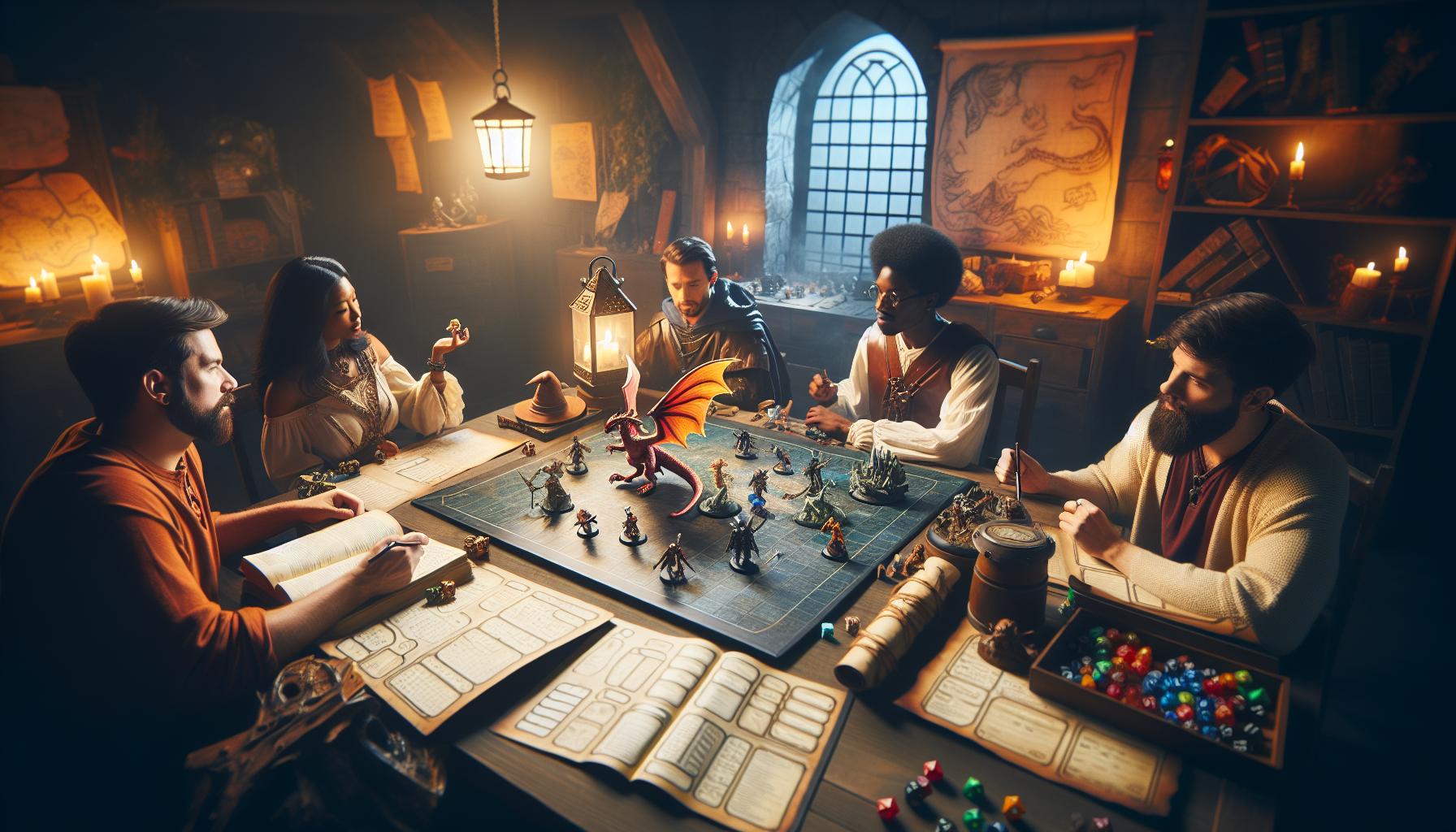
Unique Themes to Inspire Your DnD Adventure
Dungeons and Dragons thrives on creativity and imagination, making the exploration of unique themes essential for crafting exciting adventures. One effective strategy is to draw inspiration from various genres, cultures, and myths. Using these influences can unlock a realm of possibilities that will be captivating for your players. For instance, consider weaving a theme centered around folklore-such as tales from local legends-where players encounter mythical creatures or cursed locations that reflect the thematic depth of actual cultural narratives.
A distinctive approach is to formulate a campaign based on contrasting elements. Imagine a world where magic is waning, and technology is on the rise-a steampunk setting where your characters navigate between ancient ruins filled with arcane wonders and burgeoning cities filled with gears and steam. This clash of tradition and innovation can lead to thrilling challenges, from battling against rogue automatons to discovering lost magical artifacts that can change the tide of their world.
The theme of betrayal can also provide fertile ground for adventure. Structuring your campaign around a grand betrayal or a trusted ally who may not be what they seem can create layers of intrigue. Players could find themselves caught in a web of deception, where alliances shift, and trusted friends reveal hidden agendas. This creates a compelling narrative that encourages players to be vigilant. Include moments of moral ambiguity-choices that challenge their characters’ loyalties and ethics, deepening their emotional investment in the unfolding story.
Don’t forget to incorporate environmental storytelling into your themes. Use your setting itself to reflect the story-perhaps the terrain alters dramatically as players progress, transitioning from lush forests to a desolate wasteland, echoing the greater conflict of the campaign. Each change in scenery can provide clues about the lore and the stakes of your adventure, making the environment an active participant in the narrative-a powerful complement to the themes you’re exploring.
By embracing unique themes as a core part of your campaign design, you can construct a rich tapestry of storytelling that engages players on multiple levels, leaving them eager for each session.
Villain Crafting: Designing Memorable Antagonists
Creating memorable antagonists in your Dungeons & Dragons campaign can elevate the entire storytelling experience, transforming a standard adventure into an epic saga that players will remember long after the dice are set aside. A well-crafted villain isn’t just a figure to be vanquished; they serve as a driving force that enhances conflict and character development throughout the campaign. Let’s explore some essential strategies for designing villains that leave a lasting impact.
Understanding Motivations
At the heart of every great villain is a compelling motivation. What drives them to commit heinous acts? A villain’s goals should resonate with the story and challenge the party’s morals. For example, consider a sorcerer whose family was killed during a war and who now seeks revenge against a kingdom that perpetuates conflict. This motivation not only provides a personal backstory but also raises questions about justice and vengeance, allowing players to engage on a deeper level. Including elements of sympathy or relatability in your antagonist can make them more nuanced and complex.
Creating Unique Characteristics
Distinctive traits and abilities can set your villain apart from ordinary foes. Think about vocal quirks, unusual spells, or a unique way of manipulating situations. Perhaps your villain uses riddles or puzzles that must be solved to thwart their plans, requiring players to engage their intellect as well as their combat skills. Additionally, consider how they present themselves: do they hide their true nature behind a façade of civility? This variety will keep players intrigued and eager to uncover the truth.
Incorporating Player Backstories
A savvy Dungeon Master will weave players’ backstories into the fabric of the villain’s narrative. By connecting a villain to a character’s past-perhaps they’re the one who wronged a player’s family or are responsible for a traumatic event-you can turn the conflict into something deeply personal. This creates high-stakes scenarios that encourage players to invest emotionally in the resolution of their characters’ arcs.
Dynamic Interactions
To ensure memorable encounters, design your villain to be proactive rather than reactive. Rather than waiting for players to confront them, the villain should be a driving force within the story, making calculated moves that keep the party on their toes. Perhaps they send minions to test the party or create cunning traps that reflect their intelligence and malice. Through dynamic, engaging interactions, your villain can be more than just a final boss; they become a persistent, looming threat that looms throughout the entire adventure.
By blending motivation, unique characteristics, connections to player backstories, and proactive engagement, you can craft villains that breathe life and depth into your D&D campaigns. Embrace the creativity of your players and the nuances of storytelling, and don’t shy away from letting your villains evolve as the campaign progresses. Ultimately, memorable antagonists will not only provide challenges but also enrich the narrative experience for everyone at the table.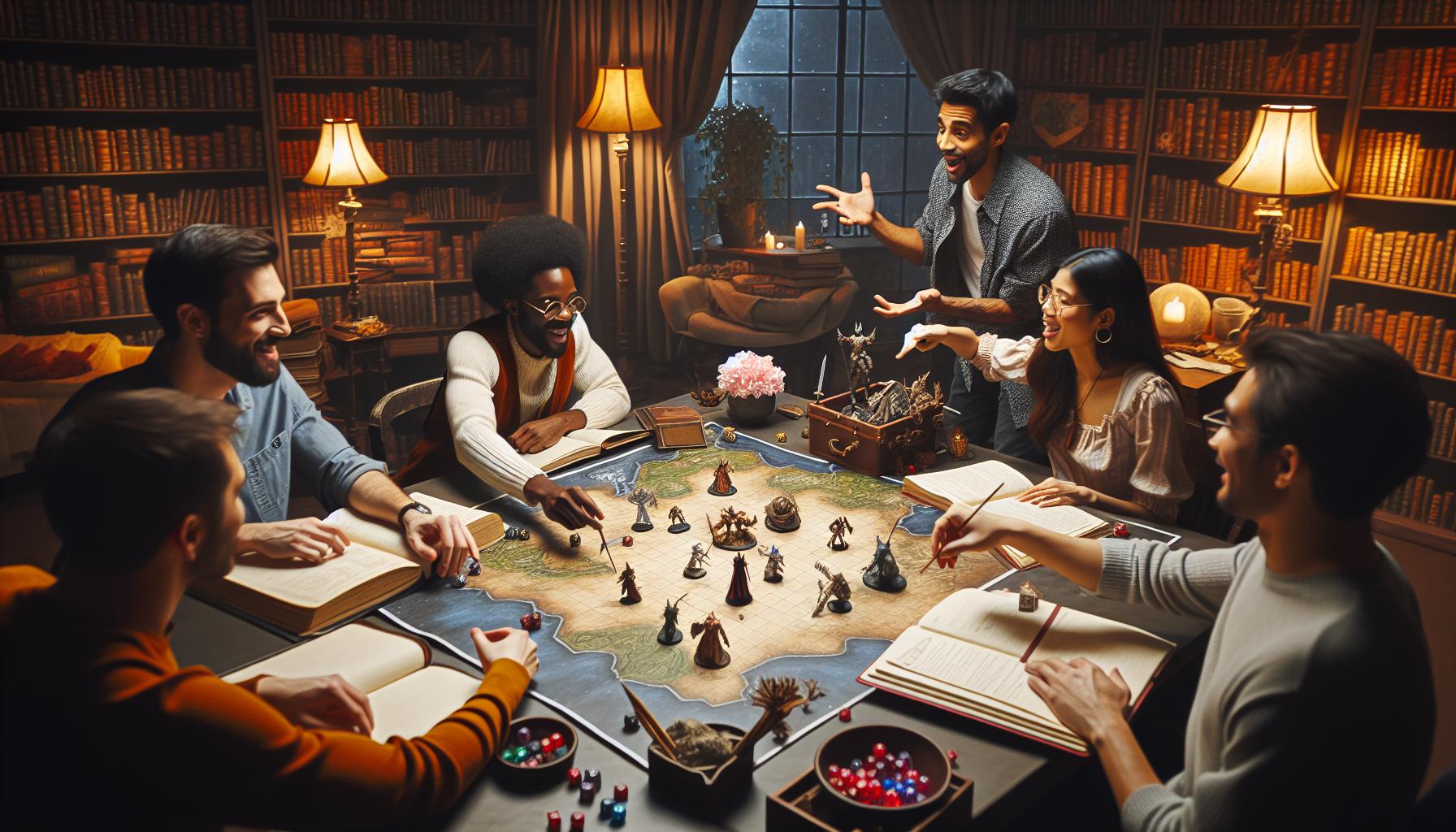
World-Building Tips for Immersive Campaigns
Creating a richly detailed world for your Dungeons & Dragons campaign can transform an average adventure into an unforgettable experience, pulling your players into a vivid narrative. The key to effective world-building is to combine creativity with consistency and a touch of realism that draws players in rather than pushing them away. Here’s how to immerse your party in a world they’ll never forget.
Establish a Living Environment
Start by crafting places that feel alive. Each town, city, or village should have its own unique character. Consider factors such as local politics, culture, and economy. For example, a port town might be bustling with trade and intrigue, while a secluded mountain village could have a rich tradition of craft-making. Use descriptive details to evoke the senses: What do the streets smell like? What sounds fill the air? This not only makes your world feel immersive but also invites players to explore.
Incorporate Lore and History
A compelling backstory adds depth to your world. Develop a timeline of significant events (e.g., wars, natural disasters) that shape the present-day setting. Consider how past conflicts have left their mark on local customs or societal divisions. These stories can serve as quest hooks or provide context, helping players understand why certain factions interact the way they do. Use ancient texts, oral traditions, or legends as resources for sharing lore with your players, allowing them to uncover the world’s secrets organically over time.
Define Factions and Power Dynamics
Factions can serve as powerful motivators for players and can deeply influence the campaign’s direction. Perhaps a local thieves’ guild controls the underbelly of a city, or a druidic circle holds sway over a sacred forest. Establishing clear relationships between these groups-alliances, rivalries, or neutral stances-will create an intricate web of intrigue. As the party navigates this landscape, their actions can influence the balance of power, making them feel like integral parts of the world.
Utilize Environmental Storytelling
Let the environment tell stories of its own. Use landmarks, ruins, or natural formations to hint at history and lore. A crumbling castle overtaken by nature might represent the downfall of a once-great house, while a well-trodden path may indicate frequent travel between important locations. You can create stunning visuals through maps that include not only geography but also notable events marked throughout. Encourage players to engage with their surroundings by placing clues and interactive environments that can lead them to unexpected adventures.
Incorporating these elements into your world-building will not only captivate your players but will also provide fertile ground for their stories to grow. By creating an intricate, immersive world filled with history, relationships, and environmental storytelling, you’ll ensure that your campaign remains a memorable journey for every adventurer at your table.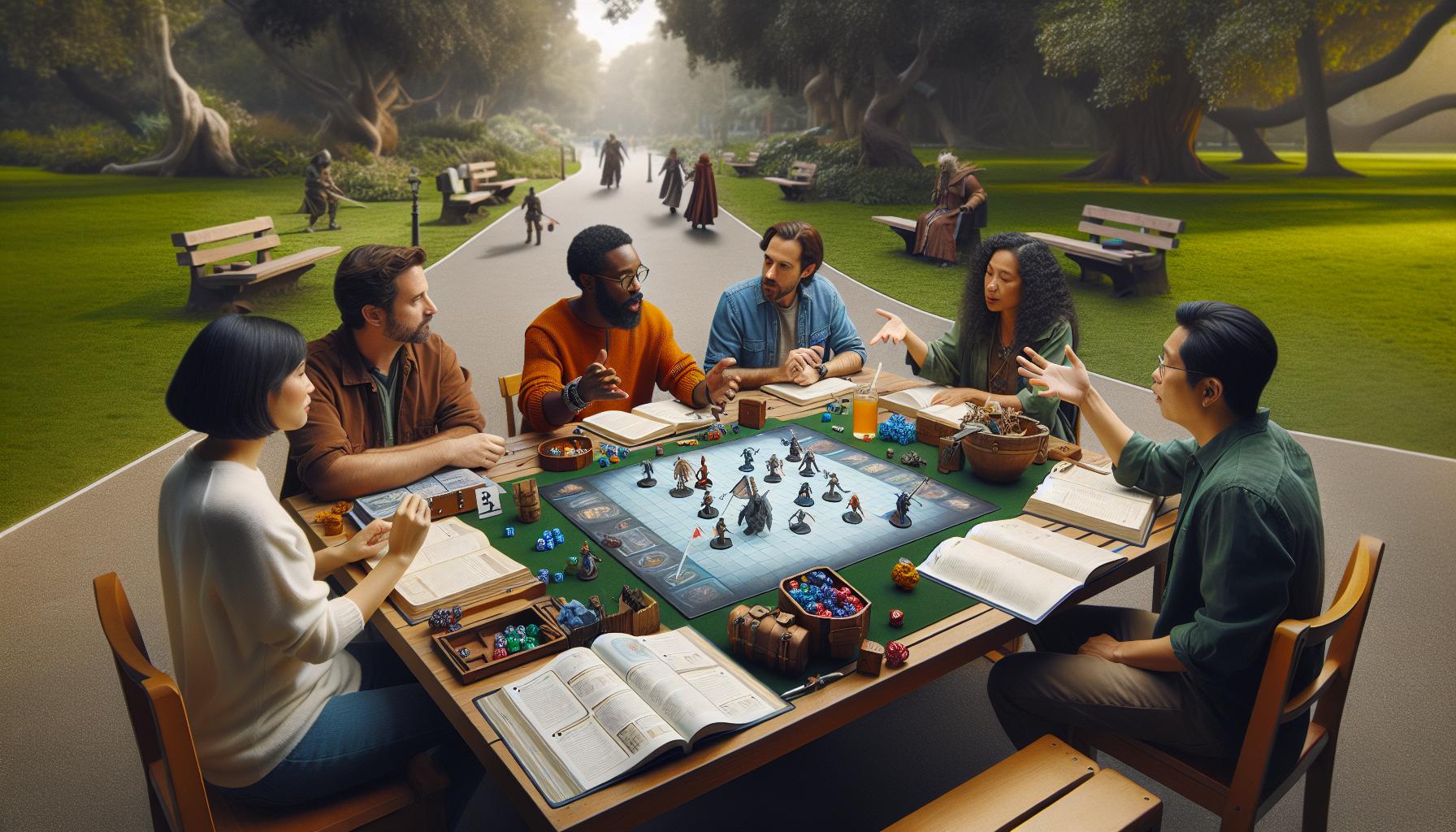
Dynamic Encounter Design for Engaging Gameplay
Crafting dynamic encounters is essential for captivating gameplay in Dungeons & Dragons. Instead of sticking to traditional combat scenarios, consider ways to blend storytelling, strategy, and player choices into each encounter. Every challenge your party faces should feel engaging and meaningful, pushing them to think and react creatively.
Start by diversifying the types of encounters your players encounter. Incorporate elements that challenge their skills beyond just combat. Here’s how you can enhance encounters:
Contextual Challenges
Design encounters that fit seamlessly into the story. For example, if your players are navigating a haunted forest, they might encounter ghostly apparitions that can be either fought or appeased through clever dialogue. This not only enriches the narrative but encourages players to explore different solutions, fostering a sense of investment in the storyline.
Environmental Hazards
Utilize the environment to raise the stakes. Dynamic settings can alter the focus of an encounter; for instance, a sudden storm may make a path treacherous, requiring players to navigate slippery rocks while dealing with a monstrous threat. This adds complexity and excitement, compelling players to strategize effectively about how to use their surroundings to their advantage.
Multi-Stage Encounters
Developing multi-stage encounters can lead to thrilling climaxes. An initial skirmish could escalate into a chase, where players must pursue an enemy through challenging terrain. This engages multiple skills, including planning, dexterity, and improvisation, offering players a sense of progression and accomplishment as they adapt to evolving scenarios.
- Preparation: Ensure each encounter has a clear objective, whether it be defeating an enemy, acquiring a crucial item, or escaping a collapsing structure.
- Player Agency: Allow players to influence outcomes through their decisions. Let them make tactical choices or use creative skills that can change the tide of the encounter.
- Feedback Loop: After an encounter, discuss what worked and what didn’t as a group. This can help refine future encounters and encourage player participation in crafting the narrative.
By innovating how encounters are designed, you not only keep your players on their toes but also create memorable moments where they work together, think critically, and engage deeply with the world you have built. Embrace creativity in dynamic encounter design, and watch your D&D sessions transform into extraordinary adventures filled with excitement and innovation.
Integrating Player Backstories into Your Narrative
Every adventurer comes with a story, and integrating these unique backstories into your campaign can elevate gameplay by creating a more personalized and immersive experience. When players see their character’s motivations and histories reflected in the narrative, it fosters a stronger emotional connection and a sense of ownership over the unfolding story. Here are some practical ways to weave these personal narratives into your Dungeons & Dragons sessions.
Utilizing Backstory Hooks
Incorporate elements from each character’s backstory as plot hooks that drive the campaign forward. For example, if one player has a character haunted by a past betrayal by a mysterious figure, introduce that antagonist early in the campaign. This allows the player to pursue personal revenge while also engaging the group in the larger narrative. Create side quests or main objectives that tie back to these elements-questions about family, lost loves, or quests for redemption can serve as powerful motivating forces for the party.
Creating Shared Histories
Encourage players to build connections between their characters’ backstories. Perhaps two characters hail from the same village, or one was responsible for saving the other’s life in a skirmish. These shared histories can foster camaraderie and deepen roleplaying opportunities. By collaboratively discussing their pasts, players can construct intertwined narratives that make the party feel like a cohesive unit rather than just a collection of individual stories. Use these connections to introduce conflicts and challenges that require teamwork to resolve.
Personal Quests and Development
Offer players the chance to explore their characters’ personal quests throughout the campaign. This could manifest as recurring dreams, visions, or encounters with NPCs that challenge their views or push them to confront unresolved issues. Structure your campaign in a way that allows these personal arcs to progress alongside the main storyline. This not only maintains engagement but offers players a chance to evolve their characters, leading to a more dynamic gameplay experience.
Integrating player backstories is not just an embellishment; it’s a strategy for crafting richer, more meaningful adventures. By prioritizing these personal narratives, you create a world where players feel their choices matter, and their characters have depth. As a Dungeon Master, you’re the architect of these stories, and when you build on the foundations laid by your players, the entire campaign transforms into a shared journey filled with unforgettable moments and significance.
Spicing Up Combat: Challenges Beyond Dice
When it comes to Dungeons & Dragons, combat can be thrilling, but it often becomes a repetitive cycle of rolling dice and tallying damage. To keep your battles fresh and engaging, consider implementing challenges beyond the dice that focus on strategy, creativity, and problem-solving. These elements can elevate the excitement of combat encounters, encouraging players to think outside the box and engage with the game world in meaningful ways.
One effective way to spice up combat is to introduce environmental factors that players must navigate. Imagine a battle taking place on a rickety bridge over a chasm, where characters might need to balance and avoid falling while engaging their foes. Create interactive elements in the environment, such as crumbling walls that can be pushed over to block enemies or unstable terrain that can create hazards. By allowing players to manipulate their surroundings, you turn the combat zone into an active player of the game rather than a mere backdrop.
Adding specific objectives can also enhance combat encounters. Instead of simply defeating all enemies, introduce goals like rescuing a captive, retrieving an artifact, or holding a location for a specific number of rounds. This encourages characters to work together creatively, as they must devise tactics to meet these objectives while also dealing with threats. For example, a player might choose to use spells to create diversions or barriers, while another character flanks the enemy to achieve the party’s goals.
Another approach is to incorporate unique challenges that require teamwork or specific skills. For instance, during a combat session, impose conditions such as a time constraint where players must finish the encounter quickly or face dire consequences. Alternatively, introduce enemies that have weaknesses based on specific player abilities or backgrounds, exploiting the party’s strengths and weaknesses. This forces players to communicate and strategize, transforming combat into a group problem-solving exercise rather than just a game of chance.
By focusing on collaborative objectives, dynamic environments, and creative challenges, you can transform the combat experience from a series of dice rolls into an engaging and memorable highlight of your campaign. Players will relish the opportunity to showcase their character’s abilities while immersing themselves in the thrill of dynamic encounters that resonate with the story you’re telling together.
Environmental Storytelling: Creating Atmosphere
Creating a rich atmosphere through environmental storytelling can transform your Dungeons & Dragons sessions into immersive, unforgettable experiences. The goal is to cultivate a vivid and detailed world that engages players’ senses and emotions, making them feel as though they are truly part of the adventure. Using elements like descriptions, sounds, and interactive environments can evoke strong feelings and prompt players to explore and react to their surroundings more organically.
One effective technique is to use sensory details throughout your descriptions. For example, rather than simply saying, “the players enter a forest,” you might illustrate it with: “As your party steps into the emerald canopy of the Eldergrove, the air thickens with the scent of damp moss and blooming wildflowers. The distant sound of a babbling brook mingles with the rustle of leaves as the wind weaves through the branches above.” Such details not only paint a picture but also help players visualize their setting while prompting them to think about how their characters would respond to it.
Incorporate dynamic, interactive environments that can change or evolve based on player choices. If your players are navigating a treacherous mountain pass, consider introducing a sudden rockslide triggered by their actions. Presenting an environment that reacts to their decisions enhances immersion and keeps players engaged. You can describe the cracking of stone and the rush of debris to heighten tension and encourage quick thinking.
Another brilliant approach is to embed lore and history into the setting. Place remnants of past conflicts-like old battlefields littered with rusted weapons or ancient carvings on crumbling walls-so players can discover fragments of the world’s narrative as they explore. Use these elements not only as storytelling devices but also as hooks for character backstories or quests. For instance, an altar dedicated to a forgotten deity could lead a character to uncover their own ancestral ties, setting up personal stakes within the broader adventure.
Ultimately, the aim of environmental storytelling is to foster a deep connection between players and the game world. By engaging their senses through detailed descriptions, allowing player interactions to shape their surroundings, and weaving lore into the backdrop, you can create a living, breathing world that resonates with players at an emotional level and inspires unforgettable adventures.
Epic Quests: Structuring Adventures for Impact
Crafting epic quests is the cornerstone of memorable Dungeons & Dragons adventures, enabling players to embark on journeys filled with stakes, challenges, and transformative experiences. To effectively structure these quests, it’s essential to blend a gripping narrative with dynamic gameplay elements that keep all players engaged.
Start by defining the central conflict of your quest. This could range from a powerful artifact that has fallen into the wrong hands to a catastrophic event threatening the world. Make it personal by directly linking the quest to the characters’ backstories or current motivations. For example, if one of the players is a former knight of a fallen kingdom, their quest for redemption can intertwine with a revelation about the kingdom’s rightful heir, propelling the narrative forward.
As you design the quest, consider breaking it down into several key components:
- Hook: Start with an attention-grabbing situation that draws characters in. Perhaps they witness a mysterious figure stealing a magical item during a festival.
- Rising Action: Build tension as players encounter various obstacles, such as betraying allies, unexpected enemies, or moral dilemmas that test their values.
- Climax: Lead players to an epic confrontation where they must confront the main antagonist or face a critical decision that could alter the outcome of the quest.
- Resolution: Conclude the adventure by revealing the consequences of their choices, allowing players to feel the weight of their triumphs or failures.
Throughout the quest, maintain a dynamic approach by integrating NPCs with their own agendas, unexpected plot twists, and environmental hazards that can alter the course of a battle. For example, a raging storm could disrupt a planned ambush, forcing characters to adapt their strategies on the fly.
Remember, the impact of an epic quest is elevated when players feel a true sense of accomplishment and connection to the outcome. Facilitate moments for characters to shine and make choices that impact not only their story arcs but the overarching campaign. This will ensure that each quest is a memorable chapter in their ongoing saga, urging them to continue exploring the rich tapestry of your world. By thoughtfully structuring these adventures, you can capture the essence of epic storytelling that D&D campaigns thrive upon.
Balancing Adventure Difficulty for All Skill Levels
Creating an engaging Dungeons & Dragons adventure requires a delicate balance in difficulty to cater to a variety of player skill levels. This balance ensures that both seasoned veterans and newcomers can enjoy the experience without feeling overwhelmed or under-challenged. One effective approach is to assess your players’ skills before embarking on your campaign. Understanding their strengths, weaknesses, and play styles can guide you in tailoring encounters that resonate with everyone at the table.
To accommodate varying experience levels, consider employing a flexible structure within your gameplay. Start with a mix of combat and non-combat challenges, allowing players to engage with scenarios that play to their individual strengths. For example, while the fighter excels in direct confrontations, the wizard might shine in solving puzzles or navigating social encounters. A well-rounded session can include:
- Skill Checks: Use these to enable characters to contribute uniquely to challenges. Players can shine when rolling for charms or stealth approaches, ensuring that everyone feels valuable.
- Adjustable Enemy Difficulty: Scale enemies up or down based on party performance. If they’re breezing through encounters, increase the challenge with reinforcements or stronger foes; conversely, if they’re struggling, consider fewer enemies or provide advantageous terrain.
- Story-Driven Choices: Incorporate narrative decisions that can shift the difficulty. Provide avenues for clever diplomacy or alternative strategies that enable players to bypass combat when necessary.
Another pivotal aspect is to maintain open communication with your players. Encourage them to express their preferences and comfort levels regarding challenges. This dialogue allows you to tailor future sessions, adjusting encounters based on how they engaged with previous adventures. Moreover, consider implementing a “training wheels” or tutorial session at the start of a new campaign, where players can familiarize themselves with mechanics and gradually take on more complex challenges.
In crafting your D&D adventures, consider adding a layer of safety and exploration. Create moments where players can experiment without severe consequences. Providing opportunities for creativity encourages risk-taking and can significantly enhance the enjoyment of newer players. By blending diverse challenges with ongoing adjustment and player input, you ensure every participant walks away feeling accomplished, ultimately strengthening your collective campaign experience.
Crafting Intriguing Side Quests to Enrich Your Game
Intriguing side quests can serve as invaluable tools for enriching your Dungeons & Dragons campaign, providing opportunities for character development, world exploration, and deeper story engagement. Imagine your party discovering an abandoned temple that holds secrets of an ancient civilization, or stumbling upon a villager who needs help retrieving a stolen artifact from a local gang. These moments not only diversify gameplay but also allow players to immerse themselves in the world you’re creating.
To craft effective side quests, consider harnessing the interests and backstories of your players’ characters. For instance, if a rogue has a troubled past with a specific criminal organization, a quest involving that gang can draw on personal narrative threads, encouraging deeper investment. Alternatively, add quests that reflect the overarching themes of your campaign, allowing players to explore moral dilemmas or conflicts that resonate throughout their journey.
- Character-Driven Quests: Create side quests tailored to individual characters. Exploring their family history, or offering them opportunities to resolve past conflicts can lead to unforgettable gameplay.
- Environmental Context: Integrate the quest into the setting. A mysterious fog that envelops a village might hide a deeper magical truth or a cursed artifact, encouraging players to investigate beyond mere treasure-hunting.
- Dynamic Objectives: Make side quests multifaceted. Instead of simple “collect X item” tasks, introduce challenges with various outcomes. Players could negotiate with a monster, for instance, to access a treasure trove, teaching them that not all conflicts need to end in combat.
Moreover, introduce unexpected twists to create memorable experiences. Perhaps the seemingly straightforward task of helping a lost child instead leads to a conflict with a misunderstood creature, prompting players to choose between aggression or empathy. By mixing traditional dungeon crawls with emotionally engaging narratives, you keep players on their toes and invested in the outcomes of their actions.
Remember, the best side quests leave a lasting impact, inviting players to rethink their choices and explore the moral complexities of their actions. A well-crafted side quest is not merely a detour; it’s a potent catalyst for growth and storytelling, enhancing the richness of your campaign.
Resource Management: Planning Sustainable Adventures
To truly bring your Dungeons & Dragons campaigns to life, it’s essential to consider how you can plan sustainable adventures that engage players and manage in-game resources effectively. Imagine having a party that not only thrives on excitement but also learns to make strategic decisions regarding their supplies, time, and energy. By emphasizing resource management, you can elevate the gameplay experience, creating a rich tapestry of challenges that test the players’ ingenuity and foresight.
Start by establishing a clear framework for resource allocation at the get-go. Consider implementing a system where players track rations, spell components, and tools necessary for their journey. Give them the ability to forage or negotiate for supplies in towns, rewarding role-playing and smart decisions. For instance, during their travels through a dense forest, they might discover wild fruits that can sustain them, or encounter a merchant with rare items. This not only encourages interaction with the game world but makes players more aware of their inventory and its impact on their adventures.
Balancing Resources with Gameplay
As your party embarks on quests, encourage them to think creatively about using their resources. A spellcaster might decide to reserve valuable spell slots for key encounters, while fighters could choose to alternate between offensive tactics and conserving energy for later battles. Set up scenarios where choices must be made; for example, does the party expend their last healing potions before the big battle, or preserve them for an uncertain challenge ahead? You can present situations like these, fostering a meaningful engagement where each decision reflects their play style and character strengths.
Incorporating environmental elements that affect resource consumption can also enhance realism. For instance, navigating a scorching desert could lead to dehydration, forcing the players to ration water or seek out oases. Alternatively, a magical storm might disrupt spellcasting or damage equipment, prompting them to be resourceful with what they have. This not only creates tension but also deepens immersion as players adjust their strategies in response to the challenges of their surroundings.
Ultimately, the goal is to integrate resource management seamlessly into the narrative, allowing players to shape their experience while enhancing the stakes of their decisions. By creating a balanced approach to resources, you cultivate a rich, engaging atmosphere in which players must consider their strategies, driving the adventure forward in exciting and unexpected ways.
Faq
Q: What are some quick adventure ideas for a one-shot D&D session?
A: For a one-shot D&D session, consider quick adventure ideas like “Rescue the Captive,” where players must save someone trapped in a haunted ruin, or “The Cursed Relic,” involving a cursed item causing chaos in a town. These concepts are simple to implement and can be tailored to fit various party sizes and abilities.
Q: How can I make my D&D campaign unique?
A: To make your D&D campaign unique, integrate unconventional themes such as time travel or psychic powers, utilize unique races, or set the campaign in a dream world. Engaging villains with unexpected motives and player backstories will also deepen the campaign’s originality.
Q: What should I consider when designing encounters in D&D?
A: When designing encounters, consider the party’s skill levels, balance combat and role-play opportunities, and incorporate environmental factors that influence gameplay. Variety in encounter types, such as puzzles or social challenges, keeps players engaged and enhances the storytelling.
Q: How do I balance combat difficulty in a D&D adventure?
A: Balance combat difficulty by assessing the party’s experience and strengths. Use the encounter building guidelines from the Dungeon Master’s Guide, adjust enemy levels and numbers, and include escape or negotiation options, ensuring players can enjoy both challenge and fairness.
Q: What are some effective ways to incorporate player backstories into my D&D campaign?
A: Integrate player backstories by weaving personal quests into the main plot, creating NPCs connected to their pasts, and aligning campaign events with their histories. This personal touch enhances player investment and allows for more meaningful character development during the adventure.
Q: What makes a great D&D villain?
A: A great D&D villain should have a compelling backstory, clear motivations, and relatable flaws. Give them a personal connection to the heroes, and develop their plans with layers of complexity to challenge the players, making victories more rewarding and narrative-driven.
Q: How can I create interesting side quests in D&D?
A: Create interesting side quests by linking them to player backstories or current events in the campaign world. Include unique rewards and challenges, such as gathering rare ingredients or solving community disputes. Side quests should enrich the main narrative and deepen character development.
Q: What are some immersive world-building tips for D&D?
A: For immersive world-building, develop rich histories and cultures, create detailed maps, and include various factions with their own goals. Use sensory details to describe environments and incorporate local legends and lore, enriching player immersion and engagement in the world.
Closing Remarks
As you embark on your next D&D adventure, remember that creativity and engagement are key to a memorable campaign. Explore more about captivating story beats and player engagement in our related articles, and don’t hesitate to dive into our rich library of resources designed to enhance your gameplay.
For those eager to take the next step in your dungeon-mastering journey, consider signing up for our newsletter. You’ll receive tips directly to your inbox, helping you craft unforgettable moments for your players. Engage with us in the comments below-share your own adventures or ask questions!
Let’s keep the adventure alive together! Whether you’re looking for innovative campaign ideas or tools to elevate your sessions, we’ve got you covered. Check out our D&D resources page for further inspiration, and explore the limitless potential of your storytelling prowess today!
Get our latest guides, news, and insights highlighted in your Google Search & AI Overviews.


