

When planning a trip to Europe, every seasoned traveler knows that the right shoes can make or break your adventure. With countless cobblestone streets, expansive parks, and scenic trails to explore, choosing footwear that balances comfort, style, and durability is crucial. In this guide, we dive into the best shoes for your European escapades, tested and recommended by real travelers who’ve walked countless miles across iconic cities and breathtaking landscapes. Whether you’re wandering through the charming streets of Paris, hiking the hills of Prague, or strolling along the canals of Amsterdam, our curated selection will ensure your feet feel great while you soak in all the culture and beauty. Join us as we share expert insights and personal experiences to help you step into your European journey with confidence!
Choosing the Right Shoes for Your European Adventure
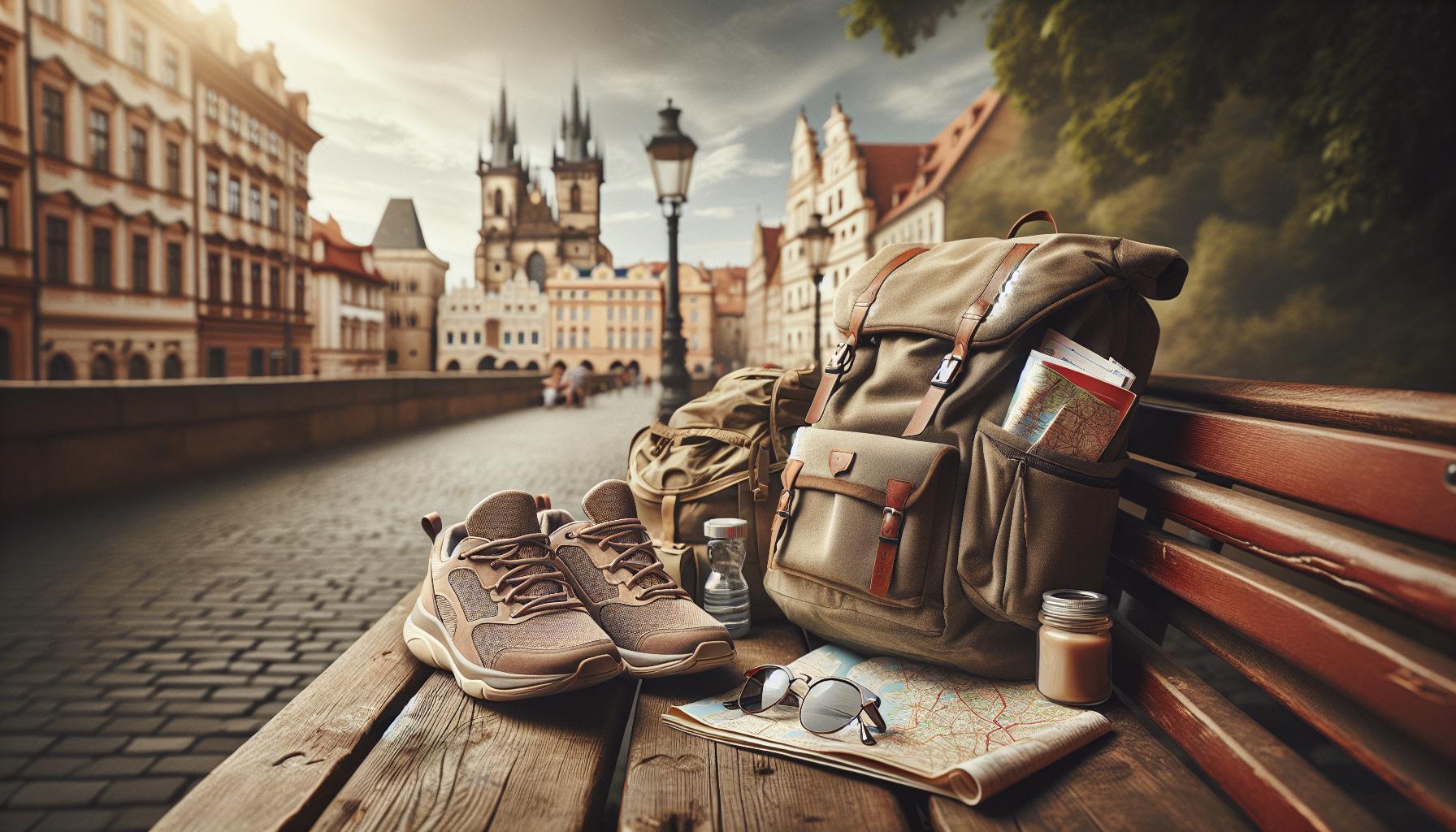
is essential to ensure comfort and mobility as you explore bustling cities and picturesque landscapes. Europe is renowned for its cobblestone streets, historic sites, and sprawling parks, which all require appropriate footwear to make your travels enjoyable. When wandering through charming streets in Paris or hiking up the hills of Rome, the last thing you want is for a misstep in shoe choice to derail your experience.
When deciding on the ideal travel shoes, consider the versatility they offer. Look for shoes that can transition seamlessly from day to night and are lightweight enough for easy packing. A sturdy pair of sneakers or a smart casual shoe will typically meet most travel needs, providing support while maintaining an element of style. Remember, your shoes should accommodate various activities, whether it’s walking for hours at a museum or enjoying a leisurely dinner at a local bistro.
Fit is crucial. Take the time to try on shoes with the same type of socks you plan to wear while traveling. It’s often recommended to choose shoes that provide a bit of extra space, as your feet may swell after a day of sightseeing. Additionally, consider the breathability of the material, especially in warmer months when heat can lead to discomfort.
Lastly, don’t underestimate the importance of traction and grip. Many beautiful European destinations, from the Amalfi Coast to the hills of Edinburgh, require good grip on varied surfaces. A durable sole can provide stability on slippery or uneven terrain. As you gear up for your adventure, prioritize comfort and practicality over sheer aesthetics, and your feet will thank you as you uncover the delights of Europe.
Essential Features to Look for in Travel Shoes
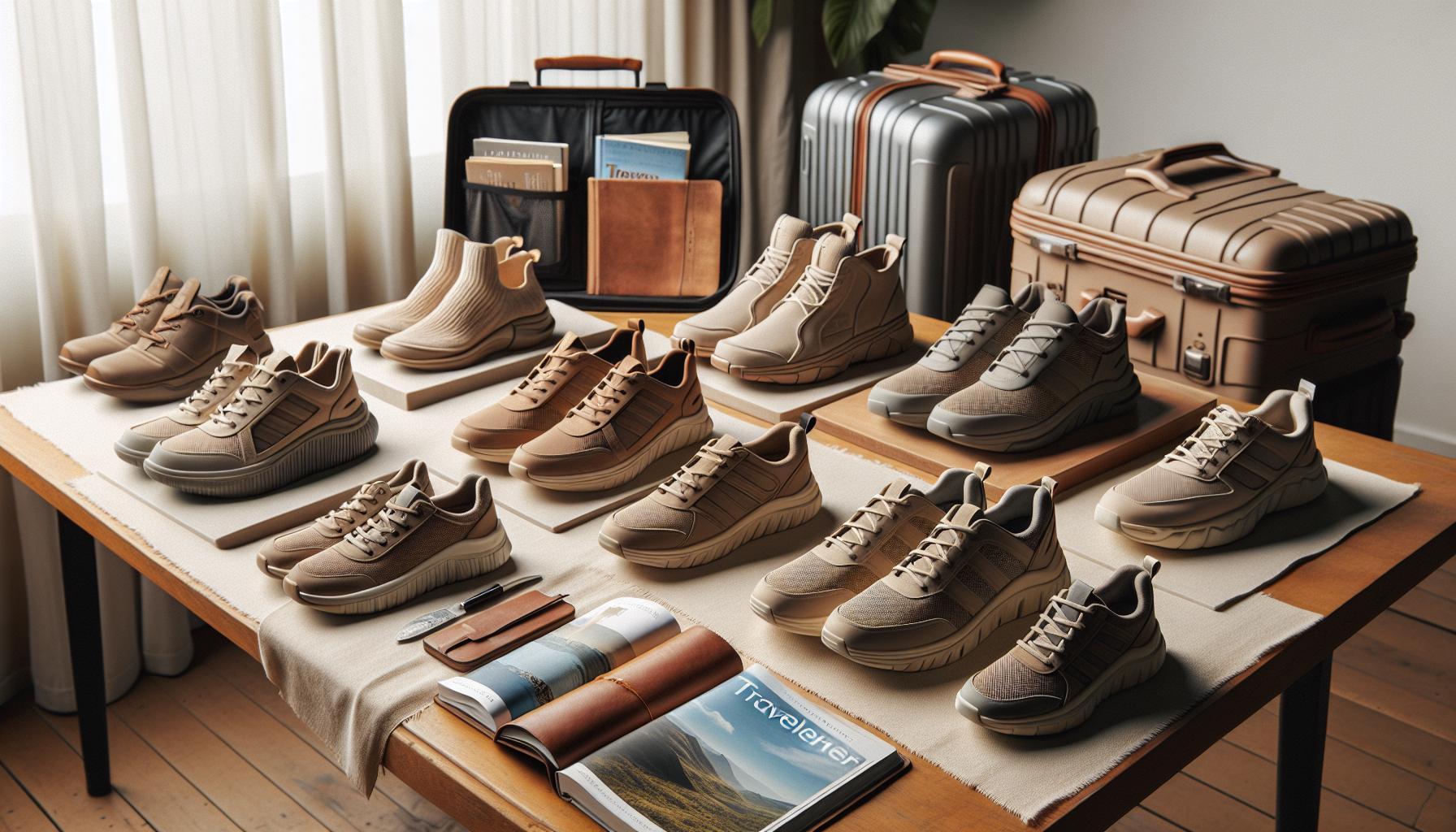
The right pair of travel shoes can be the difference between a memorable adventure and one filled with foot pain. As you navigate the enchanting streets of Europe, your shoes should be your most reliable companions, offering comfort, support, and style. Here are the essential features to consider when selecting footwear for your European journey.
First and foremost, comfort is paramount. Look for shoes with cushioned insoles and ample arch support to prevent fatigue when exploring bustling markets or historic sites. A good pair should feel like a natural extension of your foot, allowing for long hours of walking without discomfort. Additionally, breathability is key, especially during the warmer months. Shoes made from materials like mesh or leather that allow air circulation can help keep your feet cool and dry while you’re on the go.
Another vital aspect is versatility. Opt for shoes that can transition easily from day to night. For example, a stylish sneaker can take you from a morning stroll to a casual dinner without missing a beat. Consider options with a sleek design and neutral colors that pair well with various outfits, ensuring you can create multiple looks without overpacking.
Traction should also be a top concern, particularly in Europe, where you might encounter cobblestone streets, steep hills, and even unexpected rain. Shoes with a good grip reduce the risk of slipping, giving you the confidence to explore without the worry of falls. A sturdy sole not only provides stability but also protects your feet from the uneven surfaces that often characterize European landscapes.
Lastly, don’t overlook the importance of lightweight materials for convenience. Shoes that are easy to pack and won’t add unnecessary weight to your luggage are perfect for the traveler on the move. To ensure you make the best choice, always try on shoes before your trip with the socks you plan to wear, allowing for that crucial fit check. By keeping these features in mind, you can select travel shoes that will keep your adventures comfortable and stylish.
Top Tested Shoe Types: Sneakers, Sandals, and Boots
Choosing the right type of shoe can significantly impact your European adventure, where days spent exploring picturesque cities can lead to hours of walking on varied terrains. Let’s dive into some top-tested shoe types that real travelers have found indispensable on their journeys across Europe: sneakers, sandals, and boots.
Sneakers
One of the most popular choices for urban explorers, classic sneakers offer a balance of comfort and style. Many travelers swear by lightweight, cushioned sneakers, which provide the necessary support for long days of sightseeing. Brands like *Nike*, *Adidas*, and *New Balance* have models specifically designed for active use, featuring breathable materials and excellent arch support. A trend among seasoned travelers is to choose neutral colors that can seamlessly transition from day to night, making them versatile for dinners out or casual strolls through art galleries. A notable recommendation comes from a couple who trekked the cobblestone streets of Florence and found that their memory foam sneakers not only kept their feet happy but also looked chic while exploring local trattorias.
Sandals
When the weather warms up, breathable sandals become a staple in many travelers’ wardrobes. Opting for supportive sandals, particularly those with adjustable straps, helps ensure a comfortable fit even during long walks. Brands like *Teva* and *Keen* have gained popularity for their durable, expedition-friendly designs. A traveler recounts their experience hiking along the Amalfi Coast, praising their sport sandals for providing comfort and grip on slippery surfaces. Notably, sandals are an excellent choice for warm evenings, allowing your feet to cool off while still pairing nicely with summer dresses or shorts.
Boots
For those planning to venture beyond city limits or tackle potentially cooler weather, lightweight hiking boots or ankle boots are highly recommended. Look for waterproof options, especially if your itinerary includes a trip to the Alps or English countryside. Many travelers have found that a sturdy pair of boots can withstand various terrains while offering the ankle support necessary for uneven pathways. One experienced hiker shares that her waterproof boots were crucial during a rainy day in London, keeping her feet dry and comfortable while she explored famous sights like the Tower of London.
In summary, each type of shoe serves unique purposes for different experiences in Europe. Whether you’re navigating urban landscapes or natural wonders, investing in the right footwear can make a world of difference, enhancing your comfort and enjoyment as you embark on unforgettable adventures.
How to Ensure Comfort During Long City Walks

Long city walks during your European adventures can truly test your footwear, especially when you’re exploring cobblestone streets and navigating public transportation. If you want to keep discomfort at bay while soaking in the historic architecture and bustling café culture, there are key strategies to enhance your comfort levels throughout the day.
To start, choosing the right socks is as important as selecting the perfect shoes. Opt for moisture-wicking, breathable materials that help to prevent blisters and keep your feet dry. Consider socks with cushioning that can absorb shocks, especially if you find yourself standing in line for a museum or walking long stretches between sights. Several travelers have highlighted the significance of bringing extra pairs to swap out if your feet need a quick refresh, particularly on warmer days.
Footwear fit is another critical factor. Make sure your shoes have enough room in the toe box-your toes shouldn’t feel cramped or pinched. A good rule of thumb is to try shoes on later in the day when your feet have expanded slightly, ensuring they’ll be comfortable after hours of wear. Some travelers prefer shoes with adjustable features, like straps or laces, that allow for a personalized fit. Remember, a well-fitting shoe won’t just keep you comfortable; it will help you avoid those dreaded aches after an action-packed day.
Lastly, break in your shoes before your trip. Wearing them on shorter walks gives your feet time to adjust, minimizing the risk of blisters or discomfort during your travels. One seasoned traveler noted that her leather ankle boots required a few weeks of casual wear around the city before they became her go-to pair for exploring the streets of Paris. The more time you give your shoes to mold to your feet, the more enjoyable your city explorations will be.
Incorporating these practices can significantly enhance your walking experience, allowing you to focus on the sights and sounds of your destination rather than the ache in your feet. With the right preparation, you can travel across Europe’s cities comfortably and confidently!
Weather Considerations: Shoes for Every Climate
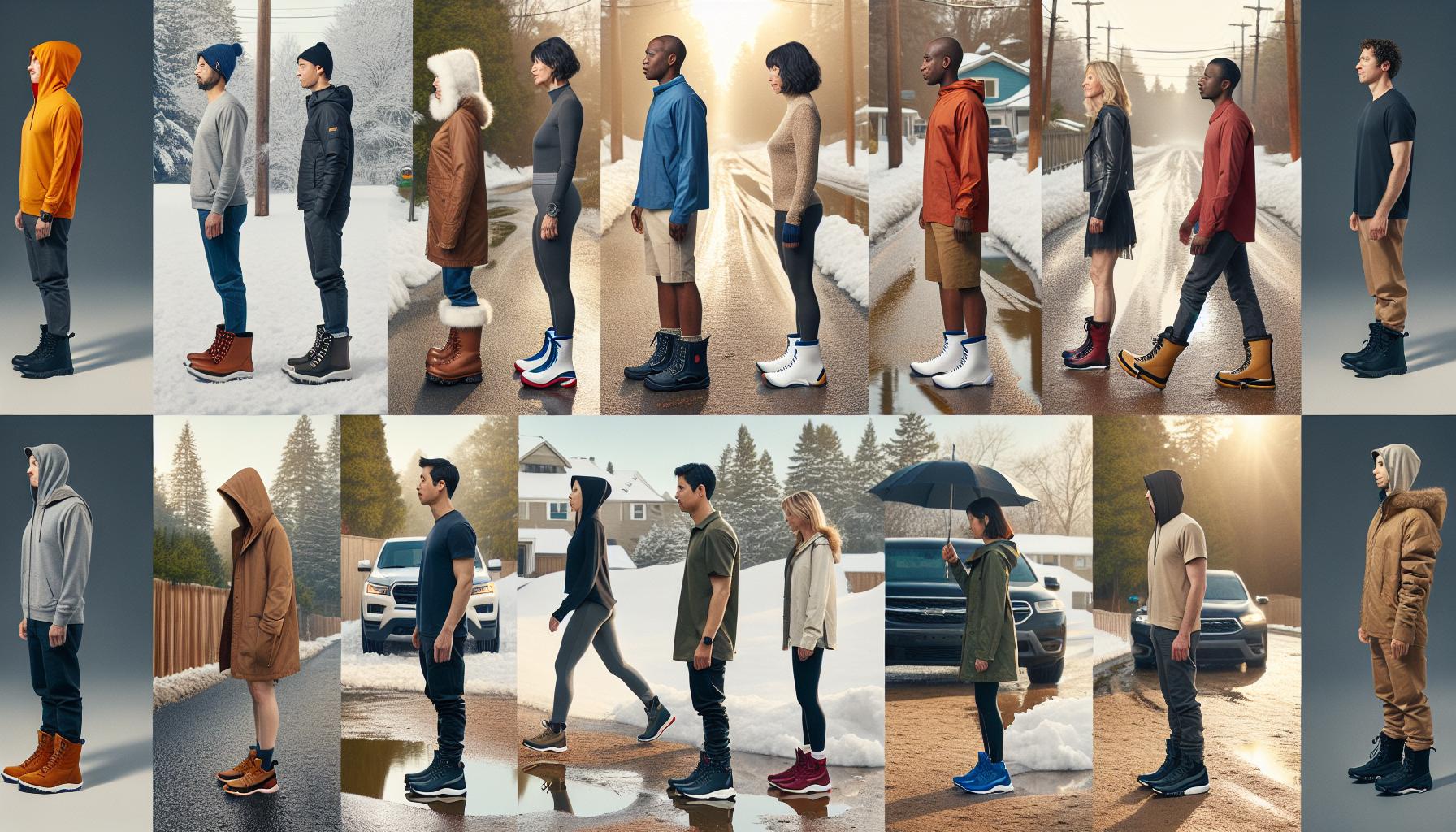
Whether you’re strolling along the sunlit promenades of Barcelona or dodging rain showers in London, the climate can deeply influence your footwear choices during your European adventure. Each region presents its own unique weather challenges, requiring thoughtful selection to keep your feet cozy, dry, and comfortable as you explore.
Sunny and Warm
For those delightful summer days, breathable shoes are essential. Look for lightweight sneakers or open-toe sandals made from materials that promote air circulation. Many travelers swear by versatile styles that can transition from day to night, such as chic espadrilles or casual slip-on shoes. The key here is a comfortable fit with adequate arch support, especially if you plan to spend long hours on your feet. Don’t forget to consider UV protection-some sandals come with a built-in sunblock treatment, helping to shield your feet from harmful rays.
Cloudy and Rainy
If your itinerary includes the unpredictable weather of Northern Europe, waterproof footwear should be a non-negotiable part of your packing list. Travelers recommend stylish yet functional options like waterproof sneakers or ankle boots with rubber soles. Materials like Gore-Tex offer excellent water resistance while remaining breathable. Pair these with moisture-wicking socks to prevent dampness, and consider bringing along a lightweight, packable raincoat to shield your shoes from sudden downpours while you navigate cobbled streets.
Chilly and Snowy
For destinations known for their frosty winters, it’s essential to have insulated boots that will keep your feet warm without compromising mobility. Look for styles that feature non-slip soles to navigate icy sidewalks safely. Many seasoned travelers suggest investing in thermal insoles to provide additional cushioning and warmth on colder days. Remember, layering your socks can offer extra insulation, but make sure that they don’t make your boots feel too tight-this can lead to discomfort, especially during long walks.
Adapting to Local Conditions
Always check the forecast ahead of your trip and opt for multifunctional footwear that adapts to various conditions. Consider packing a pair of foldable shoes or slippers for downtime, so your main shoes can remain fresh for sight-seeing. If you’re planning on hiking through beautiful countryside or exploring stunning national parks, ensure you pack sturdy hiking shoes with good grip to handle diverse terrains.
Being prepared with the right footwear tailored to the climate can significantly enhance your travel experience, allowing you to fully enjoy your European adventure without the distraction of sore feet or weather-related woes. Embrace the journey ahead, knowing you’re equipped for whatever conditions come your way!
Packing Light: Versatile Footwear for Europe
Packing efficiently for your European adventure means finding footwear that is both versatile and lightweight. When you’re navigating bustling city streets, art galleries, or charming village paths, the right pair of shoes can make all the difference in comfort and style. Consider bringing a couple of solid pairs that serve multiple purposes without adding unnecessary bulk to your luggage.
One ideal combination is a pair of breathable sneakers along with a chic pair of sandals. Sneakers provide excellent support for day-long walks while being stylish enough to transition into casual dining experiences. Look for sneaker styles that are lightweight and designed for great breathability, such as those made with mesh or moisture-wicking materials. Meanwhile, sandals can double as both daytime companions and evening wear. Opt for designs with adjustable straps for a perfect fit, and consider options that have arch support to keep your feet happy as you explore.
For travelers who enjoy hiking or exploring rugged landscapes, a pair of lightweight hiking shoes is essential. Choose shoes that are comfortable for both trails and urban exploration. Models that feature a flexible sole and are water-resistant can be invaluable, ensuring you’re equipped for any type of terrain or unexpected weather. Pair these shoes with moisture-wicking socks to stay dry and comfortable throughout your adventures.
Lastly, don’t overlook the value of slip-on shoes. They’re perfect for easy wear when entering homes, staying with friends, or simply relaxing in your hotel room. Look for options that are easy to pack and can be stowed in your day bag when not in use. By selecting versatile footwear that can adapt to various occasions-from daytime hikes to dinner in local eateries-you’ll not only minimize your packing but also energize your travels with comfort and style.
Real Travelers Share Their Shoe Experiences
When it comes to exploring the cobblestone streets and picturesque vistas of Europe, choosing the right shoes can make all the difference between an unforgettable adventure and a painful slog. Real travelers have shared a wealth of experiences that highlight the importance of selecting comfortable, versatile footwear to keep up with their itineraries. Let’s dive into firsthand accounts that reveal how the right shoes shaped their journeys.
Travel blogger Sarah, who recently trekked across Italy, emphasizes the significance of breathable sneakers. “I wore a pair of lightweight, mesh running shoes and didn’t have a single blister during my two-week trip. They were fantastic for everything from museum visits to evening strolls along the canals in Venice.” Her go-to was a model from a popular athletic brand that offered ample arch support. She advises fellow travelers to prioritize moisture-wicking materials to combat the heat and humidity of summer months.
Another story comes from Mark, a seasoned hiker, who swears by his waterproof hiking shoes while traversing the Swiss Alps. “You need shoes that love both the trail and the city,” he explains. His choice of shoes included a flexible sole and a tread design that provided traction on rocky paths. He once faced an unexpected downpour, and his shoes kept his feet dry and comfortable throughout the day. Mark highlights the advantage of investing in a multi-functional pair, stating, “These shoes translated well from mountain hikes to casual dinners in Zurich without missing a beat.”
Families embarking on European adventures also have unique footwear needs. Jane, a mother of two, recommends lightweight sandals with adjustable straps for her kids. “We walked all day at theme parks and historic sites, and the sandals allowed my children to stay comfy and cool,” she shares. She looks for shoes with enough support and cushioning to endure long days, stressing that comfort and adjustability are key for active little feet.
Ultimately, the key takeaway from these travelers is that comfort, support, and versatility should drive your shoe choice. Whether you’re exploring bustling cities or hiking majestic landscapes, selecting the right footwear enhances not only your experience but also your ability to take in all the sights and sounds that Europe has to offer. So lace up those tested travel shoes and get ready for an adventure filled with memories!
Budget vs. Luxury: Finding the Best Fit for Your Trip
When planning your European adventure, navigating the balance between budget and luxury footwear can be daunting. Shoes are not merely accessories; they are essential gear that can significantly influence your travel experience. From frugal travelers seeking basic functionality to luxury seekers wanting fashionable durability, here’s how to find the perfect fit for your journey.
For budget-conscious travelers, the key is to seek versatile shoes that provide comfort without breaking the bank. Look for models that can transition seamlessly from day to night; simple sneakers often suffice for urban exploration and casual dinners. Brands renowned for quality and affordability-like New Balance or Merrell-offer excellent choices. Investing in a good pair of breathable walking shoes can save you discomfort and blisters, proving that you can travel efficiently without spending a fortune.
Conversely, if you’re leaning toward luxury, don’t underestimate the value of investing in high-quality footwear. Brands such as Ecco or Salomon combine style with advanced technology, catering to those who prioritize comfort, support, and aesthetics. Luxury options often feature premium materials that enhance durability, ensuring your footwear withstands extensive use throughout your travels. Moreover, a chic pair of leather boots not only works well for descents through historic cities but can easily transition into a sophisticated evening look, maximizing your packing efficiency.
Regardless of your choice, consider these practical tips when weighing your options:
- Test before the trip: Make sure to try shoes on with the socks you’ll wear during your travels.
- Read reviews: Genuine user experiences can highlight long-term comfort and practicality of shoes.
- Prioritize needs: Think about your itinerary-do you need waterproof features for rainy days, or breathability for summer heat?
By considering your travel style, comfort level, and the settings you’ll encounter, you can strike the perfect balance between budget-saving and luxurious choices. Ultimately, well-chosen shoes will go beyond mere functionality, enhancing your overall travel experience and leaving you with lasting memories of your adventures in Europe.
Caring for Your Shoes While Traveling
When exploring picturesque European streets, keeping your shoes in top condition is as important as choosing the right pair. After all, nothing can sidetrack an adventure faster than uncomfortable, dirty, or damaged footwear. With varying terrains and unpredictable weather, proper shoe care can extend the life of your beloved travel companions and enhance your overall experience. Here are some tried-and-true methods to protect your shoes while on the go.
Daily Maintenance
Start by giving your shoes a quick daily check. Wipe off dirt and grime after every day of exploration. A damp cloth or a soft brush is excellent for this task. If you’re wandering through cobblestone streets, you might find that some gunk gets stuck in the grooves. Take a few moments each evening to clean your shoes, ensuring they are ready for the next day. For leather shoes, applying a suitable conditioner can help prevent cracking and maintain their appearance.
Packing for Protection
Before you even leave for your trip, consider how you pack your shoes. Use shoe bags to shield them from scratches and dirt. If you’re packing multiple pairs, try to separate them to minimize the risk of damage during transit. Placing socks or small items inside your shoes can help maintain their shape and absorb moisture, which is especially important for closed shoes that may face that pesky rain.
Be Prepared for Weather
Weather can be unpredictable, so ensure you pack appropriate footwear care products. Waterproof sprays can be a lifesaver for those unexpected downpours or muddy trails. For sneakers or fabric shoes, a water and stain repellent spray will form an invisible barrier that helps keep them looking fresh. Bring along travel-sized cleaning supplies to tackle any stains or spills immediately, which can save you from larger cleaning jobs later.
Rest and Rotate
If you plan to be on your feet all day, consider bringing a second pair of shoes. Rotating between two pairs not only gives each pair time to air out and dry off after a day’s wear, but it can also reduce the risk of blisters and discomfort. Wearing different styles can help avoid repetitive strain on your feet, allowing you to stay comfortable during your adventures.
With these strategies, your shoes can keep pace with your travels, ensuring you enjoy every step of your European journey. Whether you’re conquering the historic streets of Rome or hiking the scenic paths of the Alps, taking care of your footwear will help walk you into unforgettable moments.
Shoe Size and Fit: Essential Tips for Travelers
Finding the perfect fit for your traveling shoes is vital, especially when you’re navigating the charming, yet uneven, streets of Europe. Poorly fitting shoes can transform an exciting day of exploration into an agonizing ordeal of blisters and discomfort, leaving you wishing you had taken the time to choose wisely. So before you set off on your grand adventure, it’s important to delve into the nuances of shoe size and fit.
Understanding Foot Shape and Size
Every traveler has a unique foot shape, often influenced by factors such as age, activity level, and genetics. Start by measuring your feet at the end of the day when they are likely at their largest. You can do this at home using a piece of paper, a ruler, and a pencil. Trace your foot and measure the longest distance from heel to toe, as well as the width. This is your baseline for choosing the right size. Always refer to the manufacturer’s sizing chart, as sizes can differ between brands.
Choosing the Right Fit
When trying on shoes, opt for the style that will accommodate your activities. Here are a few practical tips to ensure a comfortable fit:
- Leave Room for Movement: Ensure there is about a thumb’s width of space between your longest toe and the shoe’s end. This allows your toes to move freely without feeling cramped.
- Check the Width: If you have wider feet, look for brands that offer wide sizing options to avoid pinching or discomfort.
- Consider Arch Support: Your arch type-flat, medium, or high-can significantly impact how a shoe fits and feels. Look for shoes that provide adequate support for your arch type.
- Try Them with Your Travel Socks: Bring the socks you plan to wear while traveling to test fit. Thicker socks can change the size and comfort level of your shoes.
Don’t Forget About Break-In Time
Even the best shoes may require some break-in time. Don’t wait until the night before your trip to wear them for the first time. Instead, wear your new shoes for short periods leading up to your departure to allow them to mold to your feet. This can prevent blisters and discomfort during your travels.
Incorporating these tips into your shoe selection process will not only prepare you for the cobblestone roads of Rome or the scenic trails of the Alps but also enhance your overall travel experience. When your feet feel good, the world is your oyster, and you can truly soak in the beauty of your European adventure!
Kids’ Travel Shoes: Keeping Little Feet Comfortable
Comfortable and supportive shoes can make all the difference for young travelers trekking through the enchanting streets of Europe. Kids are naturally active and spend a lot of their days exploring parks, museums, and ancient city paths, so ensuring their feet are well cared for is essential to keep spirits high and adventures ongoing. A great pair of travel shoes is not just a matter of style-it’s about functionality and comfort.
Choosing the Right Shoe Type
When selecting shoes for your little ones, consider versatile options that are suitable for various activities. Here are some top picks:
- Lightweight Sneakers: These are perfect for all-day wear. Look for breathable materials with ample cushioning. They should be easy to slip on and off, especially during long excursions at places like cathedrals or castles, where children may need to change shoes frequently.
- Breathable Sandals: During warmer months, a sturdy pair of sandals with good arch support can keep little feet cool. Choose those with adjustable straps to secure the fit, making them great for both walking and slipping on at the beach or park.
- Waterproof Shoes: Waterproof options are valuable, especially if your travels include rainy seasons or activities around lakes and rivers. Look for shoes designed to repel water while remaining breathable.
Fit for Fun
It’s crucial to ensure that kids’ shoes are not only the right size but also the correct fit for their foot shape. Consider the following tips:
- Leave Room for Growth: Kids’ feet grow quickly, so allow for extra space-a thumb’s width at the toe is ideal. This will help to prevent discomfort during long days of walking.
- Selecting Supportive Designs: Look for shoes that offer good arch support and cushioning. This helps prevent fatigue, especially during long sightseeing tours or when hiking.
- Choosing Flexible Soles: Shoes with flexible soles allow for natural foot movement which is vital for comfort as children run, jump, and explore.
Breaking in New Shoes
It’s also essential to let kids break in new shoes before hitting the cobblestones of Europe. Encourage your little ones to wear their new shoes around the house for a few hours each day leading up to the trip. This not only helps to mold the shoes to their feet but also ensures that any discomfort can be addressed before they wear them out for a full day.
By prioritizing the right footwear, your child’s journey through Europe can be as enjoyable and comfortable as yours! With happy feet, they can join in every adventure, whether it’s a stroll through the Eiffel Tower gardens or exploring ancient ruins in Rome.
How to Break in Shoes Before Your Trip
Breaking in new shoes can be the key to enjoying your European adventure without the pain of blisters or discomfort. Many seasoned travelers swear by the importance of allowing both their own feet and their footwear time to acclimatize before embarking on those long city walks or cobblestone explorations. Whether you’ve invested in a stylish pair of sneakers, supportive sandals, or rugged boots, giving them a proper break-in period can help ensure they’re ready for the demands of travel.
Start by incorporating your new shoes into your daily routine. Aim to wear them for a few hours each day leading up to your trip. This gradual process not only helps the shoes mold to the shape of your feet but also alerts you to any discomfort that might need addressing. For example:
- Wear Them Around the House: Take the shoes for a spin as you go about your usual activities at home. This is a relaxed way to start breaking them in without the pressure of being on your feet all day.
- Short Walks: Gradually increase the time spent in your shoes by taking them on short walks in your neighborhood. This will give you a better sense of how they feel on varied surfaces.
- Mix and Match: Pair them with different outfits to check for comfort in various scenarios, like walking to the store or even doing light chores.
Consider using thick socks during the break-in period, especially for stiffer shoes. This can help stretch the material and provide a more comfortable fit while reducing the risk of blisters. If any pressure points become noticeable, don’t hesitate to address them with moleskin or blister pads before your trip.
Lastly, if your travels coincide with busy sightseeing days, it might be wise to alternate between new and well-loved shoes to prevent foot fatigue. Preparing your footwear in advance can significantly enhance your overall travel experience, allowing you to focus on soaking in the sights and memories of your European journey rather than nursing sore feet.
Q&A
Q: What are the best types of shoes for sightseeing in Europe?
A: Sneakers and supportive walking shoes are the best options for sightseeing in Europe due to their comfort and support. Look for shoes with good grip and cushioning to handle cobblestone streets and extended walking. Consider breathable materials for warm weather trips.
Q: How do I choose the right shoe size for Europe trips?
A: To choose the right shoe size, measure your feet at the end of the day when they are swollen. Try shoes with thick socks that you plan to wear during your trip. Always read the brand’s sizing guide since sizes can vary.
Q: Are waterproof shoes necessary for traveling in Europe?
A: Yes, waterproof shoes are recommended, especially if you plan to visit during the rainy season or explore cities known for wet weather. They keep your feet dry and comfortable, allowing you to enjoy your activities without concern.
Q: How can I break in new shoes before my trip?
A: To break in new shoes, wear them around your home for short periods. Gradually increase the duration and intensity of wear. Consider using thick socks and walking on various surfaces to simulate travel conditions.
Q: What features should I look for in travel shoes for Europe?
A: Look for travel shoes with breathable materials, cushioning, and good arch support. Additionally, choose styles with laces or adjustable straps for a secure fit. Shoes with durable soles and lightweight construction are great for walking.
Q: How do I care for my shoes while traveling?
A: Keep your shoes clean by wiping off dirt regularly and using waterproof spray for protection. Pack them with shoe trees or articles of clothing to maintain shape and avoid squishing during travel.
Q: What are the best shoes for different European climates?
A: For warm climates, choose lightweight sandals or breathable sneakers. In colder climates, opt for insulated boots or waterproof shoes. Always check the weather forecast to adjust your shoe selection accordingly.
Q: What should I do if my shoes cause blisters during my trip?
A: If you experience blisters, cease wearing the offending shoes and switch to a more comfortable pair. Apply blister pads to the affected area and keep it clean and dry. When walking, try to ensure proper shoe fit to prevent future issues.
Key Takeaways
As you finalize your travel plans, remember that choosing the right shoes can make or break your Europe adventure. With options tested by real travelers, you’ll be prepared for cobblestone streets, museum marathons, and scenic hikes. Don’t let discomfort hold you back-select the perfect pair that blends style and support. Ready to dive deeper? Check out our guides on essential travel gear and city-specific itineraries to maximize your experience.
Join our community of explorers by subscribing to our newsletter for tips, destination inspiration, and exclusive offers. Have questions or want to share your own shoe stories? Drop a comment below! Every step counts on your journey, so lace up and get ready for unforgettable adventures in Europe!
Get our latest guides, news, and insights highlighted in your Google Search & AI Overviews.


