
Dive into the enchanting world of “Alice‘s Adventures in Wonderland,” where the ordinary becomes extraordinary in whimsical ways. This timeless tale invites readers of all ages to explore a realm where logic is turned on its head and imagination reigns supreme. Delve into Alice’s journey through strange lands filled with quirky characters and absurd situations that reflect our own illogical realities. As we analyze this beloved story, you’ll uncover rich themes of curiosity, identity, and the nature of adulthood. Whether you’re revisiting the story or discovering it for the first time, this summary and analysis will enhance your understanding and appreciation of Lewis Carroll’s masterpiece. Prepare to embark on a curious adventure that challenges the boundaries of reality, inviting you to question what you know and explore the wonders of your own imagination!
Overview of Alice’s Adventures in Wonderland
Alice’s Adventures in Wonderland is an enchanting journey that captures the imagination with its whimsical characters and surreal landscapes. Written by Lewis Carroll, this classic tale follows a young girl named Alice who, while lounging by a riverbank with her sister, follows a hurried White Rabbit down a rabbit hole, sparking a series of fantastical adventures in the strange world of Wonderland. The narrative is a blend of dream-like absurdity and thought-provoking themes, making it a beloved story for both children and adults.
As Alice navigates this bizarre realm, she encounters an array of eccentric characters, such as the grinning Cheshire Cat, the Mad Hatter, and the tyrannical Queen of Hearts. Each character embodies unique traits and contributes to the narrative’s exploration of identity, logic, and the nature of reality itself. Carroll masterfully uses playful language and nonsensical dialogue, creating an immersive experience that challenges readers to think beyond conventional boundaries.
The enchanting landscape of Wonderland serves not only as a backdrop for Alice’s adventures but also as a metaphor for the complexities of growing up and the fluid nature of identity. As Alice confronts the whimsical and often contradictory rules of Wonderland, she grapples with her own sense of self, a theme that resonates deeply with the journey of adolescence. The absurdity of the characters and the strange situations she finds herself in reflect the chaotic nature of life and the importance of maintaining one’s individuality amid societal expectations.
In essence, Alice’s Adventures in Wonderland is more than just a children’s story; it invites readers to embrace curiosity, question norms, and celebrate the inherent absurdities of life. With its rich symbolism and timeless themes, it continues to inspire interpretations across generations, making it a cornerstone of literary exploration.
Key Characters in Alice’s Journey
In *Alice’s Adventures in Wonderland*, the colorful cast of characters is as vital to the narrative as the protagonist herself. Each encounter Alice has is a branch into different aspects of personality, societal norms, and the absurdities of life. The journey not only tests Alice’s ingenuity but effectively illustrates the multifaceted nature of identity and the complexities of human interaction.
Alice
At the center of it all is Alice, a curious and courageous young girl whose adventures in Wonderland serve as a poignant exploration of self-discovery. Often embodying the reader’s longing for adventure, Alice navigates through bizarre encounters with the duality of confusion and clarity. Her determination to find her way home mirrors any individual’s quest for identity and understanding in a perplexing world.
The White Rabbit
The White Rabbit is the catalyst for Alice’s journey, his frantic persona capturing the essence of urgency and curiosity. With his pocket watch, he symbolizes the pressures of time and societal expectations. Alice’s pursuit of him reflects a common desire to chase after one’s goals, often leading to unexpected, and sometimes wonderful, outcomes.
The Cheshire Cat
One of the most enigmatic figures, the Cheshire Cat, offers Alice both guidance and philosophical insights, often appearing and disappearing at will. His iconic grin and nonchalant advice challenge Alice’s understanding of reality, highlighting the idea that sometimes, one must embrace uncertainty and revel in the ambiguity of existence. His ability to disappear denotes a sense of detachment, prompting readers to question their own attachments in life.
The Mad Hatter and the March Hare
Representing chaos and nonsense, the Mad Hatter and the March Hare engage in a tea party that epitomizes illogical reasoning and the absurdity of social conventions. Their whimsical dialogue and merry madness invite readers to reflect on the irrational aspects of society, often seen in the rigidity of social norms. Through their interactions, Carroll critiques conformity, allowing for a playful examination of what it means to think differently.
The Queen of Hearts
With her iconic phrase, “Off with their heads!”, the Queen of Hearts embodies tyrannical power and the irrationality of authority. Her volatile nature introduces themes of fear and control, contrasting sharply with Alice’s developing sense of autonomy. The Queen’s unpredictable behavior serves as a reflection of the often arbitrary nature of leadership and societal rule, challenging Alice-and readers-to push against oppressive forces.
Through these characters, Carroll crafts a rich tapestry of personalities that engage, amuse, and provoke thought. Each interaction serves not just to advance the plot but to enrich the themes of identity, logic, and the nature of authority. Alice’s encounters in Wonderland compel readers to question the very fabric of reality, ultimately leading to a deeper understanding of themselves in a world filled with wonder and chaos.
Themes Explored in Wonderland’s Narrative
Exploring the myriad themes in Lewis Carroll’s classic tale reveals a landscape rich with insight into the human condition. At the heart of Alice’s Adventures in Wonderland lies the theme of identity and the quest for self-discovery. As Alice navigates her bizarre surroundings, she grapples with questions like “Who am I?” and “How do I fit into this world?” This struggle is not merely Alice’s but a universal dilemma faced by individuals of all ages as they encounter the perplexities of growing up and forming a sense of self in a world that often feels chaotic.
Another prominent theme is the absurdity of social norms and the critique of authority. Wonderland is a microcosm that reflects the illogical nature of societal expectations and conventions. The nonsensical dialogues and bizarre characters, such as the Queen of Hearts and the Mad Hatter, dismantle the rigidity of Victorian social structures. This absurdity encourages readers to question the validity of the rules that govern their lives and to embrace a more playful perspective on order and conformity.
Moreover, the theme of curiosity and exploration drives the narrative forward. Alice’s insatiable desire to explore her surroundings-despite the dangers and uncertainties-serves as an allegory for the importance of curiosity in personal growth and education. It demonstrates that the journey towards knowledge is fraught with challenges but ultimately rewarding. Through her adventures, readers are reminded that asking questions and seeking answers can lead to profound revelations about oneself and the world.
Lastly, the transitory nature of time plays a critical role in the narrative. The White Rabbit’s persistent anxiety about being late serves as a metaphor for the societal pressures of time and productivity. By subverting traditional notions of time, Carroll invites readers to reflect on their relationship with time and the value of living in the moment. In Wonderland, time is fluid, reminding us that while life is fleeting, the lessons learned along the way are timeless.
In conclusion, Carroll’s Alice’s Adventures in Wonderland resonates with readers not only because of its whimsical narrative but also due to its deep themes that invite introspection and challenge societal norms. These themes collectively create a rich tapestry that encourages readers to embrace their curiosity, rethink their identity, and question the conventions of the world around them.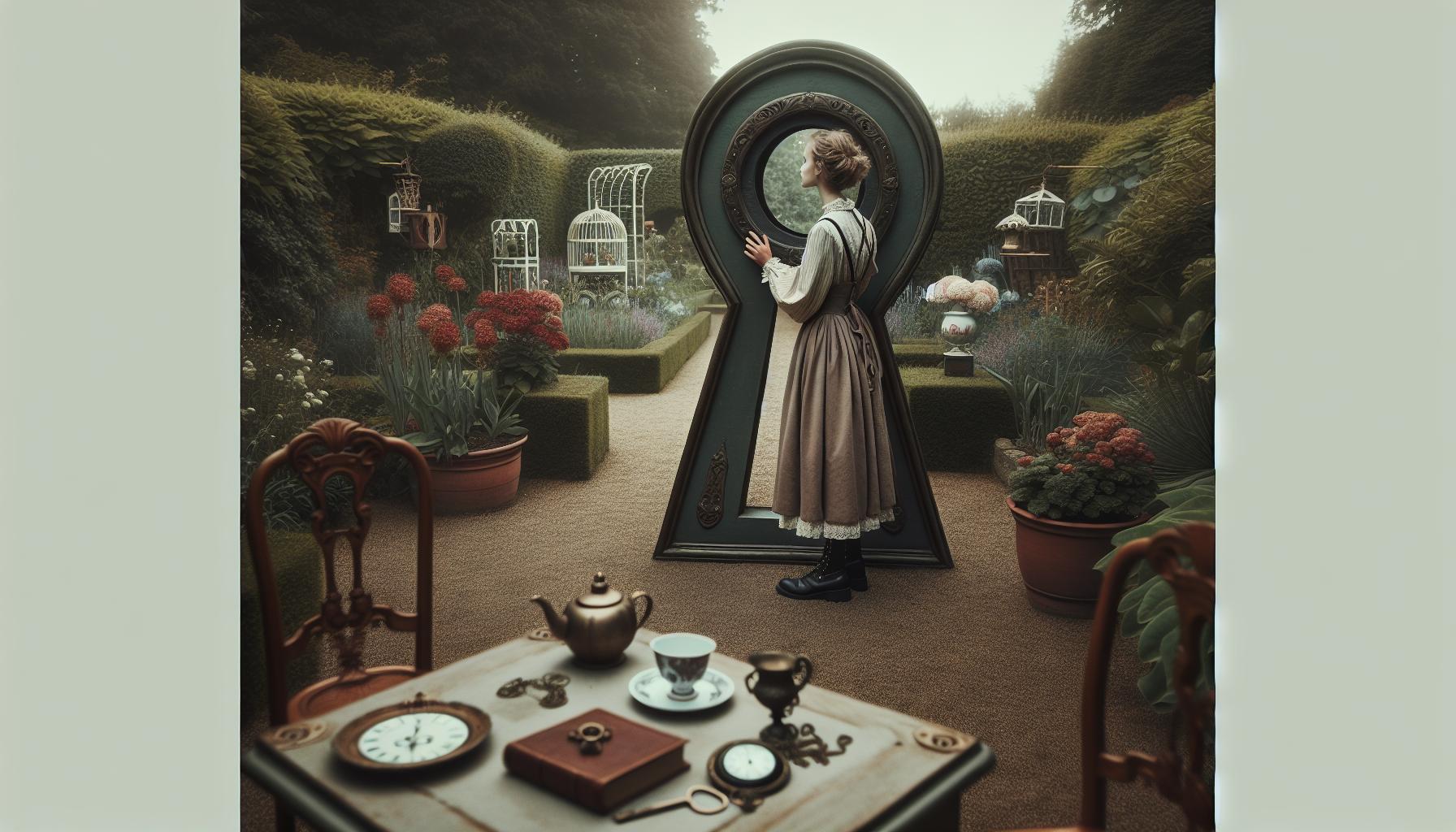
Symbolism in Alice’s Adventures
In Lewis Carroll’s enchanting tale, symbols abound, transforming Alice’s journey into a rich tapestry of meaning that invites readers to look closer at their own realities. One of the most striking symbols is the White Rabbit itself. In many ways, the Rabbit embodies the anxieties of Victorian society, signifying the pressures to conform and the fear of time slipping away. His frantic habit of checking his pocket watch introduces the theme of time as an oppressive force. However, it also highlights the urgency of curiosity and exploration, urging Alice-and the reader-to embrace their innate desire to venture into the unknown, despite societal expectations.
Another pivotal symbol is the mushrooms that Alice encounters. They serve as a representation of growth and change, as they can make her grow larger or smaller. This duality elegantly ties into the theme of identity and the trials of growing up. Alice’s physical transformations serve as allegories for emotional and intellectual changes, emphasizing the unpredictable nature of adolescence and self-discovery. They invite readers to reflect on their growth, questioning whether their environments and experiences shape who they are.
The Cheshire Cat, with its enigmatic smile and disappearing act, further complicates the narrative’s symbolism. This character symbolizes the chaos of identity and the fluid nature of reality. The Cat’s ability to vanish at will encourages Alice (and readers) to ponder the nature of existence itself. What does it mean to truly be oneself when reality can shift and change at any moment? The Cat’s famous advice to Alice, suggesting that everyone in Wonderland is mad, invites a deeper contemplation of societal norms and the value placed on sanity and rational thought versus madness and creativity.
Finally, the Queen of Hearts exemplifies the absurdity of authority and power. Her arbitrary rules and propensity for declaring death sentences reflect the often irrational nature of governance and societal structures. The Queen’s capriciousness invites readers to question the validity and logic behind authority figures in their own lives, challenging them to see beyond the surface of rules and conventions.
By examining these symbols, it becomes clear that Carroll’s work is not merely a whimsical adventure; it is a profound exploration of identity, curiosity, and societal critique. Engaging with these symbols allows readers to glean insights into their own lives, fostering a conversation about the fundamental truths that persist even in the most nonsensical of worlds. Each symbol contributes to a layered narrative that transcends time, making Alice’s Adventures in Wonderland a timeless reflection on the human experience.
Plot Summary: A Whimsical Adventure
Alice’s journey through Wonderland begins with an unexpectedly ordinary moment that turns extraordinary when she follows the enigmatic White Rabbit down a rabbit hole. This whimsical plunge into a vibrant, surreal world sets the stage for a series of bizarre encounters and adventures unlike anything she has ever experienced. In this topsy-turvy land, the rules of reality bend and twist, inviting readers to question the nature of logic and imagination.
Once in Wonderland, Alice meets a colorful cast of characters that each embody unique traits of absurdity and wit. From the sardonic Cheshire Cat, who offers riddles and cryptic advice, to the eccentric Mad Hatter and March Hare, whose tea party breaks all norms of politeness and time, Alice navigates this landscape filled with chaos and whimsy. Each meeting further complicates her understanding of herself and her place in this strange world. As her adventures unfold, Alice experiences not just external challenges but also internal conflicts, reflective of her own growth and identity exploration.
Throughout her travels, Alice witnesses and participates in a series of nonsensical events, including croquet with flamingos and the absurd trial of the Knave of Hearts. These experiences culminate in a confrontation with the formidable Queen of Hearts, whose swift and arbitrary judgments represent the often irrational nature of authority. The chaotic nature of Wonderland pushes Alice to assert her own identity, leading to a poignant moment of awakening where she ultimately refuses to accept the absurdity imposed on her.
As Alice’s adventure reaches its climax, the narrative becomes a powerful metaphor for the journey of self-discovery and the struggle against societal expectations. Ultimately, when Alice asserts that the Queen’s commands are nothing more than nonsensical, she embodies a triumph of personal agency over chaotic authority. This whimsical adventure not only entertains but also engages readers with profound questions about identity, authority, and the nature of reality, making “Alice’s Adventures in Wonderland” not just a child’s tale, but a story rich with layers of meaning that resonate across ages.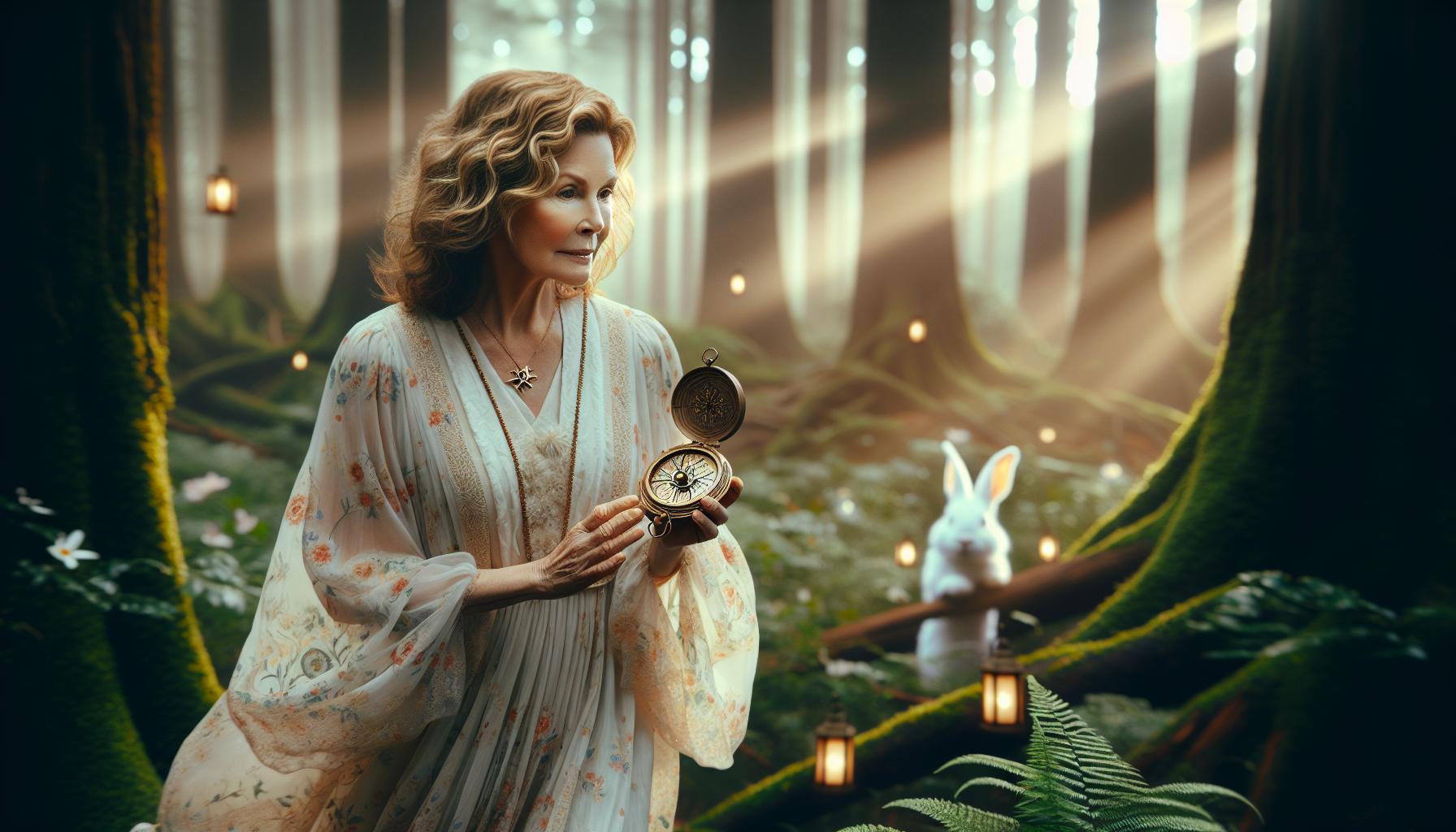
Literary Techniques and Style Analysis
In the whimsical and richly imaginative world of Alice’s Adventures in Wonderland, Lewis Carroll employs a myriad of literary techniques that capture the readers’ attention and enhance the narrative’s surreal quality. The narrative style is characterized by playful language, inventive dialogue, and unexpected twists, which transport readers into a fantastical realm where the absurd reigns supreme. This unique approach not only entertains but also prompts critical reflection on deeper themes such as identity, authority, and the nature of reality.
Carroll’s use of nonsensical logic is one of the most striking features of the text. By presenting a world governed by illogical rules, Carroll invites readers to suspend their disbelief. For instance, Alice’s encounters with characters like the Cheshire Cat and the Mad Hatter highlight this absurdity through paradoxical statements and riddles. These dialogues challenge conventional reasoning, compelling readers to engage with the text on a different intellectual level. The conversation with the Cheshire Cat, who claims that everyone in Wonderland is mad, underlines the theme of madness as a form of clarity, suggesting that the boundaries of sanity are fluid.
Another notable technique is the use of wordplay and puns, which infuse the text with humor and whimsy. Carroll’s inventive language, often drawing from nursery rhymes and familiar children’s stories, serves to create a playful atmosphere. The poem “The Jabberwocky,” filled with portmanteau words and nonsensical terms, exemplifies this technique and emphasizes the creative potential of language. Carroll’s deliberate straying from grammatical norms enhances the dreamlike quality of the narrative, allowing readers to explore meanings beyond literal interpretations.
The narrative structure itself is loosely episodic, with Alice’s adventures linked by her journey through Wonderland rather than a traditional plot progression. This reflects the fluid nature of dreams, where events occur in a disjointed manner without the constraints of time and space. Each episode serves as a standalone vignette that not only pushes Alice towards self-discovery but also sheds light on larger societal critiques-be it the arbitrary nature of authority, as seen in the Queen of Hearts’ capriciousness, or the absurdities of social conventions.
Overall, Carroll’s literary techniques in Alice’s Adventures in Wonderland encapsulate a rich tapestry of creativity that engages readers of all ages. The playful manipulation of language, the subversion of logical norms, and the innovative structure contribute to a narrative that resonates with profound meanings, ultimately making the whimsical journey an intricate exploration of both the self and the society.
Cultural Impact of Alice’s Adventures
The influence of Lewis Carroll’s Alice’s Adventures in Wonderland stretches far beyond the pages of literature, permeating various facets of culture, art, and education. This timeless tale has sparked countless interpretations and adaptations, illustrating the story’s deep resonance and capacity for reinvention. Its impact is evident in visual arts, theatre, film, and even modern technology, showcasing its versatility and relevance across generations.
One notable aspect of its cultural significance is the plethora of adaptations it has inspired. From animated films-such as Disney’s classic 1951 version-to contemporary reimaginings like Tim Burton’s 2010 movie, Alice in Wonderland continues to captivate audiences in different forms. Each adaptation reflects the artistic sensibilities of its time, whether it’s the enchanting illustrations of Sir John Tenniel that first brought the characters to life or the surreal designs in recent cinematic interpretations. Additionally, numerous stage productions and ballets have drawn from the narrative’s whimsical elements, providing various interpretations that showcase the adaptability of the source material.
Beyond the arts, Alice serves as a powerful educational tool, frequently utilized in teaching narrative structure, language play, and critical thinking. Educators often highlight Carroll’s innovative use of language and logic to inspire creativity in writing and problem-solving among students. The story’s inherent nonsensical elements encourage readers to explore meanings beyond the surface, fostering a sense of curiosity and imagination. This dynamic has led to the development of numerous academic discussions, where scholars analyze its themes of identity and authority in relation to social and political contexts, further enhancing its relevance in contemporary discourse.
Moreover, Alice’s Adventures in Wonderland has embedded itself into popular culture, manifesting in various references across media, including music, fashion, and even video games. The phrase “down the rabbit hole” is now a common idiomatic expression used to describe entering a complex, surreal situation or making a journey into the unknown. As a result, Carroll’s work is not only a literary cornerstone but also a cultural touchstone that continues to inspire creativity and provoke thought across diverse platforms and audiences.
In summary, the cultural impact of Alice’s Adventures in Wonderland is profound and multifaceted, inviting ongoing exploration and appreciation. Whether cherished as a literary classic or celebrated as a cultural phenomenon, its ability to engage the imagination ensures that it remains relevant in our collective consciousness.
Adaptations: From Page to Screen
Alice’s Adventures in Wonderland has inspired a rich tapestry of adaptations across various media, reflecting its timeless appeal and the imaginative qualities of Lewis Carroll’s original story. The journey from page to screen is notable not only for the transformation of characters into visual representations but also for how different interpretations encapsulate the essence of Wonderland within the context of their times.
One of the most iconic adaptations is Disney’s animated classic from 1951, which brought Carroll’s whimsical world to life through vibrant colors and memorable songs. With a focus on visual storytelling, this rendition introduced the characters to a new generation, embedding the image of the Cheshire Cat and the Mad Hatter into popular culture. The film emphasizes a playful tone, suitable for children while still capturing the story’s surreal charm.
In stark contrast, Tim Burton’s 2010 film offers a darker, more visually complex reimagining of the tale. Burton’s take, featuring a blend of live-action and CGI, delves into themes of identity and personal growth, mirroring the struggles of modern-day viewers while still retaining the whimsy of Wonderland. Characters like the Red Queen, portrayed with a striking larger-than-life personality, add layers to the narrative that appeal to both new audiences and fans of the original story.
These adaptations also extend into various theatrical interpretations, from stage plays to ballets, allowing for diverse artistic expressions of the material. Each one presents distinct perspectives that highlight different themes, such as growing up, societal norms, or the absurdity of adult logic.
For those interested in exploring these adaptations more deeply, consider creating a viewing schedule that highlights the uniqueness of each interpretation. This might involve:
- Watching the classic Disney version for its nostalgic charm.
- Following up with Burton’s adaptation to analyze how it approaches themes of identity.
- Exploring live performances or local productions to see how different cultures adapt the story.
Each adaptation serves as a lens through which we can examine not only the source material but also the cultural context surrounding its interpretation. By engaging with these various representational forms, readers and viewers can appreciate the enduring legacy of Alice’s adventures and their significant role in shaping contemporary storytelling.
Critique and Reception: Then and Now
Critics have long been fascinated by *Alice’s Adventures in Wonderland*, recognizing its unique blend of whimsy and depth. Upon its publication in 1865, it received a mixed reception; some praised its imaginative narrative while others found it nonsensical and devoid of moral lessons. However, over time, this perception shifted dramatically. Today, it is celebrated as one of the cornerstones of children’s literature and a beloved classic for readers of all ages.
The narrative’s playful absurdity has led to various interpretations, each finding resonance in different cultural and academic contexts. Early critics, including prominent figures of the Victorian era, often viewed the story through the lens of moral instruction-believing children’s literature should impart lessons. In contrast, modern scholars and readers appreciate the text for its exploration of identity, language, and the complexities of growing up, making it relevant even in contemporary discussions about childhood and learning.
Key Points of Reception
- Initial mixed reviews focused on its nonsensical elements.
- Later critiques recognized its depth, highlighting psychological and philosophical themes.
- Modern analysis often emphasizes its societal critique and exploration of personal identity.
In recent decades, *Alice’s Adventures in Wonderland* has found new life in popular culture, inspiring a plethora of adaptations and scholarly discussions. This ongoing interest underscores its timeless appeal and invites readers to engage with the text not just as a fantastical journey, but as a rich source of insight into human nature and society. From classroom curricula to psychological studies, its influence reflects a growing recognition that the absurd can often reveal profound truths about our world, making Alice’s journey through Wonderland a valuable experience for generations to come.
Comparative Analysis with Other Works of Lewis Carroll
Exploring Lewis Carroll’s Alice’s Adventures in Wonderland leads us not only through a whimsical journey but also into a broader context of his literary oeuvre. Carroll’s writing often reflects a unique blend of whimsy and intellectual playfulness, particularly evident when comparing Alice with his other notable works, such as Through the Looking-Glass and The Hunting of the Snark.
Both Through the Looking-Glass, published in 1871, and its predecessor delve deeper into the theme of identity and transformation, with Alice navigating a world that operates under different logical principles than her own. While Alice’s Adventures in Wonderland is rooted in the charming absurdity of her initial encounters, Through the Looking-Glass introduces a more complex structure, resembling a chess game where each move signifies a deeper layer of understanding. The notion of identity is further echoed in the character interactions, as Alice encounters mirrored versions of herself and familiar figures, prompting readers to reflect on the duality of self.
Moreover, The Hunting of the Snark stands out through its exploration of absurdism and existential themes. Unlike the fantastical elements of Alice, this narrative focuses on a quest filled with eccentric characters and nonsensical situations, mirroring a criticism of Victorian society’s search for meaning. It represents Carroll’s philosophical musings about ambition and the irrationality of life’s pursuits, echoing some of the absurdist tones found in Alice’s Adventures in Wonderland. Readers often find a continuous thread of existential inquiry connecting all three works, suggesting that the seemingly nonsensical aspects of Carroll’s storytelling serve as a lens through which profound truths can be revealed.
When analyzing these texts together, it becomes evident that Carroll’s narratives are rich in linguistic innovation, especially evident in his playful use of language, riddles, and poetry. This stylistic signature transcends the stories themselves. For example, the poem “Jabberwocky” from Through the Looking-Glass showcases Carroll’s ability to concoct new words that evoke imagery and emotion, similarly as he does with his whimsical dialogues in Alice’s Adventures in Wonderland.
In conclusion, Alice’s Adventures in Wonderland serves as a central piece in understanding Carroll’s literary mastery. By comparing it with his other works, readers can appreciate the intricate layers of meaning and the underlying philosophical inquiries that characterize his complete body of work, enriching their reading experience and providing insight into the multifaceted nature of Carroll’s imagination. This exploration invites both young and adult readers into a world where the absurd reveals deeper truths about identity, society, and the human condition, emphasizing that whimsy can coexist with profound reflection in literature.
Lessons and Morals from Wonderland
Alice’s journey through Wonderland is not just a whimsical adventure filled with curious characters and absurd situations; it also unfolds a tapestry of lessons and morals that resonate long after the final page is turned. One of the most significant takeaways is the importance of questioning authority and societal norms. Alice frequently encounters figures who represent power and control, such as the tyrannical Queen of Hearts. Her experiences encourage readers to think critically about the rules imposed by those in power and the absurdity of blindly following them.
Another central lesson revolves around the value of self-discovery and personal growth. Throughout her journey, Alice evolves from a passive, curious child into a more assertive and confident individual. This transformation highlights the importance of embracing one’s identity and asserting one’s voice, especially in the face of challenges. We see this in pivotal moments where Alice stands her ground against the nonsensical logic of characters like the Caterpillar and the Mad Hatter, emphasizing that true strength lies in understanding and articulating one’s beliefs.
Moreover, the story conveys the idea that embracing change is essential for growth. Transitioning through various fantastical settings, Alice grapples with her sense of identity and reality. This resonates with the universal theme of growing up, where navigating the complexities of life often feels chaotic and nonsensical. By learning to adapt and embracing her fluid identity, Alice illustrates that growth often involves discomfort and the unknown.
Lastly, the narrative encourages readers to appreciate the absurd and embrace creativity. Carroll’s playful use of language and surreal situations illustrates that while life may seem illogical at times, creativity can provide a fresh perspective and joy. The nonsensical nature of Wonderland sparks imagination and encourages readers of all ages to relish in whimsy, reminding us that exploration and creativity can offer profound insights into our own reality.
In summary, through Alice’s experiences in Wonderland, readers are encouraged to challenge societal norms, embark on their own journeys of self-discovery, embrace change, and celebrate creativity. Each lesson echoes timeless values, making Carroll’s narrative not only entertaining but also enriching for those who venture into its delightful chaos.
Alice in Modern Pop Culture
Alice’s adventures through the whimsical landscapes of Wonderland have transcended the pages of Lewis Carroll’s novel, establishing a lasting legacy within modern pop culture. From stunning theatrical adaptations to animated features and even video games, the journey of Alice continues to inspire creators across various mediums. This rich cultural tapestry not only celebrates the imaginative essence of the original work but also invites new interpretations that resonate with contemporary audiences.
One of the most visually striking adaptations came from Tim Burton’s 2010 film, Alice in Wonderland, which offered a darker, more fantastical view of Carroll’s narrative. This reinterpretation introduced vibrant characters such as the Mad Hatter, played by Johnny Depp, and further solidified Alice’s character as a symbol of empowerment and resilience. The film’s unique aesthetic and musical score brought a fresh perspective to the classic story, attracting a new generation of fans while rekindling the love of longtime admirers.
In addition to films, Alice’s influence permeates the realm of literature and art. Numerous authors and poets have drawn inspiration from the peculiarities of Wonderland, leading to modern retellings that explore themes like identity and existentialism. Graphic novels and illustrated editions have also gained popularity, allowing readers to immerse themselves in the narrative through striking imagery and innovative formats that appeal to visual learners.
In the digital age, Alice’s tale has found a new home in video games, where players can navigate through Wonderland in interactive ways. Titles like American McGee’s Alice offer a darker and more psychologically complex adventure that expands on Carroll’s original themes while addressing concepts of madness and transformation. These gaming experiences allow participants to engage actively with the narrative, making choices that influence their journey through this fantastical realm.
The enduring appeal of Alice’s Adventures in Wonderland in contemporary culture illuminates its themes of curiosity, rebellion against authority, and the nonsensical nature of life. Whether through film, literature, or interactive media, Alice continues to enchant and inspire, inviting audiences to explore the boundaries of their imagination. As this beloved character evolves, she remains a powerful emblem of adventure, self-discovery, and the timeless joy of storytelling.
Frequently asked questions
Q: What is the main plot of Alice’s Adventures in Wonderland?
A: Alice’s Adventures in Wonderland follows a young girl named Alice who falls down a rabbit hole into a fantastical world filled with peculiar creatures and surreal events. As she navigates this bizarre landscape, she encounters memorable characters, including the Cheshire Cat and the Queen of Hearts, each presenting unique challenges and absurdities.
Q: What are the key themes in Alice’s Adventures in Wonderland?
A: Major themes in Alice’s Adventures in Wonderland include the exploration of identity, the fluidity of reality, and the challenges of growing up. The narrative underscores the confusion and absurdity of adulthood, while Alice’s journey reflects the struggle for self-discovery and the transition from childhood to maturity.
Q: Who are the primary characters in Alice’s Adventures in Wonderland?
A: Primary characters in the book include Alice, the curious protagonist; the White Rabbit, who leads her into Wonderland; the Cheshire Cat, known for its enigmatic grin; the Mad Hatter, known for his whimsical tea party; and the Queen of Hearts, who represents authoritarianism and chaos within Wonderland.
Q: How does Lewis Carroll use symbolism in Alice’s Adventures in Wonderland?
A: Alice’s Adventures in Wonderland is rich in symbolism, including the rabbit hole as a metaphor for the journey into the subconscious. Other symbols, such as the playing cards representing authority and the potion and cake that alter Alice’s size, explore themes of transformation and the fluidity of identity.
Q: What literary techniques are utilized in Alice’s Adventures in Wonderland?
A: Lewis Carroll employs various literary techniques in Alice’s Adventures in Wonderland, such as nonsensical dialogue, puns, and playful language. The book features rich imagery and surreal situations, which enhance its whimsical tone and underline the themes of absurdity and the illogical nature of reality.
Q: How has Alice’s Adventures in Wonderland influenced modern culture?
A: Alice’s Adventures in Wonderland has profoundly impacted literature, art, and popular culture. Its themes and characters appear in countless adaptations, including films, merchandise, and reimaginings, highlighting its lasting legacy and enduring appeal across generations.
Q: What lessons and morals can be learned from Alice’s Adventures in Wonderland?
A: Alice’s Adventures in Wonderland offers several lessons, such as the importance of curiosity and questioning authority. It highlights the complexities of growing up and the value of embracing one’s identity amidst chaos. The story encourages readers to navigate the uncertainties of life with imagination and resilience.
Q: In what ways has Alice’s Adventures in Wonderland been adapted into other media?
A: Alice’s Adventures in Wonderland has been adapted into various forms, including animated and live-action films, stage plays, and video games. Notable adaptations include Disney’s animated movie and Tim Burton’s film, each interpreting Wonderland’s themes and characters in unique ways, expanding its reach and relevance.
Insights and Conclusions
Thank you for exploring our analysis of “Alice’s Adventures in Wonderland.” This whimsical journey through a fantastical world not only enriches your understanding of classic literature but also sparks curiosity about deeper themes like identity and transformation. If you found this summary insightful, don’t miss our related articles on character analysis and thematic explorations.
Dive deeper into the world of Lewis Carroll by visiting our recommendations for further reading or sign up for our newsletter to stay updated with more literary analyses and book recommendations. Remember, each adventure is just a click away-explore now and let your imagination run wild!
Join the conversation below; share your thoughts or ask us questions! We invite you to engage with fellow readers and discover even more content tailored to your interests. Your next literary exploration awaits!
Get our latest guides, news, and insights highlighted in your Google Search & AI Overviews.


