
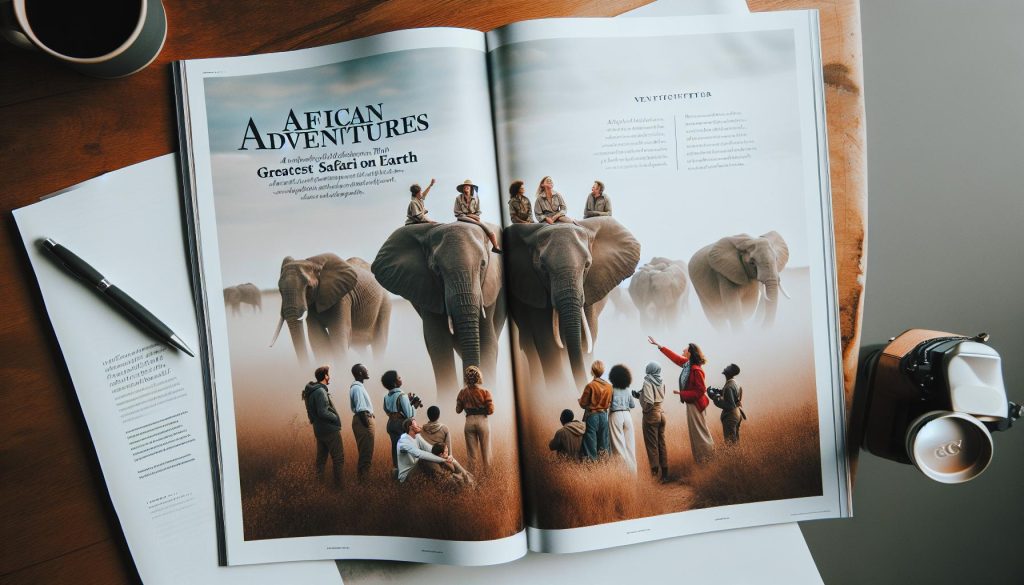
Imagine standing just feet away from a majestic elephant as it grazes in the sprawling savannah, the golden sun setting behind it. “African Adventures: The Greatest Safari on Earth Documentary” invites you to experience the thrill and beauty of Africa’s wildlife like never before. This documentary isn’t just about stunning visuals; it’s a gateway to understanding the delicate balance of nature and conservation. With captivating tales from seasoned travelers and experts, you’ll discover how to make the most of your safari experience-whether pushing the limits of adventure or seeking a more relaxed journey. Get ready to explore the best times to go, essential tips for every traveler, and highlights that make Africa’s landscapes unforgettable. Your adventure awaits; let this documentary inspire your travel dreams and ignite your curiosity about one of the world’s last great wildernesses. Grab your gear and get ready for an unforgettable journey into the heart of Africa!
The Best Times for a Safari Adventure
The African safari season is as dynamic as the wildlife it showcases, and knowing the best times to embark on this adventure can significantly enhance your experience. Generally, the prime safari seasons in Africa are divided into dry and wet periods, each offering unique advantages that cater to different types of travelers.
During the dry season, typically from June to October, wildlife congregates around water sources, making it easier to spot them. This period is perfect for those who want to witness the Great Migration in the Serengeti, where millions of wildebeest and zebras traverse the plains in search of greener pastures. This spectacular movement often peaks around July and August, making it a peak travel time for safari enthusiasts. The weather is generally mild, with lower humidity and moderate temperatures, providing comfortable conditions for explorers.
Conversely, the wet season, spanning from November to March, has its own charm. While it may be less favorable for visibility due to lush vegetation, this is when many animals give birth, offering a chance to see adorable newborns in their natural habitats. The landscapes transform into breathtaking shades of green, and migratory birds flock to the region, making it an ideal time for birdwatchers. If you’re mindful of budgets, this season often features lower prices on accommodations and fewer tourists, allowing for a more intimate experience with nature.
As you plan your safari adventure, consider your priorities-whether it’s maximizing wildlife sightings, enjoying vibrant landscapes, or pursuing cost-effective options. Remember that the best time for your safari largely depends on what you’re hoping to see, so align your travel dates with the specific wildlife events that captivate you most. In any case, every season in Africa offers its own magical glimpse into the wild, ensuring unforgettable moments.
Top Wildlife Experiences in Africa
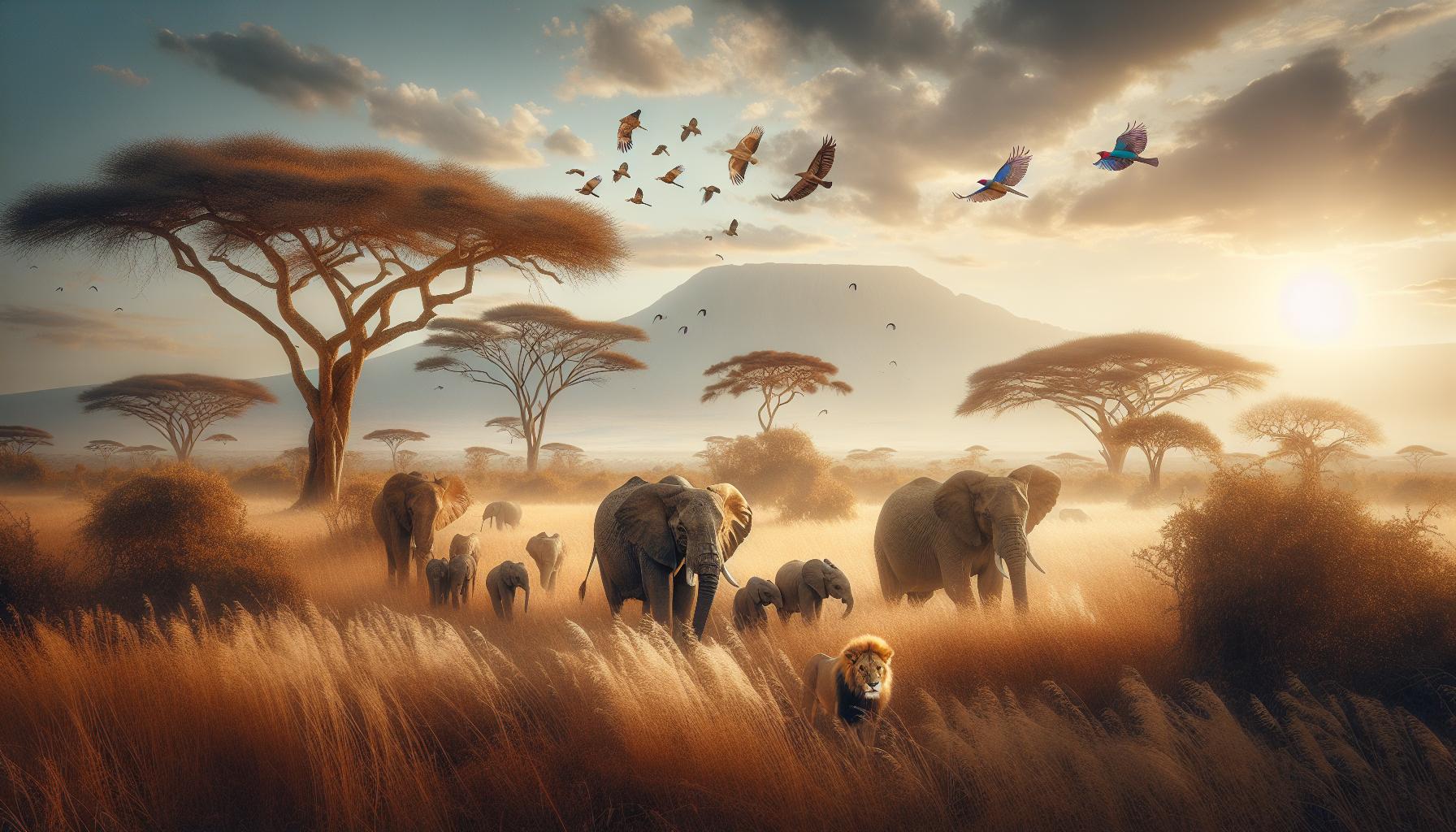
Every safari adventure promises unforgettable moments, but some wildlife experiences stand out as truly iconic. Imagine witnessing the immense power of a lion’s roar echoing through the African night or the delicate grace of a giraffe as it stretches its neck to nibble leaves high in the trees. These encounters are not just highlights; they encapsulate the essence of what makes a safari in Africa profoundly captivating.
Embrace the Great Migration
One of the most extraordinary wildlife spectacles on Earth is the Great Migration, where over a million wildebeest and zebras journey across the Serengeti and into the Masai Mara. This event peaks between July and September, providing unparalleled opportunities for dramatic crossings over rivers filled with crocodiles. Being at the right place at the right time can mean witnessing nature’s untamed beauty in action. For the best experience, consider a guided safari that positions you near the Mara River during peak crossing season-it’s worth every penny for the adrenaline rush.
Interact with the Big Five
The quest to see the Big Five-lion, leopard, rhino, elephant, and Cape buffalo-is a rite of passage for safari-goers. Each animal offers a unique viewing opportunity. For instance, track leopards as they stealthily navigate the treetops in Kruger National Park or marvel at the size and strength of elephants as they roam the Chobe River in Botswana. Remember, early morning and late afternoon are the best times to spot these magnificent creatures when they are most active.
Birdwatching Extravaganza
For bird lovers, Africa is a paradise. The wet season, from November to March, transforms landscapes and attracts migratory species. The Okavango Delta in Botswana hosts a remarkable variety of birds; you can discover everything from the vibrant lilac-breasted roller to the majestic African fish eagle. Many lodges offer specialized birdwatching tours that can dramatically increase your chances of spotting these feathered beauties.
Unique Experiences Away from the Conventional
Not all wildlife experiences happen from the comfort of a safari vehicle. Consider an authentic walking safari in Zambia’s South Luangwa National Park, where trained guides lead you through the bush, providing insight into the ecosystem and its inhabitants. This immersive experience allows you to connect with nature on a personal level, spotting tracks and scat that tell the story of the animals that inhabit the area.
With so many experiences available, planning your safari can feel overwhelming. Prioritize what resonates most with you: are you chasing iconic views, seeking unique encounters, or perhaps aiming to cross a few items off your bucket list? Each experience has its charm and excitement, making every trip to Africa a one-of-a-kind adventure. Always consider the best times for wildlife viewing and ensure that your trip aligns with seasonal highlights, giving you the opportunity to immerse yourself in Africa’s awe-inspiring wildlife.
Exploring the Most Iconic Safari Destinations
Every safari enthusiast dreams of standing in the midst of Africa’s most iconic landscapes, where the call of the wild resonates with the pulse of the earth. From the golden savannas where elephants roam freely to verdant wetlands teeming with spectacular birdlife, Africa offers a kaleidoscope of safari destinations that beckon adventurers of all kinds.
Serengeti National Park, Tanzania
The Serengeti is synonymous with the quintessential African safari experience. Home to the Great Migration, where over a million wildebeest and zebras traverse the plains in search of greener pastures, the park is a wildlife haven all year round. The peak migration period from July to September is particularly breathtaking, but the Serengeti’s abundant wildlife offers fantastic viewing throughout the dry season, from June to October. Whether you opt for a guided group safari or a private excursion, staying at a lodge or a tented camp immerses you in nature, allowing you to listen to the nocturnal sounds of the bush as you drift to sleep.
Kruger National Park, South Africa
Kruger National Park is a must-visit for those eager to see the Big Five-lion, leopard, elephant, rhino, and Cape buffalo. The park’s vast size accommodates a wide variety of habitats and wildlife experiences. For budget-conscious travelers, self-driving through the park is an affordable option that provides flexibility, allowing you to set your own pace. To enhance your chances of wildlife sighting, consider early morning or late afternoon drives when animal activity peaks. Lodges range from affordable bungalows to upscale resorts, ensuring every traveler can find a place to call their own.
Okavango Delta, Botswana
The Okavango Delta is a unique inland delta that offers a completely different safari experience. Known for its pristine waterways and lush landscapes, it’s a birdwatcher’s paradise, especially during the wet season from November to March. Explore the delta by mokoro (traditional canoe) to inch through the reeds and get close to wildlife. The best time for a visit is during the winter months (May to October), when the dry air concentrates game around the water sources. With a range of luxury lodges and eco-friendly camps, your stay can be as adventurous or relaxing as you want.
Masai Mara National Reserve, Kenya
Just north of the Serengeti, the Masai Mara is famous for its dramatic scenery and rich wildlife. The landscape is dotted with iconic acacia trees under vast blue skies, and it provides excellent conditions for viewing the Great Migration. Additionally, the Mara is home to a thriving population of big cats, where witnessing lion hunts can be thrilling. Opt for a guided game drive to benefit from the knowledge of a skilled guide who can take you to the best sighting spots.
To make the most of your safari adventure, research each destination’s best visiting times, accommodation options, and unique experiences to suit your travel style. Each iconic site will not only enhance your safari experience but also create lasting memories that you’ll cherish long after your journey ends.
Essential Packing List for Your Safari Trip
Every great safari adventure starts with being well-prepared, and creating a thoughtful packing list is key to fully enjoying your experience. The open savannahs, dense jungles, and winding rivers of Africa present unique challenges and opportunities; thus, the right gear can make all the difference. From protecting yourself from the sun to ensuring you have the right tools for wildlife photography, here’s a comprehensive packing list to keep you ready for any adventure.
Clothing Essentials
Choosing the right attire is crucial. Safari environments can vary from scorching heat during the day to cooler temperatures in the mornings and evenings. Here’s what to consider:
- Neutral-Colored Clothing: Light khaki, beige, or olive tones blend better with the environment and won’t scare off wildlife.
- Lightweight Layers: Bring moisture-wicking base layers, a long-sleeve shirt, and a warm fleece or sweater for cooler nights.
- Comfortable Pants: Cargo pants or shorts with pockets are ideal for carrying essentials.
- Sun Protection: A wide-brimmed hat and sunglasses are essential for shielding against the sun.
- Durable Footwear: Sturdy hiking boots or shoes provide comfort and support during walks.
- Packable Rain Gear: A lightweight, waterproof jacket can come in handy during unexpected downpours.
Safety and Health Items
Prepare for the unexpected by packing these important health and safety items:
- Insect Repellent: Mosquitoes can be prevalent in certain areas; a good repellent will protect you from bites.
- Sunscreen: A highSPF sunscreen is a must to protect your skin from prolonged sun exposure.
- First Aid Kit: A small kit with basics like band-aids, antiseptic wipes, and any personal medications you require.
- Travel Insurance Documents: Keep your insurance information handy for peace of mind.
Wildlife Spotting Gear
To enhance your experience and capture stunning memories, consider these items:
- Camera: A DSLR or mirrorless camera with a zoom lens will help you take amazing wildlife photos.
- Binoculars: A good pair of binoculars allows for close-up views of wildlife without disturbing them.
- Notebook and Pen: Document your observations and experiences for cherished memories later.
Comfort and Convenience
Finally, make your travels smoother with these practical additions:
- Reusable Water Bottle: Staying hydrated is important; a refillable bottle helps reduce plastic waste.
- Dry Bag: Protect your electronic devices and valuables from dust and water.
- Snacks: Non-perishable, light snacks like nuts or energy bars are perfect for long drives or waits.
Packing well ensures that you can immerse yourself fully in the experience of the African wilderness, allowing you to appreciate its beauty and wonder without distraction. With the right gear, you can focus on what really matters: the thrill of encountering extraordinary wildlife and soaking in the breathtaking landscapes.
Choosing the Right Safari Style: Luxury vs. Budget
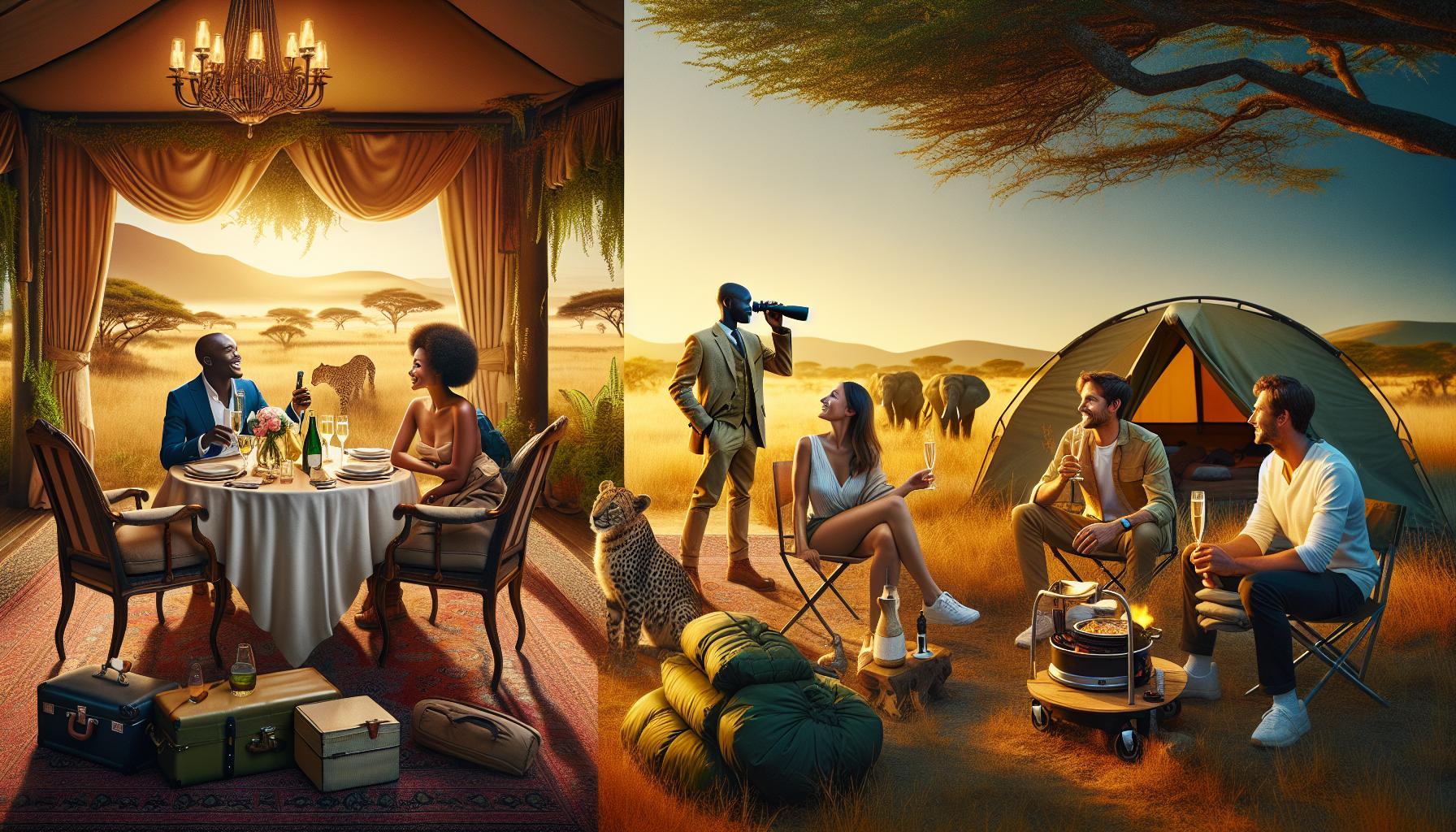
Embarking on a safari adventure in Africa brings the thrill of wildlife encounters, breathtaking landscapes, and cultural experiences, but your safari style significantly influences how you interact with these elements. Whether you lean towards the lavish perks of luxury travel or the exhilarating simplicity of budget-friendly options, there’s a perfect safari experience awaiting you.
For those drawn to luxury, imagine waking up in a plush tented camp with en-suite bathrooms, gourmet meals prepared by skilled chefs, and private game drives led by experienced guides. Luxury safaris often provide exclusive access to reserves, ensuring fewer crowds and more intimate wildlife viewing experiences. Resorts and lodgings like Singita and &Beyond offer stunning accommodations with a focus on sustainability, allowing you to soak in the beauty of your surroundings while indulging in top-tier service. This style is perfect for travelers looking to maximize comfort, incorporate unique experiences like spa treatments, and enjoy fine dining under the stars.
On the flip side, budget safaris can also offer unforgettable experiences packed with adventure without breaking the bank. Consider options like guided camping safaris or overland tours that allow you to immerse yourself in the wild at a fraction of the cost. Staying in basic lodges, guesthouses, or even camping beneath the African sky can create opportunities for deeper connections with the land and its people. Traveling during the off-peak season not only helps you save on costs but often provides better wildlife sightings too, as there are fewer visitors disturbing the animals. Joining group tours can further cut costs while bringing a social aspect to your journey, allowing you to share the adventure with fellow travelers.
Ultimately, whether you choose luxury or budget will depend on your personal style and travel goals. Each option has its own charm and offers distinct experiences. For a truly enriching journey, consider mixing elements from both styles-splurging on a few nights of luxury while balancing it with budget-friendly stays. Doing so can enhance your African safari adventure, fulfilling your desire for both comfort and adventure.
Cost Breakdown: Budgeting for Your African Safari
Planning an African safari can evoke thrilling visions of majestic wildlife and breathtaking landscapes, but managing your budget is crucial to making those dreams a reality. Depending on your travel style, safaris can be tailored to fit both luxurious and budget-friendly experiences. Understanding the costs associated with each part of your trip will help you create a memorable adventure without overspending.
Key Cost Factors
When budgeting for a safari, consider the following key expenses:
- Accommodation: Lodging options vary widely, from luxury lodges costing $500+ per night to basic campsites at around $10-$50. Mid-range lodges typically range from $100 to $300 per night with inclusive meals.
- Game Drives: Dedicated game drives can add to your cost, with private tours starting at $150 per day, while group tours might range from $50 to $100 per person.
- Food and Drinks: Some lodges include meals, but if you’re self-catering or staying in basic accommodation, budget $30-$60 per day for food and an additional $10-$20 for beverages.
- Park Fees: National parks often charge entrance fees, usually $20-$80 per day, depending on the location and exclusivity of the park.
- Transportation: Consider the cost of transfers, whether it’s an internal flight to a remote lodge or a flat-rate fee for a shared shuttle service.
- Extras: Don’t forget to account for tips (approximately 10% of your safari costs), and any optional excursions like cultural experiences or guided walks.
Sample Budgeting Table
Here’s a snapshot of a budget breakdown for different safari experiences:
| Expense Type | Low Budget ($) | Mid-Range ($) | Luxury ($) |
|---|---|---|---|
| Accommodation (per night) | 10 – 50 | 100 – 300 | 500+ |
| Game Drives (per day) | 50 | 100 | 150+ |
| Food and Drinks (per day) | 30 | 60 | 100+ |
| Park Fees (per day) | 20 | 50 | 80+ |
By crunching these numbers and prioritizing expenditures, you can design an enriching experience that doesn’t break the bank. Travel during the shoulder seasons to take advantage of lower rates, and look for package deals that combine accommodation, meals, and activities to maximize value. Planning smart means you can focus on the incredible sights and experiences rather than fret over finances. With proper budgeting, your African safari adventure can become the unforgettable journey you’ve always envisioned.
Wildlife Photography Tips for Beginners
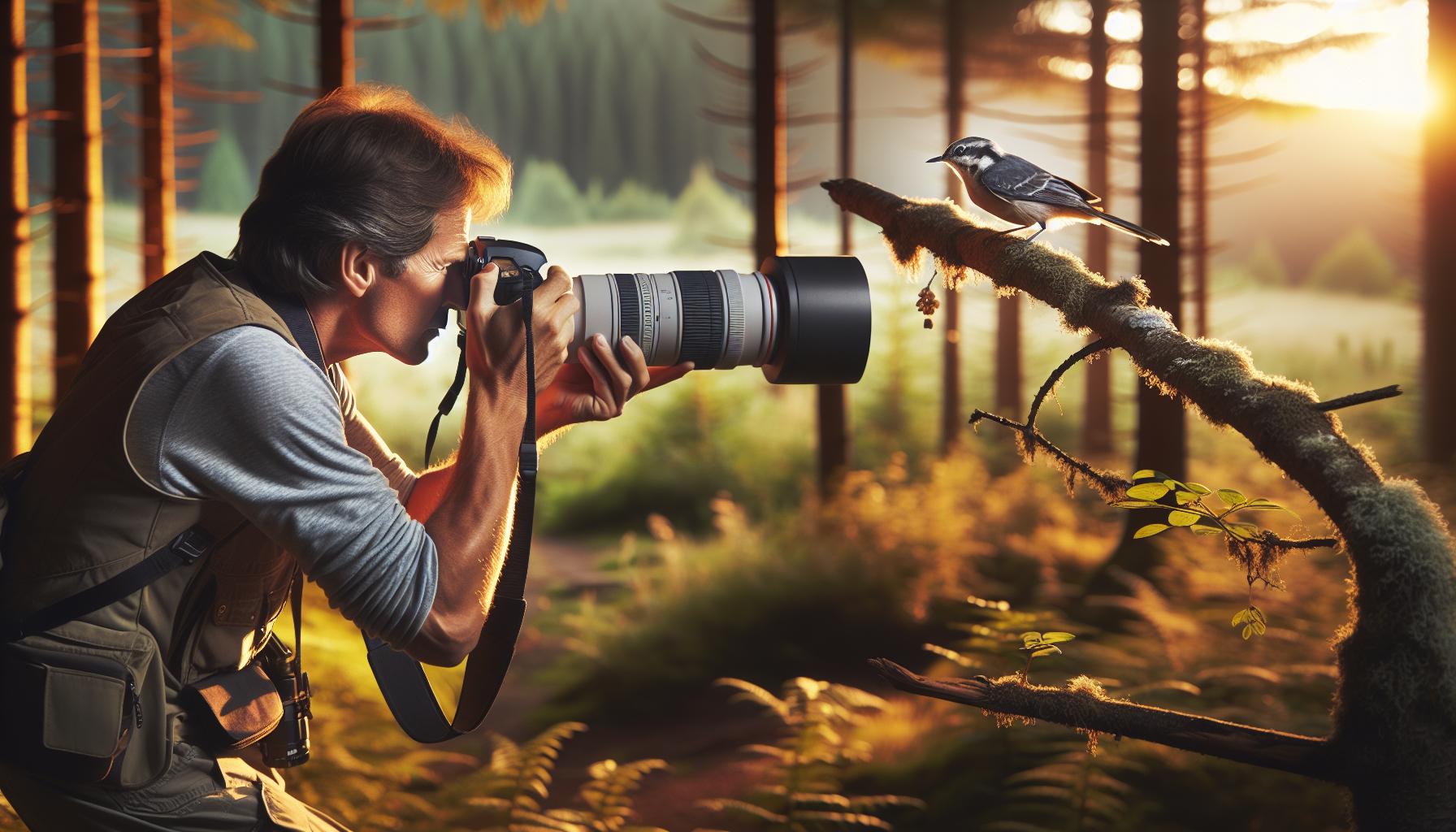
Capturing the essence of an African safari through photography is an exhilarating experience for beginners eager to document their adventures in the wild. The dynamic interplay of light, wildlife, and environment offers a canvas of breathtaking beauty, but knowing how to navigate this landscape with your camera is key to getting those stunning shots. Here are some practical tips to help you start on this visual journey.
To begin with, understanding your camera settings can dramatically improve your images. Familiarize yourself with the basics of exposure, aperture, and shutter speed, as well as the importance of ISO, especially in varying light conditions. For wildlife photography, a fast shutter speed is crucial to freeze motion during action-packed moments, and lower apertures will help you achieve a lovely background blur, emphasizing your subject. If you’re using a smartphone, explore any available manual settings to enhance your photography finesse.
Timing is everything when it comes to capturing wildlife. The golden hours-early morning and late afternoon-offer the best natural light, making your photos glow with warmth. During these times, animals are often more active and tend to venture out for feeding, providing ample opportunities for captivating shots. Consider using these moments not just to shoot animals but to capture the surrounding environment that tells a story of its own.
Don’t shy away from experimenting with composition techniques. The rule of thirds is a vital guideline; it encourages you to position your subjects off-center for a more engaging layout. However, be ready to break the rules when the moment calls for it-sometimes an unexpected angle or close-up can create a more powerful image. Always be patient and ready; wildlife can be unpredictable. Keep your camera at the ready and try to anticipate movements, such as animals emerging from behind bushes or engaging in social behavior.
Lastly, your gear selection is fundamental. While high-end cameras can produce incredible images, starting with a DSLR or a good point-and-shoot will suffice for beginners. A zoom lens can be particularly beneficial, giving you the flexibility to capture distant animals without disturbing them. Don’t forget extra memory cards and batteries, as wildlife photography often requires long waits for the perfect moment.
By following these tips, you’ll not only enhance your photography skills but also create lasting memories of your African safari. Embrace the adventure, take your time, and most importantly-enjoy the wild beauty around you!
Family-Friendly Safari Options: Traveling with Kids
Taking the family on a safari adventure can be one of the most thrilling experiences of a lifetime, especially when you realize that kids can have just as much fun as adults exploring the wilds of Africa. Safaris tailored for families offer a perfect blend of education, adventure, and relaxation, ensuring everyone leaves with unforgettable memories. Imagine your child’s eyes lighting up as they witness elephants lumbering across the savannah or hear the roar of a lion in the distance. But planning a family-friendly safari requires a little extra consideration to ensure it’s enjoyable for everyone involved.
Choose safari destinations that are not only rich in wildlife but also cater specifically to families. Many national parks and private reserves provide family-oriented accommodations and kid-friendly activities such as guided nature walks, animal tracking, and educational sessions about conservation. Look for lodges that offer child-minding services or activities, so parents can enjoy their own game drives while the children engage in supervised, fun programs. Destinations like South Africa’s Kruger National Park or Kenya’s Maasai Mara have several family-friendly lodges that cater to younger guests with interactive learning experiences about the local ecosystem.
Planning timing is crucial for a family safari. The dry season between June and October is ideal for wildlife viewing, as animals tend to congregate around water sources. This period not only increases the chances of exciting animal sightings but also ensures pleasant temperatures that are comfortable for kids. Planning shorter game drives (2-3 hours) with plenty of breaks for snacks and relaxation will help keep the whole family engaged without overwhelming the little ones.
Packing smartly can make a huge difference in your family’s enjoyment. Essentials include:
- Comfortable clothing: Lightweight, breathable fabrics in neutral colors ideal for both sun and cooler evenings.
- Sun protection: Sunscreen, hats, and sunglasses are must-haves to shield against the African sun.
- Insect repellent: Keep mosquitoes at bay, especially for children.
- Entertainment: Bring along books, games, or downloaded movies for downtime during long travel days.
Lastly, embrace the educational aspect of your safari. Safaris provide a fantastic opportunity for kids to learn about wildlife conservation, the importance of ecosystems, and cultural experiences with local communities. Many lodges offer programs designed for children, helping them engage with nature in a fun and informative way. This setting allows young travelers to develop a deeper appreciation for wildlife and the environment, ensuring that they leave with more than just memories, but also knowledge about the planet’s wonders and our responsibility toward it. With thoughtful planning, your family safari will be both an enriching and exhilarating experience.
Solo Travel on Safari: Safety and Tips
Venturing out into the wilds of Africa alone can be one of the most exhilarating experiences you’ll ever encounter, filled with breathtaking landscapes and incredible wildlife. However, solo travel comes with its own set of challenges, and being prepared can make all the difference. Whether you’re thrilled by the idea of spotting a pride of lions at sunset or keen to immerse yourself in local cultures, understanding safety and having practical tips in hand will help you make the most of your safari adventure.
Planning is key when traveling solo. Start by choosing your destination wisely. Some countries, like Botswana and Namibia, are known for being more traveler-friendly, while others may require more caution. Popular safari destinations, like Kenya or Tanzania, have established tourist routes and services that can enhance your safety, offering guided tours where local expertise keeps you informed and secure. Whenever possible, opt for guided safaris, as local guides not only navigate the terrain for you but also enrich your experience with their knowledge about wildlife and conservation efforts.
When it comes to safety, being aware of your surroundings is crucial. Here are some essential tips to keep in mind:
- Stay in safe accommodations: Choose reputable lodges or camps that cater to solo travelers and have good reviews. Look for places with security measures in place, such as staffed entrances and secure rooms.
- Keep your belongings secure: Use a money belt or a secure travel pouch for passports, cash, and cards. Be minimalistic about what you carry, leaving expensive items at your accommodation where possible.
- Inform someone of your plans: Whether it’s a friend at home or hotel staff, let someone know your itinerary. Regular check-ins can give you peace of mind.
- Follow travel advisories: Stay updated on travel advisories from your home country regarding safety in various regions of Africa. Local conditions can change rapidly.
As for the adventure itself, staying connected enhances both safety and enjoyment. Consider investing in a local SIM card for your phone, making it easier to access maps and communicate in case of emergencies. Additionally, downloading offline maps can be invaluable if you venture into areas with limited signal coverage.
The beauty of solo travel on safari is not just in witnessing the wonders of nature but also in the flexibility it offers. You can choose your pace, whether it’s spending extra time at a stunning view or wandering through local markets. So pack your sense of adventure, stay informed, and you’ll surely embark on a memorable journey through the heart of Africa, discovering not just the land but also a deeper connection with yourself.
Cultural Experiences: Engaging with Local Communities
The cultural richness found in Africa’s diverse communities is as thrilling as a close encounter with wildlife on safari. Engaging with local cultures not only enhances your travel experience but also fosters a deeper appreciation for the traditions and lifestyles that coexist with Africa’s breathtaking landscapes. From the Maasai of Kenya to the Himba of Namibia, each community has a unique story to share that can transform your trip from a mere visit to a genuine exchange.
Participate in Local Traditions
One of the most rewarding ways to connect with local communities is by participating in their daily routines and cultural practices. Many lodges or tour operators offer programs designed for travelers to engage with local traditions. This can include participating in a traditional dance, learning the art of beadwork, or even joining a cooking class to prepare local dishes. Such experiences not only support the economy but also provide a platform for meaningful interactions. Consider visiting a local village market where farmers and artisans showcase their goods-it’s a chance to practice your bargaining skills and taste authentic African flavors.
Respect and Connect
While engaging with local communities, it’s essential to approach these interactions with respect and openness. Always seek permission before photographing individuals, and be mindful of their customs and privacy. Establish relationships based on mutual respect; small gestures, such as greeting locals in their language or understanding their traditions, can go a long way. Ensure you carry appreciation for their cultural values, as well as the intent to share your own.
Support Sustainable Initiatives
Many communities have developed eco-tourism initiatives that allow travelers to enjoy cultural experiences while ensuring the preservation of their heritage. Supporting these initiatives can help maintain their way of life and promote sustainable practices. For instance, consider visiting community-run lodges or participating in projects that educate about wildlife conservation, where locals directly benefit from the tourism industry. This way, your journey contributes to their future while enriching your understanding of the intricate relationships between culture and conservation.
By embracing the cultural aspects of your African safari, you not only broaden your horizons but also play a role in the preservation of these precious communities. Each encounter brings stories woven through generations, giving you a richer tapestry of understanding of Africa beyond its extraordinary wildlife.
Conservation Efforts: How to Help While You Travel
Every safari adventure offers a unique opportunity to contribute to conservation efforts that protect Africa’s stunning wildlife and habitats. With many species facing threats from habitat loss, poaching, and human-wildlife conflict, your visit can make a significant difference. Engaging in responsible tourism can transform your travel experience into a powerful tool for conservation.
Choose Eco-Friendly Tour Operators
Selecting tour operators that prioritize sustainability is crucial. Look for companies that have eco-conscious practices, such as using renewable energy, practicing waste reduction, and supporting local communities. Many reputable operators contribute a portion of their profits to wildlife conservation initiatives or engage in direct action, such as anti-poaching patrols.
Participate in Volunteer Opportunities
Joining volunteer programs during your trip can provide hands-on experience and direct impact. Many organizations offer short-term positions where travelers can assist with wildlife monitoring, habitat restoration, or community education. Not only do these experiences deepen your connection to the local environment, but they also support sustainable practices that benefit both wildlife and communities.
Support Local Conservation Projects
Before your trip, research local conservation projects in the areas you plan to visit. Consider visiting community wildlife sanctuaries or nature reserves that focus on rehabilitation and protection of endangered species. Many of these organizations rely on visitor fees for support, creating a symbiotic relationship between tourism and conservation.
Educate and Advocate
Once you’ve returned home, share your experiences and newfound knowledge about conservation with friends and family. Use your platforms-social media, blogs, or community groups-to raise awareness about the challenges facing African wildlife and promote responsible travel practices. Your voice can inspire others to be mindful of their impact and take action.
By incorporating these practices into your travel plans, you not only enhance your safari experience but also leave a positive footprint on the environment and the communities you encounter. Engaging in these efforts allows you to witness the delicate balance of nature and culture while ensuring that future generations can enjoy the same breathtaking adventures you have experienced.
Planning Your Dream Safari: Step-by-Step Guide
Planning a safari is like piecing together a thrilling adventure puzzle, where each piece contributes to a breathtaking whole. The allure of Africa’s wildlife, from the majestic elephants of Amboseli to the elusive leopards of Sabi Sands, ensures that your journey will be unforgettable. Engaging with the vibrant ecosystems and local cultures while witnessing majestic creatures in their natural habitats is the heartbeat of the experience. To help you create your dream safari, here’s a step-by-step guide that takes you from initial planning to setting foot on African soil.
Step 1: Choose Your Destination
Africa is home to a tapestry of national parks and reserves, each offering unique wildlife experiences. Popular options include:
- Serengeti National Park, Tanzania – Known for the Great Migration where millions of wildebeest and zebras roam.
- Kruger National Park, South Africa – Offers a diverse range of wildlife and excellent self-drive options.
- Masai Mara, Kenya – Famous for its big cats and rich Maasai culture.
- Okavango Delta, Botswana – A unique inland delta teeming with diverse wildlife and stunning landscapes.
Research and decide based on the wildlife you wish to see, the time of year, and accessibility from your point of origin.
Step 2: Time Your Visit
Identifying the best time to visit depends largely on the wildlife you want to see. The dry season (generally from June to October) is ideal for game viewing since animals congregate around water sources. However, visiting during the wet season (November to April) can be equally rewarding due to lush landscapes and opportunities for bird watching.
Step 3: Set Your Budget
Safaris can range from budget-friendly camping trips to luxury lodges. Be clear about how much you’re willing to spend, as daily rates can vary significantly:
| Safari Type | Estimated Daily Cost per Person |
|---|---|
| Budget Camping Safari | $150 – $250 |
| Mid-Range Lodge Safari | $250 – $600 |
| Luxury Lodge Safari | $600 – $1,500+ |
Account for additional expenses such as park fees, travel insurance, and tips for guides.
Step 4: Book Your Accommodations and Tours
Once your destination, timing, and budget are set, it’s time to book! Look for tour operators that align with your values, particularly those that support local communities and conservation efforts. Research reviews and get recommendations to avoid common pitfalls.
Ask about the type of safari experiences they offer, like game drives, walking safaris, or canoe excursions, and tailor your itinerary to your interests.
Step 5: Prepare for Your Adventure
Packing for a safari involves bringing the right gear without overloading your suitcase. Essentials include:
- Binoculars: For spotting distant wildlife.
- Camera: A DSLR or mirrorless camera with zoom lenses for wildlife photography.
- Comfortable clothing: Neutral colors that blend into the environment and layers for varying temperatures.
- Sunscreen and insect repellent: Essential for protection against sun and pests.
Stay flexible during your travels and embrace the unexpected-wildlife experiences can be spontaneous!
With thorough planning, you can ensure that your safari is not only a dream adventure but also an unforgettable experience that connects you deeply with Africa’s breathtaking landscapes and wildlife.
FAQ
Q: What makes “African Adventures: The Greatest Safari on Earth” documentary unique?
A: This documentary stands out due to its breathtaking cinematography and in-depth exploration of Africa’s diverse wildlife and ecosystems. It also highlights conservation efforts and cultural interactions, offering viewers a profound understanding of what makes African safaris extraordinary.
Q: Where can I watch “African Adventures: The Greatest Safari on Earth”?
A: You can watch this documentary on popular streaming platforms like Netflix, Amazon Prime, or via DVD rental services. Check local listings for specific airing times and availability on cable networks as well.
Q: What are the main themes explored in the documentary?
A: The documentary focuses on wildlife conservation, the beauty of Africa’s landscapes, and the importance of sustainable tourism. It also showcases thrilling safari experiences while educating viewers about ecological challenges facing the continent.
Q: Who narrated “African Adventures: The Greatest Safari on Earth”?
A: The documentary is narrated by an acclaimed voice actor whose engaging storytelling enhances the viewer’s experience. Their narration complements the stunning visuals, making the documentary both educational and entertaining.
Q: How can viewing this documentary help with my safari planning?
A: Watching this documentary can provide inspiration for your safari trip, showcasing must-see locations, wildlife encounters, and cultural experiences. Refer to your travel planning guide for tips on maximizing your adventure based on insights from the film.
Q: Are there any behind-the-scenes features available with the documentary?
A: Yes, special features often include behind-the-scenes footage and commentary from the filmmakers, offering deeper insights into the making of the documentary and the challenges faced during production.
Q: Can watching this documentary improve my wildlife photography skills?
A: Absolutely! The documentary provides excellent examples of wildlife photography techniques. Take notes on framing, lighting, and composition that you can apply during your own safari photography sessions.
Q: What conservation messages are highlighted in the documentary?
A: The documentary emphasizes the importance of protecting wildlife habitats and supporting local conservation efforts. It encourages viewers to be responsible tourists and advocates for wildlife-friendly practices in safari planning.
To Conclude
Thank you for joining us on “African Adventures: The Greatest Safari on Earth Documentary.” We hope you’re inspired to embark on your own adventure in the magnificent landscapes of Africa. Remember, the wildlife, culture, and stunning vistas await your exploration, so don’t let this excitement fade! Check out our detailed guides on packing tips and lodging options to ensure you’re fully prepared for your journey.
Interested in diving deeper into the wonders of Africa? Explore our related articles on the best safari destinations and essential travel tips right on our site. Don’t forget to subscribe to our newsletter for updates on future documentaries and to share your dreams and questions in the comments below. The African wilderness is calling, and the next chapter of your adventure starts now! Dive into the experience and make it unforgettable.
Get our latest guides, news, and insights highlighted in your Google Search & AI Overviews.


