

Summer is just around the corner, and it’s the perfect time for kids to embark on new adventures that foster growth, creativity, and friendships! Adventure Day Camp offers active summer programs designed to keep children engaged and excited, blending learning with fun outdoor activities. Did you know that children who spend time in nature experience improved physical health and enhanced emotional well-being? With a variety of programs, from hiking and arts and crafts to team sports, your child will have the opportunity to explore their interests and make lasting memories. As you plan for summer, consider how enriching experiences at Adventure Day Camp can support your child’s development while giving you peace of mind. Whether you seek a place for social engagement or an environment that encourages physical activity, Adventure Day Camp is here to meet those needs. Dive in to discover how enrolling your child can make this summer the most unforgettable one yet!
Adventure Day Camp: What to Expect for Your Kids
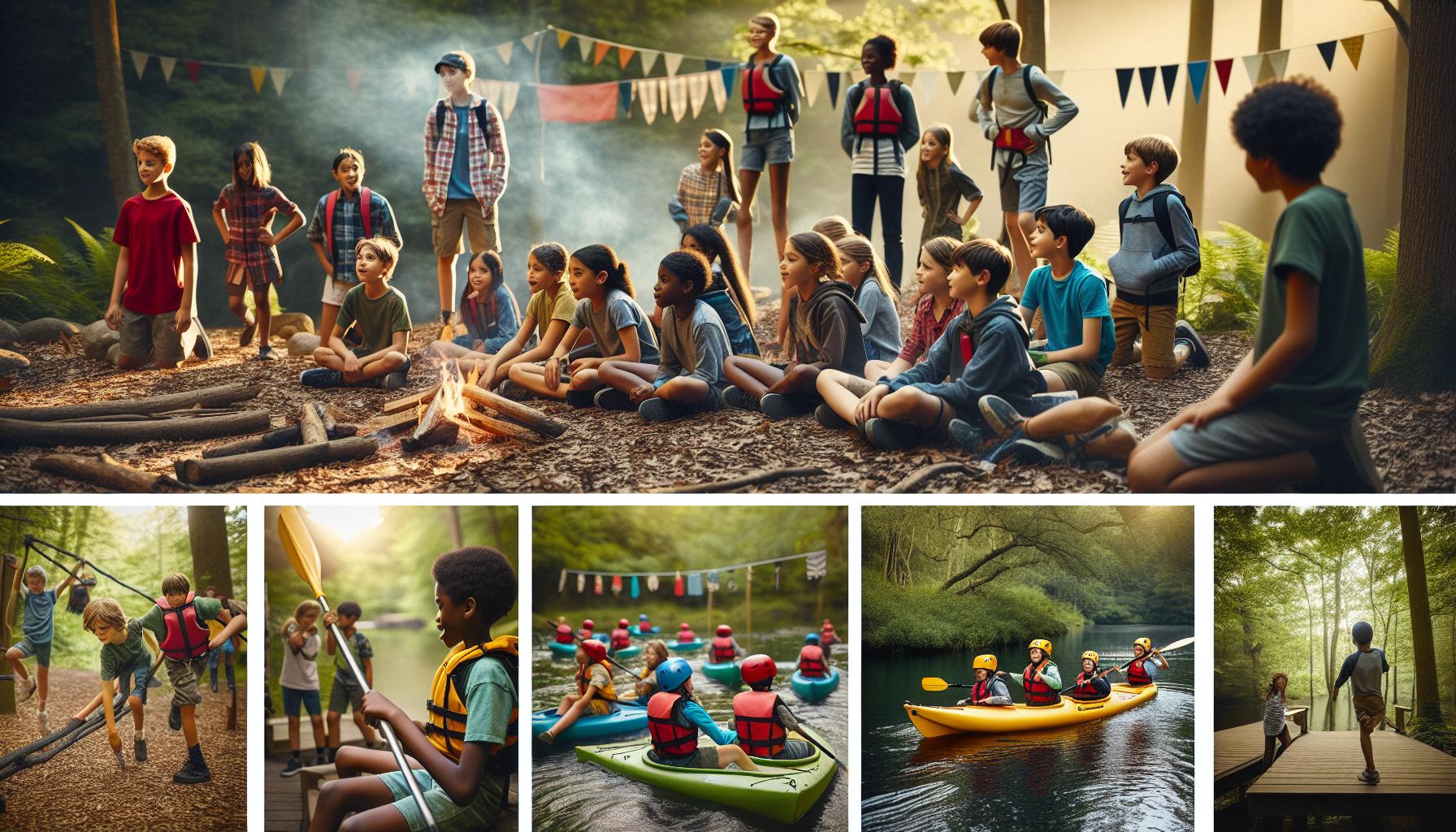
Enrolling your child in an adventure day camp can be a transformative experience, sparking imagination and encouraging personal growth in ways that traditional schooling may not. Adventure camps offer a vibrant alternative to the conventional summer experience, immersing kids in an environment that fosters exploration, learning, and fun. Expect your child to wake up every morning filled with anticipation for the day’s activities, which often include a variety of outdoor adventures-like hiking, team sports, and creative projects that build both physical skills and social connections.
These camps place a strong emphasis on active play and hands-on learning, allowing children to engage with nature and develop important life skills. From canoeing on a serene lake to tackling a climbing wall, each activity is designed not only to enhance physical fitness but also to nurture self-confidence and teamwork. Children will have ample opportunities to step outside their comfort zones, whether it’s trying a new sport or leading a group project. This active engagement helps them develop resilience and problem-solving abilities as they navigate challenges and celebrate accomplishments throughout the day.
At adventure day camps, children thrive in a community setting, surrounded by peers who share their interests and passions. They’ll forge friendships that can last a lifetime, as they collaborate and communicate in a spirit of camaraderie. This social aspect is not merely an added benefit; it is essential for personal development, teaching children the importance of empathy, cooperation, and respect for diversity. As your child interacts with others in a supportive environment, they will learn valuable social skills that extend far beyond the camp experience.
As you consider adventure day camps for your child, plan to foster their excitement while ensuring they understand what to expect. Discuss the camp’s schedule, highlight special activities, and encourage your child to express any concerns. This preparation will help them feel confident and ready to embrace the adventure ahead. With so much to gain from these experiences, your child is likely to return home with wonderful stories, new skills, and a brighter outlook on life.
Benefits of Active Summer Programs for Children

Active summer programs provide a treasure trove of benefits that can shape a child’s development in profound ways. One striking fact is that children participating in structured outdoor programs are more likely to develop a lifelong love for physical activity, which is crucial in combating rising obesity rates and fostering overall health. Beyond mere fitness, these programs cultivate essential social skills as kids navigate friendships, teamwork, and conflict resolution in a dynamic environment.
In an adventure day camp, children engage in diverse activities-from hiking through natural landscapes to engaging in cooperative games. This variety ensures that every child can find something they excel at or enjoy, which boosts self-esteem and confidence. Hands-on activities encourage exploration and creativity; whether they are building a fort, crafting nature art, or learning survival skills, children not only acquire new competencies but also learn the value of perseverance and trying new things.
Another significant advantage is the opportunity for personal growth and resilience. In the face of challenges-like grasping the technique of climbing or mastering a new sport-children learn to handle setbacks with grace. They begin to understand that failure is a part of learning, gaining a coping mechanism that will serve them throughout their lives. Adults often laud the skills learned in these high-adventure settings, claiming that camps hone leadership qualities and instill a sense of responsibility-all while having fun!
Lastly, the lasting connections formed in these programs contribute to emotional well-being. As friends gather around a campfire after a day of adventures, bonds are forged that withstand the test of time. By sharing experiences, children build a network of support, leading to increased empathy and social awareness. These elements combine to create not just unforgettable summertime memories but skill sets and friendships that enrich their lives long after camp ends.
Top Types of Activities Offered at Adventure Camps
Adventure camps are a treasure trove of experiences, where children get to explore the great outdoors while engaging in a plethora of exciting activities. These action-packed days not only ignite their curiosity about nature but also help build confidence, teamwork, and countless skills. From dawn till dusk, the camps are designed to keep children on their toes, ensuring that every moment is filled with adventure and learning.
Popular Activities at Adventure Camps
One of the standout features of adventure camps is their diverse range of activities that cater to various interests and abilities. Here’s a glimpse of what kids can expect:
- Hiking and Nature Exploration: Kids often embark on guided hikes, exploring local flora and fauna, which fosters a love for nature and environmental stewardship.
- Water Sports: Many camps offer activities such as kayaking, canoeing, or sailing, providing thrilling ways to enjoy and learn about water safety and teamwork.
- Rock Climbing: Whether it’s indoor or exterior climbing walls, this exhilarating challenge builds strength and promotes confidence as child conquer new heights.
- Team-Building Games: Engaging in cooperative games helps children develop social skills, teaching them about teamwork and communication while having fun.
- Creative Arts: Activities like nature crafts, painting, or photography allow children to express their creativity and discover their artistic talents.
- Adventure Challenges: Obstacle courses and problem-solving challenges not only test physical endurance but also encourage critical thinking and resilience.
Unique Experiences and Learning Opportunities
The integration of educational content within fun activities is what sets adventure camps apart. For instance, while learning survival skills like fire-building and shelter-making, children gain practical knowledge that promotes self-reliance. Many camps also emphasize environmental education, teaching kids about ecosystems, wildlife conservation, and the importance of sustainable practices.
Overall, the activities are crafted to cater to a wide spectrum of interests, ensuring every child finds their niche and shines. This not only nurtures their existing passions but also encourages them to step out of their comfort zones, making new friends and countless memories along the way. Whether they’re climbing a rock face or crafting a nature-inspired masterpiece, the adventure camp experience leaves a lasting impact on their growth and development.
Choosing the Right Adventure Camp for Your Child
Selecting the ideal adventure camp for your child can feel like an adventure in itself. With various options available, each offering unique experiences, it’s crucial to consider what resonates best with your child’s interests, personality, and developmental needs. A well-chosen camp can unlock new passions and foster friendships that last a lifetime.
Start by assessing your child’s interests and existing skill levels. If they’re already captivated by water sports, look for a camp that offers kayaking or sailing. On the other hand, if they crave creativity, seek out programs that incorporate arts and crafts alongside outdoor activities. Here are some questions to guide your selection:
- What activities does my child enjoy? Focus on camps that align with their hobbies – be it hiking, climbing, or crafting. A passion-driven camp experience will keep their enthusiasm high.
- What values or lessons do I want my child to gain? If environmental education is a priority, opt for camps with strong conservation programs.
- What is my child’s comfort level with new experiences? If they are shy or hesitant, consider programs with a more nurturing approach, while extroverted children might thrive in larger camps with more social opportunities.
Safety and staff qualifications are also paramount when choosing a camp. Look for camps that prioritize safety protocols, including certified lifeguards for water activities and trained counselors for adventure sports. Reviewing camper-to-counselor ratios can give you peace of mind regarding attention and supervision. Programs with a strong emphasis on staff training typically ensure not only a better camp experience but also a safer environment.
Lastly, don’t forget to review the camp’s daily schedule and activities. Some camps blend daily camping activities with unique themes, like technology or cultural immersion, that can spice up the routine. Understanding how a typical day flows-from morning activities to evening wind-downs-can help your child mentally prepare for the adventure ahead. Engage your child in the decision-making process by discussing what excites them about camp, fostering a sense of ownership and enthusiasm.
By taking a thoughtful approach and considering both your child’s interests and the essential safety and educational components, you can make an informed decision that will lead to an enriching adventure camp experience. Embrace the excitement of this journey as you prepare for a summer filled with laughter, learning, and valuable memories!
Safety Measures and Staff Qualifications in Camps
Ensuring the safety of children at adventure camps is paramount, and reputable camps take this responsibility seriously. Camps implement a variety of safety measures, including rigorous protocols and staff training, to create a secure environment where kids can explore and learn without worry. For parents, this peace of mind is crucial when choosing a camp. Many camps feature certified lifeguards for water activities, experienced instructors for rock climbing, and trained counselors who understand wilderness safety. It’s vital to inquire about these qualifications to confirm that the staff has the skills necessary to handle emergencies.
A key aspect of safety is the camper-to-counselor ratio. Lower ratios can provide individualized attention and foster better supervision. A camp with a ratio of 5:1 or 6:1 ensures that each child receives the necessary care and guidance, reducing risks associated with outdoor activities. Additionally, many camps conduct regular safety drills, teach emergency protocols, and have first-aid trained staff members on-site. This focus on preparedness equips both staff and campers with the necessary knowledge to respond effectively in case of unexpected situations.
Moreover, counselors often receive comprehensive training that includes not only physical safety protocols but also emotional support strategies. They learn how to recognize signs of discomfort or distress in children, ensuring that every camper feels supported and secure. Examples of this could include specialized training programs focused on conflict resolution, mental health awareness, and inclusive practices for children with diverse needs.
When evaluating a camp, consider asking about their safety record and if they have a clearly defined emergency action plan. Camps that are transparent about their safety measures and staff training instill confidence in parents. By prioritizing safety through trained staff and established protocols, adventure camps can provide enriching experiences that help children grow while ensuring they play in a safe environment.
How to Prepare Your Child for Camp Success
Getting ready for adventure day camp can be just as exciting as the camp itself! To ensure your child has a smooth transition into their summer experience, preparing them ahead of time is essential. This preparation can significantly boost their confidence and excitement, helping them tackle new experiences with a positive mindset. Here are some strategies to help you get started.
First, create a camp preparation timeline. Start a few weeks before the camp begins, giving your child ample time to adjust. Discuss the camp activities and what they might expect, sparking their curiosity about the adventures ahead. Make a checklist of items they will need, including clothing, gear, and personal supplies. Involving your child in the packing process can make them feel more in control and excited about what they will bring.
Next, focus on fostering independence and resilience in your child. Adventure camps can involve new challenges, so preparing your child mentally is crucial. You can set up small challenges at home, such as learning to tie their shoes, pack their backpack, or even spend a night at a friend’s house. Role-play scenarios they might encounter at camp-like making new friends or trying an activity they feel unsure about-will help them build confidence. Reinforce that it’s okay to feel nervous about new experiences but encourage them to embrace the adventure!
Additionally, talk about setting expectations for behavior and communication. Help your child understand the importance of being respectful to peers and counselors and remind them that they can always approach an adult if they feel uncomfortable or need help. Establish a communication plan so they know how and when they can reach out to you, easing any anxiety they might have about being away.
Finally, encourage your child to connect with their future camp friends before the first day. Many camps host meet-and-greet events or have online platforms where campers can connect. These interactions can create a sense of belonging and ease first-day jitters. Preparing them for the camp experience in a fun, engaging way will help set the tone for a truly memorable summer filled with growth, adventure, and friendships.
Cost Breakdown: Budgeting for Adventure Camps
Calculating the costs of adventure day camps can seem daunting at first, but breaking down the expenses can help you budget effectively and ensure your child has a fantastic summer experience without financial strain. Typically, the cost of an adventure camp varies widely based on location, duration, and the types of activities provided. On average, parents can expect to pay anywhere from $200 to $1,000 for a week-long camp, depending on these factors.
Key Cost Factors
When budgeting for your child’s adventure camp, consider the following areas:
- Camp Type: Specialty camps, such as those focusing on sports, arts, or sciences, tend to be more expensive than general adventure camps due to specialized materials or instructors.
- Duration: Full-day camps may have higher fees than half-day sessions, as they often include more activities and structured time.
- Location: Camps in urban areas usually charge more than rural or less populated locations, reflecting local cost-of-living differences.
- Supplies and Equipment: Some camps provide necessary gear or materials, while others may require parents to supply items, impacting the overall cost.
Hidden Costs to Watch For
It’s also crucial to consider additional expenses that may not be upfront. Look out for:
- Registration Fees: Many camps charge a non-refundable registration fee, which may be separate from the camp tuition.
- Transportation: If the camp does not provide transportation, you may need to factor in the cost of gas or bus fares.
- Meals: Camps that do not offer meals may require you to pack lunch and snacks, adding to your grocery bill.
- Aftercare Programs: If you work during the day, consider the costs of aftercare services, which can significantly increase your total expenditure.
By taking the time to explore these factors and plan ahead, you can navigate the cost of adventure camps effectively. Don’t forget to ask about sibling discounts or financial aid options, which many camps offer to help make their programs accessible to more families.
Daily Schedules: What a Typical Camp Day Looks Like
A typical day at an adventure camp is packed with excitement and discovery, designed to keep kids engaged both physically and mentally. These camps aim to create an environment where children can explore their interests, make new friends, and develop essential life skills. Here’s a glimpse into the daily routine that makes adventure camps such a rewarding experience for young campers.
Morning Activities
Campers start their day off with a hearty breakfast, fueling up for a day full of adventure. Mornings often begin with a warm-up session or group meeting to outline the day’s schedule and objectives, fostering teamwork and camaraderie among participants. Following this, kids might dive into various activities tailored to their interests, such as:
- Outdoor Exploration: Nature hikes and scavenger hunts help children connect with the environment around them.
- Creative Arts: Workshops may include painting, crafting, or music, allowing kids to express themselves creatively.
- Team Sports: Engaging in sports such as soccer, basketball, or obstacle courses promotes physical fitness while encouraging teamwork.
Afternoon Adventures
After a well-deserved lunch, the fun continues with themed activities or excursions. Depending on the camp’s focus, afternoons are perfect for adventure sports like kayaking, rock climbing, or zip-lining for those seeking thrills. These activities not only build physical skills but also boost confidence as children push their boundaries.
Additionally, many camps incorporate educational sessions about local wildlife or environmental stewardship, seamlessly blending fun and learning. Campers might also participate in group challenges that emphasize problem-solving skills and strategic thinking.
Evening Reflection and Bonding
As the day winds down, campers return to their base for a closing circle, where everyone gathers to share their experiences, reflect on the day’s activities, and celebrate successes. This helps reinforce their social bonds and builds a supportive community.
Dinner is often a lively event filled with laughter and stories, followed by evening activities such as campfires with storytelling, stargazing, or even talent shows that let campers shine in a supportive environment.
This structured yet flexible schedule is key to ensuring children have a memorable and enriching camp experience, helping them gain new skills while forming lasting friendships. By immersing kids in such a dynamic atmosphere, adventure camps not only entertain but also foster personal growth and resilience.
Parent Testimonials: Real Experiences from Adventure Camps
As summer unfolds, parents frequently seek reassurance about their children’s adventure camp experiences. Testimonials from families can offer insightful perspectives and spark enthusiasm for what awaits.
One parent, Sarah, shared how her son came back from his first week at camp, bubbling with excitement and confidence. “He conquered his fear of heights during the rock climbing activity and even made new friends! I never expected him to come home chatting about how he wants to try kayaking next.” This transformation underscores the impact adventure programs can have in promoting personal growth and fostering new interests.
Another mother, Emily, highlighted the importance of socialization in her daughter’s camp experience. “At first, she was nervous about being away from home. But by the end of the week, she had formed strong bonds with her cabin mates and even participated in the talent show, something I never thought she would do!” Such testimonials reflect the potential of adventure camps to nurture not only personal skills but also lasting friendships, enhancing a child’s social development.
Parents often appreciate the structured environment that adventure camps provide. For instance, David spoke about the camp’s focus on safety and staff qualifications. “I feel so at ease knowing that trained professionals are guiding my children through these activities. The safety measures they implement allowed me to enjoy my time away from them too!”
The stories of families who have experienced these programs speak volumes about the balance of fun, learning, and personal development that adventure camps offer, making them a prime choice for summer activities. From building resilience through challenges to creating lifelong memories, these testimonials reinforce the idea that adventure camps are more than just a summer pastime-they’re a springboard for future growth.
Building Lasting Friendships: The Social Benefits of Camp
Adventure camps offer a dynamic environment where children not only engage in exhilarating activities but also develop essential social skills and forge lasting friendships. Picture your child returning from camp, bubbling with stories of shared experiences, adventures, and laughter. These bonds are often formed during group challenges that foster teamwork, helping campers connect on a deeper level.
Participating in group activities, such as group hikes, team sports, or cooperative games, encourages children to communicate and collaborate, breaking down social barriers. Campers from diverse backgrounds come together, providing a rich tapestry of relationships that might not exist in their everyday lives. For instance, during a kayaking excursion, your child might find themselves cheering for a new friend facing the challenge of navigating rapids, building a camaraderie that extends beyond the camp experience.
The Thrill of Shared Experiences
The thrill of shared experiences is a unique aspect of camp life that deepens friendships. Whether it’s witnessing a stunning sunrise after an overnight camping trip or celebrating a personal accomplishment, such as overcoming a fear during a ropes course, these moments create shared memories. Campers often reminisce about these experiences, which can strengthen their bonds long after the summer ends.
Moreover, adventure camps offer an informal setting that encourages kids to step outside their comfort zones. The excitement of new activities provides a natural conversation starter, making it easier for campers to connect. Activities like campfires, talent shows, or evening games can lead to unplanned moments of joy, laughter, and even vulnerability, all of which are pivotal in forming meaningful connections.
Building a Network for Life
The friendships formed at camp can also serve as a foundational network for children as they grow. Many campers leave with lifelong friends and a sense of belonging that boosts their confidence and emotional intelligence. These relationships often extend beyond camp as campers stay in touch through social media or reunions, supporting each other in different life stages such as school transitions and personal challenges.
In conclusion, adventure camps cultivate rich social experiences that benefit children not only during the camp season but also for years to come. By providing a space where fun meets friendship, children emerge not only with new skills and memories but also with connections that enrich their lives.
Environmental Education: Connecting Kids with Nature
Imagine your child gathering around a crackling campfire, eyes wide with wonder as they learn to identify constellations or share stories about the local wildlife. Adventure day camps create the perfect backdrop for environmental education, connecting kids with nature in a hands-on manner that inspires a lifelong appreciation for the natural world. Through activities like hiking, canoeing, and gardening, children immerse themselves in the beauty and intricacies of their surroundings, fostering curiosity and respect for the environment.
One of the most engaging ways adventure camps facilitate environmental education is through experiential learning. Here, kids might participate in interactive workshops that teach them about local ecosystems and conservation efforts. Activities can include:
- Guided Nature Walks: Experts can show campers how to observe plants and animals in their natural habitat, highlighting the importance of biodiversity.
- Wildlife Identification: Kids learn to recognize various species, helping them understand the role each plays in its ecosystem.
- Eco-Friendly Crafts: Using natural materials, campers can create art projects that promote sustainability, reinforcing the idea of reusing and recycling.
The practical skills gained during these activities empower children with knowledge about environmental stewardship. For example, they might participate in community clean-up days, learning the impact of litter on wildlife and the importance of keeping natural spaces healthy. This hands-on approach not only enhances understanding but also allows campers to contribute actively to their communities.
Moreover, adventure camps often leverage their natural settings to teach about conservation and sustainability practices. Kids might engage in seed planting, pollinator gardens, or even composting programs, directly connecting their actions to the health of the planet. Through these initiatives, campers experience the satisfaction of making a positive impact, igniting a passion for environmental advocacy that can last well beyond their camp experience. By weaving environmental education into their activities, adventure camps nurture a generation of informed and engaged individuals committed to protecting the world around them.
Understanding Different Camp Themes and Specialties
Adventure day camps offer a rich tapestry of themes and specialties designed to cater to varying interests and promote unique skills among children. Whether your child is inclined toward nature, arts, sports, or technology, you’ll find a camp with a theme that ignites their passion and fosters growth. Understanding these different themes can help you make an informed choice, ensuring that your child’s camp experience is both enjoyable and enriching.
One popular camp theme revolves around nature and outdoor survival. These camps immerse kids in the great outdoors with activities like hiking, rock climbing, and wildlife monitoring. Children learn practical skills, such as building shelters or identifying edible plants, encouraging confidence and self-reliance. For those with a passion for science, programs in STEM (Science, Technology, Engineering, and Mathematics) bring together fun challenges, from coding robotics to conducting chemistry experiments, enabling children to develop critical thinking and problem-solving skills in a hands-on setting.
For the creatively inclined, arts and crafts camps provide a space for children to express themselves through painting, music, or drama. These camps often culminate in performances or exhibitions, giving kids a platform to showcase their talents and build their confidence. Additionally, sports-themed camps cater to young athletes eager to hone their skills in soccer, basketball, or swimming, while also emphasizing teamwork and sportsmanship, essential elements that extend beyond physical activity.
When selecting a camp, consider your child’s interests and strengths. It’s also beneficial to look into the qualifications and expertise of the camp’s staff, as well as the camp’s daily structure. Many reputable camps utilize specialized instructors, ensuring that your child not only has a fun and engaging experience but receives quality instruction tailored to their chosen activity.
No matter the theme, adventure camps are crafted to instill confidence, expand horizons, and create lasting memories. Engaging your child in a camp that aligns with their interests can enhance their summer experience, providing opportunities for friendship, development, and fun in a supportive and dynamic environment.
Q&A
Q: What age groups are suitable for Adventure Day Camps?
A: Adventure Day Camps typically cater to children aged 5 to 15 years. Programs are often tailored to various developmental stages, ensuring appropriate activities for younger children and more challenging adventures for older youths. Check the camp specifics for age-related offerings.
Q: How do I find the best Adventure Day Camp in my area?
A: To find the best Adventure Day Camp, consider searching local listings and reading online reviews. Resources like community forums and social media groups can provide insights. Visit camps in person, if possible, to gauge their environment and staff. Explore our section on Choosing the Right Adventure Camp for Your Child for more tips.
Q: What should I pack for my child attending Adventure Day Camp?
A: Essential items for Adventure Day Camp include sunscreen, a reusable water bottle, a hat, comfortable clothing, and sturdy shoes. Don’t forget personal items like a towel, swimwear, and any necessary medications. Preparing a checklist can help ensure nothing is overlooked.
Q: What type of meals are provided at Adventure Day Camps?
A: Many Adventure Day Camps provide healthy snacks and lunches catered to children’s dietary needs, but some camps may require you to pack meals. Always check the camp’s policy and inform them of any food allergies. For meal preparation tips, see our How to Prepare Your Child for Camp Success section.
Q: Are Adventure Day Camps safe for kids?
A: Yes, safety is a top priority at Adventure Day Camps. Camps implement strict safety protocols, including trained staff and emergency procedures. Always inquire about specific safety measures and staff qualifications to ensure your child’s well-being. For more insights, check our Safety Measures and Staff Qualifications in Camps.
Q: What if my child has special needs?
A: Many Adventure Day Camps are equipped to support children with special needs. It’s essential to communicate your child’s requirements to camp staff when enrolling. They can provide tailored accommodations to ensure your child enjoys a fulfilling camp experience.
Q: How can children benefit socially from Adventure Day Camps?
A: Adventure Day Camps promote social skills through group activities, fostering teamwork and communication among peers. Kids build friendships by participating in collaborative challenges and overcoming obstacles together. Discover more on this in our Building Lasting Friendships: The Social Benefits of Camp section.
Q: Can parents visit the camp during the session?
A: Most Adventure Day Camps have specific visitation policies. Generally, parents are encouraged to participate during family days or special events. Check with your camp for their guidelines, and consider visiting during scheduled open houses to see the camp environment first-hand.
In Summary
Ready to embark on an unforgettable summer adventure? At Adventure Day Camp, we offer active programs designed to keep kids engaged, energized, and excited. With a focus on fun and learning, our camp creates lasting memories while fostering teamwork and skills development. Don’t miss out-the sooner you enroll, the sooner your child can join in the excitement!
Explore our website for detailed insights on camp schedules, pricing, and daily activities. Interested in other engaging experiences? Check out our related pages on summer safety tips and parent testimonials. We invite you to sign up for our newsletter to stay updated on all the latest events and offers. Let’s make this summer one to remember-enroll now and begin your adventure today!
Get our latest guides, news, and insights highlighted in your Google Search & AI Overviews.


