
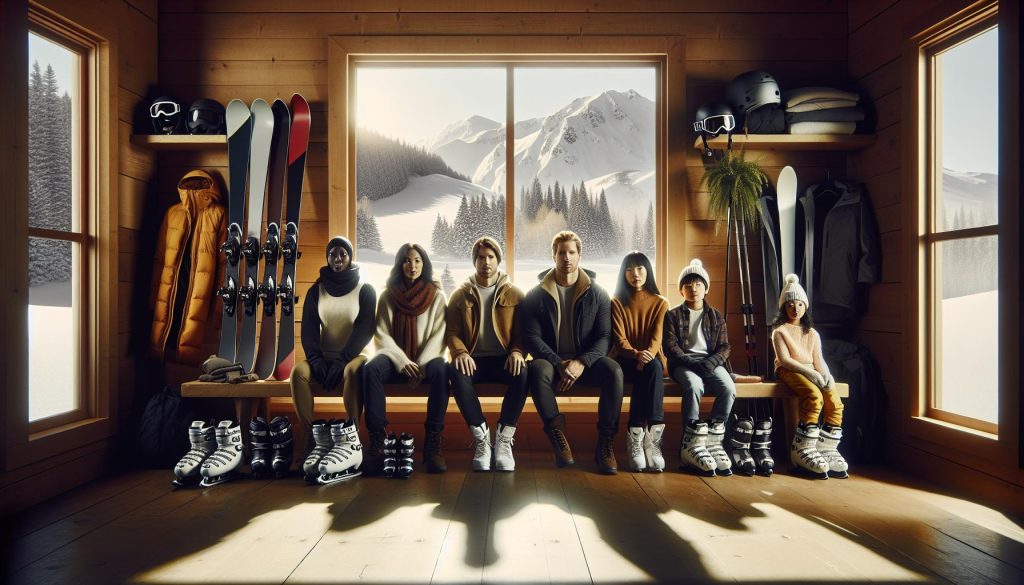
As you prepare for the exhilarating rush of carving through powdery slopes, the last thing you want is to be caught unprepared. Packing for a ski trip can be daunting, with the need to balance warmth, functionality, and style. A well-thought-out packing list ensures you have everything from essentials like your ski gear to cozy après-ski attire, making your adventure as enjoyable as possible. Whether you’re a seasoned skier or a first-timer, knowing what to bring can enhance your experience on the mountain. In this guide, we’ll cover everything you need for the perfect skiing getaway, helping you avoid common pitfalls and embrace the thrill of the slopes with confidence. Let’s dive into what you should pack and make your trip unforgettable!
Essential Gear for Your Ski Trip Adventure
Adventure awaits you on the slopes, but before hitting the powder, ensuring you have the right gear is paramount for a successful ski trip. Essential items are not merely extras; they are crucial for safety, comfort, and enjoyment. From helmets that protect your head during quick descents to goggles that enhance visibility amidst snowy flurries, every piece of gear plays a significant role. Here’s a rundown of must-have items to pack for your ski adventure.
Core Ski Equipment
Your ski or snowboard setup is your first priority. If you already own skis or a snowboard, make sure they are tuned and ready for the season. For those renting, consider your skill level and the conditions you’ll encounter. Beginners might opt for wider skis for stability, while experienced skiers can choose narrower, faster options.
- Skis or Snowboard: Opt for gear that complements your skill level.
- Bindings: Ensure they’re compatible with your boots.
- Boots: Comfortable, fitted boots are crucial-too tight or too loose can lead to a less enjoyable day on the slopes.
Protective Gear
Safety gear is non-negotiable. Helmets are now standard on the slopes, providing essential protection against falls. Take the time to try on different styles to find the best fit. Additionally:
- Goggles: Look for ones with good UV protection and anti-fog features so you can see clearly.
- Wrist Guards: Particularly useful for snowboarders, these help protect against common wrist injuries.
Clothing Essentials
Layering is key to staying warm and dry. Start with moisture-wicking base layers, add insulating mid-layers, and finish with waterproof outer layers.
- Base Layers: Opt for thermal tops and bottoms that keep you warm without trapping moisture.
- Insulating Layers: Fleece or down jackets make excellent mid-layers.
- Outer Shell: Waterproof and breathable jackets and pants will protect against snow and wind.
Additionally, consider carrying extra gloves or mittens and a neck gaiter or scarf to keep warm during breaks.
Accessories and Extras
Don’t underestimate the smaller items that significantly enhance your comfort. Here’s a quick checklist:
- Ski Socks: Invest in good quality ski-specific socks that wick moisture.
- Sun Protection: Sunscreen and lip balm with SPF to protect against the sun’s rays reflecting off the snow.
- Backpack: A small backpack can be handy for carrying water, snacks, or additional layers.
With the right gear, your ski trip can transform from a battle against the elements to an exhilarating experience filled with joy on the slopes. Embrace the adventure, pack smart, and get ready to carve up some snow!
Layering Basics: Dressing for Success on the Slopes
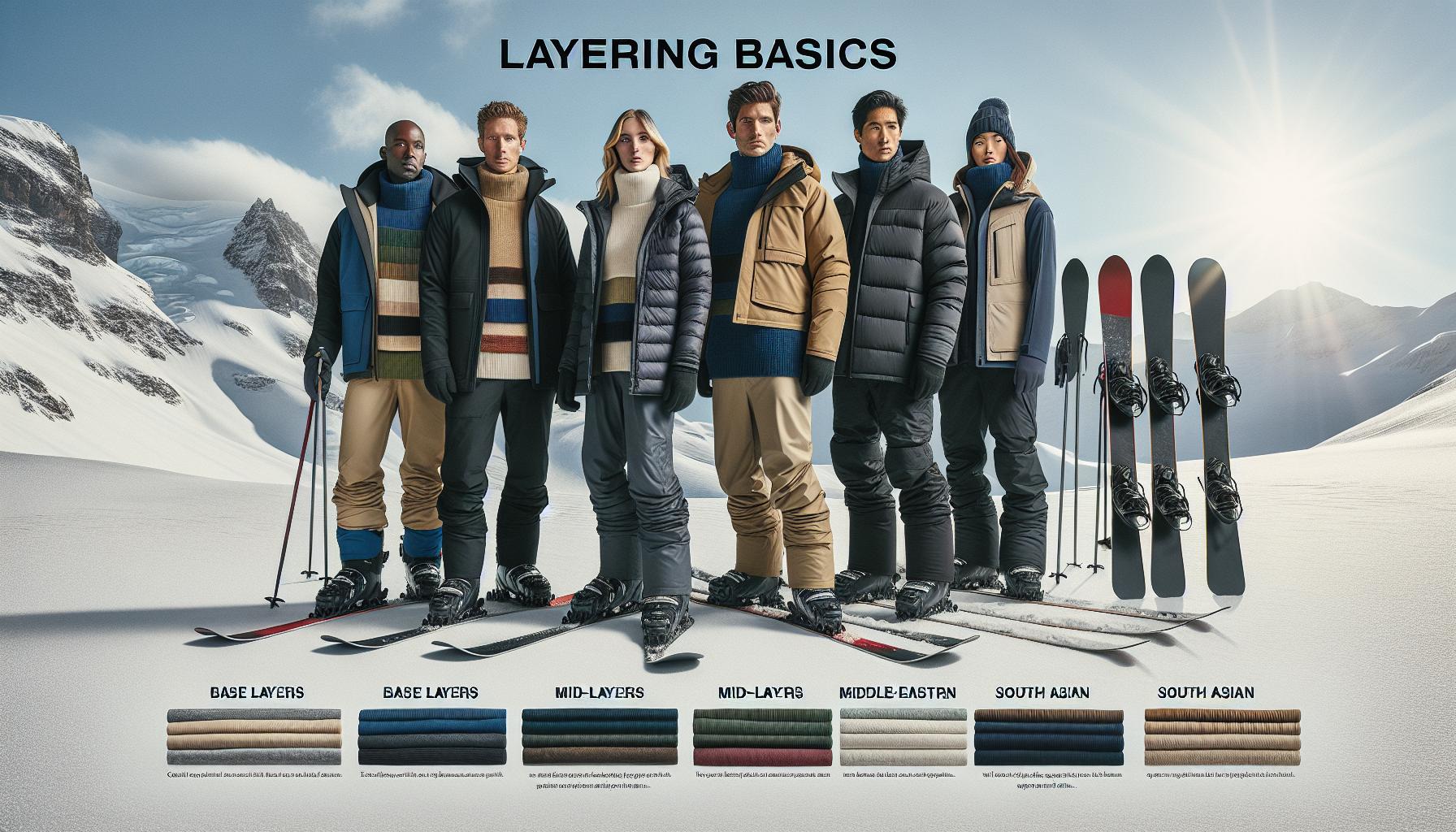
Whether you’re gliding through powder or carving up groomed trails, the key to an enjoyable day on the slopes starts with how well you dress. Layering your clothing effectively can make the difference between feeling icy and uncomfortable or cozy and ready to tackle the next run. Understanding the principles of layering will not only keep you warm and dry but also allow for easy adjustments as you move through changing temperatures and exertion levels.
Begin with a high-quality base layer that fits snugly against your skin. Materials like merino wool or synthetic blends are excellent choices because they wick moisture away from your body, keeping you dry and warm. It’s essential to avoid cotton, as it retains moisture, leading to chilling conditions. Think of it as your second skin-a layer that traps body heat while allowing sweat to evaporate.
Next, an insulating mid-layer serves to bolster warmth. Fleece jackets or down vests work wonderfully here, providing light insulation that won’t weigh you down. This layer is where you can get creative: a thicker sweater for colder days or a lighter fleece when the sun is shining brighter. The goal is to maintain warmth without overdoing it, as you’ll often need to adjust your layers depending on your activity level.
Finally, an outer shell is your first line of defense against the elements. Look for jackets and pants that are waterproof and breathable to protect you from snow and wind. Features to consider include adjustable cuffs, vents for airflow, and snow skirts-all designed to keep snow out while ensuring you stay comfortable. Enjoying a snow-filled day becomes much easier when you’re not battling gusts or wet fabric clinging to your skin.
In addition to the key layers, don’t forget accessories. Warm hats, balaclavas, and neck gaiters can provide necessary insulation to prevent heat loss from your head and neck. Good quality ski socks are another crucial piece-they’re not just thicker than regular socks; they are designed to fit snugly in your boots, preventing blisters and providing support where you need it most. With these layering basics in mind, you’re set for a successful day on the slopes, maximizing both warmth and comfort as you take on the mountains!
Must-Have Ski Accessories for Ultimate Comfort
When it comes to enjoying the exhilarating rush of skiing, the right accessories can transform your experience from good to unforgettable. Essential ski accessories are not just about style; they are about maximizing comfort, ensuring safety, and keeping you warm in unpredictable mountain conditions. Imagine navigating through fresh powder or zipping down groomed trails, all while feeling perfectly at ease thanks to thoughtfully chosen gear.
Key Accessories for Comfort and Safety
Investing in quality ski accessories is crucial for enhancing your time on the slopes. Here are some must-haves:
- Ski Goggles: Protecting your eyes from UV rays and wind is essential. Look for goggles that fit snugly but comfortably, with anti-fog features for clear visibility.
- Warm Gloves or Mittens: Hands can easily get cold, so opt for insulated gloves or mittens that allow dexterity for handling gear. Some models come with touchscreen-compatible fingers, which can be a game-changer.
- Neck Gaiters or Balaclavas: These provide extra warmth for your neck and face, preventing chill from biting winds. They can easily be pulled up or down based on your comfort and the weather.
- Good Quality Ski Socks: Ski-specific socks are designed to fit well in your boots, reducing the risk of blisters and providing essential cushioning where needed.
- Helmet: While it’s an obvious safety accessory, wearing a helmet gives peace of mind and should never be overlooked. Many models also come equipped with audio systems.
Additional Considerations
Ski accessories can also extend to practical tools that enhance safety and ease. For instance, a portable phone charger is invaluable for emergencies and capturing those breathtaking snowy landscapes. A compact backpack can hold your essentials, such as water and snacks, making it easy to stay hydrated and fueled up throughout the day. If you’re venturing into backcountry areas, consider a small first-aid kit or emergency beacon to ensure preparedness for unexpected situations.
Including these accessories in your packing list guarantees you’ll enjoy not only the thrill of skiing but also the comfort and safety to make each run truly spectacular. Tailor your choices based on personal needs and preferences, ensuring that every slope you tackle is a perfect blend of adventure and enjoyment!
Choosing the Right Ski Equipment for Your Skill Level
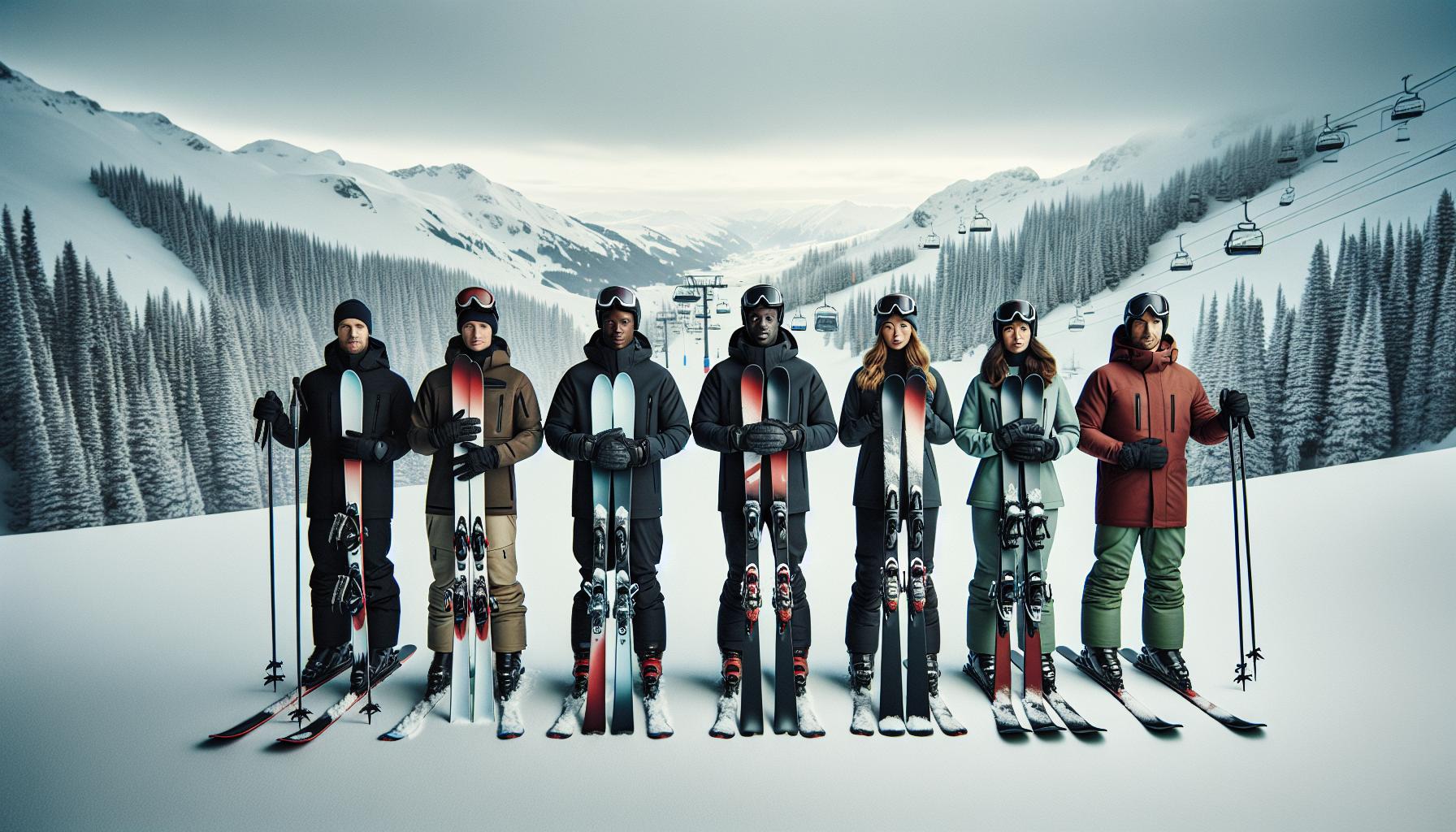
Choosing the right ski equipment is essential for having an enjoyable experience on the slopes, and understanding your skill level is the key to making these choices. Whether you’re a first-time skier or looking to upgrade your gear, selecting equipment tailored to your abilities will enhance both your performance and safety. Think of equipment not just as gear, but as an extension of your skiing journey.
For beginners, your focus should be on comfort and control. A softer-flexing ski will help you build confidence as you learn basic techniques like turning and stopping. It’s often beneficial to rent gear first; this allows you to try different styles without the initial investment. Look for skis that are shorter-typically around your chin height-as they are easier to maneuver.
Intermediate and advanced skiers require more specific gear that reflects their evolving skills. As you become more comfortable with your abilities, you might want to choose skis that suit your preferred style of skiing, be it all-mountain, powder, or park. Intermediate skiers can benefit from wider skis for stability at higher speeds. Advanced skiers should look for a stiffer flexing ski that offers better edge control-ideal for those daring descents through challenging terrains.
Don’t forget your boots and bindings in the equation. Proper boot fit is crucial-too tight, and you’ll suffer discomfort; too loose, and you risk losing control. A good rule of thumb is to ensure your toes barely touch the front of the boot when standing upright. As for bindings, they should match your skill level and be set to appropriate release settings based on your weight and ability to keep you safe while minimizing injury risk.
In summary, investing time in choosing the right ski equipment tailored to your skill level not only enhances your enjoyment but is vital to improving your technique and confidence on the slopes. Whether you opt for rental options or decide to purchase your own gear, aligning your choices with your skiing ability will set the stage for a fantastic winter adventure.
Packing List for Families: Skiing with Kids
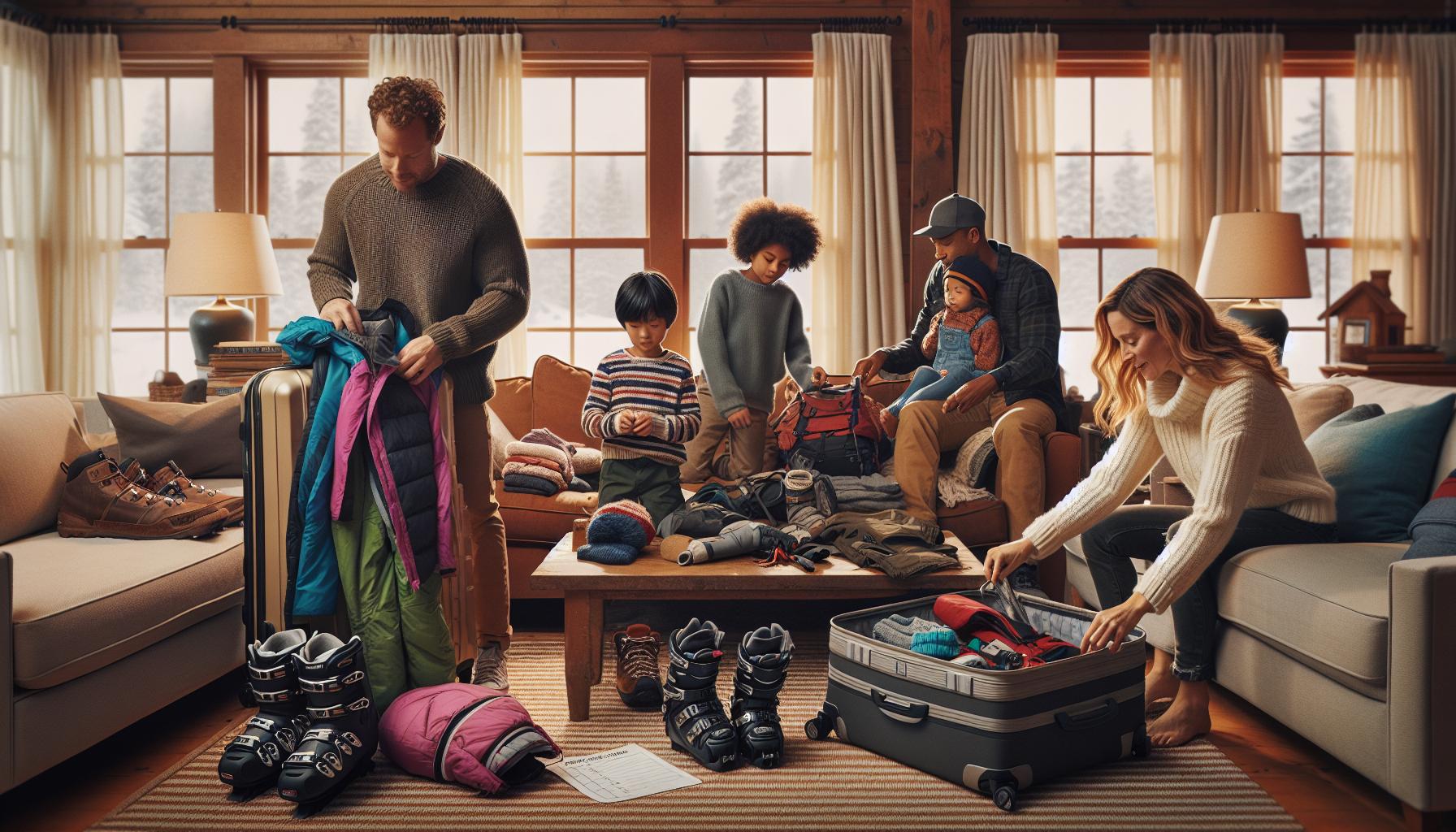
Creating unforgettable family memories on a ski trip can be as thrilling as the slopes themselves, but the right preparation is crucial, especially when skiing with kids. It’s essential to pack thoughtfully, ensuring everyone has everything needed for a safe and enjoyable adventure on the mountain. Get ready to embrace the snow with confidence!
Start by ensuring each family member has their ski apparel sorted. Children can be notorious for sudden changes in temperature, so layering is key. Consider packing:
- Ski Jackets and Pants: Waterproof and insulated options are a must.
- Base Layers: Thermal tops and bottoms to keep them warm.
- Mid Layers: Fleece or wool sweaters that can be easily removed on warmer days.
- Gloves or Mittens: Waterproof gloves are essential to keep hands warm and dry.
- Hats and Neck Gaiters: To protect against the cold and maintain warmth.
In addition to the essentials, make sure to include a few kid-specific items that can enhance their experience on the slopes. Fun ski gear like colorful helmets and goggles can help them feel excited about skiing. Also, consider packing snacks or energy bars to keep their energy levels up during breaks. A small backpack can be handy for carrying these munchies along with water bottles.
Your Skiing Kit
When it comes to ski gear, ensure that everything fits properly and is designed for their ski level. A good pair of rental skis or snowboards tailored for their height and weight can make a world of difference. If you’re buying gear, seek advice from experts at local ski shops to find what best suits your children’s abilities. Don’t forget about helmets, as safety is paramount, especially for young ones learning to navigate the slopes.
Entertainment and Comfort Items
After a day on the slopes, winding down is just as important as skiing itself. Packing compact entertainment items for your lodging can keep spirits high in the evenings. Think about board games, a portable game console, or books. Also, bringing along some cozy blankets and favorite toys can help provide comfort in chilly mountain accommodations.
By ensuring you have all the essentials packed, tailored for both comfort and safety, you’ll set your family up for an unforgettable ski experience. Embrace the excitement of skiing with kids, knowing you are well-equipped to tackle the slopes together!
Ski Trip Must-Haves: Tech Gadgets and Safety Gear
In today’s tech-savvy world, there is no shortage of gadgets that can enhance your skiing experience and keep you safe on the slopes. Whether you’re a seasoned pro or hitting the powder for the first time, packing the right tech and safety gear can make all the difference in your adventure. From smart gadgets that track your performance to essential safety gear, having these must-haves will allow you to focus on the thrill of the ski slopes.
Essential Tech Gadgets
Start with a reliable pair of ski goggles equipped with a heads-up display (HUD). These goggles provide real-time data such as speed, altitude, and distance, all while keeping your eyes protected from the elements. Some popular models even integrate with your smartphone for navigation and weather updates. A portable action camera can also be a fantastic addition; capturing your runs on video not only allows you to relive the excitement but can also aid in improving your technique when reviewing your footage later.
Another tech must-have is a ski app that helps track your skiing stats or connects you with fellow skiers. Apps like Ski Tracks or Snocru allow you to monitor your runs, speed, and even share your experiences with friends. For those who frequently ski in remote areas, consider bringing a GPS device that can function without cell service to ensure you stay on track.
Safety Gear You Can’t Ignore
Safety should always be at the forefront of your skiing adventure. A high-quality ski helmet is non-negotiable; make sure it fits well and complies with safety certification standards. Look for helmets with adjustable ventilation to keep you comfortable no matter the weather conditions. In addition, padded shorts and wrist guards can protect against falls, especially for beginners.
Lastly, consider investing in an avalanche transceiver if you plan to ski in off-piste or backcountry areas. This device can be a lifesaver in emergencies, assisting search teams in locating you quickly should an avalanche occur. Don’t forget to carry a small first-aid kit-having supplies like band-aids, antiseptic wipes, and pain relievers can be invaluable during your trip.
By integrating the right tech gadgets and safety gear into your packing list, you can ensure your ski trip is not only exhilarating but also safe and enjoyable. Preparing for the slopes with these essentials allows you to embrace the adventure with confidence, focusing on the unforgettable experiences that await.
Skis vs. Snowboards: Understanding Your Options
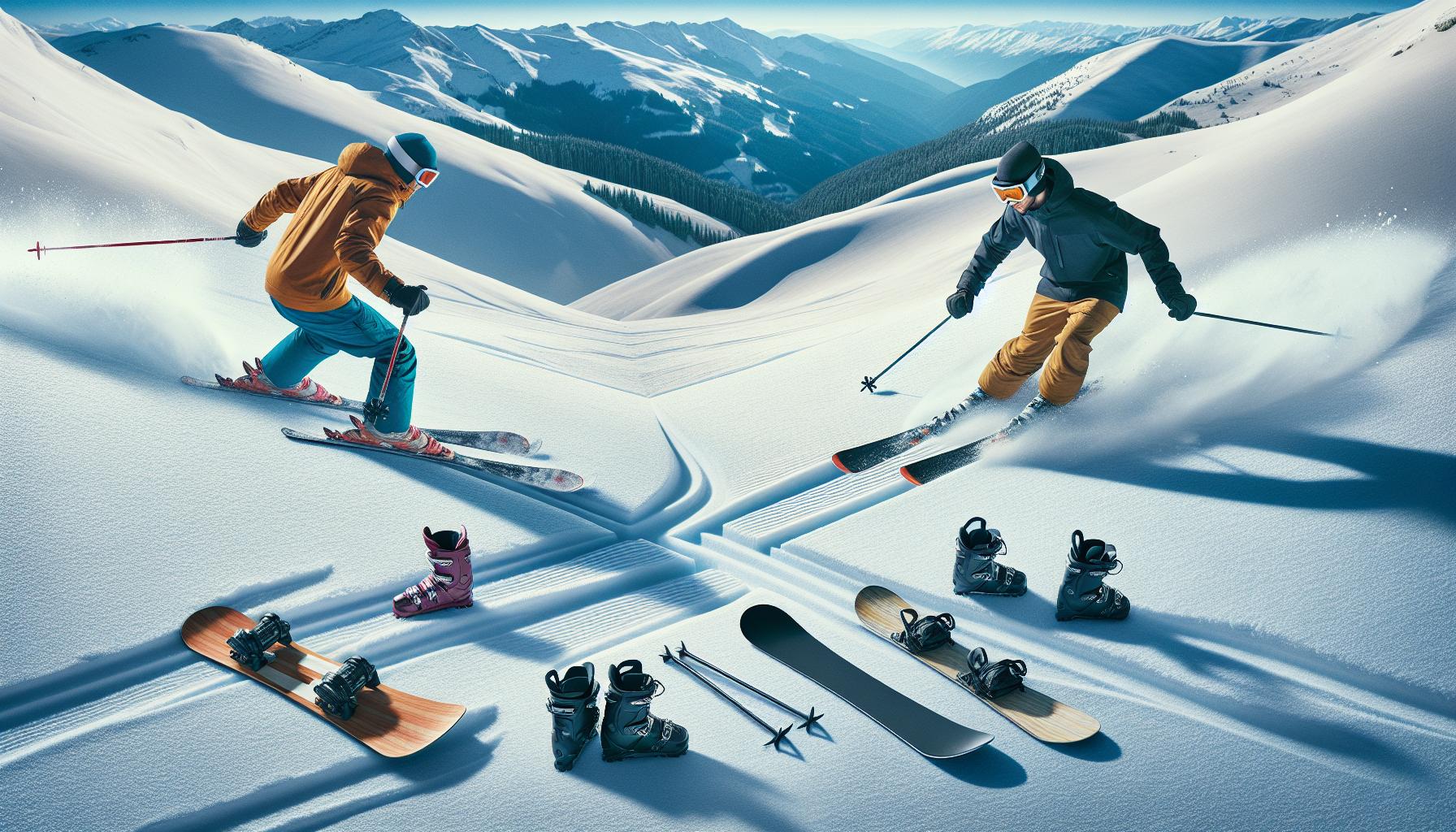
When planning your ski trip, deciding whether to ski or snowboard can significantly affect your overall experience. Each sport has its unique appeal, advantages, and challenges that cater to different preferences and skill levels. For those new to winter sports, understanding these options will help ensure you pack wisely and choose the right equipment.
Skiing typically allows for easier initial learning, where beginners can quickly get down a slope with the help of two separate skis. This can be particularly encouraging for those hesitant to try winter sports for the first time. Many people find they can make it down a run with minimal falling, which boosts confidence and encourages them to continue progressing. However, skiing generally requires more coordination, as the use of poles and separate leg movements can be challenging to master.
On the other hand, snowboarding often involves a steeper learning curve, especially during the first few days. Beginners tend to experience more falls, but once you’re past that initial phase, many find snowboarding to be easier to master in the long run. With both feet strapped to a single board, it can feel more stable for some, enabling smoother turns and a stronger connection with the snow.
You might also consider the conditions on the slopes when deciding between skis and a snowboard. In fresh powder, snowboarding is often preferred for its ability to float effortlessly on softer snow. Conversely, when the slopes are icy, skiing offers an advantage with its two edges, which provide better grip and stability.
For families or mixed groups, having both skis and snowboards available can be beneficial, allowing each member to choose their preferred method of sliding down the mountain. This flexibility can enhance the experience for everyone involved. Equip each individual with gear suited for their chosen activity, making your packing list more tailored and efficient. Ultimately, whether you opt for skis or a snowboard should align with your personal style and comfort level, setting the stage for an unforgettable adventure on the slopes.
After-Ski Essentials: Winding Down in Style
After a day of carving through fresh powder or gliding down slopes, the experience doesn’t end when you take off your ski boots. The after-ski phase is a vital part of the ski trip, full of chances for relaxation, entertainment, and connecting with fellow travelers. Whether you’re winding down in a cozy lodge or at a vibrant après-ski bar, having the right essentials at hand makes all the difference.
First, treat yourself to a refreshing change of clothes that prioritize comfort. Think fluffy sweaters, soft leggings, or thermal lounge pants-anything that allows your body to transition from the demanding slopes to a relaxed evening. A warm beanie or a stylish scarf can also add a cozy touch while keeping you warm as you enjoy the crisp mountain air. Don’t forget to pack moisture-wicking socks or slippers to pamper your feet after being cooped up in ski boots all day.
Next on your list should be some delightful treats to enhance your après-ski experience. A warm drink can be the highlight of winding down, so consider packing a portable thermos filled with hot chocolate or a favorite blend of tea to share with friends. If you can indulge, some local snacks-like cheese from a nearby market or homemade cookies-can elevate your relaxation time, allowing for a little taste of the region.
Finally, consider bringing along entertainment options for a fun evening with your group. Whether it’s a deck of cards for a game or a small speaker to set the ambiance with your favorite tunes, these small items can create lasting memories. If you’re staying in a rented cabin or lodge, don’t hesitate to pack a board game or two; these always provide a great way to engage with fellow skiers after a long day outdoors.
In short, the after-ski experience is about enjoying the simplicity and joy of good company, good food, and some well-deserved relaxation. With the right gear and a thoughtful approach to winding down, you can turn your ski trip into an unforgettable adventure both on and off the slopes.
Budgeting for Your Ski Trip: What to Expect
Planning a ski trip can feel overwhelming, especially when it comes to budgeting. Understanding the various costs involved will not only help you enjoy your adventure without financial stress but also ensure you make the most of your time on the slopes. From lift tickets to lodging, here’s what you need to know to keep your ski budget in check while making wonderful memories.
Start by evaluating the major expenses associated with skiing:
- Lift Tickets: These can vary significantly depending on the resort, with some prices exceeding $200 per day for adults. Look for multi-day passes or discounts on group bookings to save!
- Accommodation: Depending on your desired experience, lodging can range from budget-friendly hostels to luxury hotels. Booking in advance often yields better rates, and consider options like vacation rentals for families.
- Equipment Rental: If you’re not bringing your own gear, renting skis or a snowboard can be another major expense. Check if the resort offers package deals that include rentals with lift tickets.
- Food and Drink: While dining out slopeside can be convenient, it’s also costly. Pack snacks and drinks to save money, and consider grocery shopping for meals when staying in a rental.
- Transportation: Don’t forget to budget for how you’ll get to the mountains. If driving, account for gas and parking fees; if flying, explore shuttle options or car rentals.
When developing your budget, categorize your expenses and set limits for each category. This will help you avoid unexpected costs and still indulge in some fun activities, such as après-ski or local excursions. For instance, consider allocating funds for at least one night out to explore the local cuisine or enjoy nightlife, while balancing this against your overall ski costs.
Lastly, keep an eye out for off-peak deal weeks. Not only can you often find lower prices on various expenses during these times, but you’ll also encounter fewer crowds. With a bit of planning and a realistic budget, your ski adventure can be both enjoyable and affordable, allowing you to focus on carving out those perfect runs rather than worrying about your wallet!
Tips for Efficient Packing: Maximize Space with Ease
Packing for a ski trip can feel like an exercise in Tetris-every piece of gear must fit just right. To maximize space in your bags while ensuring you have everything needed for an exhilarating experience on the slopes, consider these practical tips that seasoned travelers swear by.
One effective strategy is to utilize packing cubes. These handy organizers can help you compartmentalize your clothing and gear, making it easier to locate what you need without rummaging through your entire suitcase. Allocate one cube for base layers and another for accessories. This keeps your ski socks paired and ensures your goggles won’t get scratched. Additionally, roll your clothes instead of folding them; this method compresses fabric, freeing up valuable space while helping to minimize wrinkles.
Choose Versatile Clothing
When selecting your wardrobe, opt for pieces that can serve multiple purposes. A thermal layer can function as both a base layer for skiing and a cozy top for evening outings. Similarly, a waterproof jacket can keep you warm on the slopes and stylish during après-ski activities. This approach not only streamlines your packing list but also allows for lighter luggage without sacrificing style or function.
Intelligent Footwear Selection
Footwear can take up a significant chunk of your suitcase. Instead of bringing several pairs, opt for a sturdy pair of snow boots that can provide warmth and traction on the mountain and around town. For skiing, prioritize packing your ski boots, which can often be the bulkiest item. Wearing them during travel saves space and keeps them from being damaged.
Utilize Every Nook and Cranny
Don’t overlook the little spaces. Stuff socks inside boots, and fill any gaps with smaller items like gloves and hats. Consider packing a duffel bag for your gear; it can be compressed when empty, making it easy to carry your belongings back home. Lastly, take advantage of your ski bag’s additional pockets to stow smaller accessories.
By applying these thoughtful packing strategies, you create a well-organized setup that allows you to embrace the thrill of your ski adventures without the hassle of excessive luggage. Keep your focus on enjoying the slopes while ensuring you have everything you need at your fingertips!
Traveling to the Slopes: Transportation Insights
Traveling to ski resorts is part of the adventure, and understanding your transportation options can enhance your experience significantly. Navigating the journey from your home or a nearby city to the slopes is an essential step in ensuring your ski trip is smooth and enjoyable. Whether you’re heading for a weekend getaway or an extended stay, making informed transportation choices is crucial for a hassle-free start to your winter escapade.
One popular option for large groups or families is to book a charter bus or minibus service, which can provide a comfortable and convenient way to travel. Services such as Whitecastle Tours offer group ski bus rentals that are designed specifically for ski trips. They provide transportation to top destinations like Boreal Mountain and Squaw Valley, allowing you to focus on having fun instead of worrying about parking or road conditions. By sharing the ride, you can also make the journey part of the experience, enjoying games or conversations with fellow travelers.
If you’re traveling with a smaller group or just your family, consider renting a car. This way, you have the freedom to set your own schedule and explore other nearby attractions or stops along the way. When choosing a vehicle, ensure you select one with enough space for skis and snowboards. Also, check local conditions and prepare your vehicle with appropriate tires for winter driving.
For those flying into the area, many resorts have shuttle services that can take you directly to your accommodations from the airport. Make sure to book these services in advance, especially during peak season, to guarantee your spot. Additionally, some transportation companies, like Summit Charter Services, offer flexible shuttle services directly from San Francisco to major Tahoe resorts, making it easy to get your ski gear on-site without any hassle.
No matter how you choose to travel, be sure to plan accordingly. Allow yourself plenty of time for road conditions, potential traffic, and finding parking at the resort. These thoughtful preparations can ensure that your arrival at the slopes is as stress-free and enjoyable as the days spent skiing there.
Winter Travel Hacks: Avoiding Common Packing Mistakes
When preparing for a ski trip, it’s easy to underestimate the importance of packing efficiently and correctly. Common mistakes can turn what should be a thrilling adventure into a stressful ordeal. Avoiding these pitfalls will not only save you time but can also enhance your overall experience on the slopes.
One of the primary packing mistakes is overpacking, particularly with clothing. While it might be tempting to bring multiple outfits for après-ski events or different skiing conditions, the reality is that layering is key to adaptability. Aim for versatile base layers and mid-layers that can be mixed and matched. Remember, your outer layer-a waterproof, insulated ski jacket-should suffice for most conditions. To streamline your packing, consider using compression bags for your clothing. These not only save space but also help separate wet items from dry ones.
Additionally, don’t overlook the essentials like ski socks, gloves, and hats. A single pair of high-quality ski socks is better than several cheap pairs. Invest in good ski-specific gear to ensure comfort and effectiveness. List out everything you need, and check it off as you pack. This reduces the likelihood of forgetting crucial items like your helmet or goggles.
Finally, use clear packing cubes or bags to organize your gear. By categorizing items-such as ski gear, accessories, and après-ski clothing-you can easily find what you need without rummaging through your entire suitcase. This simple organization technique can save precious time, allowing you to spend more moments enjoying the fresh mountain air and less time digging through your bags.
By implementing these hacks, your ski trip packing will be error-free, allowing you to focus on what really matters: having fun on the slopes!
FAQ
Q: What should I pack for a ski trip?
A: Pack essentials like ski gear (skis or snowboard, boots), clothing (thermal layers, waterproof jacket), and accessories (gloves, goggles). Don’t forget personal items like toiletries, sunscreen, and lip balm. Check out the full packing guide in our article for organizing your items effectively.
Q: How do I choose the right ski attire?
A: Opt for layers: a moisture-wicking base layer, insulating mid-layer, and waterproof outer layer. Ensure breathability and mobility in your clothing. Refer to the Layering Basics section of our article for more detailed advice on dressing for success on the slopes!
Q: Are there specific items to consider for skiing with kids?
A: Yes! When skiing with kids, pack kid-sized gear, warm layers, and safety equipment like helmets. Additional items like snacks and entertainment for down time are also crucial. Visit our Packing List for Families section for a more comprehensive guide.
Q: What tech gadgets should I bring on a ski trip?
A: Consider bringing a portable charger, GPS, and a ski-specific app for tracking stats. A small action camera can capture your adventures! For more tech insights, check out Ski Trip Must-Haves: Tech Gadgets and Safety Gear in our article.
Q: How can I maximize space when packing for a ski trip?
A: Use packing cubes to organize clothing by categories and roll your clothes for better compression. Prioritize essentials and leave behind non-essentials. For more tips, see our section on Tips for Efficient Packing to help you pack smart and travel light.
Q: What safety gear is essential for skiing?
A: Essential safety gear includes a helmet, goggles, and protective pads. Also, have a first aid kit on hand. For a more thorough dive into safety essentials, refer to Tech Gadgets and Safety Gear in our article.
Q: How should I budget for my ski trip?
A: Budget for lift tickets, equipment rental, accommodations, meals, and transportation. Consider costs for après-ski activities too. See our Budgeting for Your Ski Trip section for a detailed breakdown to help you plan effectively.
Q: When is the best time to go skiing?
A: The best time for skiing typically falls between December and March, with peak conditions often occurring mid-January to mid-February. Explore conditions further in the Traveling to the Slopes section of our article, which includes seasonal insights.
Final Thoughts
With your ski trip packing list in hand, you’re now ready to hit the slopes fully prepared. Remember, having the right gear and essentials not only enhances your experience but also ensures you’re comfortable and safe on the mountain. Whether you’re conquering fresh powder or enjoying après-ski relaxation, don’t forget to check out our guides on the best ski resorts and must-have ski gear for more insights to optimize your adventure.
Don’t wait-start planning your ultimate ski vacation today! Explore our tailored trip packages and expert recommendations that can elevate your ski getaway to the next level. Engage with fellow ski enthusiasts in the comments below or share your packing tips to help others. Remember to bookmark our site for your next adventure; your dream slopes await!
Get our latest guides, news, and insights highlighted in your Google Search & AI Overviews.


