Imagine pedaling along winding backroads, surrounded by the beauty of nature, where the only limit to your adventure is the horizon. The “Gravel Adventure Field Guide: Backroad Cycling Essentials” is your trusty companion for exploring the world of gravel cycling, an exhilarating way to escape the mundane and connect with the great outdoors. With the rise of gravel riding, cyclists are seeking new paths and experiences off the beaten track, away from crowded roads and challenging terrains.
Whether you’re a beginner looking to dip your wheels into gravel adventures or a seasoned cyclist ready for deeper explorations, this guide provides the essential knowledge you need to navigate diverse landscapes, prepare for any situation, and make the most of every ride. Learn how to choose the right gravel routes, what gear to bring, and tips for staying safe and enjoying the journey. Let this guide inspire your next adventure, knowing that the thrill of a new path awaits just around the bend. Ready to discover where the gravel leads? Let’s dive in!
Gravel Cycling Basics: What You Need to Know
Gravel cycling has surged in popularity, enticing adventurers eager to explore the great outdoors on two wheels. This unique sport blends the speed of road biking with the ruggedness of mountain biking, providing a thrilling experience on unpaved surfaces while allowing cyclists to traverse remote backroads. For those new to the scene, understanding the basic principles and essentials of gravel cycling is crucial for enjoying these adventures safely and effectively.
When diving into gravel cycling, first consider the terrain: unpaved roads, dirt paths, and even mixed surfaces will challenge your cycling skills. A versatile approach is encouraged, as the conditions can vary significantly throughout your ride. It’s essential to equip yourself with not just the right bike but also the correct mindset-resilience and adaptability are key traits for tackling the unpredictable nature of gravel routes. As you plan your journey, familiarize yourself with common features of gravel cycling, such as loose gravel, sudden inclines, and occasional water crossings. This awareness not only enhances your enjoyment but also prepares you to handle any challenges that may arise.
Additionally, getting involved in the gravel cycling community can greatly enrich your experience. Local clubs and online forums serve as excellent resources for finding group rides, sharing route recommendations, and learning tips from seasoned riders. Engaging with other enthusiasts can also provide inspiration for destinations that boast scenic gravel routes, ensuring your rides are not just physically rewarding but also visually stunning.
For those planning to embark on these biking escapades, remember that preparation is vital. Having a plan that accounts for possible mechanical issues, hydration needs, and snack breaks can make a significant difference in the quality of your adventure. Dive into this world with curiosity and a spirit of adventure-you’ll discover that gravel cycling opens the door to spectacular landscapes and unforgettable experiences.
Essential Gear for Gravel Adventures
Exploring the world on two wheels can be an exhilarating experience, especially when venturing onto gravel roads where adventure awaits at every turn. To ensure your journey is enjoyable and trouble-free, packing the right gear is essential. This preparation not only enhances your comfort but also equips you to tackle the unforeseen challenges that gravel cycling can present.
Key Items for Your Gravel Cycling Kit
Start with your bike. A gravel bike, designed specifically for such surfaces, will provide the best performance. Look for one with wider tires (at least 35mm) and a relaxed geometry that allows for stability and comfort over varied terrain. In addition, having a repair kit is crucial. This should include tire levers, a pump or CO2 inflator, and spare tubes or a tubeless plug kit. The last thing you want is to be stranded with a flat tire out in the middle of nowhere!
Next up, clothing can make all the difference in your experience. Dress in layers to adapt to changing weather conditions. A moisture-wicking base layer, a breathable jersey, and a lightweight windbreaker are great staples. Don’t forget about gloves and protective eyewear to shield against debris and the elements. For your feet, invest in a solid pair of cycling shoes that can provide grip and comfort whether you’re riding or walking on rough paths.
Stay Hydrated and Energized
Hydration is key when cycling, especially on long backroad journeys. A hydration pack or water bottles mounted on your bike provide essential fluids to keep you going. Pair this with high-energy snacks like energy bars, nuts, or dried fruit stored in easy-to-reach pockets or a saddle bag. Frequent nourishment will keep your energy levels up and legs moving, making the ride enjoyable rather than exhausting.
Lastly, consider your navigation tools. A GPS device or a reliable smartphone app can help you stay on track and discover new routes. Download maps ahead of time, especially if you’ll be in areas with limited cell service. Local cycling groups can also be a resource for suggested trails and essential wisdom from experienced riders.
With the right gear and preparation, your gravel cycling adventures can lead to unforgettable vistas and experiences, all while embracing the unpredictable beauty of nature. Wherever the road takes you, being well-equipped transforms any journey into a memorable escapade.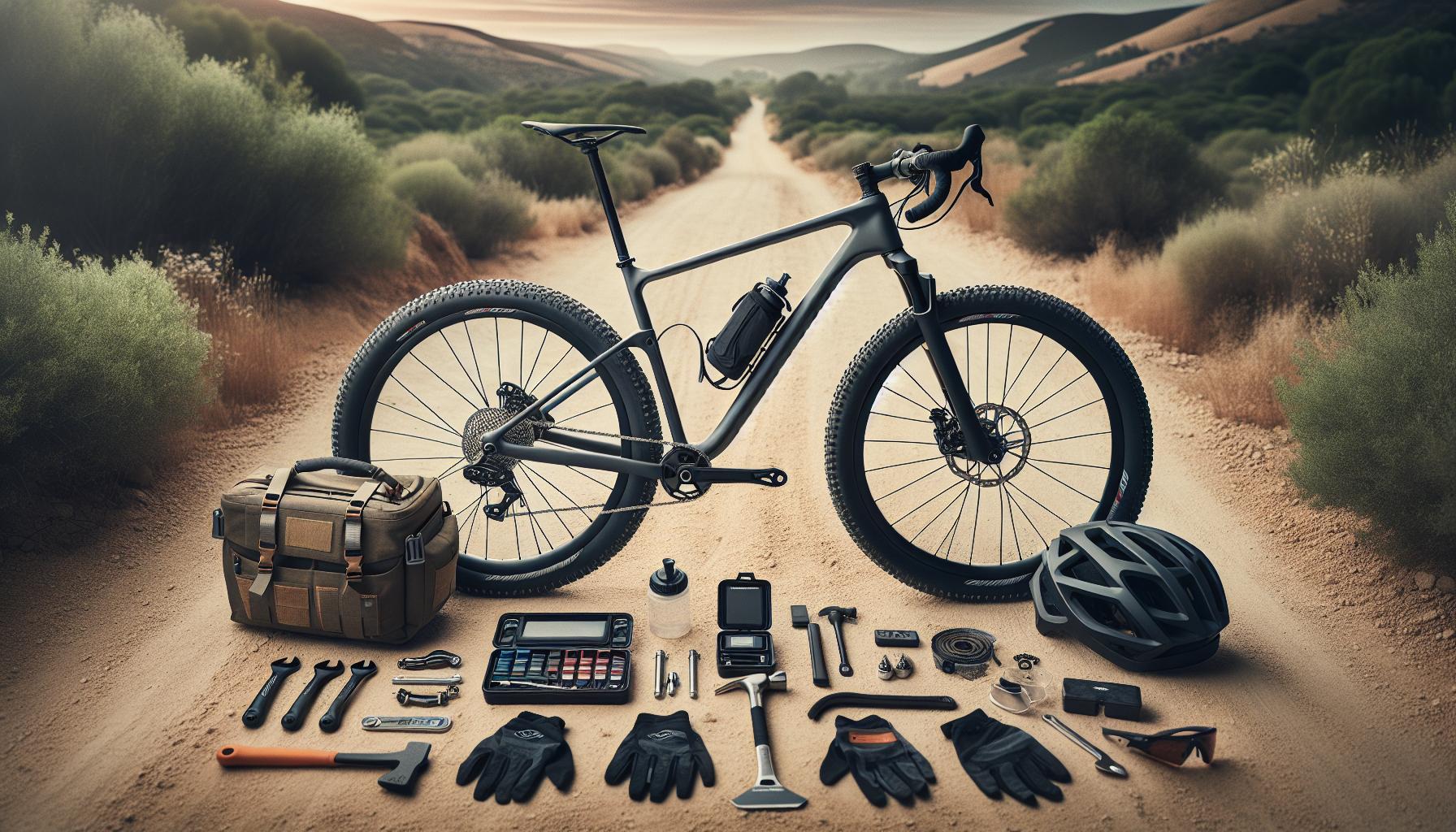
Choosing the Right Bike for Backroad Journeys
Choosing the right bike for your backroad journeys is pivotal to unlocking the full potential of your gravel cycling experience. With an array of options flooding the market, understanding what features to prioritize can mean the difference between a comfortable ride and a grueling one. A gravel bike, crafted specifically for unpaved surfaces, is often the best companion for your adventurous spirit. These bikes typically feature a relaxed frame geometry, wider tires, and additional clearance, designed to handle the bumps and twists of rugged paths.
When looking for a gravel bike, the first consideration should be tire width. Opt for tires that are at least 35mm wide; this allows for better traction and stability on loose terrain. The increased air volume in wider tires can also provide a smoother ride by absorbing shocks more effectively. Additionally, consider tires that are tubeless-ready. This setup allows for running lower pressures without the fear of pinch flats, crucial when navigating rocky trails or pothole-ridden backroads.
Aside from tire size, evaluate the frame material. Aluminum bikes are often more affordable and lightweight, while carbon fiber offerings tend to be stiffer and more efficient on climbs. If you’re planning long-distance rides, comfort becomes paramount; thus, look for bikes that offer endurance geometry or those fitted with vibration-damping technologies. Another key aspect is gearing; gravel riding can often lead you up steep inclines or through soft terrain, so opt for a bike with lower gearing to make pedaling easier on these challenging sections.
Finally, don’t underestimate the importance of bike fit. A proper fit means enjoying your ride rather than enduring it. Be sure to visit a local bike shop where experts can adjust the frame size and components according to your body dimensions and riding style. This personalized adjustment can dramatically enhance your control and comfort over varying terrains. In essence, investing time in researching and selecting the right gravel bike will set you up for countless exhilarating backroad cycling adventures.
Navigating Off-Road Trails: Tips and Techniques
When venturing onto off-road trails, your ability to navigate will either enhance your adventure or lead you astray. Whether you’re a seasoned cyclist or just starting out, understanding how to read the terrain and adapt your riding technique can significantly improve your experience. The beauty of gravel riding lies not just in the destination but also in the discoveries along the way, and a few key strategies can help you make the most of your journey.
One of the first techniques to master is line choice. This refers to selecting the best path through varying terrain, which can include rocks, roots, and soft surfaces. Always look ahead-try to anticipate upcoming obstacles and choose a line that allows for smooth navigation. A good practice is to ride wide on turns and cut in closer as you transition, which can help maintain speed and stability. Remember, your body position is crucial; keep your weight centered and slightly back when descending and shift forward when climbing to enhance traction and control.
Another important aspect of navigating off-road trails is cornering technique. Unlike paved roads, gravel surfaces demand a more cautious approach. As you enter a corner, start with a wide approach and reduce your speed in a controlled manner. Lean your bike into the turn while keeping your body upright, which helps maintain grip and reduces the risk of slipping out. It’s helpful to practice this on familiar terrain before venturing into tricky sections.
Moreover, don’t underestimate the value of environmental awareness. Use your senses to gauge conditions; feel the ground beneath your tires, listen for changes in surface sounds, and observe the contours of the land around you. If you encounter sections that appear uneven or treacherous, slow down and assess the best approach. Being attuned to your environment not only ensures your safety but also fosters a deeper connection to the landscape.
Lastly, occasional practice rides on varied terrain can make a world of difference. Engage your local biking community or seek out routes with diverse challenges. This exposure helps build confidence and hone your skills, preparing you for the unexpected twists and turns that gravel adventures often present. Embrace each ride as an opportunity to learn-whether it’s perfecting your balance on rocky passes or navigating through mud. With each journey, you cultivate not only your physical abilities but also your appreciation for the off-road experience.
Planning Your Route: Mapping Gravel Roads
When it comes to planning your gravel cycling route, strategic mapping can transform an ordinary ride into an extraordinary adventure. With numerous roads often unmarked or lacking in clear signage, preparing your path requires a blend of technology, local knowledge, and a sense of exploration. Begin your journey by utilizing tools like Ride with GPS, Komoot, or Strava, which allow you to create and save specific routes tailored to your preferences. These platforms often feature user-generated tracks that can guide you through the best gravel paths while also accommodating elevation changes and potential hazards.
Understanding Your Terrain
In addition to digital mapping, it’s wise to familiarize yourself with the geographical features you’ll be encountering. Research the terrain types-hard-packed gravel, loose dirt, or rocky paths-as these variations can significantly influence your speed and comfort level. If you’re new to the area, consider reaching out to local cycling groups or forums. Members often share personal insights on lesser-known routes, seasonal conditions, and any road repairs that might affect your ride. For example, while a charming route through a wooded area might seem inviting, it may also be prone to mudslides during the rainy season or overgrown bushes in the summer.
Setting Realistic Expectations
Plan for the unexpected by building flexibility into your itinerary. Set realistic distance goals based on your skill level and the types of terrain you plan to cross. If you’re tackling varying elevational changes, integrating rest stops or scenic viewpoints can enrich your experience and allow time for recovery. For instance, a panoramic view atop a hill or a quiet café in a small town can serve as excellent break points. Always keep in mind the time of year when you’re cycling; some routes may be stunning in the fall but treacherous in spring.
Safety First
Lastly, ensure you’re equipped for contingencies by packing essentials that cater to changes in weather or unexpected flat tires. A basic repair kit, water, and snacks should always be on hand. Furthermore, consider downloading offline maps or taking a printed copy with you in case of poor reception in remote areas. Being prepared doesn’t just enhance your adventure; it maximizes enjoyment, allowing you to focus on the journey ahead. With the right preparation and tools, your gravel cycling escape will be both exhilarating and safe.
Best Destinations for Gravel Cycling Adventures
Gravel cycling isn’t just a sport; it’s a ticket to some of the most picturesque landscapes and hidden gems across the globe. From the rugged wilderness of Vermont to the stunning vineyards of Tuscany, the diversity of gravel bike destinations is vast and thrilling. Whether you’re a seasoned rider or a casual enthusiast, these spots offer something for everyone.
Vermont: The Green Mountain Gravel Extravaganza
Vermont is an absolute treasure for gravel cycling. With its rolling hills, vibrant autumn foliage, and charming covered bridges, this state creates a picturesque backdrop for both leisure and endurance rides. The Kingdom Trails in the Northeast Kingdom is a must-visit, featuring miles of groomed trails and access to untouched nature. Best ridden during late spring through fall, expect a mix of scenic views and occasional friendly wildlife.
- Distance: Various routes, from 10 to 50+ miles
- Best Time: Late spring to fall (May – October)
- Tip: Don’t miss the local farms for fresh produce and homemade treats!
Tuscany, Italy: A Taste of Cycling Heaven
Tuscany combines breathtaking landscapes with rich cultural heritage. Imagine traversing vineyards and olive groves while savoring artisanal wines. The Strade Bianche, a famous cycling race route, showcases the region’s iconic white gravel roads, linking charming medieval towns like Siena and San Gimignano. Ideal in spring and fall, when the weather is mild and the scenery is particularly stunning.
- Distance: Routes ranging from 25 to 100 km
- Best Time: March to June; September to November
- Tip: Make time for wine tastings and historical explorations!
Arkansas: The Natural State’s Gravel Gems
If you’re looking for a gravel hotspot in the U.S., Arkansas has been gaining reputation as a top destination. Bentonville and the surrounding Ozark Mountains offer a variety of trails for all skill levels. The area is well-known for its welcoming cycling community and several bike shops that provide rentals and guidance.
- Distance: Numerous trails; some loop routes up to 70 miles
- Best Time: Spring (March – May) and fall (September – November)
- Tip: Check out local events and meetups to connect with fellow cyclists!
Each of these destinations provides not just trails, but also a rich experience that intertwines culture, nature, and community. As you plan your adventure, consider the types of landscapes you’re eager to encounter and the cultural experiences you’d like to enjoy, transforming every ride into an unforgettable journey.
Safety Tips for Backroad Cycling Enthusiasts
When venturing out on the often unpredictable backroads for gravel cycling, safety should always be at the forefront of your mind. These routes can be exhilarating and scenic, but they come with their own unique challenges. As you embrace the adventure, here are some essential safety tips to keep in mind.
First and foremost, wear a helmet and ensure your gear is in prime condition. Your helmet is your first line of defense in case of a fall. Additionally, inspect your bike before hitting the trails; checking your brakes, tires, and chain can prevent unexpected mishaps halfway through your ride. Carry a basic repair kit for minor mechanical issues-flat tires can happen, especially on rough gravel roads.
Maintaining constant communication with your riding companions is crucial when cycling in a group. Use clear hand signals to communicate turns and obstacles, reducing the risk of accidents. Remember, gravel cycling often requires more physical presence and awareness compared to road biking. Keep your speed in check; the loose terrain makes sharp turns and quick stops more challenging. It’s best to brake early and often to maintain control, especially on descents or loose surfaces [[1]].
When mapping your route, be sure to consider the weather and potential trail conditions, as rain can dramatically change gravel roads into muddy paths that are difficult to navigate. Plan for rest stops, and carry an ample supply of water and snacks to keep your energy up. If you’re exploring remote areas, always let someone know your route and estimated return time.
To wrap it up, embracing backroad cycling is all about balancing adventure with common sense. Following these safety tips ensures you’ll not only enjoy the journey but also arrive safely at your destination ready to share the stories of your ride. Always remember: the great outdoors waits for no one, so being prepared keeps your adventures enjoyable and stress-free!
Packing Essentials: What to Bring for Comfort
When you’re gearing up for an adventure on gravel roads, comfort can make all the difference between a delightful ride and an exhausting ordeal. Packing the right essentials ensures you’re ready to tackle whatever the trail throws at you while keeping your spirit high. Imagine pedaling through lush landscapes, the wind in your hair, knowing you have everything you need right on your bike.
Clothing Essentials
Your clothing choices are vital for both comfort and performance. Start with moisture-wicking base layers to keep sweat at bay, followed by breathable jerseys. A good pair of bib shorts can offer the comfort needed for long rides, while packing an extra pair can save you on days when you might get caught in the rain or mud. Don’t forget a lightweight, packable rain jacket-perfect for unpredictable weather-and a warm layer for chilly evenings spent camping under the stars.
Food and Hydration
Keep your energy levels up by packing a selection of snacks such as energy bars, trail mix, and even a few easy-to-carry sandwiches. Staying hydrated is equally important; a reliable water bottle or hydration pack is essential. Aim to carry enough water to prevent dehydration, especially on hot days or during long stretches without access to refill stations. Depending on the length of your ride, consider a compact water filter or purification tablets for added peace of mind.
Safety and Maintenance Gear
In addition to comfort, safety gear should take priority in your packing. A basic repair kit including tire levers, a multi-tool, and a mini pump can save you from being stranded in remote areas. A first-aid kit is also a must-have for addressing minor injuries. Include essentials like antiseptic wipes, adhesive bandages, and pain relievers to handle scrapes or strains.
By carefully considering what to bring along-ensuring your bags are not overstuffed yet adequately equipped-you’ll set yourself up for a great adventure. Planning ahead with these packing essentials can transform your gravel cycling journey into a seamless experience that’s all about exploring new terrain and creating lasting memories.
Handling Varied Terrain: Skills for Success
When venturing onto gravel roads, mastering the art of handling various terrains can transform your cycling experience from daunting to exhilarating. Each stretch of gravel presents unique challenges, from loose stones to steep climbs, and being equipped with the right skills not only enhances your safety but also amplifies your enjoyment. Navigating these roads with confidence involves understanding your bike’s behavior on different surfaces and adjusting your riding technique accordingly.
Maintain Smooth Momentum
One of the key skills you’ll want to develop on varied terrain is maintaining momentum. On gravel, stopping can often mean starting from scratch, especially when climbing hills or handling loose surfaces. Aim to keep a steady pace, which allows you to glide over larger rocks and maintain traction. It’s often better to ride through obstacles rather than trying to brake suddenly; this helps in avoiding losing balance.
Body Positioning and Balance
Your body position plays a crucial role in how effectively you can tackle different obstacles. Shifting your weight back while descending can prevent you from going over the handlebars, especially on steep declines. Conversely, when climbing, lean forward to distribute your weight over the front wheel, ensuring better grip. For handling technical sections-like rocky patches or tight turns-keep your elbows slightly bent and your body relaxed to absorb shocks and adjust quickly to changes.
Cornering Techniques
Cornering on gravel requires a blend of finesse and technique. Here are a few tips to help you navigate turns safely:
- Look Ahead: Focus on where you want to go, not just the ground directly in front of you.
- Adjust Speed: Slow down before entering a corner; you can accelerate out once you’re through.
- Lean and Pressure: Lean into the turn while applying gentle pressure to the outside pedal to help maintain balance.
Practice Makes Perfect
Consider finding a local gravel route or even a gravel-specific riding event to refine these skills in real-world conditions. Most importantly, embrace the learning curve-each ride builds confidence and expertise. With practice, you’ll soon feel like a seasoned gravel cyclist, ready to take on any challenge the trails throw your way. Happy riding!
Sustainable Cycling: Leave No Trace Principles
In the spirit of exploration that fuels gravel cycling, we must also embrace our responsibility to preserve the stunning landscapes we traverse. Adopting Leave No Trace principles ensures that future generations can enjoy the same natural beauty, creating a cycle of respect and stewardship for the environment. Simple actions-like planning your routes carefully and being mindful of your impacts-can contribute significantly to maintaining these precious areas.
Leave No Trace Seven Principles provide a structured approach to minimizing your environmental footprint. Here are some practical guidelines to incorporate into your gravel cycling adventures:
- Plan Ahead and Prepare: Research your chosen route to understand its terrain, regulations, and potential hazards. Being adequately prepared minimizes the likelihood of needing to alter your path, which can damage the land.
- Travel and Camp on Durable Surfaces: Stick to existing trails, roads, and campsites to avoid damaging vegetation and soil. This helps preserve the ecosystem and prevents erosion.
- Dispose of Waste Properly: Carry out what you bring in, including food scraps and any trash. If there’s no restroom facility, pack out human waste in a designated container to keep the area clean.
- Leave What You Find: Respect the natural environment by refraining from picking plants, disturbing wildlife, or removing rocks and artifacts. This maintains the integrity of the landscape for others to enjoy.
- Minimize Campfire Impact: Use a stove for cooking instead of starting a fire, and if fires are permitted, select established fire rings and keep them small.
- Respect Wildlife: Observe animals from a distance. Avoid feeding them or disturbing their natural behaviors, which can lead to negative consequences for their health and safety.
- Be Considerate of Other Visitors: Keep noise levels down and yield the trail to hikers and horseback riders. This fosters a harmonious environment for everyone enjoying the outdoors.
Embracing these principles while cycling helps foster a culture of conservation among outdoor enthusiasts. As you glide across gravel roads and remote trails, remember that your actions today shape the landscapes of tomorrow. By riding with a commitment to sustainability, not only do you enhance your own adventure, but you also inspire others to appreciate and protect the natural world we all cherish. Happy riding, and may your journeys be as kind to the earth as they are exhilarating to your spirit!
Local Resources: Finding Gravel Cycling Communities
In the world of gravel cycling, connecting with local communities can elevate your experience from solo rides to shared adventures. Whether you’re a seasoned cyclist or a newcomer eager to explore, tapping into these groups offers invaluable support, inspiration, and camaraderie. From organized rides to tips on the best local trails, joining these communities can help you make the most of your gravel cycling pursuits.
One excellent way to find gravel cycling communities is through social media platforms. Local Facebook groups such as the Gravel Bike California group offer a vibrant platform for sharing routes, organizing rides, and connecting with fellow enthusiasts across California. With discussions ranging from beginner advice to advanced training tips, you can gain insights from experienced cyclists who know the terrain like the back of their hand. Similarly, the Orange County Gravel Project group is a great resource for those in the Orange County area, where you can learn about group rides and discover hidden gems in the region. Engaging with these communities can enhance your understanding of local conditions and foster friendships along your cycling journey.
Don’t overlook local clubs, too! Many cycling organizations now have dedicated gravel segments. For example, clubs such as La Grange and PAA Cycling in your area not only focus on road cycling but have active gravel contingents. Participating in club events can provide you with structured group rides, mentorship, and even potential racing opportunities if you’re looking to delve into gravel racing. Joining these clubs often opens doors to exclusive events, skill-building workshops, and community outreach programs, making your cycling experience richer and more fulfilling.
Lastly, attending gravel cycling events and festivals can be a thrilling way to immerse yourself in the culture. These gatherings typically feature group rides, workshops, and vendor booths showcasing the latest gear. Participating in these events not only boosts your skills but places you right in the heart of a supportive community sharing your passion. Keep an eye out for local events or larger festivals, as they’re fantastic opportunities to meet new biking friends, discover new routes, and even try out the latest in gravel biking technology.
By actively seeking out and engaging with local cycling communities, you’ll find not only a supportive network but also a treasure trove of knowledge and experiences that can transform your gravel cycling adventures. So gear up, join a group, and hit the trails-you’ll be amazed at the connections you make along the way!
Gearing Up for Gravel Racing: What to Expect
When you’re gearing up for your first gravel race, excitement surges as you picture the winding roads and breathtaking landscapes. However, transitioning from casual rides to competitive events requires a bit of preparation to ensure you’ll have a smooth and enjoyable experience on race day. While gravel racing is welcoming to a wide range of skill levels, understanding what to expect can make all the difference in your performance and enjoyment.
Understanding Race Formats
Gravel races typically vary in format; some are mass starts while others may be staggered time trials. It’s crucial to familiarize yourself with race-specific details, such as course length and terrain type. For example, events like the Dirty Kanza are infamous for their longer distances, often ranging from 50 to 200 miles on rugged backroads. Knowing the course specifics helps in strategizing hydration and nutrition needs. Research participating in local races before signing up for anything longer, allowing you to gauge your comfort level with the distance and conditions.
Essential Gear for Racing
Equipping yourself with the right gear is foundational. Consider these essentials:
- Gravel Bike: A bike suited for mixed terrain with wider tires allows greater traction and comfort over unpredictable surfaces.
- Helmet: Safety always comes first, so ensure your helmet fits well and meets safety standards.
- Hydration Systems: Depending on the race duration, hydration packs or multiple bottle cages allow you to carry enough water.
- Clothing: Dress in moisture-wicking, layered clothing suitable for the weather forecast. Don’t forget gloves for grip and comfort!
- Tools and Spares: A basic repair kit-including tire levers, a mini-pump, and a multi-tool-can save the day in case of mechanical issues.
Training for Success
Training for gravel racing involves more than just clicking pedals; it’s about preparing your body and mind for the challenges ahead. Start with a well-rounded training routine that includes long rides on varied terrain, interval training for endurance, and recovery days to prevent burnout. Engaging in group rides can also mimic race dynamics and provide invaluable experience with pacing and drafting.
Furthermore, as you approach race day, conduct a few dress rehearsals. These practice runs should mimic race conditions, including nutrition timing, pacing strategies, and handling your gear under fatigue. This will enhance your confidence and help you finalize what works best for your individual needs.
Mindset and Nutrition
Last but not least is the mental game. Gravel racing can be as much a mental challenge as it is physical. Develop a positive mindset focusing on enjoyment and experience rather than solely performance metrics. During the race, remember the importance of proper nutrition: consume a mix of electrolytes, energy gels, and solid foods based on what you’ve tested during training. Plan to refuel regularly, as racing can quickly deplete your energy levels.
By understanding the nuances of gravel racing-from preparation and gear to mindset and nutrition-you’ll not only enhance your performance but also fully enjoy the journey. Embrace the great outdoors, challenge yourself against nature, and revel in the spirit of gravel cycling!
FAQ
Q: What are the best gravel bike brands for beginners?
A: When choosing a gravel bike, beginners should consider brands like Specialized, Giant, and Cannondale, known for reliable entry-level models. These brands provide quality gear at reasonable prices, making them ideal for those new to backroad cycling. Check out the “Choosing the Right Bike for Backroad Journeys” section of our guide for more tips.
Q: How do I prepare for a long gravel ride?
A: To prepare for a long gravel ride, start with proper training by gradually increasing your distance. Ensure you have the right gear, including hydration packs and snacks, and familiarize yourself with your route. Finding local communities can provide additional support and advice; see our “Local Resources” section.
Q: What type of tires are best for gravel cycling?
A: The best tires for gravel cycling are typically wider, ranging from 35mm to 50mm, with a tread designed for traction on loose surfaces. Tubeless tires are also recommended to reduce puncture risks. Refer to the “Essential Gear for Gravel Adventures” section for more specialized gear recommendations.
Q: Are there organized gravel cycling events?
A: Yes, organized gravel cycling events are popular, often featuring various distances and competitive options. Many local cycling clubs host these events, making it a great way to connect with other enthusiasts. Check your community’s calendar or consult the “Local Resources” section for information on upcoming events.
Q: What should I do if I get lost on a gravel ride?
A: If you get lost on a gravel ride, stay calm and assess your surroundings. Use a map or GPS device to orient yourself, and don’t hesitate to backtrack to a known point. Always let someone know your route before heading out. Refer to “Navigating Off-Road Trails” for tips on staying on course.
Q: How do I fix a flat tire while on a gravel ride?
A: To fix a flat tire on a gravel ride, carry a tire repair kit with a pump, patches, and levers. First, remove the wheel, replace or patch the tube, and inflate it to the proper pressure. This is critical knowledge for all gravel cyclists; consult our “Handling Varied Terrain” section for more handy skills.
Q: What health benefits come from gravel cycling?
A: Gravel cycling offers numerous health benefits, including improved cardiovascular fitness, enhanced muscle strength, and better mental health through exposure to nature. It’s a low-impact exercise option perfect for all ages. Explore the “Safety Tips for Backroad Cycling Enthusiasts” for more on enjoying healthy cycling safely.
Q: When is the best season for gravel cycling?
A: The best season for gravel cycling largely depends on your location; spring and fall are often ideal due to moderate temperatures and fewer severe weather issues. Always check local conditions and consult the “Best Destinations for Gravel Cycling Adventures” section for seasonal recommendations on locations.
Key Takeaways
As you prepare for your next adventure with “Gravel Adventure Field Guide: Backroad Cycling Essentials,” remember that the open road is full of possibilities waiting for you to explore. With invaluable insights on best routes, essential gear, and practical tips, this guide ensures you ride equipped and informed. Don’t delay your journey-adventure awaits, and those breathtaking views are just a gravel path away!
For more expert tips, consider diving into our detailed resources on essential cycling gear and the best backroad routes tailored for various experience levels. Plus, sign up for our newsletter to stay updated on new guides, special events, and exclusive travel insights crafted just for adventurous spirits like you. Your next great cycling adventure starts now-embrace it!