Picture this: Europe, a tapestry of cultures and landscapes, beckoning with endless possibilities for exploration. But planning a multi-country trip can feel daunting, with countless destinations vying for your attention and a myriad of logistics to juggle. This is where a trip planner comes to the rescue, simplifying the journey from dream to reality.
With an effective itinerary builder at your fingertips, you can craft a seamless adventure that caters to your unique interests, budget, and pace. Whether you’re a history buff eager to wander through ancient cities, a foodie looking to savor local cuisines, or an adventurer seeking breathtaking landscapes, our multi-country itinerary builder is designed with you in mind. It not only saves time but also optimizes your travel experience. So, buckle up and get ready to dive into the wonders of Europe, as we guide you through crafting an unforgettable journey that balances excitement with practical planning. Your next adventure awaits!
Choosing the Right Multi-Country Routes in Europe
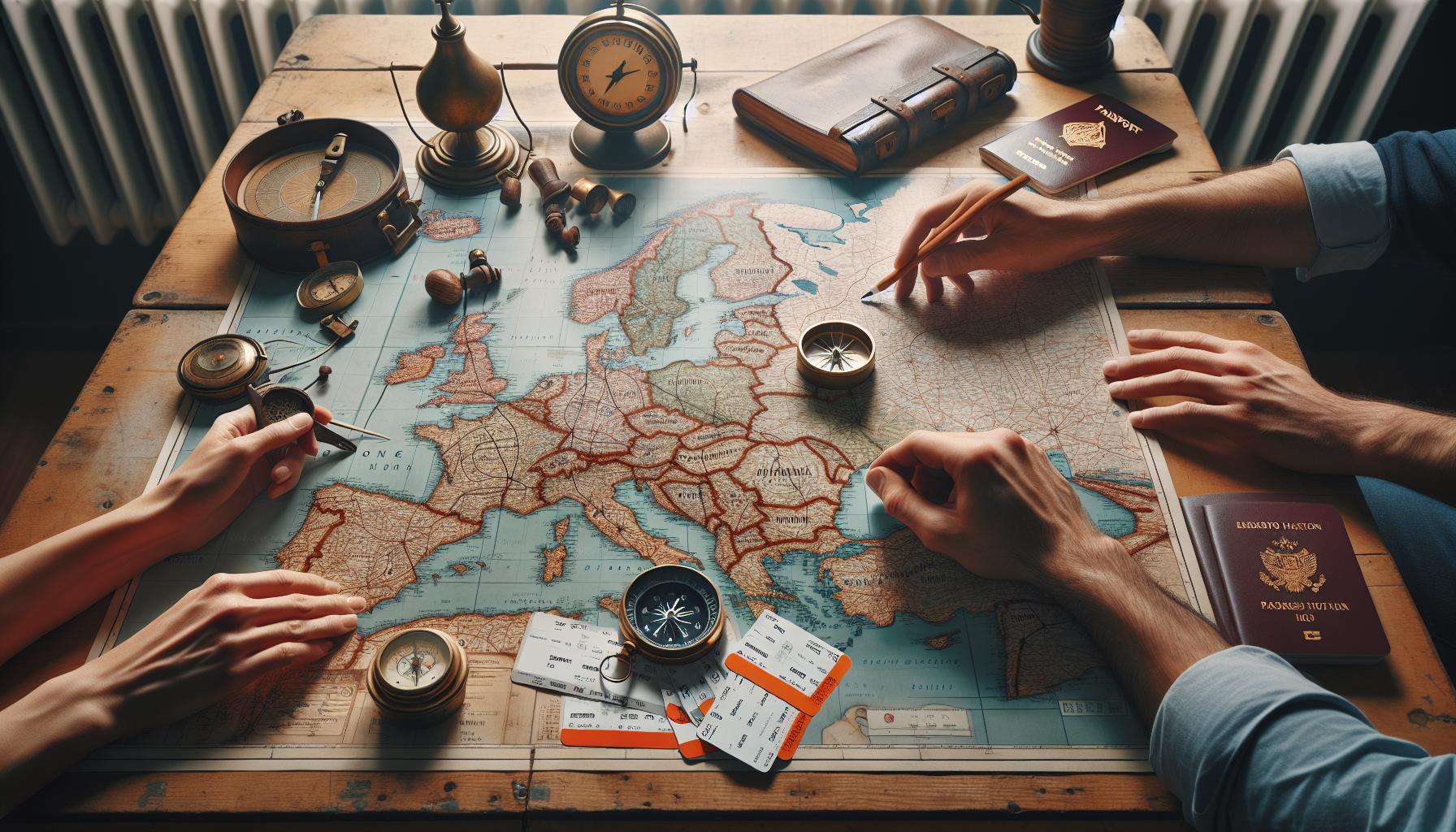
When it comes to traversing the diverse landscapes of Europe, selecting the right multi-country routes can turn an ordinary trip into an extraordinary adventure. With a multitude of countries, cultures, and experiences to choose from, your route selection can significantly influence your journey. Start by identifying your trip’s primary purpose-whether it’s to immerse yourself in art and history, savor culinary delights, or bask in breathtaking natural beauty. This focal point will guide your route choices and help you prioritize destinations that resonate with your interests.
Destinations to Consider
Focus on popular corridors like the classic Western Europe route that connects Paris, Brussels, and Amsterdam for an art and culture fix. For those craving a bit of adventure, consider the scenic routes between the Alps in Switzerland and Italy through breathtaking mountain passes. Eastern Europe also offers rewarding experiences, with vibrant cities like Prague, Budapest, and Krakow, all within a short distance of one another and rich with history.
Alternatively, if your interests lie along the Mediterranean coast, routes that weave through Spain, France, and Italy provide a stunning backdrop paired with culinary experiences that cannot be missed. Each destination offers its own unique flavor of culture, history, and gastronomy, making it a delightful patchwork that can cater to various traveler types.
Making the Most of Your Itinerary
To maximize your experience:
- Travel Time: Research the travel time between destinations-some might be closer than they appear on a map!
- Local Events: Check for local festivals or events that align with your travel dates. Experiencing a local celebration can enrich your journey.
- Flexibility: Build in flexibility to your itinerary. Unexpected discoveries often become the highlights of your trip.
By crafting a thoughtful multi-country route, you not only ensure a well-rounded travel experience but also create memories that last a lifetime. Embrace the adventure, keep an open mind, and let Europe’s stunning variety unfold before you.
Essential Tips for Planning Your Europe Trip
When planning a trip across Europe, it’s crucial to strike the right balance between your desired experiences and logistical realities. Did you know that a well-crafted itinerary can save you both time and money while enhancing your overall enjoyment? Whether you’re dreaming of sipping espresso in an Italian café or wandering the historic streets of Prague, here are some essential tips to help you navigate your multi-country adventure with ease.
First, start by defining your budget. Europe offers a spectrum of experiences, from luxurious stays in five-star hotels to cozy accommodations in charming hostels. Make a checklist of your must-see destinations and activities, and allocate funds accordingly. Don’t forget to factor in transportation costs; trains can be a scenic and efficient way to travel between countries, while budget airlines are great for longer distances but can add up quickly. Always compare prices and book in advance when possible to secure the best rates.
Understanding the seasonal patterns of where you’re traveling can drastically improve your experience. Summers can be bustling and hot in cities like Barcelona or Rome, while shoulder seasons-spring and early fall-often provide milder weather and fewer crowds. Festivals, holidays, and local events can also enhance or interrupt your plans, so keep an eye on the local calendar. For instance, witnessing the colorful tulip blooms in Amsterdam during spring or the magical Christmas markets in Germany can be unforgettable highlights.
To ensure an enriching and smooth journey, be adaptable. The beauty of exploring Europe lies in the unexpected adventures along the way. For instance, you might stumble upon a local artisan market in a quaint French village that wasn’t on your itinerary but turns out to be the best part of your trip. Allow time for unscheduled stops, and don’t be afraid to veer off the beaten path; some of the most stunning sights and experiences can be found in the lesser-known corners of Europe.
In summary, meticulous planning plays a vital role in crafting your European adventure, but flexibility can lead to truly unforgettable moments. With the right balance of preparation, awareness of your budget, and openness to spontaneous experiences, you can create an enriching journey across the diverse cultures and landscapes of Europe. Embrace the adventure, and let each destination inspire your wanderlust!
Budgeting Your Multi-Country European Adventure
Budgeting for a multi-country European adventure can feel overwhelming, but with a solid plan, you can navigate costs with ease and enjoy the journey to the fullest. Did you know that by carefully tracking your expenses, you can discover hidden gems without breaking the bank? Here’s how to strategize your finances while exploring some of the most stunning destinations Europe has to offer.
Start by estimating your daily expenses, which vary widely across different countries. Western Europe tends to be pricier than Eastern Europe, so it’s wise to allocate your budget accordingly. For instance, you might plan around €100-150 per day in cities like Paris or Amsterdam, while you could survive comfortably on €50-100 in places like Budapest or Warsaw. Consider breaking down your budget into key categories:
Budget Breakdown
- Accommodation: Choose from hostels, budget hotels, or Airbnb options. Prices can range from €20 for hostels to over €200 for luxury hotels.
- Food: Eating like a local can save you money. Street food or casual eateries offer meals from €5-15, while dining in a restaurant may cost you €20-50.
- Transportation: Factor in trains, buses, and flights. Train passes like the Eurail are excellent for multiple stops, while budget airlines can save money on longer distances. Expect costs around €30-100 for longer train journeys across the continent.
- Activities: Tours, entrance fees, and local experiences can add up. Look for city passes that bundle attractions for lower rates.
Finding Deals
To maximize your travel funds, look for discounts and special offers. Websites like Skyscanner or Google Flights can help you find great deals on flights, while booking.com or Hostelworld often have last-minute deals for accommodation. For transportation, consider investing in a Eurail Pass or check local transport apps for day passes and discounts.
Don’t forget about travel insurance-while it may seem like an extra cost, it can save you a fortune in case of unexpected events, ensuring that minor mishaps like itinerary changes or lost belongings don’t derail your adventure.
By planning thoughtfully and keeping an eye on your expenses, you’ll ensure that you have more to use for spontaneous experiences, whether it’s indulging in local delicacies or extending your stay in a place that captures your heart. Embrace the journey and let your budget enhance the adventure!
Perfect Times to Visit: Seasonal Insights

When planning your European adventure, timing can dramatically alter your experience. The continent is a tapestry of seasons, each offering distinct vibes, activities, and weather patterns. Understanding these seasonal insights will help you craft a multi-country itinerary that perfectly suits your travel style and preferences.
Spring (March to May) is arguably one of the best times to visit, as cities bloom with color and the weather warms up. Celebrated events like the Keukenhof tulip display in the Netherlands or the cherry blossoms in Bonn entice nature lovers and photographers alike. Crowds are lighter compared to summer, making it easier to explore must-visit spots like the ancient ruins in Rome or the charming streets of Paris. Keep in mind that temperatures across Europe can vary; expect mild conditions in Southern Europe and brisk air in the North.
Summer (June to August) brings vibrant festivals and long, sunny days, ideal for beach-goers and outdoor enthusiasts. The Mediterranean coast bustles with life, inviting travelers to enjoy unforgettable beach experiences in countries like Spain, Greece, and Italy. However, be prepared for school vacations, especially in July and August, as tourist hotspots can be crowded and accommodation prices spike. Consider visiting regional festivals or less frequented cities to escape the major crowds.
As the leaves turn, autumn (September to November) offers a beautifully colorful landscape and excellent harvest festivals. This season is perfect for wine lovers looking to tour vineyards in Bordeaux or Tuscany. The weather remains pleasant, especially in September, allowing for enjoyable city strolls without the summer heat. Plus, prices for flights and accommodations often decrease, making it a budget-friendly option.
Winter (December to February) casts a magical spell across Europe, especially in cities known for their Christmas markets, like Vienna and Munich. Travelers can experience seasonal festivities, ice skating, and even ski resorts in the Alps. While temperatures can be quite cold, this time of year presents a unique charm and opportunities for cozy retreats. Just remember to check local conditions if you’re aiming for snowy adventures or holiday spectacles.
In summary, the perfect time to visit Europe largely depends on your interests. Whether you prefer vibrant spring flowers, lively summer festivals, colorful autumn landscapes, or enchanting winter festivities, planning according to the seasons ensures an enriching experience across different countries. Pack according to the climate-layers for spring and autumn, sunblocks for summer, and warm attire for winter-and prepare for unforgettable adventures tailored just for you!
Must-See Destinations on a Multi-Country Itinerary
When you think of Europe, images of picturesque landscapes, centuries-old architecture, and vibrant cultures come to mind. Each country boasts its own unique charm, making it tempting to try and experience it all. Here’s a curated selection of must-see destinations that deserve a spot on your multi-country itinerary, ensuring both unforgettable memories and enriching experiences.
Western Europe: Romantic and Historic
Start your journey in France, a country synonymous with romance and history. Paris, known as the “City of Light,” is an absolute must-visit for its iconic landmarks like the Eiffel Tower and the Louvre. Don’t overlook charming cities like Lyon and Strasbourg, which offer delightful culinary experiences and stunning architecture. Travelers should budget around €80-€150 per day, depending on accommodations and activities.
Next, hop over to Belgium. Bruges, often referred to as the “Venice of the North,” enchants with its cobbled streets and canals. Make sure to indulge in local chocolates and waffles. The vibrant city of Brussels, with its grand squares and art nouveau architecture, offers both culture and nightlife.
Southern Europe: Warmth and Wonder
Heading south, Italy captures hearts with its diverse offerings. Start in Rome, where every corner reveals a slice of history; visit the Colosseum and the Vatican. Costs here can range from €100-€200 per day. Then make your way to Florence to soak in Renaissance art and step into the Tuscan countryside for wine tasting, an experience not to be missed.
After Italy, detour into Spain, particularly Barcelona, where Gaudí’s architectural masterpieces like the Sagrada Família await you. The city’s tapas culture and festive atmosphere create an inviting experience. Don’t miss out on the Spanish beaches if traveling during summer!
Central and Eastern Europe: Rich Culture and Nature
As you venture toward Central Europe, Austria’s Vienna will captivate you with its classical music heritage and grand palaces. A day here might cost around €90-€180. Continue to Czech Republic, where Prague’s fairy-tale ambiance and vibrant nightlife offer a unique contrast to Vienna’s elegance.
In Eastern Europe, cities like Budapest in Hungary reveal the beauty of the Danube River, with both historic thermal baths and modern culture coexisting harmoniously. Make sure to try local dishes over a budget of about €60-€120 per day.
The Nordic Experience
Lastly, don’t forget about the Nordics. Countries like Norway and Sweden offer breathtaking natural beauty-think fjords and the Northern Lights-at a higher price tag. Oslo can be costly, with daily expenses around €120-€200, but the surreal experiences, like a cruise through the fjords or a visit to the Icehotel in Jukkasjärvi, are well worth it.
No matter your travel style or budget, Europe’s diverse destinations promise thrilling adventures and enriching experiences. Tailoring your itinerary with a mix of bustling cities, serene countryside, and cultural landmarks ensures that each trip is unique and memorable. Always factor in the time you need to travel between countries, which may vary by mode of transport, and plan wisely to savor each moment along the way.
The Ultimate Packing Guide for European Travel
When embarking on a European adventure, packing wisely can make the difference between a hassle-free trip and a stressful ordeal. With a variety of climates, cultural norms, and travel styles across the continent, your bag should be versatile and adaptable, allowing you to navigate bustling cities, serene countrysides, and everything in between. Here’s how to gear up for your multi-country journey across Europe, ensuring you have everything you need without overloading your luggage.
Clothing Essentials
Start with a flexible wardrobe that suits different occasions and weather conditions:
- Layering is Key: Pack lightweight layers that can be easily added or removed, like t-shirts, long-sleeved shirts, and a warm sweater. A good-quality jacket-preferably waterproof-is crucial for unpredictable weather.
- Comfortable Shoes: Choose supportive footwear suitable for long walks, whether sneakers for city exploring or lightweight hiking shoes for nature excursions. Consider packing a stylish pair for evenings out.
- Versatile Bottoms: Mix and match a couple of pairs of pants (jeans and lightweight trousers) with a skirt or dress that can transition from day to evening.
Travel Accessories
Smart packing accessories can greatly enhance your travel experience:
- Travel Pack: A durable daypack is invaluable for day trips and daily excursions. Look for one with pockets for organization.
- Adapters and Chargers: Europe uses different plug types, so carry a universal adapter. A portable charger ensures your devices stay powered on the go.
- Packable Bag: Consider a foldable tote that can be used for shopping or extra storage during your travels.
Essentials for Comfort and Health
Don’t overlook items that can make your trip more comfortable:
- Reusable Water Bottle: Staying hydrated is essential and a refillable bottle will help you save money and reduce plastic waste.
- Basic First Aid Kit: Include essentials like band-aids, pain relievers, and any personal medications to avoid seeking these items in a foreign country.
- Travel Pillow: For long train rides or flights, a neck pillow can greatly enhance your comfort.
Documents and Money Management
Finally, ensure you have all necessary documents:
- Travel Documents: Keep your passport, travel insurance, tickets, and booking confirmations organized in a travel wallet.
- Local Currency: It’s wise to have some cash on hand for small purchases, especially in markets or rural areas where cards may not be accepted.
- Credit/Debit Cards: Inform your bank of your travels to avoid any card issues while abroad.
Combining smart packing strategies with the practical realities of traveling through diverse European countries will enhance your experience, allowing you to focus on the adventure ahead rather than the burdens of heavy baggage. By selectively curating your belongings, you’ll be ready to embrace the unique treasures that await you on this unforgettable journey across Europe.
Navigating Transportation Options Across Europe
Traveling across Europe is an exhilarating experience, where diverse cultures and breathtaking landscapes await you just a train ride away. Understanding the transportation options available can make all the difference in smoothly navigating your multi-country adventure. With a plethora of choices, from high-speed trains to budget flights, getting around is easier than you might think.
Train Travel: The Scenic Route
European trains are renowned for their efficiency and extensive networks. Whether you’re zipping through the French countryside or traveling between Italian cities, trains often offer the best views and convenience. Here’s what to keep in mind:
- Book in Advance: For better deals and guaranteed seats, book your train tickets well in advance through platforms like Eurail or specific national rail websites.
- Regional Passes: Consider purchasing a rail pass, such as the Interrail or Eurail pass, which allows unlimited travel across multiple countries for a set number of days.
- Onboard Amenities: Many long-distance trains offer dining cars and comfortable seating, making your journey enjoyable. Don’t forget to bring a book or download entertainment for your ride!
Budget Airlines: Quick and Cheap Getaways
For traversing larger distances or reaching less accessible nations, low-cost airlines like Ryanair or EasyJet can be a game-changer. While flying might not offer the scenic views of trains, these flights can save you hours:
- Compare Costs: Use flight comparison sites like Skyscanner to find the best deals. Check for hidden fees that might increase your final cost!
- Airport Transfers: Be mindful of the distance to airports; some low-cost airlines fly into secondary airports which may require additional transfers to the city center.
Buses: The Budget-Friendly Option
If you’re on a tight budget, intercity buses such as FlixBus or Megabus provide extensive routes across Europe at rock-bottom prices. Ideal for travelers willing to sacrifice time for savings:
- Flexible Schedules: Buses often run late into the night and provide a more flexible travel option if you wish to explore regions off the beaten path.
- Comfort Considerations: While flexibility is a plus, bus journeys can take longer. Make sure to bring snacks and entertainment to keep you comfortable during the ride!
Local Transportation: Exploring Once You Arrive
Once you’ve arrived at your destination, local transport options can help you explore more thoroughly:
- Trams and Metro: Many cities have efficient metro systems. Invest in day passes for unlimited travel.
- Biking: Rent a bike for a day to explore cities like Amsterdam or Copenhagen. Not only is it cost-effective, but it also gives you an intimate view of the local culture.
- Walking Tours: Discover hidden gems by joining a local walking tour which often includes insider knowledge and recommendations.
Navigating Europe’s transportation doesn’t have to be stressful. By planning ahead and choosing the right options for your travel style and budget, you’ll be soaring through countries, savoring experiences, and making memories that last a lifetime. Adventure is at your doorstep – get out there and explore!
Cultural Considerations: Embracing Local Customs
Experiencing Europe means diving headfirst into a tapestry of rich cultures, each with its unique customs and traditions. Being respectful and aware of these cultural nuances can enrich your journey significantly and help you forge deeper connections with locals. Whether you’re mingling with the vibrant street markets of Barcelona or enjoying a quiet dinner in a Parisian bistro, embracing local customs can transform your trip from ordinary to extraordinary.
To start, brushing up on basic local language phrases can go a long way. While many Europeans speak English, particularly in tourist areas, a simple “hello” or “thank you” in the local tongue-like “bonjour” in France or “grazie” in Italy-demonstrates respect and often earns you a warm response. Additionally, familiarize yourself with dining etiquette for each country. In Italy, it’s customary to keep your hands on the table (but not your elbows!), while in Germany, it’s important to keep your glass at eye level when toasting.
When navigating different customs, be mindful of local traditions during festivals and public holidays. For example, visiting Spain during Semana Santa (Holy Week) allows you to witness stunning processions, but it’s essential to dress respectfully as locals do. Similarly, if you’re in Greece during Easter, joining in the local celebrations may include feasting on lamb and participating in the midnight church service.
Finally, understanding social norms can prevent unintentional faux pas. In Scandinavian countries, queuing is taken seriously; jumping ahead in lines is frowned upon. Conversely, in Mediterranean cultures, you might find a more relaxed approach to time, where being a few minutes late is generally accepted.
By approaching each country with curiosity and respect for their local customs, you’ll create a richer, more meaningful travel experience. Your travels through Europe will be filled with unforgettable moments that connect you more deeply with the places and people you encounter.
Family-Friendly Activities in Europe
Exploring Europe with your family can be an exhilarating adventure, rich with history, culture, and fun activities that engage all ages. Each country offers unique experiences that cater specifically to families, ensuring you create lasting memories together. Whether you’re soaring through the skies in a theme park, diving into history at a castle, or soaking up the sun on a beach, Europe has something for every family.
Theme Parks and Adventure Zones
A must-visit for families are the thrilling theme parks, such as Disneyland Paris and Europa Park in Germany. These parks offer a blend of enchanting rides, themed attractions, and entertaining shows that captivate both kids and adults. For a unique experience, consider visiting the Harry Potter Studio Tour in London, where young fans can step into the magic of the Wizarding World. Don’t forget to plan your visit on a weekday to avoid larger weekend crowds.
Cultural Experiences
Immerse the family in local culture by visiting iconic landmarks that engage children’s imaginations. Take a family tour of the Colosseum in Rome, where you can learn about the ancient gladiators while walking through history. In Paris, the Musée des Art et Métiers offers interactive exhibitions perfect for curious minds. Consider joining guided tours specifically designed for kids-many cities provide fun, educational experiences that make history come alive.
Nature Adventures and Outdoor Activities
Outdoor lovers will find Europe abundant with natural wonders. In Switzerland, the breathtaking Swiss Alps offer family-friendly hiking trails, scenic train rides, and stunning vistas. Don’t miss out on Lake Geneva’s boat rides, which are equally relaxing for parents and thrilling for children. In the Scandinavia region, families can explore the National Parks which provide ample opportunities for wildlife sightings, and some parks even have designated family-friendly trails with educational programs.
City Explorations
Every city in Europe presents exciting ways to explore. In Barcelona, the Gothic Quarter is both beautiful and secure for families, perfect for adventure on foot. Kids will adore climbing to the top of Park Güell’s mosaic towers. Consider a trip to Amsterdam, where families can rent bikes and cycle along the picturesque canals. Many cities also feature large parks-like London’s Hyde Park-where children can play while adults relax.
Incorporating these family-friendly activities into your itinerary will not only keep your little ones entertained but will also create unforgettable moments that your family will cherish for years to come. As you plan your multi-country adventure, balance busy city days with relaxing downtime, ensuring every family member has something special to enjoy. Happy travels!
Romantic Getaways: Couples’ Itineraries
Imagine wandering hand-in-hand through the charming streets of Paris or sharing a sunset on the Amalfi Coast-Europe is brimming with breathtaking destinations perfect for couples seeking romance. When planning an unforgettable romantic getaway, consider crafting a multi-country itinerary that combines the passion of iconic cities with the tranquility of serene landscapes. Here’s how to organize your time and make the most of your special moments together.
Dreamy Destinations
Selecting the right destinations is pivotal. Here are some romantic hotspots to weave into your itinerary:
- Paris, France: Start your journey in the City of Lights, where you can enjoy a leisurely picnic by the Seine or savor dinner at a quaint bistro with views of the Eiffel Tower.
- Venice, Italy: Glide through the iconic canals on a gondola ride at sunset, then explore hidden piazzas and indulge in delicious gelato.
- Santorini, Greece: Known for its stunning sunsets, this island offers a charming backdrop for romantic dinners overlooking the caldera.
- Prague, Czech Republic: Stroll through the fairy-tale streets and enjoy a private evening cruise on the Vltava River, soaking in the medieval architecture.
Timing Your Trip
Selecting the perfect time of year can enhance the romantic vibe. Late spring (April to June) and early autumn (September to October) are ideal due to mild weather and fewer crowds, allowing for a more intimate experience. Avoid the peak summer months when popular sites tend to be packed with tourists.
Unique Experiences
Once you’ve settled on destinations, fill your itinerary with unique experiences that foster connection:
- Culinary Classes: Learn to cook traditional dishes together in a local cooking class. Whether it’s making pasta in Italy or pastries in France, you’ll bond over your shared culinary adventure.
- Wine Tastings: Visit vineyards in Tuscany or Bordeaux for a romantic day of wine tasting surrounded by beautiful landscapes.
- Sunset Picnics: Pack a local delicacy and a bottle of wine to enjoy a sunset picnic atop a scenic viewpoint in cities like Ljubljana or Dubrovnik.
Practical Tips
Ensure your romantic adventure goes smoothly with these practical tips:
- Budget Wisely: Set a budget that includes accommodations, meals, experiences, and transportation costs. Opt for boutique hotels or cozy bed-and-breakfasts for a more intimate stay.
- Transportation: Utilize Europe’s efficient train networks to travel between countries. The scenic views from trains add an extra layer of romance to your journey.
- Pack Light: Bring versatile clothing to adapt to various experiences, from city excursions to beach outings. Comfortable yet chic outfits will help you look your best.
Crafting the perfect romantic itinerary in Europe requires a blend of planning and spontaneity. By balancing iconic experiences with local charm, you and your partner can create unforgettable memories together. Bon voyage!
Solo Traveler Tips for Exploring Europe
Traveling solo in Europe can be one of the most enriching experiences, allowing for personal reflection, freedom, and the chance to immerse yourself fully in diverse cultures. As you embark on this adventure, consider merging your itinerary with a mix of major cities and off-the-beaten-path destinations. This way, you can savor both the energy of vibrant urban life and the tranquility of hidden gems.
Plan Your Route
To make the most of your journey, prioritize destinations that are well-connected. Major cities such as Amsterdam, Barcelona, and Berlin are not only tourist-friendly but also serve as excellent hubs for further exploration. For example, you can easily take a train from Amsterdam to smaller Dutch towns like Utrecht or Leiden, offering a less crowded experience. Be sure to book your transportation in advance to get the best deals, and look into rail passes like the Eurail Pass if you plan on multiple train journeys.
Stay Safe and Connected
When traveling alone, safety should be your top priority. Choose accommodations that are in safe neighborhoods; consider hostels or boutique hotels where you might meet fellow travelers. Utilize apps like Google Maps and Citymapper to navigate and explore public transport easily. Before your trip, download offline maps and local emergency contact numbers, ensuring you’re prepared for any situation.
Embrace Local Experiences
One of the best parts of solo travel is the chance to engage with locals. Take part in walking tours or cooking classes to immerse yourself in regional culture. In Italy, for instance, a pizza-making class in Naples can offer not just culinary skills but local insights from residents passionate about their heritage. Additionally, utilizing platforms like Meetup or local Facebook groups can connect you with fellow travelers or locals for group outings, dinner meetups, or local events.
Packing Smartly
Packing light is essential for solo travelers. Using a small backpack will allow you to maneuver through bustling train stations or crowded streets with ease. Opt for versatile clothing that can transition from day to night and remember essential items like a portable charger, travel insurance information, and a reusable water bottle to stay hydrated.
Solo travel in Europe presents a fantastic opportunity to explore at your own pace, make new friends, and discover depths of culture and history that are often overlooked. So pack your bags, grab your camera, and get ready to create unforgettable memories on this exhilarating adventure!
Top 5 Mistakes to Avoid When Planning Europe Trips
Planning a multi-country adventure in Europe can be exhilarating, but it’s easy to stumble into common traps that can dampen the experience. Awareness of these pitfalls can help you optimize your itinerary, save money, and maximize your enjoyment. Here are five mistakes to avoid when curating your European itinerary:
1. Overpacking Your Itinerary
A frequent misstep is cramming too many destinations into a short timeframe. While the allure of visiting multiple countries can be tempting, it often leads to exhaustion and missed experiences. Instead, choose 3-4 key locations to explore deeply rather than skimming the surface of many. For instance, instead of attempting to cover the entirety of Italy in one trip, consider focusing exclusively on Rome, Florence, and Venice. This allows for a richer cultural immersion and the chance to savor local cuisine, architecture, and attractions without the frantic pace.
2. Ignoring Transportation Options
Transport in Europe can be a mixed bag if not planned correctly. Assume that trains are always the best or most economical choice-sometimes budget airlines can save you both time and money. Platforms like Skyscanner or Omio can help compare options. Additionally, understanding local transit systems and their schedules is crucial. An overlooked gem like Croatia can be explored efficiently via bus routes that connect major cities, while still providing breathtaking coastal views.
3. Neglecting Seasonal Considerations
Europe’s seasons dramatically affect crowds, prices, and weather, yet many travelers overlook this factor. Traveling during peak summer months might mean sweltering heat and throngs of tourists at key sites. Conversely, late autumn often offers milder weather and fewer crowds. Researching local events-like Christmas markets in December or Carnival in Venice-can enhance your trip experience. For instance, spring is lovely for destinations like the Netherlands, where the tulip fields bloom beautifully, but early bookings are essential to catch the best displays.
4. Underestimating Cost Variability
All European countries don’t have the same price tags attached to food, accommodation, and activities. Eastern Europe can offer incredible value compared to Western Europe. For instance, dining out in Budapest is significantly cheaper than in Paris. Create a detailed budget prior to your trip to ensure your choices align with your spending capabilities. Utilizing apps like Mint or Trail Wallet can help track expenses in real time to avoid overspending.
5. Overlooking Local Customs and Etiquette
Each country in Europe comes with its own set of traditions and customs that can affect your interactions. Failing to familiarize yourself with these can lead to unintentional faux pas. For example, in Spain, dining is typically a late affair; restaurants usually don’t fill until after 9 PM. Learning a few basic phrases in the local language is always appreciated and can greatly enhance your interactions. Understanding local tipping practices can also help to avoid uncomfortable situations.
By avoiding these common pitfalls, you’ll set yourself up for a more enriching and enjoyable European adventure. Embrace the journey, immerse yourself in the cultures, and don’t forget to relish the little moments along the way!
Frequently asked questions
Q: What are the most efficient ways to plan a multi-country trip in Europe?
A: Utilize online itinerary builders and tools to map out travel routes effectively. Focus on efficiency by selecting countries with shared borders and using budget airlines or trains. Checking connections in advance can save time. For detailed advice, see our section on Navigating Transportation Options Across Europe.
Q: How far in advance should I book my multi-country European trip?
A: Booking your trip at least 3-6 months in advance is advisable for better prices and availability. Early planning helps secure accommodation and transportation, especially during peak tourist seasons. Explore more tips in our Essential Tips for Planning Your Europe Trip section.
Q: What essential documents do I need for traveling across multiple countries in Europe?
A: Traveling across Europe requires a valid passport and possibly a visa depending on your nationality and the countries visited. Always check entry requirements for each country. More information can be found in our section on Essential Tips for Planning Your Europe Trip.
Q: Are there specific apps I should use for multi-country travel in Europe?
A: Yes, consider using travel apps like Google Maps, Rome2rio, and TripIt for navigation and planning. Each app offers unique features from transport routing to itinerary organization. Refer to our Navigating Transportation Options Across Europe for app recommendations.
Q: What budget tips are crucial for a multi-country European itinerary?
A: Plan your budget by including daily expenses, accommodation, transportation, and attractions. Use city passes for discounts on attractions and consider dining at local eateries for cost savings. Further budgeting advice can be found in the Budgeting Your Multi-Country European Adventure section.
Q: When is the best time to visit multiple countries in Europe?
A: The best time to visit is during the shoulder seasons (April-June, September-October) when crowds are smaller, and prices are lower. Each season offers unique highlights, so check out our Perfect Times to Visit: Seasonal Insights for more details.
Q: How can I find family-friendly activities in multiple European countries?
A: Utilize online family travel guides and local tourism websites to discover activities suitable for all ages. Popular family spots include parks, museums, and interactive experiences. For specific suggestions, refer to our Family-Friendly Activities in Europe section.
Q: What are the advantages of using a multi-country itinerary builder?
A: A multi-country itinerary builder helps streamline planning, allowing you to organize attractions by location and travel time. They can provide suggestions based on preferences like culture or adventure. For detailed guidance, check our section on Choosing the Right Multi-Country Routes in Europe.
To Conclude
Ready to turn your European travel dreams into reality? With our Trip Planner Europe: Multi-Country Itinerary Builder, you’re equipped to explore stunning destinations with confidence. From breathtaking beaches to majestic mountains, our comprehensive guides give you the insider tips and essential info on the best times to visit, must-see highlights, and budget-friendly options tailored for every traveler type. Don’t wait-start planning your adventure today!
Explore more on our site for tailored itineraries and unique travel tips that will enhance your journey. Check out our guides on must-visit European cities and essential packing lists to ensure you’re prepared for any adventure. If you have questions or want personalized advice, join our community by signing up for our newsletter and share your experience with fellow travelers in the comments below. Adventure is just a click away-let’s make your trip unforgettable!