

Embarking on a mission trip to Africa is not just an opportunity to serve; it’s a transformative journey that can profoundly impact both your life and the communities you visit. With countless programs available, choosing the right one can feel overwhelming. Are you seeking to make a difference in education, healthcare, or community development? Understanding your goals and the local needs is crucial to ensuring a successful experience that aligns with your values.
By exploring the various programs and their focuses, you can find one that resonates with your interests and schedule, whether you’re a first-time traveler or a seasoned adventurer. As you read on, you’ll discover practical tips for selecting the ideal program, including key questions to ask and essential factors to consider. Let’s navigate this exciting opportunity together and unlock the adventure of a lifetime!
Choosing Your Mission: Understanding Your Goals
When embarking on a mission trip to Africa, your first step should be to define a clear purpose that aligns with your passions and skills. Consider what drives you: Is it the desire to provide healthcare, support education, promote conservation, or engage in community development? Each of these areas requires distinct skills and motivations, which can help narrow down the programs that suit your goals.
Reflect on Personal Values and Skills
As you choose your mission, take the time to reflect on your personal values and strengths. Are you compassionate, with a knack for teaching? Or perhaps you have a background in construction or medical services? Your experiences can shape the impact you want to make. Think about how you can leverage your unique talents to contribute meaningfully. This ensures you’re not only passionate about your mission but also capable of making a difference.
Setting Realistic Objectives
After identifying your passions, it’s essential to establish realistic objectives for your trip. Are you looking to make a quick impact, or are you interested in engaging in longer-term community development? Short-term missions, often spanning a few weeks, may focus on immediate needs such as disaster relief or health clinics, while long-term missions might involve deeper integration into community projects that require ongoing participation. Define what success looks like for you in this context.
Research Available Programs
Having a clear understanding of your goals will guide your research into various mission programs. Look for organizations that resonate with your mission and have a proven track record. Check reviews and testimonials, and assess their approach to cultural sensitivity and engagement with local communities. Programs directly aligned with your goals will enable a more fulfilling experience, making your impact both significant and sustainable.
By thoughtfully considering these aspects, you can embark on a mission trip that not only reflects your goals but also enriches the lives of those you aim to serve.
Types of Mission Trips: Service, Cultural Exchange, and More
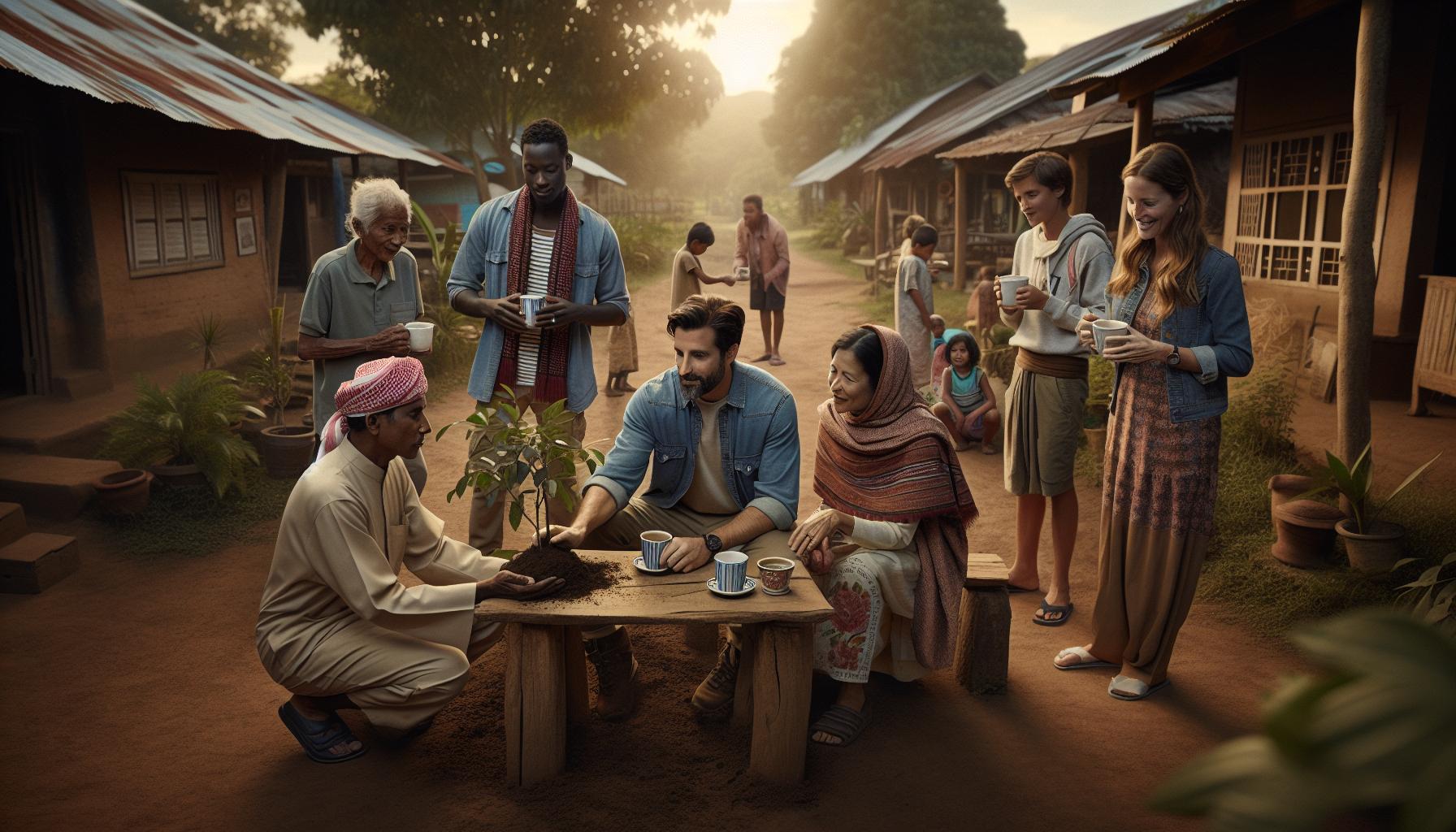
When considering a mission trip to Africa, it’s essential to understand the variety of trip types available, each tailored to different interests and skills. The spectrum ranges from hands-on service initiatives to enriching cultural exchanges, and selecting the right type can significantly influence your experience and impact.
Service Trips
Service mission trips are often focused on direct humanitarian aid and community development. Participants may engage in activities such as building homes, teaching, or providing healthcare. These trips are usually structured around a specific project, aiming for tangible achievements. For instance, a group may collaborate with local communities to construct schools or provide medical support in underserved areas. This kind of trip is ideal for those with specific skills or a strong desire to contribute directly to improving lives.
Cultural Exchange Programs
Cultural exchange trips emphasize learning and engagement with local communities rather than purely service-oriented work. These programs often include opportunities for participants to immerse themselves in the local culture, exploring traditions, cuisine, and languages. For example, you might spend time with local artisans, participate in community gatherings, or learn traditional dances. Cultural exchange is perfect for travelers keen on fostering mutual understanding and appreciation-helping break down barriers and enriching both parties involved.
Environmental Conservation Initiatives
With Africa’s rich natural landscapes and biodiversity, many mission trips focus on conservation efforts. Participants in these programs may work to protect endangered species, restore natural habitats, or educate communities about sustainable practices. This is particularly relevant in countries like Kenya or South Africa, where wildlife and ecosystems face significant threats. These trips not only contribute to critical environmental efforts but also allow participants to develop a deeper connection with Africa’s unique ecology.
Teaching and Education Programs
Education-based mission trips aim to enhance learning opportunities for children and adults. Volunteers may teach English, vocational skills, or provide resources for local educational institutions. This type of trip can be especially rewarding as it enables individuals to witness the impact of their contributions firsthand, fostering educational growth and empowerment. In regions where educational resources are limited, the role of volunteers becomes immensely significant.
Each type of mission trip presents distinct opportunities and challenges. Consider your interests, skills, and the kind of impact you hope to achieve when selecting a program. Doing so will ensure your experience is fulfilling and aligns with both your goals and the needs of the communities you’ll be serving.
Key Factors to Consider: Reputation and Safety of Organizations

When embarking on a mission trip to Africa, the organization you choose can dramatically shape your experience. The reputation of these organizations is not just a reflection of their past successes but a promise of your safety and the legitimacy of their work. Prior to committing, it’s essential to dive deep into understanding how trustworthy and competent these entities are.
To start, look for organizations that are well-established with a history of positive impact in their communities. Reading reviews and testimonials can provide insight into the experiences of past participants. Engaging with alumni or connecting with them through social media can further clarify what you can expect. Prioritize organizations that are transparent about their mission, funding, and the communities they serve. Do they have updated, accessible information on their projects? Are their goals aligned with the needs expressed by local populations? This level of transparency can be a significant indicator of their reliability.
Equally important is the aspect of safety. Research the regions where the organization operates and understand the current political and social climates. Effective organizations typically have safety protocols in place, which might include pre-trip orientation, on-ground support, and emergency contacts. They should be able to articulate their approach to ensuring your safety, which is critical in areas with potential risks. Additionally, verify if they provide pre-trip training that includes cultural sensitivity, health precautions, and a clear understanding of the expectations for volunteers.
In summary, when narrowing down your options for a mission trip, prioritize organizations with solid reputations and comprehensive safety policies. Taking the time to conduct thorough research ensures not only a fulfilling experience but also a safe and impactful mission trip in Africa. Remember, the best experiences emerge from a well-informed choice, where your contributions make a meaningful difference in the lives of others.
Destinations: Top African Countries for Mission Work
Exploring Africa for mission work is not only an opportunity to serve but also a chance to immerse yourself in diverse cultures and breathtaking landscapes. Each country offers distinct experiences for volunteers, showcasing both need and resilience within vibrant communities. When selecting your destination, consider the impact you wish to make and the personal growth you hope to achieve.
Kenya
Kenya is renowned for its stunning wildlife and the rich tapestry of its cultures. It is a prime location for mission trips focused on education and health care, particularly in rural areas. Organizations often engage in building schools or providing medical assistance in communities that lack access to essential services. The ideal time to visit is during the dry season, from June to October, allowing you to enjoy both your mission work and the incredible game-viewing opportunities in national parks like Maasai Mara.
South Africa
South Africa presents a multifaceted mission trip experience, from urban outreach in Johannesburg to rural development in the Eastern Cape. Here, volunteers often work on social justice initiatives, education, or community development projects. The country’s rich history provides a profound backdrop for understanding the complexities of its society. Opt for visits in spring (September to November) when the climate is pleasant and the tourist crowds are smaller.
Tanzania
Home to Mount Kilimanjaro and the Serengeti, Tanzania combines the thrill of adventure with meaningful mission work. Volunteers can engage in conservation efforts, educational programs, or health initiatives in communities affected by poverty. The best time to visit is during the dry seasons, from June to October and January to March, ensuring good conditions for both work and travel.
Uganda
Known as the “Pearl of Africa,” Uganda offers lush landscapes and welcoming communities. Mission work here typically revolves around education and health care, with many organizations focusing on maternal health and child welfare. The vibrant culture makes it an enriching experience. The dry seasons (December to February and June to August) are ideal since they provide pleasant weather for travel and volunteer activities.
- Kenya: Ideal for health care and education projects.
- South Africa: Focus on social justice and community development.
- Tanzania: Engage in conservation and education initiatives.
- Uganda: Concentrate on maternal and child health programs.
By carefully considering these destinations, you can align your skills and passions with the needs of the communities you will serve. Each country is vibrant and offers unique challenges and rewards, ensuring your mission trip not only contributes to local development but also enriches your personal journey.
Program Duration: Short-Term vs. Long-Term Missions
Choosing between short-term and long-term mission trips can significantly shape your experience and impact. A common misconception is that short-term missions are less valuable; however, they can yield immediate benefits, such as emergency aid in crisis situations or targeted educational initiatives. For instance, a two-week trip to provide health screenings in Uganda can make a tangible difference in a community still recovering from recent health crises. Short-term missions are perfect for those exploring their passions or who may have time constraints due to work or personal commitments.
On the other hand, long-term missions, typically lasting six months to several years, foster deeper relationships and a more significant understanding of the communities involved. Volunteers can immerse themselves in local culture, language, and practices, which enhances both the effectiveness of their service and personal growth. For example, educators in Kenya who spend a year building relationships with students and teachers are better positioned to develop sustainable educational programs that adapt to the community’s needs. This extended engagement allows for assessing real impact and making necessary adjustments over time.
When considering the program duration, think about what aligns best with your goals and circumstances. Short-term missions often require less upfront planning and can be more cost-effective, enabling those on a budget to contribute without a long-term commitment. In contrast, long-term missions generally demand more preparation, from language learning to understanding local customs, and they can come with a greater financial investment due to extended living costs.
Ultimately, your decision should reflect your commitments, the nature of the work, and the type of relationships you wish to build. Each type-short-term or long-term-offers unique opportunities to learn, engage, and make a difference, and both can lead to profound personal transformations.
Costs and Funding: Budgeting Your Mission Trip

Budgeting for a mission trip to Africa can be an enlightening journey in itself, often requiring a balancing act between idealism and practicality. Understanding the financial aspects can help you maximize your experience while minimizing stress. The good news is that mission trips can fit a variety of budgets, whether you’re looking for a short-term volunteering opportunity or an extended stay.
When planning your budget, consider the following key factors:
- Program Fees: Many mission organizations charge a fee to cover administration, housing, meals, and project materials. These costs can range widely, typically from $500 for a week-long program to several thousand dollars for longer commitments.
- Travel Costs: Airfare is often the most significant expense. Research flights well in advance, as prices fluctuate based on the season. Use travel fare aggregators to find the best deals, and be flexible with your travel dates if possible.
- Insurance and Vaccinations: Ensure you’re covered by travel insurance, which can protect against cancellations and emergencies. Additionally, factor in vaccination costs, as some may be required depending on your destination.
- Local Expenses: Estimate daily expenses for transportation, local food, and any personal items. Many volunteers find that they can keep daily costs low by eating local cuisine or using public transport.
Funding Your Mission Trip
After creating your budget, explore different ways to fund your trip. Here are some strategies that have worked for many travelers:
- Personal Contributions: Savings can be an obvious route, but planning ahead is key. Setting aside a little each month can go a long way.
- Fundraising: Consider leveraging social media, email campaigns, or community events to raise funds. Share your mission and its impact, encouraging friends and family to contribute.
- Grants and Scholarships: Some organizations offer financial support or scholarships for mission trips. Research thoroughly to find opportunities that align with your goals.
- Part-time Work: Taking a temporary job or freelance work before your trip can help you save additional money for the journey ahead.
Each step of your budgeting process can turn into a meaningful precursor to your travel, as it gives you time to reflect on your mission and set clear intentions. Your financial commitment often correlates with your investment in the experience, so plan accordingly to ensure you not only have the funds but also the peace of mind to make the most of your time abroad. Happy planning!
Cultural Sensitivity: Preparing for Cross-Cultural Experiences

Embarking on a mission trip to Africa is not just about bringing change; it’s an opportunity to immerse yourself in a vibrant tapestry of cultures and communities. Understanding the nuances of cross-cultural interactions can significantly enhance your experience, fostering mutual respect and enriching connections. Whether you’re engaging with local families, participating in community projects, or learning from those you’re aiming to help, cultural sensitivity is your best tool for fostering meaningful relationships.
Start your preparations by researching the cultural norms of the specific country you will be visiting. Alas, Africa is a continent rich in diversity, with each country-and even regions within countries-having its own traditions, languages, and social dynamics. Familiarize yourself with common greetings, dress codes, and customs. For instance, in many African cultures, greeting elders and using polite language is crucial. Taking the time to learn a few phrases in the local language can also go a long way, making locals feel appreciated and respected.
Furthermore, being open-minded and adaptable in your approach can lead to rewarding experiences. Attend cultural workshops if available, or connect with local guides who can provide insights into customs, important events, and the context behind local practices. Engaging in community activities-such as cooking traditional meals or participating in local festivals-can provide a deeper understanding of the culture and strengthen your bonds with the people you meet.
Respect Local Practices
Respecting local traditions extends beyond mere acknowledgment; it involves modifying your behavior to align with local expectations. Here are some key tips to keep in mind:
- Dress Appropriately: Cultural contexts dictate varying standards of dress; what may seem casual in your country might be considered disrespectful in another. Research the local dress codes and adhere to them, especially in rural areas or during spiritual gatherings.
- Avoid Sensitive Topics: Discussions around politics, religion, and social issues can be sensitive. Listen more than you speak, and when in doubt, steer clear of controversial subjects.
- Be Mindful of Affection: Gestures of affection such as hugging or hand-holding are not universally accepted. Observe the locals and adapt your behavior accordingly.
These considerations not only help you avoid faux pas but also show that you are approaching *their* culture with humility and reverence. By practicing cultural sensitivity, you can enrich your mission trip experience, creating memories rooted in respect and understanding while also having a lasting positive impact on the communities you serve.
What to Pack: Essentials for Your African Mission Trip
Packing for a mission trip to Africa involves careful consideration of the climate, cultural norms, and the specific needs of your projects. Adequate preparation will enable you to focus on your mission without being hindered by unexpected challenges. With varying climates across the continent-from the lush, humid tropics to the dry savannas-your packing list must be versatile and pragmatic.
Start with clothing that is lightweight, breathable, and respectful of local customs. Opt for long-sleeved shirts and long pants in light colors to protect yourself from the sun while also adhering to cultural expectations. Depending on your destination, you might also want to include a light rain jacket or an extra layer for cooler evenings. Sturdy, comfortable shoes are a must, especially if you plan to engage in outdoor activities or community work. Consider bringing sandals for easy wear during off hours.
Essential Gear
In addition to clothing, certain gear can significantly enhance your experience. Make sure to include the following items in your packing list:
- Durable Backpack: A good backpack will keep your hands free and equipment organized. Look for one with compartments to separate clothing, supplies, and personal items.
- Reusable Water Bottle: Staying hydrated is crucial, especially in hotter climates. Opt for a water bottle with a built-in filter for safe drinking water.
- First-Aid Kit: A compact first-aid kit stocked with basics such as band-aids, antiseptic wipes, and any personal medications can be invaluable in remote areas.
- Local Maps and Guidebooks: Even if you are using an app, having a physical map can come in handy in areas with limited cell service.
Health and Safety
Prioritize health and safety by packing essentials like insect repellent, sunscreen, and a small supply of hand sanitizer. Depending on your destination, you might also need specific vaccinations or medications; consulting with a travel health specialist beforehand is a wise step. Having a good quality travel insurance policy can provide peace of mind, ensuring that you have assistance available if emergencies arise.
Ultimately, your packing strategy should not just be about filling your suitcase but about enhancing your mission and engagement with the local community. Consider leaving some space for any items you might collect along the way or gifts for locals, as this fosters goodwill and mutual respect. With thoughtful preparation, your mission trip can be a memorable and impactful experience.
Navigating Logistics: Travel Insurance and Vaccinations
Planning a mission trip to Africa can be exhilarating, but ensuring your health and safety while traveling is paramount. Among the first steps in your preparation should be securing travel insurance and obtaining necessary vaccinations. Not only can the right insurance cover unexpected medical expenses, but it also provides peace of mind, allowing you to focus on fulfilling your mission without concern for the “what ifs.”
When selecting travel insurance, look for a plan that covers overseas medical emergencies, trip cancellations, and emergency evacuations. Assess what your insurance includes-some policies may even offer 24/7 assistance while you’re abroad. Compare options to find coverage that best suits your activities and needs; if you’re engaging in tasks that might be considered risky, such as rural outreach or community building in remote areas, confirm that your policy adequately covers these scenarios.
Vaccinations are another essential part of your preparations. Depending on the specific African countries you plan to visit, you may need vaccinations for diseases like Yellow Fever, Hepatitis A and B, Typhoid, and Meningitis. The Centers for Disease Control and Prevention (CDC) provides up-to-date information on vaccination recommendations tailored for each destination. Consulting with a travel health specialist at least 4-6 weeks before your departure is advisable, allowing ample time for any necessary vaccinations to take effect. Remember, some countries may also require proof of vaccination entry, particularly for Yellow Fever.
Lastly, don’t overlook medications for altitude sickness or malaria prophylaxis if you are traveling to areas where these are concerns. Consider carrying a basic first-aid kit, and familiarize yourself with the healthcare facilities available at your destination. This proactive approach to travel insurance and vaccinations will help mitigate risks and ensure a more effective and enjoyable mission trip to Africa.
Connecting with Local Communities: Building Meaningful Relationships
Imagine stepping into a vibrant African village and being greeted with warm smiles and open hearts. Connecting with local communities isn’t just about volunteering your time; it’s about creating lasting relationships that enrich both your experience and the lives of those you visit. To truly immerse yourself, approach your mission trip with the mindset of a learner and listener, eager to understand the local culture, values, and challenges.
Building meaningful relationships starts long before you arrive. Research the community you’ll be visiting. Understand their customs, language, and social structures. Consider learning a few basic phrases in the local language-it shows respect and can break down barriers. Once there, make it a point to engage authentically with locals. Participate in local activities, such as markets, cultural events, or community gatherings. This not only fosters trust but also provides insight into their daily lives, struggles, and dreams.
As you work alongside local individuals, take a moment to listen. Share stories, ask questions, and show genuine interest in their experiences. You might discover how your goals align and find ways to contribute that resonate with their needs. This collaborative spirit is often more impactful than traditional mission work; initiatives developed together are likely to be more sustainable and welcomed.
Remember, while your mission is to make a difference, you may be surprised at how much you learn from the very people you came to support. Create a shared experience by inviting community members to participate in your project. Not only does this enhance their ownership of the work being done, but it also cultivates a sense of partnership. Through respect, dialogue, and shared goals, you can transform a simple mission trip into a life-changing journey for everyone involved.
Tips for a Successful Experience: Engagement and Reflection
Engaging with local communities during mission trips is not just about the tasks you’ll accomplish but rather about the relationships you build and the reflections you carry back home. A truly successful experience hinges on how well you can connect, listen, and learn from those around you. Here are essential tips to maximize your engagement and ensure profound reflections that will enrich your journey long after you return.
Embrace Active Listening
Active listening is key to understanding the perspectives and needs of the community you’re working with. Instead of preparing your next response while someone else is speaking, focus entirely on what they’re saying. Ask open-ended questions to encourage dialogue, and be genuinely interested in their stories. For example, if a local shares challenges they face, dig deeper into how those challenges impact their daily lives. This not only builds rapport but also helps you tailor your efforts to have a meaningful impact.
Participate in Daily Life
Actively involving yourself in the community’s everyday activities can foster deeper connections. Join local gatherings, attend celebrations, or even help out with household chores. Such participation allows you to witness and appreciate their culture first-hand. For instance, if you’re in a rural village, helping with farming or local crafts can open doors to authentic experiences and conversations. This immersion not only enriches your understanding but also demonstrates your respect and commitment to the community.
Reflect on Your Experience
Take the time to reflect on your engagements regularly throughout your trip. Journaling can be a powerful tool for processing your experiences. Consider questions like: What surprised you about the local community? How did your assumptions change during the trip? These reflections will enhance your journey and deepen your understanding of the world around you. It might also inspire new ideas for ongoing support or collaboration post-trip.
Stay Humble and Open-Minded
Approach each day with humility and a willingness to learn. Entering a community with the attitude that you have something to teach can create barriers. Instead, view yourself as a learner eager to absorb local wisdom and traditions. By adopting this mindset, you open yourself to unexpected lessons that can not only transform your mission work but also challenge and reshape your worldview.
These strategies help foster genuine connections, encourage profound reflections, and ensure that your mission trip is not just a service opportunity but a transformative journey for both you and the communities you engage with.
Post-Trip Involvement: Staying Connected and Impactful
Your mission does not end when you return home; in fact, that’s when the real work begins. Staying connected with the communities you served and ensuring your impact continues is essential for fostering long-term relationships and making a meaningful difference. Here are some effective strategies to maintain that connection and enhance your impact following your mission trip.
- Communicate Regularly: Leverage technology to keep in touch with your new friends and partners. Use social media, email, or messaging apps to share updates about your life, express your continued interest in their well-being, and inquire about any ongoing projects. Building a routine of communication fosters trust and sustains relationships.
- Support the Organization: Consider staying involved with the organization you worked with. This can take the form of volunteering your skills or helping to fundraise for future projects. You might host events or create an online campaign to raise awareness and gather resources for their initiatives.
- Share Your Story: Use your platform-whether it’s a blog, social media, or community meetings-to share your experiences. By telling your story and sharing photos, you not only keep the spirit of your mission alive but you inspire others to take action and possibly join a mission trip themselves.
- Organize Follow-Up Visits: If possible, schedule follow-up trips to maintain and deepen your relationship with the community. Regular visits can contribute significantly to the sustained growth of projects and reinforce the bonds you’ve built.
- Educate Others: Organize information sessions, workshops, or talks in your community to share what you’ve learned. Educating your peers about the culture, challenges, and successes of the regions you visited promotes awareness and understanding, which can lead to further support for the communities involved.
Staying invested in the lives of the people you met and the projects you supported ensures that your mission trip has lasting effects not only for you but for the community as well. It’s about turning those brief moments into lifelong commitments that benefit everyone involved.
Q&A
Q: What should I consider when selecting a mission trip program in Africa?
A: When choosing a mission trip program in Africa, consider factors like the organization’s reputation, safety protocols, cultural sensitivity training, and program objectives. Ensure the program aligns with your personal goals and interests. Research reviews and testimonials to gauge past participants’ experiences. For more details, refer to the section on Key Factors to Consider: Reputation and Safety of Organizations.
Q: How do I find reputable organizations for mission trips to Africa?
A: To find reputable organizations for mission trips to Africa, look for established nonprofits or community groups with positive reviews and transparent operations. Check their accreditation and field success stories. Engage with past participants to gather firsthand insights, which can help you choose a trustworthy program.
Q: What types of mission work are available in Africa?
A: Mission work in Africa typically includes service projects, cultural exchanges, educational programs, health initiatives, and conservation efforts. Each type has unique contributions and impacts, so review the specific goals of programs to select one that resonates with your skills and values.
Q: What is the typical duration of mission trips to Africa?
A: Mission trips to Africa can range from a few weeks (short-term) to several months (long-term). Choose your trip’s duration based on personal availability, commitment level, and the depth of the experience you seek, as discussed in the Program Duration section of the article.
Q: How can I budget for a mission trip to Africa?
A: Budgeting for a mission trip requires considering travel costs, accommodation, program fees, and personal expenses. Research funding options such as grants, donations, or fundraising events to help support your trip. The section on Costs and Funding: Budgeting Your Mission Trip provides additional tips for financial planning.
Q: What vaccinations are required for mission trips to Africa?
A: Vaccination requirements for mission trips to Africa typically include hepatitis A, typhoid, and yellow fever. Consult with a healthcare provider for personalized advice based on your destination and activities. It’s crucial to maintain your health during your trip; refer to the Navigating Logistics: Travel Insurance and Vaccinations section for more information.
Q: How do I prepare culturally for a mission trip to Africa?
A: To prepare culturally for a mission trip, research local customs, languages, and traditions. Engaging in pre-trip cultural sensitivity training can enhance your understanding and ability to connect with local communities meaningfully. This preparation fosters respect and builds stronger relationships on your trip.
Q: What are the challenges I might face on a mission trip to Africa?
A: Common challenges on mission trips include language barriers, cultural differences, and logistical issues like transportation and accommodation. Be adaptable and open to learning. Preparation and understanding potential challenges will help you navigate these difficulties more effectively and enhance your overall experience.
To Wrap It Up
As you embark on your journey to choose the right mission trip to Africa, remember that this experience offers incredible opportunities for personal growth, community impact, and unforgettable adventures. Evaluate programs that resonate with your values, whether focused on education, healthcare, or environmental sustainability. Don’t hesitate; start your adventure today by exploring our comprehensive guides to the best times to travel, budgeting tips, and safe accommodations in Africa.
Dive deeper into related content like “Packing Essentials for African Mission Trips” and “Cultural Etiquette in Africa” to further prepare for your transformative experience. Sign up for our newsletter to stay updated on valuable resources and connect with fellow travelers who share your passion. Your mission awaits; let’s make it a journey of a lifetime!
Get our latest guides, news, and insights highlighted in your Google Search & AI Overviews.


