

Did you know that hiking contributes to environmental degradation when not done responsibly? With the rising popularity of outdoor adventures, planning a sustainable hiking trip is more crucial than ever. In this eco-friendly guide, we’ll explore how to enjoy the great outdoors while minimizing your impact on nature.
Join the movement of conscious travelers who seek to preserve the beauty of our landscapes for future generations. You’ll discover practical tips on choosing the right trails, packing ethically, and respecting wildlife. Whether you’re a seasoned trekker or a weekend wanderer, this guide will equip you with the knowledge to merge adventure with environmental stewardship. Ready to lace up your boots and explore sustainably? Let’s dive in!
Choosing the Right Eco-Friendly Destination for Your Hike
When selecting an eco-friendly hiking destination, it’s essential to think beyond picturesque views and challenging trails; the environmental impact of your choice can shape the very landscapes you love. A destination that prioritizes sustainability not only provides breathtaking scenery but also exemplifies conservation efforts that protect natural resources and habitats. Consider national parks or preserved wilderness areas that utilize innovative management practices, such as limiting visitor numbers to prevent overcrowding and environmental degradation.
One way to gauge a destination’s commitment to sustainability is to research eco-certifications or conservation programs in place. For instance, some parks feature strict guidelines on waste management and wildlife protection, ensuring that hikers contribute positively to the ecosystem. Additionally, destinations situated near local communities often offer initiatives that let you immerse yourself in local culture while contributing to the economy. By choosing locations that support eco-friendly tourism, you’re not just a visitor; you’re a participant in a movement that fosters environmental stewardship.
When planning your hike, it’s advised to check the best times to visit. Seasons can significantly impact the flora and fauna you’ll encounter, as well as the trail conditions. Spring or early fall is ideal for many areas, as trails are less crowded and nature is at its most vibrant. Opt for mid-week trips to minimize your environmental impact and avoid strain on popular areas. Always consult up-to-date resources to understand permitting requirements to protect delicate ecosystems and enhance your experience by contributing to local conservation efforts.
In summary, being mindful about your hiking destination leads to rewarding and enriching experiences. The landscapes you explore and the communities you interact with benefit directly from thoughtful choices, reinforcing the idea that every hiker can be a conservationist. So pack your gear, choose wisely, and embark on an adventure that honors the trails less traveled.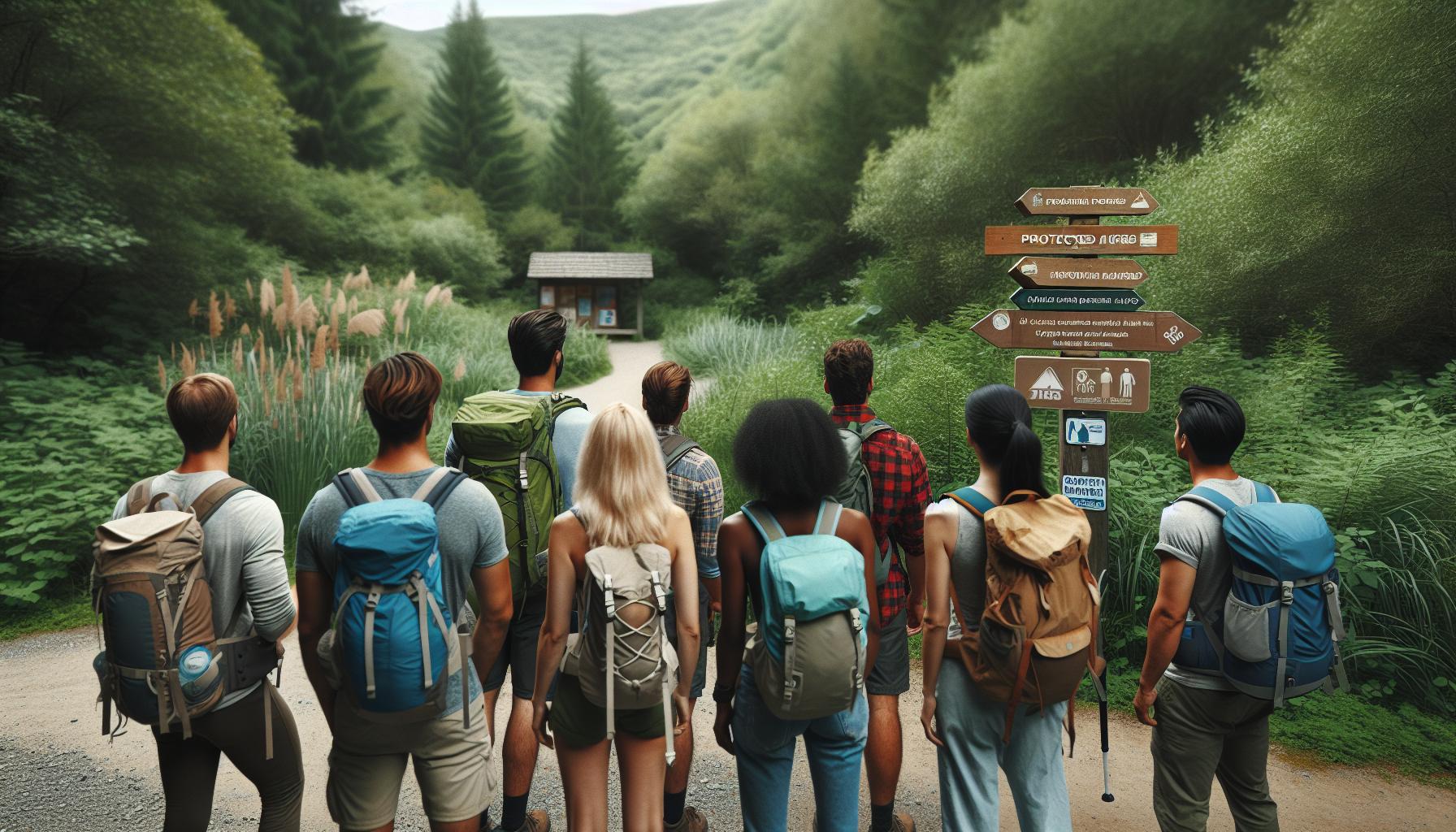
Essential Gear for a Sustainable Hiking Experience
When hitting the trails with sustainability in mind, the right gear can make a real difference-not just for your comfort but also for the planet. Selecting eco-friendly equipment and clothing can significantly reduce your environmental impact and enhance your outdoor experience. It all starts with understanding what products can support both your adventure and the ecosystem around you.
Choosing sustainable gear means looking for items made from recycled materials, organic fibers, or biodegradable components. For instance, consider hiking boots crafted from recycled plastics or backpacks made from organic cotton. Look for brands that emphasize sustainable practices, such as using non-toxic dyes and ensuring fair labor conditions. This not only supports ethical businesses but also minimizes the environmental footprint of your journey.
Must-Have Sustainable Hiking Gear
Here’s a handy checklist of essential items to bring along for a sustainable hiking trip:
- Backpack: Opt for one made from recycled materials, designed to last for years.
- Clothing: Look for moisture-wicking base layers and outerwear made from organic cotton or recycled polyester.
- Footwear: Invest in durable, high-quality hiking boots that can withstand the test of time, minimizing waste.
- Water Bottle: Choose a reusable stainless steel or BPA-free bottle to stay hydrated while reducing plastic use.
- Cookware: Lightweight titanium or biodegradable camping utensils can help you cook outdoors sustainably.
- First Aid Kit: Keep a well-stocked kit with eco-friendly products to handle any minor injuries you might encounter.
- Navigation Tools: Use a paper map and compass instead of a smartphone to conserve battery and reduce technology dependence.
Additionally, consider packing a portable water filter or purification tablets to prevent single-use plastic bottles and contribute to effective water management on the trail. Using biodegradable soap for cleaning dishes can further aid in minimizing your impact on delicate ecosystems.
Maintenance Matters
Once you’ve equipped yourself, remember that proper maintenance can extend the life of your gear. Regular cleaning and care can enhance durability, reducing the need for early replacements. For shoes, apply natural waterproofing treatments to prolong their lifespan while avoiding harmful chemicals. Store your gear properly and always repair rather than replace-an old backpack can often be mended rather than tossed.
With thoughtful planning and sustainable gear choices, you can embark on your hiking adventures while honoring and protecting nature. Every little step counts, and the trails are waiting for you to explore them sustainably!
Eco-Conscious Planning: Best Times and Permits
Planning your hiking adventure involves more than just picking a trail; it’s about choosing the right time to visit and understanding the necessary permits. The timing can vastly affect not only your experience but also the environment you’re immersing yourself in. For example, spring and autumn often provide the best weather conditions, and witnessing nature’s cycles-like blooming wildflowers or vibrant fall foliage-can make your hike particularly memorable. Avoid peak summer when trails are crowded, and consider shoulder seasons for a more serene experience.
In many areas, especially national parks or protected lands, obtaining permits is a must. Not only does this regulate the number of visitors to reduce environmental impact, but it also ensures that you comply with local regulations. Some trails require reservations months in advance, while others may have limited walk-in spots available. To navigate this, make sure to check the specific guidelines of your destination well ahead of your trip. Websites or visitor centers can provide up-to-date information on availability and any conservation fees that support local maintenance efforts.
When planning your trip, think about how to enhance your experience while minimizing impact. Weekdays generally see fewer crowds than weekends, and early morning hikes can afford you a peaceful atmosphere and the chance to spot wildlife. Use resources like online forums or local hiking groups for insights into optimal hiking times and to understand which routes might be less traveled. Ultimately, informed eco-conscious planning not only enriches your hiking experience but also plays a vital role in protecting the beautiful environments we all cherish.
Leave No Trace Principles: Hiking Responsibly
Hiking is one of the most rewarding ways to connect with nature, but it comes with the responsibility to protect these beautiful landscapes for future generations. The Leave No Trace principles embody this philosophy, providing an essential framework for responsible outdoor practices. By understanding and applying these guidelines, you ensure that your adventure has a minimal impact on the environment, allowing everyone to enjoy nature’s wonders.
Reflecting on Your Impact
The first step in embracing Leave No Trace principles is to reflect on your impact. Before heading out, consider how your use of trails and natural areas affects wildlife and plants. As you hike, stick to established trails to avoid trampling delicate ecosystems and use existing campsites, which helps prevent the spread of human impact across broader areas. This simple action preserves the integrity of the environment and enhances your experience by offering well-trodden paths that connect you with nature.
Waste Management
Managing waste is another fundamental aspect of hiking responsibly. It’s vital to carry out everything you bring in, including food wrappers and personal items. For human waste, plan ahead: if hiking in pristine areas, pack out all waste using specialized bags designed for this purpose. A compact trowel can be handy if you need to dig a cathole in environments where packing out isn’t feasible. Aim for a site at least 200 feet from water sources to protect aquatic ecosystems.
Respecting Wildlife
Wildlife encounters are one of the highlights of hiking, but how you interact with animals can greatly affect their safety and comfort. Observe wildlife from a distance-never feed them, as this can alter their natural behaviors and make them dependent on human interaction. Store food securely to prevent attracting animals to your campsite, safeguarding both the wildlife and yourself from potential conflicts.
Sharing Knowledge and Leadership
Finally, share your knowledge of Leave No Trace principles with fellow hikers. Leading by example, whether you’re with family, friends, or members of a hiking group, fosters a culture of respect for nature. Encourage others to embrace these practices, ensuring the enjoyment of hiking continues for everyone. By spreading awareness, you contribute not only to a sustainable hiking culture but also to a broader movement towards conservation.
Engaging with nature responsibly through these principles not only enhances your hiking experience but also protects the trails and lands we cherish. When you make conscious decisions, you can explore the great outdoors while leaving it as beautiful as you found it for others to enjoy.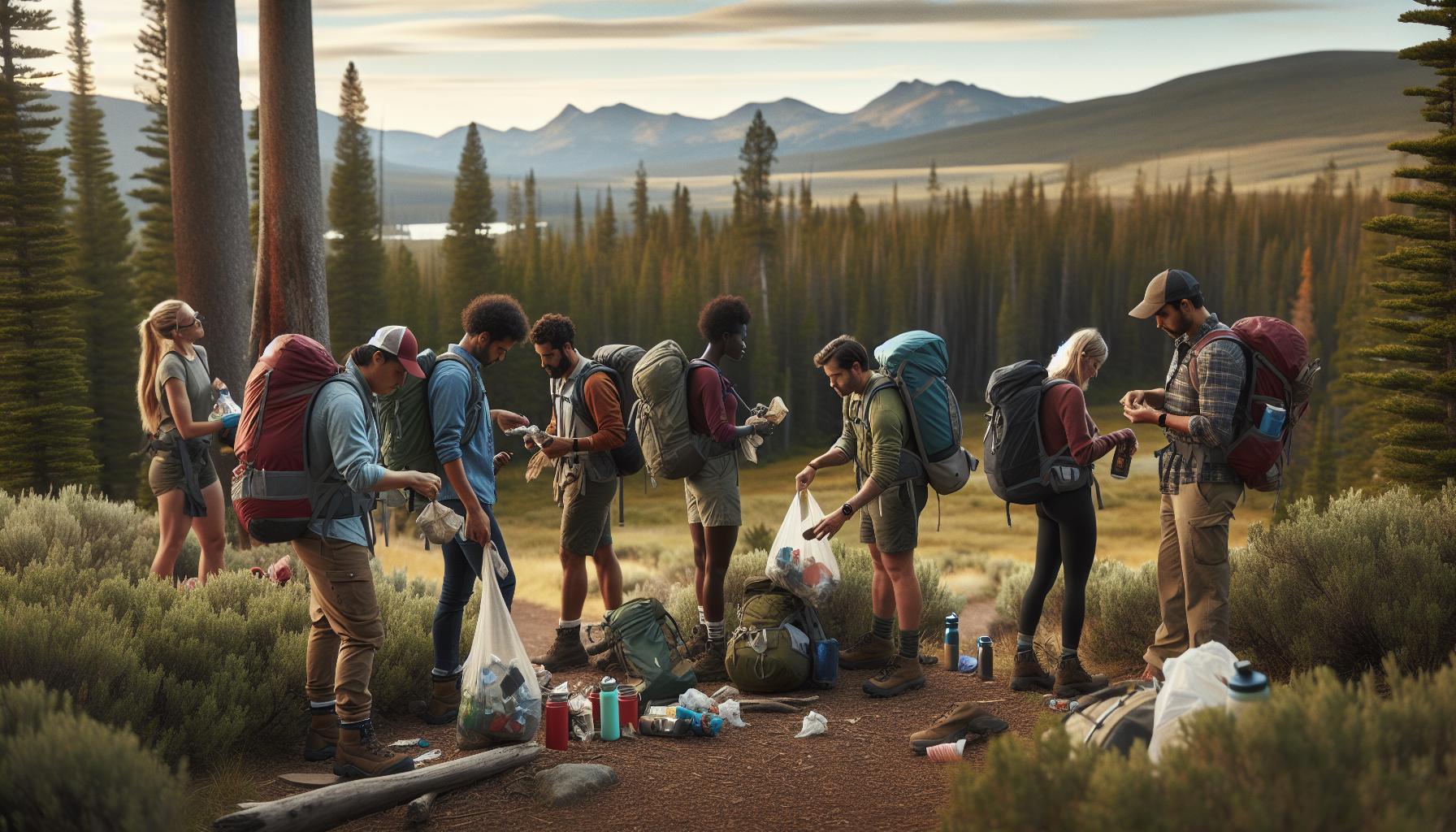
Packing Light: Eco-Friendly Tips for Hikers
Packing efficiently for a hike can transform your outdoor experience while minimizing your environmental impact. The lighter your pack, the less fuel you’ll exert, which means lower carbon emissions and a more enjoyable trek. Packing light doesn’t just mean taking less; it also involves making thoughtful choices about the items you bring along, ensuring they align with eco-friendly practices.
Choose Multi-Functional Gear
When selecting what to take, prioritize gear that serves multiple purposes. For instance, bring a multi-tool instead of separate knives and screwdrivers, and opt for a camp stove that can also function as a pot. Not only does this reduce weight, but it also lessens the number of items that could end up in landfills. Think about versatile clothing, too-layering allows you to adapt to changing temperatures without overpacking.
Portable and Eco-Friendly Essentials
Invest in reusable and sustainable options wherever possible. A durable, collapsible water bottle or hydration system can minimize single-use plastics, while a cloth bag doubles as a trash carry-out solution or food bag. Use biodegradable toiletries and eco-friendly sunscreen to ensure that any residues won’t harm the landscape. Also, consider packing your food in reusable containers instead of single-use wraps or bags, cutting down on waste.
Efficient Clothing Strategy
When it comes to clothing, choose lightweight, moisture-wicking fabrics that can dry quickly and keep you comfortable on the trail. A good rule of thumb is to plan outfits based on layering, allowing you to wear fewer items that can be mixed and matched. For example, you can use a single pair of sturdy pants, layered with thermal or breathable shorts depending on the weather. It works well for all-day hikes and keeps you ready for any climate change.
Practical Packing Tips
As you pack, adhere to the principle of ‘Leave No Trace’ by ensuring your items are secured, compact, and environmentally friendly. Think about the accessibility of items you will frequently need-keep them at the top or on the outside of your pack. Use packing cubes to keep similar items together and easy to find, minimizing the time spent rummaging through your bag.
Optimizing your pack not only enhances your hiking experience but also engages you in sustainable practices. By thoughtfully curating your essentials, you respect the environment while enjoying all the wonders that nature has to offer. Every small effort contributes to preserving our planet, so gear up wisely and hit the trails!
How to Minimize Your Carbon Footprint on the Trail
The beauty of hiking is often matched only by the stark realization of its environmental impact. For every step on those pristine trails, there lies an opportunity to embrace eco-friendly practices that significantly reduce your carbon footprint. By making conscious choices and integrating sustainable habits into your hiking adventure, you can enjoy nature without leaving a lasting mark.
Travel Responsibly
One of the simplest yet most powerful actions you can take is choosing to travel sustainably to your hiking destination. Opt for public transportation, carpooling with friends, or even biking to minimize emissions. Each vehicle you leave off the road means fewer greenhouse gases in the atmosphere, contributing to cleaner air for both your hike and the local community. If you must drive, consider a hybrid or electric vehicle to further cut your carbon output.
Stay on Established Trails
While you may feel tempted to venture off the beaten path, staying on established trails is crucial for minimizing environmental impact. Not only does straying from designated routes lead to soil erosion and damage to fragile ecosystems, but it can also disturb wildlife habitats. When everyone commits to staying on marked trails, it helps preserve the natural beauty and biodiversity of hiking areas for future generations.
Reduce Waste
A major component of reducing your trail footprint is managing your waste effectively. Packing out everything you pack in is a must. This means no littering, including wrappers and food scraps. Bring reusable containers for snacks, and consider foods that come with little to no packaging. Biodegradable products can be an option, but remember they still need proper care in disposal to break down effectively. Make a habit of carrying a small trash bag to collect any waste you find along the way, promoting a cleaner environment and serving as a reminder for others to do the same.
Choose Eco-Friendly Gear
When shopping for hiking gear, consider brands that prioritize sustainability. Look for items made from recycled materials or those that utilize fair trade practices. Purchasing high-quality gear that lasts longer can also help significantly reduce the demand for new products, effectively lowering your overall impact. Investing in durable equipment means less wastage and frequent replacement, making your adventure not just enjoyable but also responsible.
Integrating these eco-conscious practices into your hiking routine transforms your outdoor experience, helping you to not just enjoy nature but actively protect it. Remember, every small effort counts when it comes to preserving the awe-inspiring landscapes we all love to explore.
Water and Waste Management in Nature
Water is essential not just for your hike but also for sustaining nature. As you venture into the wilderness, being mindful of how you manage water and waste can profoundly impact the environment. Did you know that improper disposal of waste can lead to pollution in ecosystems that many animals depend on? By adopting responsible water and waste management practices, you can enjoy the beauty of nature while protecting it for future generations.
To start with, always carry enough water for your hike. Consider investing in a portable water filter or purification tablets if you expect to refill from natural sources. This not only saves you from carrying heavy bottles but also minimizes plastic waste. When disposing of food waste or biodegradable materials, make sure to follow the guidelines for Leave No Trace. Bury human waste at least 200 feet from water sources, trails, and campsites when no toilet facilities are available. This simple step prevents contamination and protects local wildlife.
Preparing for Waste Management
As you plan your hike, think about your food choices. Opt for snacks that come in minimal packaging. Pack items like nuts, dried fruits, and energy bars in reusable containers. Additionally, bring along a small trash bag for all non-biodegradable waste. No matter how beautiful the trail is, litter can spoil it instantly. If you see trash along the way, pick it up; it sets a positive example for fellow hikers and helps keep the trail pristine.
Water Conservation Tips
Conserving water is just as crucial as managing waste. Here are some actionable tips:
- Ration your water: Only take sips as needed to stretch your supply.
- Plan your route: If possible, choose routes with ample water sources for refills.
- Stay hydrated: Drink plenty early on to avoid the risk of dehydration later.
By combining these practices, you not only enrich your hiking experience but also become a steward of nature. Your decisions might seem small, but each one contributes to a larger movement toward sustainability and environmental respect. Enjoy your adventures while ensuring nature remains vibrant for all who come after you!
Supporting Local Communities on Hiking Trips
Exploring the great outdoors often leads us to breathtaking landscapes and inspiring vistas, but it can also be an opportunity to uplift the communities that call these areas home. Engaging with local communities on your hiking trips not only enriches your experience but also ensures that tourism benefits those who share their beautiful surroundings with us. By taking a few simple steps, you can support local economies and help preserve the natural beauty that draws you to these destinations.
One impactful way to contribute is by purchasing goods and services from local vendors. Whether it’s food, souvenirs, or guiding services, spending money in these communities strengthens their economy and allows them to thrive while maintaining their cultural heritage. For example, you might choose to hire a local guide who can offer unique insights into the area’s flora, fauna, and history, which also bolsters sustainable travel. Many trailheads have nearby markets or stands run by locals; indulging in homemade snacks not only fuels your adventure but aids in the livelihood of the local people.
Participate in Community Events or Projects
Another way to give back is by volunteering or participating in community-led initiatives. Many trails have trail stewardship programs that offer opportunities to engage in conservation efforts, such as maintaining the path, planting native flora, or cleaning up litter. You can check ahead to see if any events are scheduled during your visit. Not only does this allow you to contribute physically, but it also offers a chance to meet locals, learn their stories, and forge connections in an increasingly globalized world.
Be Mindful of Local Customs and Practices
While hiking through different regions, respecting local customs and traditions can significantly enhance your experience. Knowing about and honoring local cultures can lead to a deeper understanding of the landscape you’re traversing. For instance, if you’re hiking in Indigenous territories, consider learning about their history and views on land stewardship. This respect can foster positive relationships and a shared commitment to preserving natural spaces.
By making conscious choices to support local communities on your hiking trips, you transform your adventure into a meaningful exchange that benefits both you and those whose land you explore. With each step you take, remember that the impact you have goes beyond the trail. You’re fostering sustainable tourism that honors the people and places enriching your journey.
Wildlife Safety: Respecting Nature on Your Journey
While immersing yourself in nature’s wonders, it’s crucial to remember that you’re sharing space with wildlife that plays a vital role in the ecosystem. Understanding and respecting wildlife not only enhances your hiking experience but also safeguards animals and their habitats for future generations. The key to wildlife safety is knowledge and preparation-knowing how to encounter wildlife responsibly can ensure both your safety and the well-being of the creatures you admire.
One of the first rules of wildlife safety is to maintain a respectful distance. Approaching animals can be dangerous and stressful for them. Animals like bears, deer, and even smaller creatures can feel threatened, leading to defensive behavior. Use binoculars or a camera with a zoom lens to appreciate wildlife from afar-this respectful distance allows you to observe their natural behavior without interference. Always research the specific wildlife in the area you plan to hike and understand their habits. For instance, in bear country, knowing the ways to react when encountering one can make a critical difference. Tips like making noise to alert bears of your presence, hanging food properly, and knowing how to react if you see one can help prevent dangerous encounters.
Leave No Trace and Beyond
Practicing Leave No Trace principles can significantly reduce your impact on wildlife. This means not only leaving the trail clear of trash but also ensuring that food scraps and other waste are properly disposed of or packed out. Human food can be harmful to wildlife and lead to creatures becoming dependent on human sources, which can alter their natural behaviors. Always pack out what you pack in, including any food remains.
Additionally, avoid feeding wildlife-this habit can alter animal behaviors and can create dangerous situations for both humans and animals. Rather, enjoy observing wildlife as they naturally interact with their habitat, which is enriching for both you and the ecosystem.
Understanding Local Regulations
Lastly, familiarize yourself with local wildlife regulations and guidelines. Certain areas may have specific rules about how to manage interactions with animals, and these regulations are often designed to protect both wildlife and hikers. Some parks may close areas during nesting seasons or after wildlife sightings to minimize stress on the animals. Respecting these guidelines ensures that you contribute to the preservation of the wildlife you cherish.
In essence, when hiking, practicing wildlife safety requires a blend of awareness, respect, and responsible behavior. By taking a few simple steps to understand and honor the natural inhabitants of your hiking locales, you create a more enriching and sustainable experience for yourself and the ecosystem around you.
Sustainable Campfire Practices for Outdoor Cooking
Nothing beats gathering around a crackling campfire in the great outdoors, sharing stories and enjoying hearty meals under a star-lit sky. However, it’s essential to ensure that your campfire practices align with sustainable principles. By following eco-friendly guidelines, you can enjoy the warmth and ambiance of a fire without harming the environment.
Choosing Your Fire Location Wisely
Before igniting a fire, scout out established fire pits in your camping area. These designated spots are designed to minimize damage to the surrounding landscape. If a fire ring isn’t available, consider the following aspects to set up a safe location:
- Stay at least 200 feet away from lakes and streams to protect water sources.
- Avoid placing your fire in high grass or under overhanging branches to reduce fire hazards.
- Select a spot that won’t damage the environment, allowing the soil to recover after your visit.
Using Sustainable Fuel Sources
When it comes to fuel, opt for sustainably sourced wood. If you’re in a location that allows fires, use only dead and downed wood. This not only adheres to Leave No Trace principles but also minimizes the risk of harming live trees. Alternatively, for a more portable option, consider bringing along compact cooking stoves that use propane or other eco-friendly fuel.
For those keen on a campfire but concerned about wood use, biodegradable fire logs can be an excellent alternative. These logs are typically made from recycled materials and produce less smoke compared to traditional firewood.
Cooking Responsibly
When it’s time to cook, instead of cooking directly over the fire, consider using grill grates or pots. This reduces the chance of food falling into the fire, which can contribute to unintended waste. Additionally, make sure to keep all food scraps and waste in a sealed, bear-proof container until you can pack them out properly, safeguarding wildlife.
As much as campfire cooking can be fun, also try to prepare meals ahead of time. Prepping meals can lessen cooking time and fuel usage, allowing you to maximize your enjoyment without overexerting environmental resources.
Extinguishing Your Fire Properly
Once the gathering ends and it’s time to turn in, never leave a fire unattended. Ensure that your fire is completely out by gently pouring water over the embers until they are cool to the touch. Stir the ashes to ensure all coals are extinguished. This not only prevents wildfires but protects nearby wildlife habitats from potential harm.
By adhering to these sustainable campfire practices, you can enjoy all the benefits of outdoor cooking while ensuring your adventures leave no lasting impact on nature. When you prioritize the environment, you create lasting memories that are as good for your spirit as they are for the planet.
Finding Eco-Friendly Accommodations and Services
The right accommodations can greatly enhance your hiking experience, especially when they align with your eco-friendly values. Imagine waking up in a cozy cabin powered by solar energy or enjoying a warm meal prepared with locally sourced ingredients at a quaint, sustainable lodge. The possibilities are as diverse as the landscapes you’ll explore. You can find eco-friendly accommodations that cater to various budgets and preferences, ensuring your travel footprint remains light while enjoying comfortable stays.
Types of Eco-Friendly Accommodations
Choosing green accommodations doesn’t have to be a compromise on comfort. Here are some options that strike a balance:
- Eco-Resorts: These are often set in natural surroundings and focus on using renewable energy, conserving water, and sourcing food locally. They may incorporate eco-friendly designs and materials.
- Camping and Glamping: For the adventurous souls, traditional camping can be combined with eco-conscious practices. Glamping sites often provide luxurious touches while still being mindful of their environmental impact.
- Bed and Breakfasts: Seek out B&Bs that pride themselves on local food and sustainable practices, offering a personal touch along with eco-friendly amenities.
- Hostels: Many hostels now embrace sustainability by promoting recycling, energy conservation, and often provide organic food options.
Finding Eco-Friendly Services
In addition to accommodations, consider the services that can complement your eco-friendly adventure. Many local tour operators offer sustainable hiking experiences, ensuring that your exploration supports local communities and prioritizes conservation. Look for companies that emphasize Leave No Trace principles, employ local guides, and utilize minimal-impact transportation methods, such as electric vehicles or bicycles.
Booking Resources
Platforms like Airbnb and Booking.com now allow users to filter for eco-friendly properties, making it easier to find sustainable options. Websites dedicated to eco-tourism, such as Green Key or EcoHotels.com, provide lists of certified green accommodations. Always check reviews to ensure that the establishment truly follows sustainable practices and delivers on its promises.
By planning your accommodations and services with sustainability in mind, you can greatly enhance your hiking trip while respecting the environment. Enjoy your adventure knowing that you’re making choices that help protect the very landscapes you cherish.
Documenting Your Adventure: Sharing Sustainable Practices
Sharing your hiking adventures not only preserves precious memories but also promotes sustainable practices to a wider audience. Your experiences can inspire others to adopt eco-friendly habits on the trail. When documenting your journey, think about how your methods can help highlight the importance of conservation and responsible outdoor enjoyment.
Capturing and Sharing Your Experiences
Start by using a variety of mediums to share your adventure. Consider documenting your hike through:
- Photography: Snap images that showcase the beauty of nature and the impact of eco-friendly practices. Capture the stunning landscapes, wildlife encounters, and your sustainable gear in action. A beautiful image of a wildflower preserved in its natural habitat can tell a story about the importance of respecting local flora.
- Blogging: Write about your experiences and the sustainable choices you integrated during your hike. Share insights on packing light, choosing eco-friendly equipment, or interacting with local communities. This offers readers practical tips and a firsthand account of the benefits of sustainable hiking.
- Social Media: Utilize platforms like Instagram or Twitter to share quick tips, photos, and stories in real time. Use relevant hashtags such as #SustainableHiking or #EcoFriendlyAdventures to connect with like-minded individuals and expand your reach.
Another impactful avenue is creating short videos or vlogs. Documenting your hikes, showcasing the trails you explore, and explaining the sustainable practices you employ can resonate with an audience that prefers visual content. Highlight your use of reusable water bottles, low-impact camping equipment, or where you chose to stay, underscoring your commitment to eco-friendly travel.
Engaging with Local Communities
While documenting your adventures, engage with local communities for a deeper perspective. Share their stories and how they practice sustainability in their daily lives. This not only enriches your content but also supports local cultures. For instance, feature interviews with local guides or eco-conscious businesses that are making a difference in wilderness conservation. By spotlighting them, you encourage others to support local economies and adopt sustainable tourism behaviors.
As you share your experiences, focus on the potential ripple effect your documentation can create. Each post, picture, or story holds the power to inspire others, prompting them to think critically about their impact on the environment. Emphasize that every small action contributes to a larger movement towards sustainability in outdoor activities, encouraging your audience to make conscious choices on their own adventures. By documenting your hiking journey and sharing lessons learned, you ignite enthusiasm for protecting the great outdoors-one trail at a time.
Frequently Asked Questions
Q: What are the best eco-friendly practices for hiking?
A: The best eco-friendly practices for hiking include sticking to marked trails, carrying out all trash, and using biodegradable products. Also, consider packing reusable items like water bottles and snacks to reduce waste. For more detailed tips, explore the section on Leave No Trace Principles in your guide.
Q: How can I choose sustainable hiking gear?
A: To choose sustainable hiking gear, look for products made from recycled or eco-friendly materials. Brands focusing on sustainability often provide transparency about their manufacturing processes. Check the section on Essential Gear for a Sustainable Hiking Experience for recommendations on eco-friendly gear.
Q: When is the best time to plan a sustainable hiking trip?
A: The best time to plan a sustainable hiking trip is during the off-peak seasons, which helps reduce crowding and environmental impact. Research local climates and conditions for optimal hiking weeks. For more insights, refer to Eco-Conscious Planning: Best Times and Permits in the article.
Q: What should I do if I encounter wildlife while hiking?
A: If you encounter wildlife while hiking, stay calm and keep a safe distance. Avoid feeding or approaching animals, as this can disrupt their natural behavior. Knowledge of local wildlife safety can be found in the Wildlife Safety: Respecting Nature on Your Journey section.
Q: How to manage water and waste while hiking sustainably?
A: To manage water and waste sustainably while hiking, use water purification systems and ensure you pack out all waste. Adopting practices like using a portable toilet can minimize your impact. Check out the Water and Waste Management in Nature section for more tips.
Q: Where can I find eco-friendly accommodations during my hiking trip?
A: To find eco-friendly accommodations, search for lodges or hotels with sustainability certifications like LEED. Websites specializing in green travel can also help. For a more detailed approach, refer to the Finding Eco-Friendly Accommodations and Services section of your guide.
Q: Why is it important to support local communities while hiking?
A: Supporting local communities while hiking helps promote sustainable tourism and ensures that economic benefits circulate within the area. Engage with local businesses and respect cultural practices to enhance your experience. See Supporting Local Communities on Hiking Trips for more insights.
Q: How can I document and share my sustainable hiking experiences?
A: To document and share your sustainable hiking experiences, consider using platforms that promote eco-friendly travel, and share tips on social media. Highlight practices you adopted during your trip. For more on this, see the Documenting Your Adventure: Sharing Sustainable Practices section.
Key Takeaways
As you prepare for your sustainable hiking adventure, remember that every step you take is a chance to protect the environment while enjoying nature. Embrace the eco-friendly practices outlined in our guide and become a steward of the trails you love. Don’t wait-start planning your next trip today, and delve into our resources on planning tips and essential gear to enhance your experience. Consider checking out our article on eco-friendly packing tips and the best destination highlights for nature lovers.
If you have any questions or want to share your own hiking experiences, drop a comment below! We’d love to hear from you. For the latest updates and expert advice, subscribe to our newsletter or explore our extensive hiking section. Together, we can ensure that our outdoor spaces remain beautiful and accessible for generations to come. Happy hiking!
Get our latest guides, news, and insights highlighted in your Google Search & AI Overviews.


