
Are you ready to embark on the adventure of a lifetime? Planning your first European trip can feel overwhelming, but it’s also an exhilarating journey filled with history, culture, and breathtaking landscapes. This comprehensive guide will equip you with essential tips and insights to navigate this beautiful continent like a seasoned traveler. From discovering charming villages nestled in the countryside to exploring vibrant cities brimming with art and gastronomy, you’ll learn how to tailor your experience to suit your unique travel style and budget.
Imagine sipping coffee in a quaint café in Paris, browsing local markets in Barcelona, or hiking the stunning trails of the Swiss Alps-each destination offers its own magic. Understanding when to go, how much to budget, and what to see will empower you to create unforgettable memories. So grab your passport, and let’s dive into the essential steps for planning your European adventure, ensuring it’s both enriching and enjoyable!
How to Choose the Perfect Destinations in Europe
Choosing the perfect destinations in Europe can feel overwhelming given the continent’s vast array of cultures, histories, and landscapes. Did you know that Europe is home to over 44 countries, each with unique offerings? Whether you’re captivated by the romantic streets of Paris, the historical grandeur of Rome, or the stunning fjords of Norway, the key is to align your interests and travel style with your chosen locations.
Start by identifying what excites you the most. Are you longing for vibrant cities filled with art, or do you prefer serene countryside retreats? For culture enthusiasts, cities like Florence and Athens are treasure troves of history and art. If you’re drawn to nature, consider the stunning landscapes of the Swiss Alps or the breathtaking coastlines of Portugal. To keep your travel budget in check, prioritize destinations that fit both your interests and financial comfort. For example, while cities like London and Paris can be more expensive, lesser-known gems like Porto or Budapest offer rich experiences at lower costs.
Factors to Consider
When selecting your destinations, consider these factors:
- Time of Year: Different regions come alive in different seasons. Research local festivals or events to enhance your experience.
- Travel Logistics: Check the connectivity between your chosen cities. A well-planned route can save time and money.
- Cultural Interests: Make a list of activities you enjoy, such as art, hiking, or culinary experiences, and seek out destinations that cater to those passions.
A well-rounded trip balances must-see attractions with hidden treasures. For an authentic experience, consider venturing off the beaten path. Instead of only visiting the Eiffel Tower, explore the artistic Montmartre district in Paris or relax in the lesser-known parks of Amsterdam. Engaging with locals, trying regional cuisine, and embracing spontaneity can lead to unforgettable experiences that don’t just mimic the guidebooks. By strategically choosing your destinations based on your interests and practical considerations, you’re setting the stage for a memorable European adventure.
Crafting Your European Itinerary: Must-See Cities and Hidden Gems
Europe is a treasure trove of enchanting cities and charming hidden gems, waiting to be explored. Whether you’re wandering through the historic streets of Prague or sipping coffee in a quaint café in Ljubljana, every corner of this continent offers something unique. A well-crafted itinerary weaves together must-see landmarks with lesser-known locales, allowing you to experience the rich tapestry of European culture and history.
When planning your itinerary, consider iconic cities like Paris, Rome, and Barcelona as your key highlights. Not to be missed are the Louvre‘s art treasures, the Colosseum’s ancient grandeur, and the Sagrada Familia’s stunning architecture. However, balance these bustling hubs with delightful hidden gems such as Riga, Latvia, with its stunning Art Nouveau architecture, or the picturesque town of Ghent in Belgium, where medieval charm meets vibrant nightlife. These lesser-known spots often provide a more intimate glimpse into local life and avoid the overwhelming crowds found at major tourist destinations.
To enrich your travel experience, think about themes that resonate with you. Are you an art enthusiast? Adding Amsterdam with its Van Gogh Museum might be essential. Nature lover? Include Slovenia’s Lake Bled, where the stunning landscape offers hiking and serene boat rides. Foodie? Explore the culinary delights of San Sebastián, famous for its pintxos. Crafting an itinerary based on your interests not only enhances your enjoyment but also creates unforgettable memories.
Lastly, leave some space for spontaneity. Allocate free time in your schedule to unearth personal discoveries, such as stumbling upon an open-air market in Florence or enjoying a street performance in Barcelona. These experiences often become the highlights of your trip, so embrace the adventure and let Europe’s charm lead the way. The journey through Europe is as much about the destination as it is about the paths you take to get there.
Best Times to Visit Europe: Seasonal Insights for First-Timers
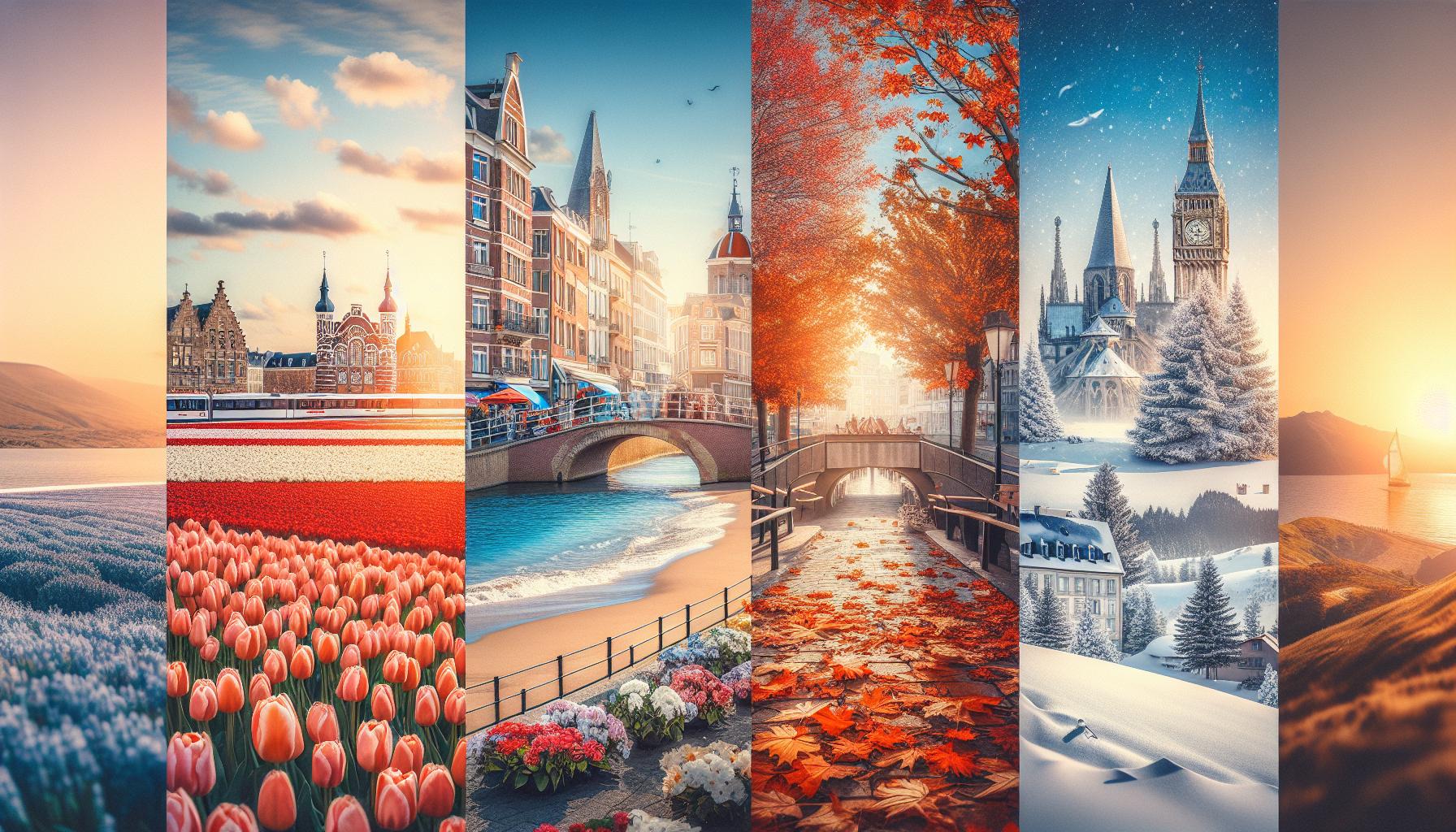
The right timing can make or break your European adventure, and understanding the seasonal nuances is vital for first-time travelers. Spring (March to May) is a magical time in Europe when flowers bloom and temperatures rise, perfect for exploring cities like Amsterdam, famous for its vibrant tulip gardens. While you might encounter occasional rain, the mild weather provides a comfortable backdrop for sightseeing and outdoor activities. Additionally, spring crowds are generally smaller than summer, allowing for a more relaxed experience at popular attractions.
Summer (June to August) is peak season across Europe, bustling with festivals, outdoor events, and longer days. Destinations like Barcelona and the Amalfi Coast are alive with locals and tourists, creating a vibrant atmosphere. However, this boost in tourism comes with higher prices and more crowded attractions. If you choose to travel during these months, consider visiting northern countries like Norway or Sweden, where you can experience the midnight sun and stunning natural landscapes without feeling overwhelmed by crowds.
Autumn (September to November) offers a unique charm, with golden foliage in places like Tuscany and fewer tourists as schools reopen. This shoulder season is ideal for exploring vineyards during harvest time in France and Italy, making for an exquisite culinary experience. Prices drop, and the weather remains pleasant, adding an extra incentive to plan your trip during these months.
Winter (December to February) brings a different perspective to European cities, transforming them into winter wonderlands. Christmas markets in cities like Vienna and Prague offer enchanting experiences with festive lights and seasonal treats. While cold weather might deter some, cozying up in cafés or enjoying winter sports in the Alps can be highlights of your trip. Just be prepared for shorter days and pack accordingly!
By understanding these seasonal insights, you’ll not only enhance your travel experience but also find the perfect time to explore everything Europe has to offer, tailored to your preferences and interests.
Budgeting for Your European Adventure: Costs and Savings Tips
Traveling through Europe can be a breathtaking journey filled with stunning sights, rich culture, and delectable cuisine. However, without careful budgeting, the cost of your adventure can quickly spiral out of control. Let’s delve into practical tips and insights to help you navigate the financial landscape, ensuring you experience all that Europe has to offer without breaking the bank.
Firstly, understanding the average daily expenses in Europe can significantly inform your budget. Generally, you can expect to spend between €70 to €150 per day, depending on your travel style-backpacker, mid-range, or luxury. Accommodations, meals, transportation, and activities will all factor into this equation. Here’s a brief breakdown of potential daily costs:
| Category | Budget Range |
|---|---|
| Accommodation (hostels, budget hotels) | €20 – €70 |
| Food (street food, local restaurants) | €15 – €40 |
| Transportation (public transit, city passes) | €5 – €20 |
| Activities (museums, tours) | €10 – €30 |
To stretch your funds further, consider traveling during the shoulder seasons of spring and autumn. Prices for flights and accommodations tend to drop outside peak summer months, and you’ll avoid the larger tourist crowds. Additionally, city passes can be a game-changer, offering discounted access to major attractions, transport, and sometimes even dining experiences.
Eating out can account for a significant chunk of your budget. Embrace local markets and food stalls for authentic, budget-friendly meals. Not only will you save money, but you’ll also taste the region’s true flavors. Try to dine where locals eat-often, these spots are much cheaper and offer a more genuine experience than touristy restaurants.
In terms of transportation within cities, prioritize walking or using public transit over taxis. Many European cities are incredibly walkable, allowing you to soak in the sights while saving money. For longer distances, consider budget airlines or trains, often providing efficient and stunning travel experiences. Booking in advance can yield significant savings, so plan your itinerary flexibly but strategically.
Lastly, keep an eye on currency conversions and fees. Credit cards are widely accepted, but check for foreign transaction fees that could add up. Alternatively, carrying a small amount of cash for local purchases and tips is always a good practice.
By considering these budgeting tips and planning ahead, you can enjoy an unforgettable European adventure that resonates with your spirit of exploration. Experience the continent’s wonders while managing your expenses wisely, ensuring a perfect blend of adventure and prudence.
Essential Packing List for a European Trip
When packing for a European adventure, it’s essential to blend practicality with style. Europe is diverse, with various climates, cultures, and activities, so a thoughtful packing list can make all the difference in your travel experience. Imagine wandering through the cobbled streets of Rome, hiking in the Swiss Alps, or enjoying a café in Paris-your gear should seamlessly adapt to all these scenarios. Here’s how to get it just right.
Clothing Essentials
Your clothing choices should prioritize versatility and comfort. Consider packing:
- Layering Pieces: A lightweight jacket, sweaters, and long-sleeve shirts are ideal for fluctuating temperatures.
- Comfortable Footwear: A good pair of walking shoes is indispensable. You’ll be on your feet exploring historic sites and vibrant markets.
- Quick-Dry Fabrics: These are perfect for unexpected rain showers or washing and drying overnight.
- Style Considerations: Europeans tend to dress more formally; pack a couple of chic outfits that you can wear for dinner or theater nights.
Travel Gear
Having the right travel gear can enhance your trip. Here’s what to consider:
- Daypack: A small backpack for daily outings allows you to carry your essentials like water, snacks, and a camera.
- Universal Adapter: Europe has varied plug types, so invest in a universal adapter to keep your devices charged without hassle.
- Reusable Water Bottle: Stay hydrated and reduce waste by carrying a water bottle, especially during long city walks.
Toiletries and Other Essentials
Efficient packing of toiletries is key:
- Travel-Sized Toiletries: Opt for travel-sized products or transfer your favorite items into smaller containers to save space.
- First Aid Kit: Carry basic items like band-aids, pain relievers, and any personal medications to cover minor inconveniences.
- Guidebook or Map: As much as we rely on smartphones, having a physical map can be handy in areas with spotty reception.
By focusing on these essentials, you’re setting the stage for a successful exploration of Europe. Each item serves a purpose, ensuring you’re prepared for the diverse experiences awaiting you while keeping your load manageable. This careful consideration allows you to travel light yet effectively, making your journey as enjoyable as possible.
Navigating Europe: Transportation Options for Travelers
Traveling through Europe can feel like stepping into a living postcard, where each city boasts its own vibrant culture, history, and charm. However, to truly experience the continent’s diversity, knowing how to navigate its various transportation options is essential. Europe is renowned for its robust transportation network, making it relatively easy for travelers to explore multiple countries or regions in a short span. Here’s your guide to the best ways to get around.
Train Travel
Europe’s train system is unparalleled, connecting major cities and regions with efficiency and comfort. High-speed trains like the TGV in France, Eurostar connecting London and Paris, and the AVE in Spain can whisk you across countries in mere hours. Consider getting a Eurail Pass for unlimited travel across 33 countries if you plan to hop between numerous destinations; it can save you both time and money.
- Flexibility: Trains often run frequently, allowing for spontaneous travel plans.
- Scenic Views: The countryside views can be stunning, offering a picturesque backdrop to your journey.
Buses and Coaches
For those on a budget, intercity buses offer an affordable alternative to trains. Companies like FlixBus and Eurolines cover extensive routes across Europe. While bus travel may take longer than its train counterpart, it often provides a more economical option, with many buses equipped with Wi-Fi and comfortable seating.
- Cost-Effectiveness: Tickets can be very cheap, sometimes as low as €5 if booked in advance.
- Direct Routes: Buses often reach destinations that may not have direct train services.
Air Travel
If you’re looking to cover long distances quickly, budget airlines like Ryanair, EasyJet, and Wizz Air can be your best friends. Just keep in mind that while the flight might be short, you’ll need to factor in time for airport security and transfers.
- Airports: Major cities have multiple airport options; choosing smaller airports can sometimes yield better fares.
- Advance Booking: Like trains, airfare tends to be cheaper when booked ahead of time.
Local Transportation
Once in a city, public transportation systems-including buses, trams, and subways-are typically efficient and cost-effective. Most major cities offer day passes that provide unlimited travel for a set number of hours.
- Walking: Many European cities are best explored on foot, allowing you to soak in the architecture and local vibe.
- Bicycles: Consider renting a bike where bike-sharing programs are popular; it’s a fun and eco-friendly way to get around.
In summary, whether you opt for the speed of trains, the economy of buses, the sheer convenience of flying, or the charm of local transport, Europe’s transport network will cater to your travels. By planning strategically and making use of the available options, you can effortlessly navigate the continent and make the most of your journey between captivating cities and breathtaking landscapes.
Where to Stay in Europe: From Hostels to Luxury Hotels
When it comes to finding the perfect place to stay in Europe, the options are as diverse as the continent itself, catering to every budget and travel style. Whether you’re a backpacker seeking budget hostels, a family looking for comfortable hotels, or a couple dreaming of a luxurious getaway, Europe has you covered. With tens of thousands of accommodations available, it’s essential to know how to navigate this vibrant landscape to enhance your travel experience.
Budget-Friendly Hostels
For adventurous travelers on a tight budget, hostels are a fantastic option. They not only provide a bed but also an opportunity to meet fellow travelers from all over the world. Many hostels offer communal kitchens and lounge areas where you can socialize. Popular choices include the Generator Hostel chain in major cities like Berlin and Barcelona, which combine style with affordability. Don’t forget to check platforms like Hostelworld or Booking.com for unique options like boutique hostels that blend the experience of a hotel with the community vibe of a hostel.
- Tip: Consider booking in advance, especially during peak tourist seasons, to secure the best rates.
- Local Insight: Look for hostels that offer walking tours and group activities; it’s a great way to meet others and explore the city.
Mid-Range Hotels
If you’re seeking comfort without breaking the bank, mid-range hotels are the perfect compromise. Chains like Ibis and Holiday Inn provide clean, comfortable rooms with essential amenities, often located near major attractions. For a touch of local flavor, look for family-run hotels that offer personalized service and authentic experiences. Websites like Airbnb can also provide a variety of unique stays, from private rooms to entire homes, giving you a local’s perspective on the neighborhood.
- Cost Range: Expect to pay between €70-€150 per night in this category, depending on the city.
- Booking Tip: Sign up for loyalty programs to earn perks and potentially lower prices on stays.
Luxury Accommodations
For those willing to splurge, Europe boasts some of the most luxurious hotels in the world. Staying at places like The Ritz in Paris or the Belmond Hotel in Venice can transform your trip into an opulent experience filled with gourmet dining and stunning views. Many luxury hotels come equipped with spas, fine dining restaurants, and exclusive services that create unforgettable memories. Consider booking during off-peak seasons for better rates and special deals.
- Must-Try: Enjoy high tea at iconic locations or relax at a luxury spa after a long day of sightseeing.
- Insider Tip: Sign up for newsletters and follow social media accounts for exclusive deals and last-minute offers.
In summary, selecting where to stay in Europe can set the tone for your entire trip. Whether you choose a lively hostel, a cozy mid-range hotel, or a glamorous luxury accommodation, ensuring your choice aligns with your travel style and budget will help you create lasting memories. With thoughtful planning and a little research, you can find the ideal home base to explore the wonders of Europe.
Cultural Etiquette: Understanding Local Customs in Europe
Understanding the intricate tapestry of cultural etiquette across Europe can elevate your travel experience from ordinary to extraordinary. Each country boasts its own unique customs, gestures, and social norms that shape everyday interactions. A little awareness can not only help you avoid faux pas but can also endear you to locals, fostering meaningful connections and enhancing your overall journey.
Start with greetings, which vary widely. In many Mediterranean countries like Italy and Spain, a warm handshake or a friendly kiss on the cheek is customary. However, in countries like the UK and Germany, a firm handshake and maintaining eye contact are more typical. Always greet people in their native language if possible; a simple “Bonjour” in France or “Hallo” in Germany goes a long way in breaking the ice and showing respect.
Dining etiquette is another cornerstone of cultural interactions. In France and Italy, it’s customary to keep your hands on the table (but never your elbows!) while dining. In contrast, in the Nordic countries, people often keep their hands on their laps until served. Tipping practices also vary: while a service charge may be included in your bill in some places, in others, rounding up the bill or adding 5-10% is appreciated. When in doubt, observe how locals handle their dining scenarios or ask your host for guidance.
When it comes to public transportation, be mindful of local norms. In cities like London, it’s polite to stand on the right side of escalators, allowing others to pass on the left. In contrast, in many Italian cities, it’s common for people to speak loudly on the phone or engage in animated conversations, reflecting their zest for life. Adapting to these local customs can help you blend in and show appreciation for the culture.
Finally, remember that certain gestures also carry different meanings across cultures. What might be a friendly gesture in one country could be offensive in another. For instance, the “OK” sign can be seen as vulgar in some Mediterranean countries. Always take a moment to observe local behaviors and follow suit-this not only shows respect for your hosts but also enriches your travel experience with invaluable insights into their way of life.
In summary, embracing the local customs and etiquette when traveling in Europe not only demonstrates cultural sensitivity but also fosters deeper connections with the places you visit, turning fleeting encounters into lasting memories.
Food and Dining: Must-Try Dishes and Dining Tips
Embarking on a culinary journey through Europe is one of the most enriching experiences you can have while traveling. Each country boasts its own distinctive flavors, techniques, and traditional dishes that reflect its culture and history. From savory pastries in France to hearty stews in Hungary, the food scene is as diverse as the continent itself. You won’t just fill your stomach; you’ll create memories through the meals you share, from bustling street markets to quaint family-owned restaurants.
Must-Try Dishes Across Europe
As you traverse through various countries, make sure to indulge in a few iconic dishes that define the local palate:
- Italy: No visit is complete without savoring Pizza Napoletana in Naples or Risotto alla Milanese in Milan. Don’t forget to treat yourself to authentic gelato for dessert.
- France: Try the coq au vin or a classic ratatouille in the south, and pair it with a fine wine selection. Be sure to sample fresh croissants at a local boulangerie!
- Spain: Dive into the world of tapas, with patatas bravas and jamón ibérico being top choices. Also, experience a traditional paella in Valencia.
- Greece: Don’t miss moussaka or souvlaki, paired with a refreshing tzatziki sauce. Enjoy your meals at a seaside taverna for the perfect ambiance.
- Germany: Indulge in wurst (sausage) varieties paired with sauerkraut and relish pretzels for a true taste of German culture.
Dining Tips to Elevate Your Experience
To make the most of your dining experiences in Europe, keep these tips in mind:
- Timing is Key: European locals often dine later in the evening compared to other regions. In Spain, for instance, dinner generally starts around 9 PM.
- Explore Local Markets: Visit farmers’ markets for fresh produce and local specialties. Not only are you likely to find great deals, but you can also speak directly with the producers.
- Reservations Matter: If you plan to dine at a popular restaurant, especially in major cities, make reservations in advance to avoid long waits.
- Mind the Tipping Etiquette: Tipping customs vary by country; in some, it’s customary to round up the bill, while in others, service is included. Always check beforehand.
Remember, the culinary landscape of Europe is ripe for exploration. Embrace the flavors, engage with the locals, and enjoy the experience of dining in different environments-from street carts in bustling plazas to cozy cafes tucked away in charming alleyways. Every meal is a story, and you’re invited to be part of it. Bon appétit!
Insider Tips: Avoiding Common Tourist Traps in Europe
When visiting Europe, it’s easy to fall into the trap of tourist hotspots, which can lead to overblown prices and underwhelming experiences. To truly enjoy the diversity and richness of this continent, you’ll want to blend in with locals and venture off the beaten path. Here are some insider tips to help you dodge those common tourist traps and make the most of your European adventure.
One of the first steps is to do your research ahead of time. Popular sights, such as the Eiffel Tower in Paris or the Colosseum in Rome, attract crowds and high prices. Instead, consider visiting lesser-known attractions nearby that offer similar experiences without the throngs of tourists. For instance, instead of climbing the Eiffel Tower, try ascending to the top of the Arc de Triomphe for a stunning view of the Champs-Élysées that few tourists take the time to explore.
Avoid Peak Hours
Timing can be your best friend when it comes to avoiding tourist traps. Early mornings and late afternoons are prime times for visiting popular spots. For instance, the Vatican Museums in Rome are less crowded just before they open or later in the day when group tours start to dwindle. Not only will you enjoy the sites with fewer people, but you might also find that some attractions-like public parks or monuments-are less crowded in the evening.
Eat Like a Local
Dining can often be a gamble near tourist attractions, where prices are inflated and food quality can be disappointing. To experience authentic cuisine, seek out local eateries that are favored by residents rather than tourists. These restaurants can often be found just a few blocks away from major attractions. A tip-off is often finding menus with no English translations-if you can’t read it, that’s a good sign it’s authentic!
Public Transportation and Walkability
Consider investing in a walking or public transport tour instead of the more expensive guided tours that might be popular among tourists. Cities like Barcelona, Amsterdam, and Lisbon are incredibly walkable and feature extensive public transport systems that allow you to explore at your own pace. Always check local transport apps to help you navigate effectively, as many cities offer options like bike rentals or trams that can save you time and money.
Using these tips, you can foster a more genuine experience in Europe, immersing yourself in local culture and history while avoiding the typical pitfalls that ensnare many first-time travelers. Dive into unique adventures and let spontaneity guide your journey-you’ll uncover hidden gems that add magical memories to your trip.
Creating Memorable Experiences: Activities for Every Traveler
Imagine strolling through the cobbled streets of Florence, the aroma of fresh pasta wafting through the air, or gliding along the canals of Venice, each twist revealing a charming piazza. Creating lasting memories in Europe involves indulging in unique experiences that cater to every type of traveler. From cultural immersion to outdoor adventures, there’s something for everyone, and the key is to blend popular attractions with hidden gems.
Adventure Seekers
For those who crave adrenaline, consider hiking the breathtaking trails of the Dolomites in Italy or exploring the volcanic landscapes of Iceland’s Reykjanes Peninsula. Try skiing in the Swiss Alps during the winter months, where world-class resorts await, or embark on a scenic bike ride through the vineyards of Bordeaux, France. These activities not only provide an invigorating perspective but also allow you to connect with local nature and culture.
Culture Enthusiasts
If art and history excite you, Europe is a treasure trove. Spend an afternoon at the Picasso Museum in Málaga, where you’ll find a dynamic collection in a stunning historic building. Alternatively, delve into the stunning architecture of Barcelona’s Gaudí with a visit to La Sagrada Familia and Park Güell. Check local calendars for cultural events, such as Flamenco shows in Seville or the Edinburgh Festival Fringe in Scotland, showcasing local talents and traditions.
Families and Kids
Traveling with children opens the door to extraordinary experiences. Consider a visit to Disneyland Paris, where the magic of Disney comes to life. Alternatively, head to Germany’s Europa-Park, one of Europe’s largest theme parks, offering attractions for all ages. Include educational stops, like the interactive science exhibits at the Exploratorium in San Francisco or the interactive museums of Amsterdam, which blend learning and fun seamlessly.
Relaxation and Wellness
If relaxation is your goal, Europe offers sanctuaries for wellness. Luxuriate in the thermal baths of Budapest or unwind at the Amalfi Coast with its idyllic beaches and charming cliffs. Book a wine-tasting excursion in Tuscany, where sipping on exquisite wines becomes a serene art. Don’t forget to explore local spas, where treatments often highlight regional herbs and ingredients, ensuring an authentic wellness experience.
By considering the diverse activities available, you’re sure to craft a memorable European journey that reflects your interests and passions. Whether you seek adventure, culture, family fun, or relaxation, the continent holds endless possibilities to create experiences that you’ll treasure for a lifetime. Dive in and let the allure of Europe shape your travels!
Safety Tips and Travel Insurance: Staying Secure in Europe
Staying secure during your European adventure is as crucial as exploring its stunning landscapes and vibrant cultures. While Europe is generally safe for travelers, being informed and prepared can enhance your experience and ease anxiety about potential risks. From pickpockets in bustling cities to unexpected medical emergencies, understanding safety measures can help you navigate your trip with confidence.
General Safety Tips
When wandering through historic streets or enjoying a meal at a local bistro, keep the following safety tips in mind to ensure a trouble-free experience:
- Stay Aware: Pay attention to your surroundings, especially in crowded areas like tourist attractions or public transport.
- Secure Your Belongings: Use anti-theft bags or keep valuables in front pockets, and consider wearing a money belt.
- Read Local Tips: Research common scams that occur in the cities you plan to visit, and don’t hesitate to ask locals for advice.
- Emergency Numbers: Familiarize yourself with local emergency numbers. In most countries, dialing 112 will connect you to emergency services.
Travel Insurance Essentials
Equally important is securing reliable travel insurance. This investment can provide peace of mind and financial protection against unforeseen circumstances. Consider these factors when choosing your policy:
- Medical Coverage: Ensure your plan covers health emergencies, as medical costs can vary significantly across Europe.
- Trip Cancellation: Look for a policy that offers reimbursement for canceled trips or unexpected travel disruptions, be it from illness or natural disasters.
- Luggage Protection: Including coverage for lost or stolen luggage and personal belongings can save you from stress and expense.
To select the best policy, compare different providers and read reviews to ensure reliability during your travels. Websites like Squaremouth or InsureMyTrip offer tools to help you navigate and compare various options.
By being mindful of safety and investing in travel insurance, you can focus on creating unforgettable memories, from sipping wine in Tuscany to exploring the historic ruins of Athens. Whether you’re marveling at the Eiffel Tower or savoring gelato in Rome, knowing you’re secure adds an invaluable layer of tranquility to your European journey.
Frequently Asked Questions
Q: What should I consider when planning my first European trip?
A: When planning your first European trip, consider factors such as your travel style, budget, and preferred destinations. Research the best times to visit each country, understand the local culture, and create an itinerary that balances must-see attractions with hidden gems. Read more about crafting your European itinerary in our guide.
Q: How can I travel between countries in Europe efficiently?
A: To travel efficiently between countries in Europe, use options like trains, budget airlines, or buses. Train services like Eurostar and Eurail offer convenient routes, while budget airlines provide fast connections. Booking in advance can help you save costs. Check our section on navigating Europe for more tips.
Q: What are common mistakes to avoid when traveling in Europe for the first time?
A: Common mistakes include underestimating travel costs, overcrowding your itinerary, and not learning basic local phrases. It’s essential to research your destination adequately and allow for flexibility in your plans. For more insider tips, explore our section on avoiding common tourist traps.
Q: How do I manage my budget while traveling in Europe?
A: To manage your budget, set a daily spending limit, use local transportation, and eat where locals dine instead of tourist traps. Booking accommodations in advance and using travel apps can help track expenses. For detailed budgeting advice, read our article on budgeting for your European adventure.
Q: When is the best time to book flights to Europe?
A: The best time to book flights to Europe is typically 3 to 6 months in advance for the best deals. Prices often rise as the travel date approaches. Consider flying in off-peak seasons like late fall or early spring for lower rates.
Q: What travel essentials should I bring to Europe?
A: Essential items for a European trip include a reliable travel adapter, comfortable walking shoes, layers for changing weather, and a reusable water bottle. Don’t forget to have copies of important documents. For a full packing list, check our section on the essential packing list for a European trip.
Q: How can I stay connected while traveling in Europe?
A: Stay connected by purchasing a local SIM card or using international roaming plans from your carrier. Many cities offer free Wi-Fi in public areas, so research local options. Ensure your devices are ready for travel with appropriate settings for data use.
Q: What are the local customs I should be aware of in Europe?
A: Local customs vary by country, but general etiquette includes greeting people with a smile, using basic polite phrases in the local language, and being aware of dining norms like tipping standards. Understanding cultural etiquette can enhance your travel experience immensely.
The Way Forward
As you embark on your unforgettable European adventure, remember the invaluable insights you’ve gathered in this guide. From selecting the perfect destinations to practical tips on packing, budgeting, and navigating the continent, you’re now equipped to make the most of your first trip. Don’t wait-start crafting your itinerary today and consider tools like our Travel Budget Calculator and Destination Highlights pages to tailor your experience further.
Have questions or need advice? Drop a comment below, and let’s share our travel stories! For even more travel tips, check out our guides on Traveling Europe on a Budget and Must-Visit Cities in Europe. We’re here to inspire and support you every step of the way. Your European adventure awaits-let’s go make some memories!