Exploring Europe’s charming streets and picturesque towns often means navigating cobblestones and uneven terrain. Did you know that choosing the right walking shoes can significantly enhance your travel experience? Comfort and support are essential for long days of exploration, turning potential discomfort into enjoyable adventures. In this guide, we’ll help you discover the best walking shoes that combine style, durability, and comfort, ensuring your feet are as ready for cobblestone streets as your heart is for the journey ahead. With insights tailored for every type of traveler, from families to solo explorers, you’ll learn how to pack wisely and choose footwear that keeps you on your feet and off the sidelines. Let’s dive into making your European adventure not just memorable, but also comfortable!
Choosing the Perfect Walking Shoes for European Adventures
Exploring Europe often means cobblestone streets, charming alleyways, and endless opportunities for wandering. But to truly enjoy each moment, the foundation of your journey should start with the perfect pair of walking shoes. Not all footwear is created equal when it comes to traversing historic cities and rural landscapes. As you select your go-to travel shoes, keep in mind the unique challenges that European terrain presents.
Key Considerations for European Walking Shoes
When choosing shoes for your European escapades, aim for a combination of comfort, durability, and support. Here are some crucial aspects to consider:
- Comfortable Footbed: Look for a cushioned insole that provides arch support, perfect for long hours of walking.
- Breathable Materials: Opt for breathable fabric to keep your feet cool and dry, especially during warmer months.
- Traction: A rubber outsole with good grip will help you navigate slick cobblestones or uneven paths safely.
- Lightweight Design: Lightweight shoes will reduce fatigue, allowing you to walk further with ease.
Finding the Right Fit
Fit is paramount. Always try on shoes with the socks you’ll wear on your trip, as thickness can affect how they feel. Walk around the store to ensure no pinching occurs, and be aware that feet can swell throughout the day. If possible, visit a store specializing in outdoor or travel footwear, where staff can provide personalized advice.
Testing Before You Travel
Once you’ve selected a pair, give them a thorough trial run before your journey. Walking on varied terrains mimics what you’ll encounter abroad. This will not only help break them in but allow you to assess their comfort under different conditions. Consider hiking around local parks and urban areas to gauge performance.
By thoughtfully selecting your walking shoes in advance, you’ll be better prepared to explore Europe’s beautiful landscapes and iconic cities, making your travel experience both enjoyable and comfortable.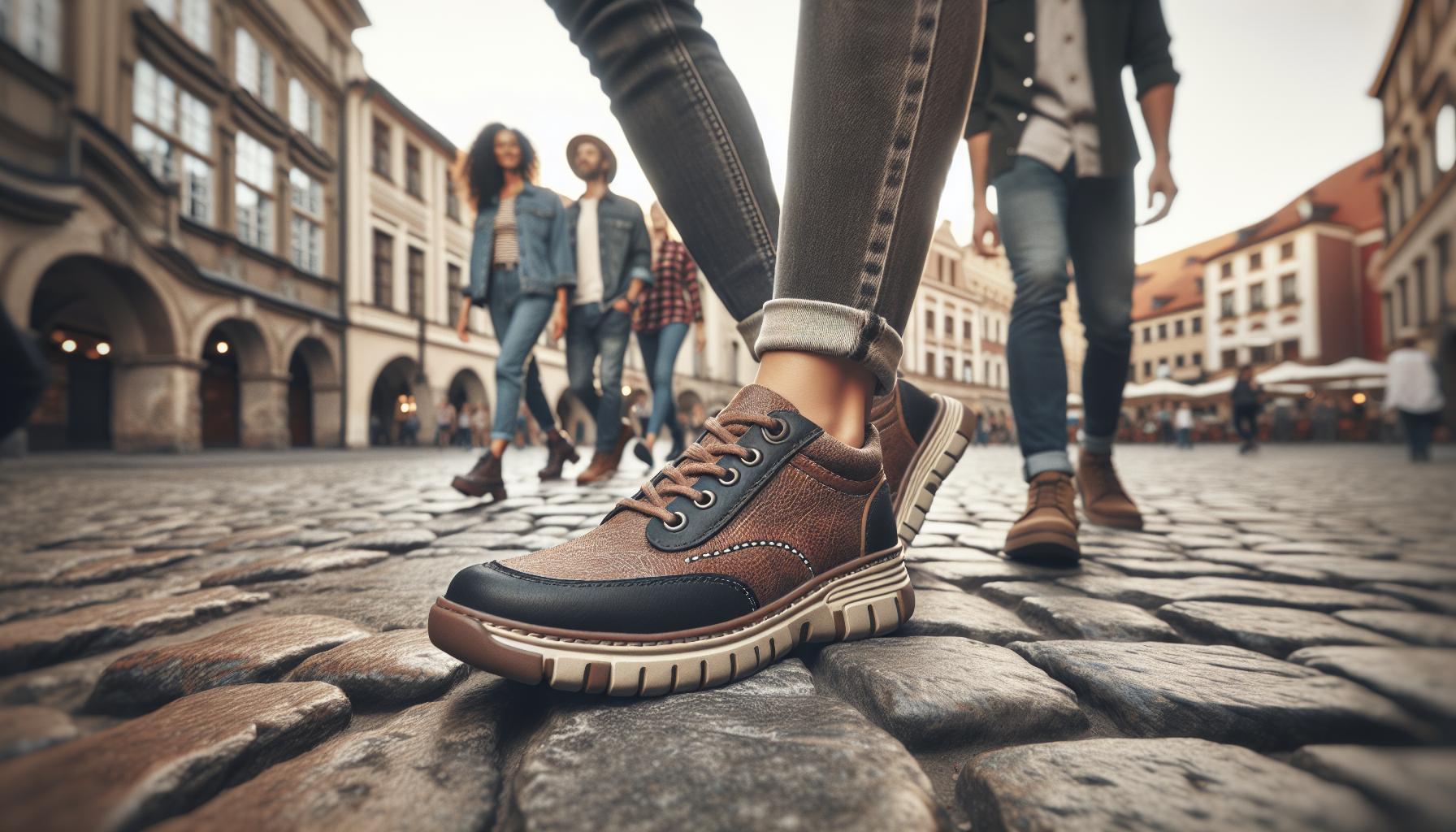
Top Features to Look for in Cobblestone-Ready Shoes
Walking through Europe means embracing the charm of cobblestone streets, but these beautiful pathways can put your footwear to the ultimate test. When searching for shoes that can handle rugged European terrain while keeping you comfortable, there are specific features that can make all the difference.
Challenging surfaces call for excellent traction; look for shoes designed with a rubber outsole that features a multidirectional tread pattern. This will provide you with the grip needed to conquer those slippery cobblestones after a rain shower or navigate uneven walks through historic districts. Additionally, a shock-absorbing midsole is vital for providing cushioning during long strolls, ensuring that the jarring impact is softened with each step.
Breathability is another crucial aspect, especially if you’re tackling the sights during warmer months. Choose shoes made with breathable mesh or other moisture-wicking materials that help regulate temperature and keep your feet dry. This feature is particularly beneficial in places like Florence or Barcelona, where you’ll likely spend hours exploring under the sun.
Fit is equally significant-your walking shoes should offer ample toe room without being too loose. This is where a removable insole can come in handy; you can customize the fit by swapping it out for a more supportive or orthopedic option as needed. Many travelers swear by models that allow for easy adjustment, such as those with lace-up closures or velcro straps, ensuring a snug fit while accommodating any swelling that might occur during a day of extensive walking.
Lastly, consider the weight of the shoe. If you’re hopping from one picturesque city to another via train or plane, a lightweight design helps keep your luggage manageable while ensuring comfort on the go. With these features in mind, you’re not just buying shoes; you’re investing in a comfortable travel experience, allowing you to make the most of every cobblestone-filled adventure.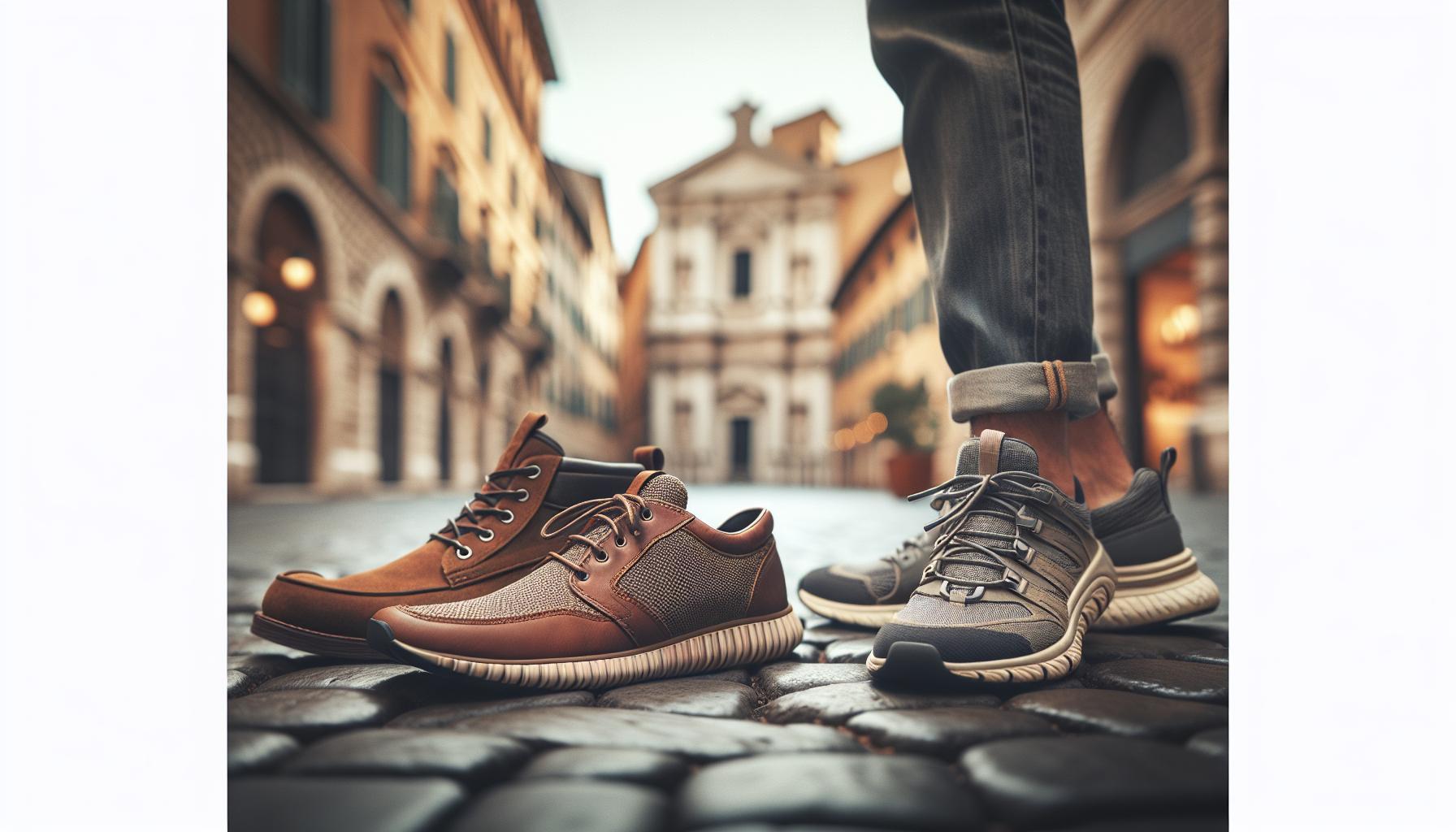
Best Walking Shoe Brands for Travel in Europe
When it comes to traversing Europe’s charming yet uneven cobblestone streets, the right pair of walking shoes can make or break your experience. Certain brands have developed a reputation for creating footwear that combines comfort, support, and style-perfect for both exploring picturesque towns and enduring long city strolls.
Top Walking Shoe Brands for European Travel
- Merrell: Known for their exceptional comfort and durability, Merrell shoes often feature a cushioned footbed and excellent traction, making them ideal for cobblestone surfaces. Their designs, like the Merrell Moab model, provide excellent arch support, ensuring you can walk for hours without discomfort.
- Skechers: This brand has gained popularity for its lightweight and breathable shoes, offering great cushioning and flexible fit. Models such as the Skechers Go Walk series emphasize comfort, allowing you to navigate busy markets and historic sites with ease. Their stylish designs also mean you won’t have to compromise on aesthetics.
- Salomon: If your travels might take you from urban streets to nature trails, Salomon’s rugged and supportive shoes are a fantastic choice. Their advanced traction and water-resistant features elevate them for unpredictable European weather, making them practical for both city and countryside adventures.
- New Balance: With a variety of walking-specific models, New Balance strikes a balance between style and comfort. Their shoes are known for substantial support and wide fit options, catering to those who may have specific size or width needs. The Fresh Foam line provides a soft landing with every step, perfect for long days exploring.
- Asics: Renowned for their superior cushioning and support, Asics shoes, such as the GEL-Nimbus series, are crafted for extensive walking. The brand’s technology aids in shock absorption, reducing fatigue and discomfort during long explorations in cities like Rome or Paris.
By selecting from these esteemed brands, you are sourcing footwear designed for long-wearing comfort on various surfaces-essential for your European getaway. Remember to prioritize finding a shoe that aligns with your travel style, whether you’re wandering through art-filled streets, enjoying local cuisine, or taking in stunning landscapes. This thoughtful selection can greatly enhance your adventure while keeping your feet happy!
Comfort vs. Style: Finding the Balance
It’s no secret that the right walking shoes can enhance your travel experience, especially when meandering through Europe’s beautiful yet challenging cobblestone streets. The quest to find footwear that marries comfort with style is often what makes or breaks a happy exploration. After all, who wants to be that traveler, caught between sore feet and a disheveled look? Thankfully, with a keen eye and some research, achieving that coveted balance can be easier than you might think.
First and foremost, it’s essential to prioritize comfort, particularly if your itinerary involves extensive walking. Look for features like cushioned insoles, arch support, and breathable materials to ensure your feet stay comfortable, even after hours of sightseeing. However, comfort doesn’t have to come at the expense of style. Many brands now focus on creating shoes that are both functional and fashionable. For instance, the versatile designs of brands like New Balance and Skechers allow you to pair them with a variety of outfits, from chic city wear to casual attire, leaving you looking polished without sacrificing comfort.
Remember that your walking shoes will likely be seen in countless travel photos, so opting for shoes in classic colors or sleek designs can help you maintain a stylish appearance. Consider models that come in a range of colors or patterns to suit your personal style. A good option could be the Merrell Moab, which not only provides excellent support but also offers a sleek look that transitions well from day to night.
Lastly, don’t forget that the right balance also means being adaptable. Pay attention to the types of terrain and climates you might encounter. For hot days in cities like Barcelona, lightweight and breathable shoes are essential, whereas a sturdier option might be required for the rain-soaked streets of London. Striking the right balance between comfort and style is about understanding your travel needs and personal flair, allowing you to enjoy every moment of your European adventure in confidence.
Lightweight vs. Supportive: What You Need to Know
When traversing Europe’s enchanting streets, the debate between lightweight versus supportive shoes can feel daunting, especially when faced with those uneven cobblestones. The right choice can make or break your travel experience, so let’s dive into what you truly need to know. Lightweight shoes are often touted for their breathability and comfort, ideal for wandering sunny plazas or exploring bustling markets. They can help minimize fatigue, especially during long walks. However, lightness doesn’t always equate to support, which is critical when you’re on your feet for hours, tackling various terrains.
Understanding the Balance
Finding a harmonious blend of lightweight materials and adequate support is essential. Look for shoes featuring technologies designed to provide cushioning without weighing you down, such as EVA foam or gel inserts. These materials can offer the pivot you need while keeping the overall weight manageable. A perfect example is a hybrid walking shoe that incorporates mesh panels for ventilation while maintaining a sturdy heel and arch structure, ensuring you don’t compromise on support. Brands like Salomon and Hoka One One specialize in this balance, providing options that are lightweight yet highly supportive.
Consider Your Itinerary
Your choice should align closely with your travel plans. If your European adventure includes extensive city walking with occasional hikes, supportive shoes might be your best bet. Sturdier footwear can protect against the stresses of varied landscapes and prolonged activity. Think about models that feature a firm midsole and a tread specially designed for grip-essential for navigating city sidewalks that can feel slippery after rain.
- Ideal Scenarios for Lightweight Shoes: Short city strolls, warmer weather, and casual sightseeing.
- When to Choose Supportive Options: Long days of walking, uneven surfaces, and diverse climates.
Ultimately, investing in a pair of shoes that seamlessly integrate lightweight design with supportive features will pay off with every charming step taken through European cities. Test them out before your trip-walk around your home to assess their comfort level and break them in. This foresight minimizes the risks of blisters and soreness as you embark on your next adventure!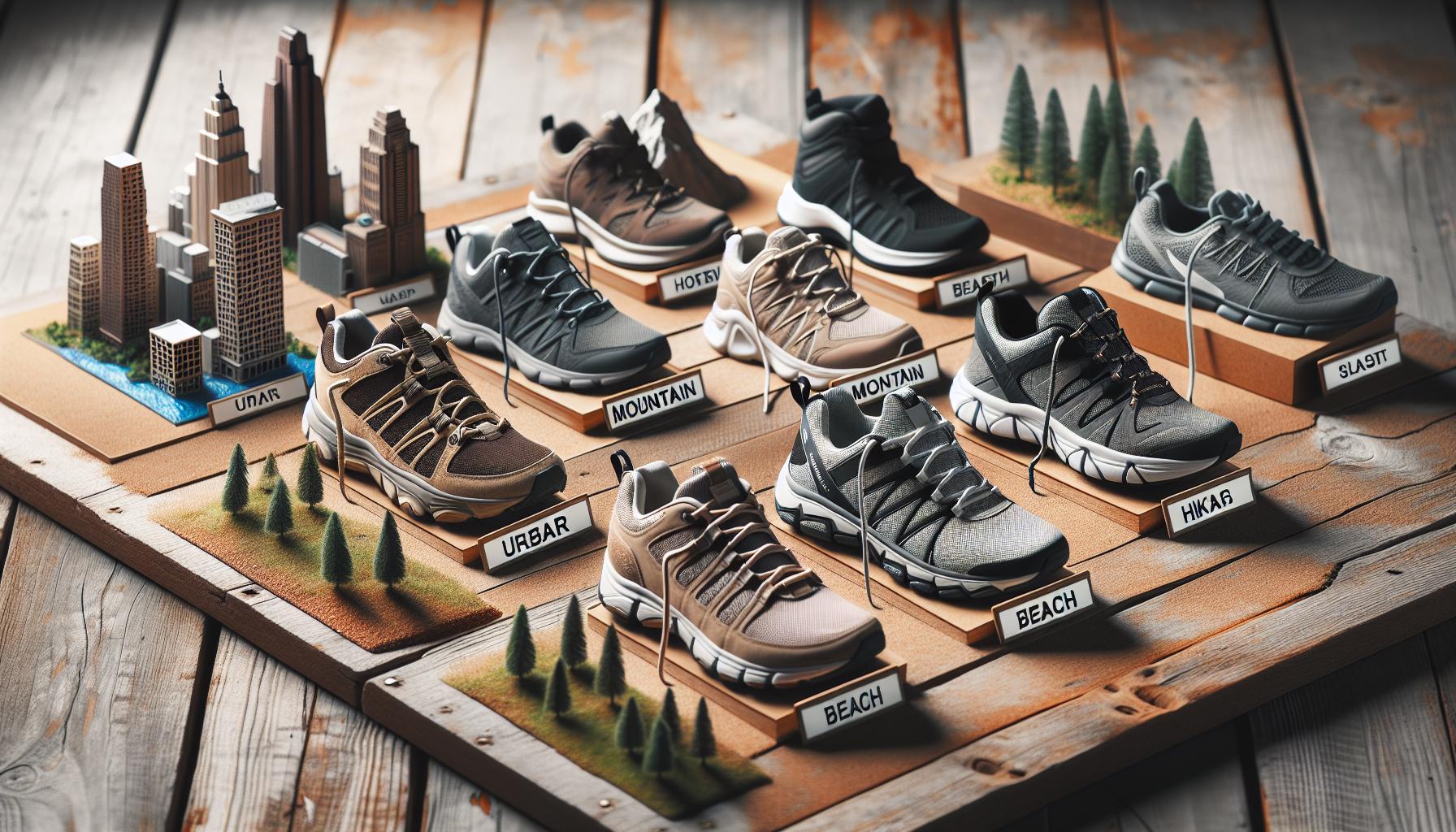
Top Picks for Walking Shoes by Destination
Exploring Europe’s cobblestone streets presents a captivating blend of history and culture, but the right footwear can significantly enhance your adventure. Whether you’re savoring gelato in Rome, navigating the charming alleyways of Prague, or soaking in the vibrant atmosphere of Barcelona, having the perfect walking shoes is crucial for comfort and style.
For cities known for their uneven terrains and historical landscapes, supportive shoes like the Merrell Moab 2 Vent are fantastic. Famed for their traction and cushioning, these shoes adapt well to various surfaces, providing support for those long days of sightseeing. If you’re heading to Paris, where walking is part of the charm, consider going with Saucony’s Peregrine. The rugged sole is perfect for exploring both city and park paths, making it versatile for both urban and outdoor escapades.
Venturing into the art-laden streets of Amsterdam? Adidas Terrex Swift shoes offer a sleek design with robust support and waterproof features, ideal for the chance rain showers that can catch you off guard. Meanwhile, those traveling to the hilly regions of Lisbon will appreciate the grip and stability of the Salomon X Ultra 3 GTX, which ensures you can conquer those steep slopes without a second thought.
In your packing list, make sure to include breathable socks and insoles if needed to enhance comfort even further. Remember to check if the shoes have a break-in period-testing them out beforehand will make all the difference in ensuring blisters don’t hinder your exploration. Your choice of walking shoes should reflect not just your style, but also your itinerary and experience, making memorable European adventures even more enjoyable.
How to Break in Your Shoes Before Your Trip
Breaking in new walking shoes is essential before your European adventure, especially when navigating the historic cobblestone streets. Did you know that wearing untested footwear can lead to discomfort, blisters, and even long-term injuries? To ensure that your new shoes provide both comfort and support during your travels, follow these practical steps to give them a proper break-in period.
Start by wearing your shoes for short periods at home. Gradually increase the duration as your shoes start to mold to your feet. A good approach is to wear them during routine activities, like grocery shopping or casual strolls in the park. Aim for a minimum of 2-3 hours a day, allowing your feet to adjust and the shoes to flex naturally. Keep track of any hot spots or discomfort to identify areas that may require additional attention.
Tips for a Successful Break-In
- Alternate Your Shoes: Don’t wear your new shoes every day right away. This helps prevent unnecessary pain and allows your feet to recover.
- Choose the Right Socks: Invest in high-quality, breathable socks that provide cushioning. This can significantly enhance comfort and help reduce friction.
- Walk on Varied Surfaces: Since you’ll encounter different terrains in Europe, try walking on various surfaces like grass, pavement, and gravel. This practice will prepare your feet for the diverse landscapes you’ll experience.
Consider using your shoes during mild exercise sessions too, like light jogging or walking on inclined surfaces. This not only speeds up the break-in process but also helps strengthen your feet in preparation for extensive walking throughout your journey. If you encounter prolonged discomfort, it may be worth visiting a shoe specialist who can recommend solutions tailored to your foot shape and movement.
Lastly, keep in mind that every shoe has a break-in period. Don’t rush the process; take the time needed to ensure your new footwear meets your comfort requirements. With properly broken-in shoes, you’ll be free to enjoy all the breathtaking sights and hidden gems that European cities have to offer without the distraction of painful blisters or sore feet. Happy exploring!
Maintaining Comfort: Tips for Long Days of Exploring
Long days of exploring Europe, especially through its picturesque cobblestone streets, require careful consideration of comfort. You’re likely to walk several miles daily, and the right approach can make all the difference in ensuring that your feet stay happy and energized. Here are some practical tips to maintain comfort throughout your adventures.
One of the most effective strategies is to take regular breaks. Even the most comfortable walking shoes can lead to fatigue if worn continuously without rest. Plan your itinerary to include stops at cozy cafés or scenic parks where you can sit down, stretch your legs, and recharge. Not only does this allow for recovery, but it also gives you a chance to soak in the local atmosphere and perhaps grab a delicious pastry or coffee.
Next, consider incorporating foot care into your daily routine. Bring a small kit that includes blister pads, soothing ointments, or even a travel-sized foot spray to refresh tired feet. At the end of an adventurous day, take a moment to elevate your feet-this can help reduce swelling and restore circulation. A simple exercise like rolling your feet over a small ball or stretching them out can also bring relief.
Another key to comfort is wearing the right socks. Opt for moisture-wicking, padded socks that provide cushioning while allowing your feet to breathe. Avoid cotton socks as they retain moisture and can lead to blisters. Instead, look for blends that include merino wool or specialized synthetic fibers designed for walking.
Lastly, if you’re out and about for long hours, ensure your hydration levels are kept up. Dehydration can lead to fatigue, which might cause you to overlook the signs of discomfort in your feet. Carry a reusable water bottle to keep yourself hydrated throughout the day, making your exploration not just enjoyable but sustainable as well. These mindful practices will help you maintain comfort, allowing you to fully embrace your European adventure without the downside of sore feet.
Packing Essentials: What to Bring Along
When packing for a European adventure where cobblestone streets are your primary path, practicality meets comfort in what you bring along. A well-thought-out packing list can elevate your travel experience, turning long days of exploring into memorable adventures rather than exhausting trudges. Whether you’re wandering through the historic alleys of Rome or cruising the canals of Amsterdam, here’s what you shouldn’t leave home without.
Essential Footwear Accessories
While the shoes you choose are crucial, don’t underestimate the impact of supportive accessories. Consider packing:
- Insoles: Custom orthotic insoles can give your walking shoes a significant comfort boost, reducing foot fatigue.
- Blister prevention tools: Bring blister pads or gel patches to protect sensitive areas and keep you moving comfortably.
- Extra shoelaces: If you’re planning a lot of walking, it’s smart to have backup laces in case one breaks.
Lightweight Clothing Layers
Clothing choices are just as essential as your shoes. Remember to pack lightweight, breathable clothing that you can layer. Look for:
- Moisture-wicking shirts: These help keep you dry and comfortable, especially on warm days.
- Lightweight, packable jackets: A stylish yet functional jacket for unexpected weather changes can maintain your comfort.
- Flexible trousers or shorts: Choose pieces that are versatile for both city explorations and casual dinners.
Foot Care Kit
Maintaining comfort is impossible without taking care of your feet. Assemble a simple foot care kit that should include:
- Foot cream: A good moisturizer can help save your feet from drying out, especially after long hours in shoes.
- Antiperspirant for feet: A specialized foot spray can help control moisture and reduce odor.
- Yoga or Stretching Bands: These can be great for both keeping your muscles limber and relieving foot and leg tension after a long day.
Travel-sized Hydration Gear
Staying hydrated while exploring is key to fending off fatigue. A reusable water bottle is a must; look for options that fit easily into your bag. Consider:
- Filters: If you’re traveling to areas where tap water isn’t reliable, a filter will keep you refreshed.
- Flavor enhancers: Having small packets of your favorite drink mix can make hydration more enjoyable.
By preparing with the essentials listed above, you’ll ensure that your European adventure is as comfortable and enjoyable as possible. With the right footwear and supportive accessories, you’ll be ready to explore everything from art galleries to charming cafés without a second thought about your feet. Happy traveling!
Weather Considerations: Choosing Shoes for Different Seasons
European cities are renowned for their charming cobblestone streets, which can be both beautiful and challenging when it comes to footwear. Your choice of walking shoes can significantly impact your comfort and enjoyment, especially as seasons change. It’s essential to tailor your footwear to the weather conditions you’ll face on your adventure. Here’s how to choose wisely based on different seasons, ensuring you’re equipped to explore with ease.
In the spring, temperatures can be unpredictable, often swinging between cool breezes and warmer afternoons. Opt for breathable shoes that provide solid support. Sneakers made with mesh or lightweight materials offer the ventilation needed on sunny days, while still being sturdy enough for long walks. Consider packing a pair of lightweight waterproof shoes or boots to navigate unexpected rain showers, which are common during this season.
As summer arrives, the charm of Europe is undeniable, but the heat can be intense, especially in southern regions. Choose sandals or lightweight trainers that allow your feet to breathe. Look for shoes with good arch support to counteract fatigue from prolonged walking. Shoes with moisture-wicking properties will help keep your feet dry and comfortable. Don’t forget to pack an extra pair; wearing your shoes all day might lead to discomfort as the heat rises, and switching to a fresh pair can make a significant difference.
Autumn often transforms cities into picture-perfect destinations with its vibrant foliage, but temperatures can dip, and rain becomes more frequent. Your best bet here is to go for water-resistant shoes that are still breathable. Look for options with rubber soles for slip resistance on wet surfaces. A pair of ankle boots can also add an extra layer of warmth, making them a versatile choice for both city excursions and transitional weather.
Winter in Europe can range from chilly to freezing, depending on where you are. Snow and ice can be a concern, so invest in shoes that are both insulated and waterproof. Consider styles with non-slip soles to secure your footing on icy streets. Thermal insoles can provide extra warmth, while also enhancing comfort. If your itinerary includes visits to snowy locations, look for shoes with additional traction and heat retention features, ensuring your feet stay warm while you explore.
Regardless of the season, understanding how weather impacts your footwear can greatly enhance your travel experience. With the right choices, you’ll not only navigate Europe’s cobblestone streets comfortably but also enjoy every step along the way.
Traveler Stories: Real Experiences in European Cities
Exploring the enchanting streets of European cities means embracing both their beauty and the challenges they present-especially when it comes to cobblestone pathways. A traveler’s choice of walking shoes can make or break the experience. Take Sarah, for example, a traveler who spent ten days wandering through Prague. Initially armed with fashionable sandals, she learned the hard way that comfort trumps style on uneven, historic streets. After one day filled with blisters, she switched to a pair of supportive, lightweight hiking shoes. This change allowed her to enjoy her visit to Charles Bridge and Old Town Square without pain, proving that the right footwear can lead to a far more enjoyable adventure.
When visiting Lisbon, John and his family discovered the city’s hilly terrain and scattered cobblestones required a different approach. They all wore sneakers with thick rubber soles and good arch support, which provided traction while navigating steep inclines and declines. John highlights how much of a game-changer their shoes were during a visit to the Alfama district. While the historic architecture was breathtaking, the fear of slipping on uneven pavements quickly faded, allowing the family to immerse themselves in local culture, sample pastel de nata, and even go on spontaneous explorations.
For travelers during the winter months in cities like Vienna, waterproof insulated shoes became a necessity. Anna, a solo female traveler, faced a snowy adventure during a Christmas market visit. She opted for ankle boots with a sturdy grip and thermal lining, which not only kept her feet warm but also allowed her to enjoy the local holiday festivities without worrying about slipping. Her choice of footwear made it easy to navigate between stalls selling mulled wine and handmade crafts, proving that appropriate shoes are as essential as planning your itinerary.
Ultimately, stories like these emphasize a common theme among seasoned travelers: the value of prioritizing comfort over fashion. Investing in well-designed walking shoes not only enhances your comfort but also enriches your experience-allowing you to cover more ground, soak in the sights, and decide on spontaneous detours in Europe’s most captivating cities. Equip yourself for the journey with the knowledge that cobblestone-ready shoes can provide you the freedom to wander and discover to your heart’s content.
How to Care for Your Walking Shoes on the Road
Taking care of your walking shoes while on the road can significantly extend their lifespan and keep your feet comfortable through countless adventures. After all, those trusty kicks are your best friends as you wander the charming streets of Europe! Here are practical steps to ensure your footwear remains in top condition.
Clean Regularly
Dust and debris can accumulate quickly, especially when traversing cobblestone paths or muddy terrains. To prevent buildup:
- Brush off dirt with a soft-bristle brush after each use.
- For deeper cleaning, use mild soap and water, ensuring to scrub gently to avoid damaging the material.
If your shoes are leather, consider applying a specialized leather cleaner for optimal maintenance.
Dry Properly
If your journey takes a turn through unexpected rain, it’s crucial to dry your shoes correctly to avoid deterioration:
- Remove insoles to allow airflow and help them dry faster.
- Never place shoes by direct heat sources; instead, stuff them with newspaper to absorb moisture while maintaining their shape.
For waterproof shoes, check the manufacturer’s care instructions to ensure you preserve their water-resistant qualities.
Protect with Products
Using protective sprays can work wonders. Invest in a high-quality waterproofing spray designed for shoes. It helps repel water and stains, making your shoes easier to clean and maintain during your travels. Just remember to reapply every few weeks, especially if they become wet or dirty often.
Rotate Your Shoes
If you have the space in your luggage, consider packing an additional pair. Rotating your footwear not only allows each pair to breathe and dry out properly but also ensures that you’re not wearing the same set every day, which can lead to quicker wear and tear. Different styles can also cater better to varied terrains-perhaps ankle-support boots for hilly cities and lightweight sneakers for urban strolls.
Keeping your walking shoes in prime condition while exploring Europe means more comfort and better performance on your adventures. Regular cleaning, proper drying, protective products, and rotating your footwear are your keys to ensuring your exploration remains blissful and blister-free!
Frequently asked questions
Q: What features should I look for in walking shoes for cobblestone streets?
A: Look for shoes with good cushioning, arch support, and durable soles to handle uneven surfaces. Additionally, prioritize a lightweight design and breathable materials to keep your feet comfortable during long walks. Shoes with flexible outsoles can help enhance traction on cobblestones, making them ideal for European streets.
Q: Are there specific shoe brands recommended for European travel?
A: Yes, some top brands known for comfort and durability include Merrell, Ecco, and Salomon. These brands offer walking shoes designed to support your feet on challenging terrains. For more information, check the section on best walking shoe brands for travel in Europe in our article.
Q: How can I ensure my walking shoes are comfortable for long days of sightseeing?
A: To ensure comfort, break in your shoes prior to your trip, wear them at home for short periods, and consider using orthotic inserts if you need extra support. Also, choose socks made from moisture-wicking materials to help prevent blisters.
Q: What types of walking shoes are best for different European climates?
A: For warmer climates, breathable mesh shoes are ideal, while waterproof options are best for rainy areas like London. In colder regions, consider insulated shoes with good traction. Refer to the weather considerations section in our article for tailored recommendations.
Q: How do I care for my walking shoes while traveling in Europe?
A: To maintain your shoes, clean them regularly with a damp cloth and avoid soaking them. Use a protective spray for waterproof shoes, and allow them to dry naturally, away from direct heat. Refer to the how to care for your walking shoes on the road section for more tips.
Q: Why is it important to choose the right walking shoes for a European trip?
A: Choosing the right shoes is crucial for comfort and safety on varied terrains. Proper fitting shoes prevent injuries and blisters, allowing you to enjoy more of your trip without discomfort. Explore the section on choosing the perfect walking shoes for European adventures for detailed guidance.
Q: How much should I expect to spend on quality walking shoes for travel?
A: Quality walking shoes usually range from $70 to $200. Investing in a good pair is essential for comfort during extensive walking. For suggestions based on top picks for walking shoes by destination, see our article.
Q: What are essential features for walking shoes when visiting historic European cities?
A: Look for shoes that provide excellent support, slip-resistant soles, and water resistance. Comfort is key for exploring, as many historic areas feature cobblestones. Check the section on top features to look for in cobblestone-ready shoes for more specifics.
Closing Remarks
As you prepare for your European adventure, remember that the right footwear can transform your experience on those charming cobblestone streets. Investing in the best walking shoes ensures comfort and support, allowing you to explore with ease. Don’t delay-check out our top picks now to find the perfect pair suited for your trip!
If you’re looking for more travel tips, explore our guide on “Essential Packing Tips for European Explorer” and “Top Destinations for Walking Tours in Europe.” Have questions or personal experiences to share? We’d love to hear from you in the comments below!
Don’t forget to subscribe to our newsletter for exclusive travel insights and the latest updates. With every step, you’ll be one stride closer to an unforgettable journey!